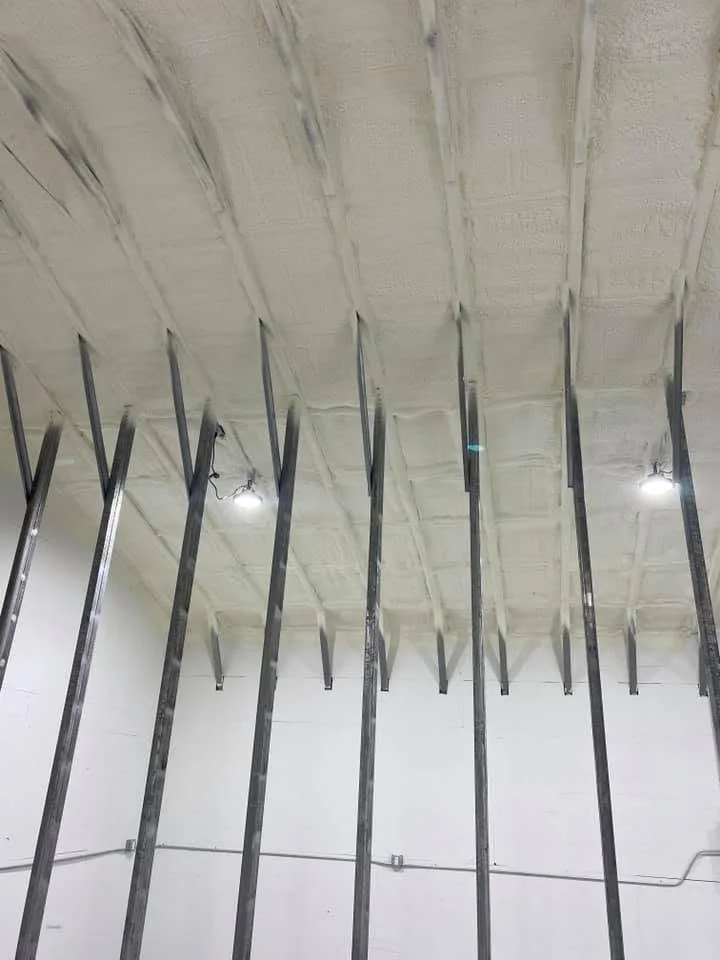
Why Is Residential Spray Foam Insulation Becoming the Most Trusted Home Upgrade for Victor, ID Residents?
Skeeter Aimone
August 24th, 2026
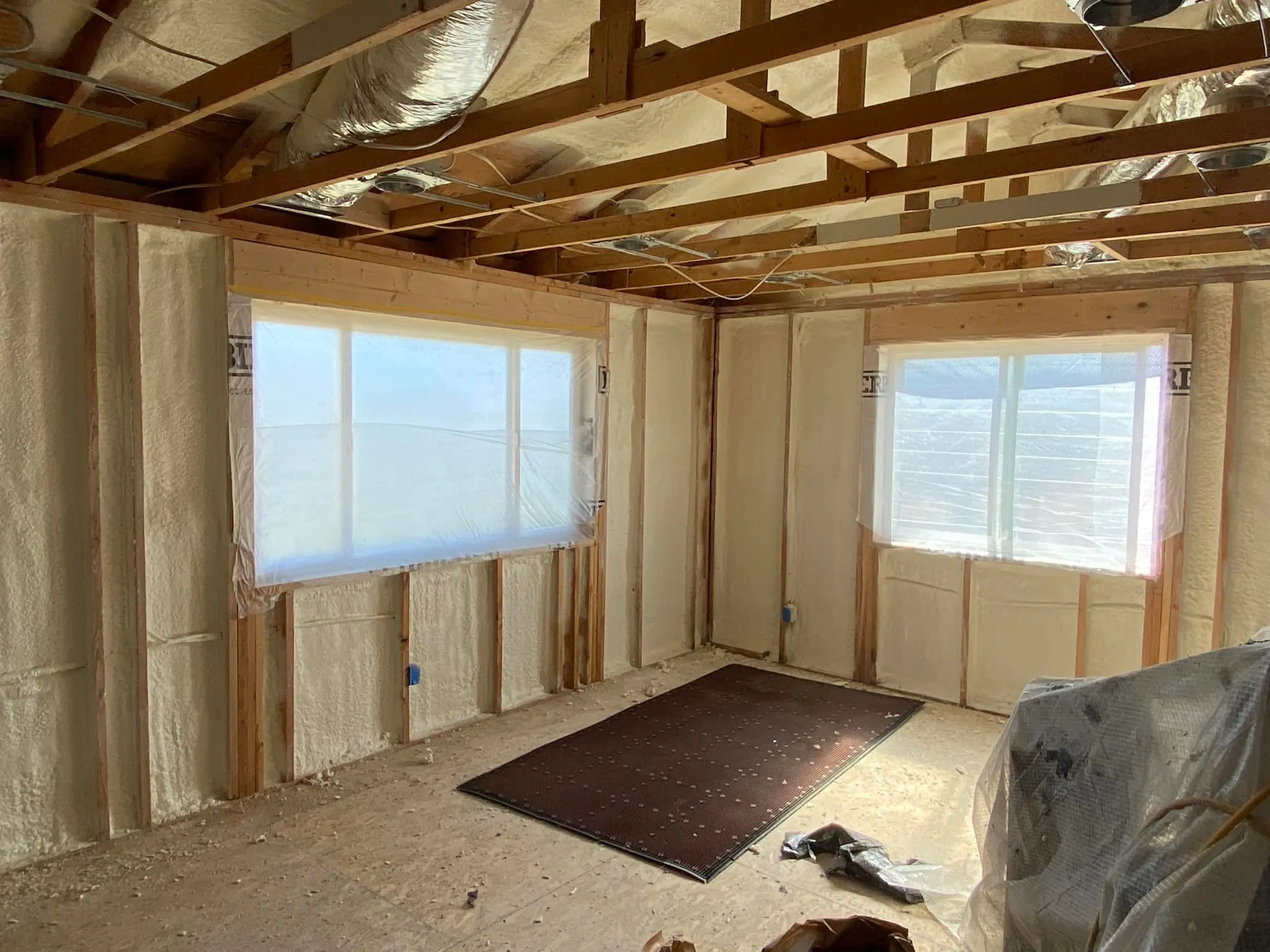
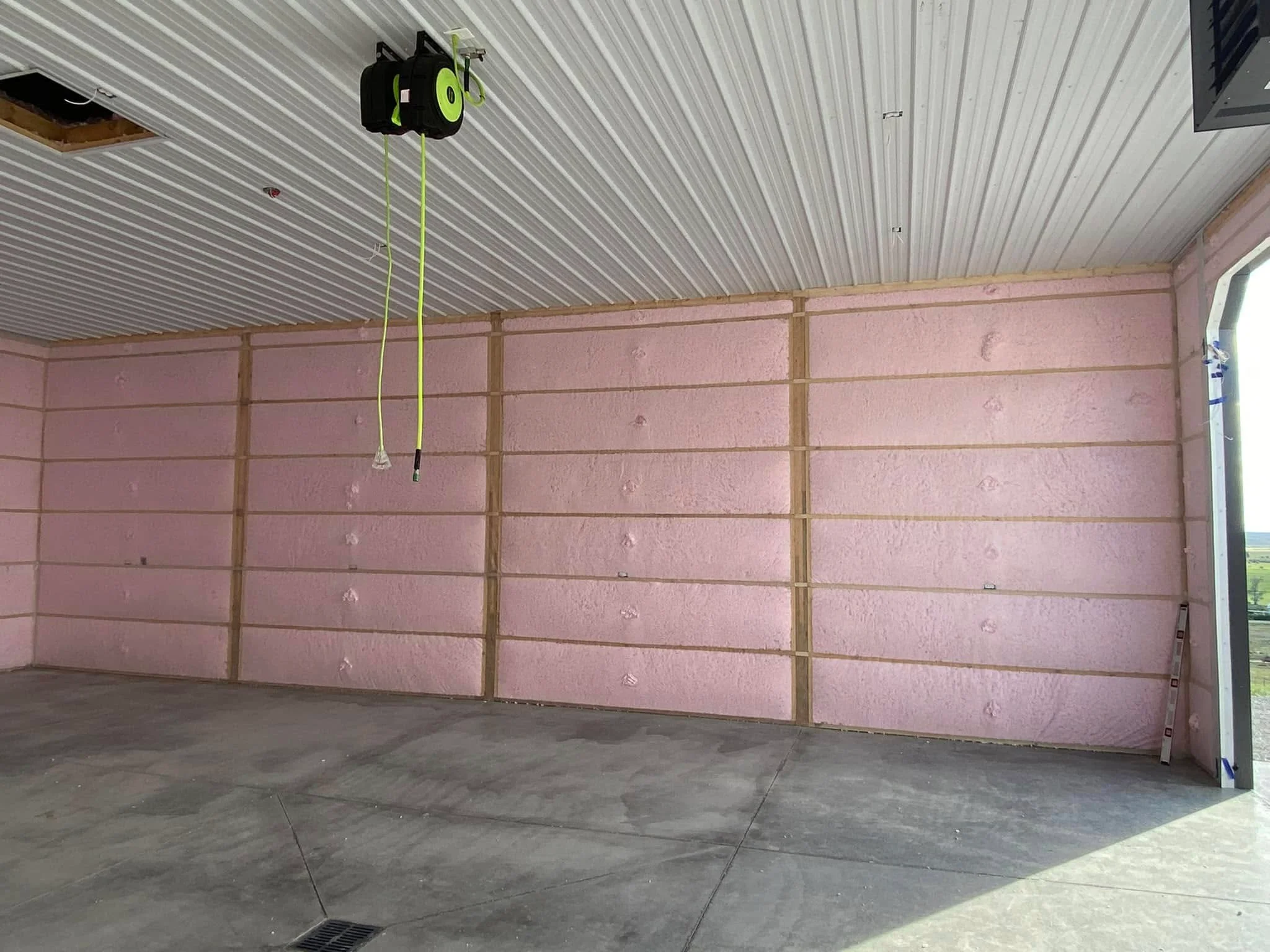
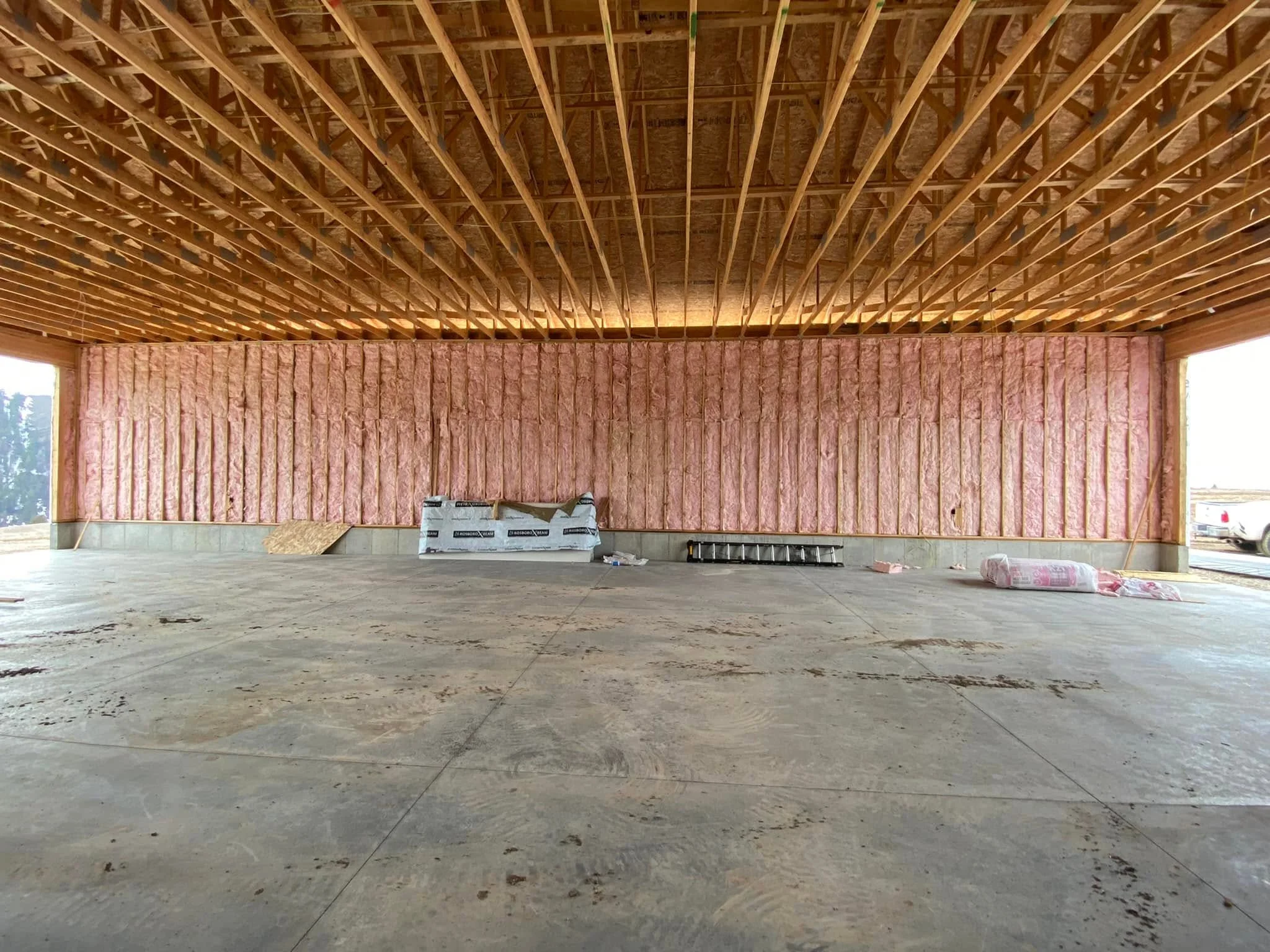
Residential spray foam insulation is gaining trust among Victor, ID homeowners because it solves a problem that traditional insulation cannot: it simultaneously insulates and air-seals the building envelope in one application. In a mountain town where winter temperatures regularly drop below 10°F and heating demands are among the highest in the nation, the dual performance of spray polyurethane foam makes residential spray foam solutions a practical, code-compliant option for both new construction and retrofit projects. The decision between open-cell and closed-cell formulations, and where each is applied, depends on the specific assembly, moisture conditions, and code requirements. What follows is a breakdown of why this material fits Victor’s climate so well, how the two types compare, and what homeowners should look for in a qualified installer.
TL;DR
Victor, ID sits in IECC Climate Zone 6, requiring R-49 ceilings, R-20+ walls, and R-30 floors; standards spray foam meets in less cavity depth than competing materials.
Spray foam insulation serves as both insulation and an air barrier in a single application, addressing two leading causes of energy waste simultaneously.
The EPA estimates homeowners save an average of 15% on heating and cooling costs by combining air sealing with added insulation in attics, crawlspaces, and basement rim joists.
Closed-cell spray foam delivers approximately R-6.1 per inch, while open-cell delivers approximately R-3.6 per inch, allowing builders to reach code-required R-values in thinner wall cavities.
Nine out of ten U.S. homes are under-insulated, meaning most Victor residences stand to benefit from an insulation upgrade regardless of age.
In cold climates, the DOE’s Building America program rates both open-cell and closed-cell spray foam as “preferred” for frame-wall cavities.
Proper moisture management and code-required thermal barriers must be planned for any spray foam installation.
What Makes Victor’s Climate Different
Victor experiences the full force of a cold climate, with winter lows that can reach negative double digits and annual average temperatures around 37°F. The town falls within IECC Climate Zone 6, which carries some of the highest insulation requirements in the continental United States. According to the ASHRAE 90.1 standard, residential wood-framed walls in Zone 6 require a minimum of R-13 cavity insulation plus R-7.5 continuous exterior insulation. Ceilings and floors carry even higher demands.
What makes spray foam particularly relevant here is the relationship between heating degree days and insulation performance. Heating degree days measure how often and how far below 65°F outdoor temperatures fall, and they serve as a direct indicator of heating energy demand. Areas with high heating degree days benefit disproportionately from reductions in air leakage and improvements in thermal resistance. Residential spray foam insulation guidance can help homeowners understand how these factors influence insulation choices and building-envelope performance. Victor’s climate produces significant heating degree days, meaning even small improvements in the building envelope translate to meaningful energy savings over a heating season.
The DOE’s Insulation Fact Sheet confirms that heating and cooling account for 50 to 70% of energy use in the average American home, and that inadequate insulation and air leakage are the leading causes of energy waste. In a Climate Zone 6 town, the heating portion of that equation dominates, making the air-sealing capability of spray foam especially valuable.
Open-Cell vs. Closed-Cell: Which Works Where
Not all spray foam is the same, and choosing the wrong type for a given application can lead to moisture problems, code violations, or wasted investment. The DOE Building America guide provides a detailed breakdown of where each formulation is appropriate.
Property
Open-Cell SPF
Closed-Cell SPF
R-value per inch
~3.6
~6.1
Density
~0.5 lb/cf
~2.0 lb/cf
Vapor permeance
5-10 perms at 5″ (vapor-permeable)
Less than 1 perm at 2″ (vapor retarder)
Water absorption
Can absorb and hold water
Hydrophobic, does not absorb water
Air barrier
Yes, at typical thicknesses
Yes, at typical thicknesses
Structural benefit
Minimal
Adds racking strength to walls
Cold-climate wall rating
Preferred
Preferred
Foundation / below-grade
Not acceptable
Preferred
Band joist/rim joist
Acceptable
Preferred
For Victor homeowners, this distinction matters because of the temperature gradient between heated interiors and freezing exteriors. The DOE guide specifically notes that in cold climates, a minimum of 1.5 inches of closed-cell foam should be used in hybrid “flash-and-batt” systems to keep the interior surface above the dew point, and in areas exceeding 6,000 heating degree days, 2 inches is recommended. Victor easily exceeds that threshold.
Air Sealing: The Hidden Advantage
The biggest performance gap between spray foam and traditional insulation is not R-value. It is air sealing. According to the DOE Building Science Education program, a tight air-sealed home reduces leaks and air movement through the entire building envelope, improving energy performance, comfort, indoor air quality, and durability. Spray foam insulation can be used at rim joists, floors above unconditioned space, and in attics to insulate and air-seal at the same time, a capability that fiberglass batts and loose-fill cellulose do not share.
Traditional insulation materials like fiberglass and cellulose reduce air movement only within the space they occupy. They do not stop air that leaks between the foundation and sill plate, around window frames, or through plumbing and electrical penetrations. Spray foam expands into those gaps and voids during application, creating a continuous seal.
ENERGY STAR notes that if you added up all the leaks, holes, and gaps in a typical home’s envelope, it would equal having a window open every day of the year. The agency estimates that homeowners can save an average of 15% on heating and cooling costs, or 11% on total energy costs, by air sealing and adding insulation in attics, floors over crawl spaces, and accessible basement rim joists.
How Spray Foam Meets Idaho’s Code Requirements
Idaho has adopted the IECC energy code with Climate Zone 6 requirements for Teton County. This means new construction and significant renovations must meet:
Ceilings: R-49
Walls: R-20 cavity plus R-5 continuous, or R-13 plus R-10 continuous
Floors: R-30
Spray foam helps meet these targets in several ways. Closed-cell foam at R-6.1 per inch can achieve R-30 in roughly 5 inches, fitting within a standard 2×6 cavity (5.5 inches). Open-cell at R-3.6 per inch in a full 5.5-inch cavity delivers approximately R-20, meeting the cavity requirement with room for continuous exterior insulation.
Beyond the thermal envelope, Idaho code requires that spray foam in habitable spaces be covered by a 15-minute thermal barrier, typically half-inch gypsum board, as defined by the International Residential Code. In unconditioned attics and crawlspaces, an ignition barrier may suffice. For homeowners evaluating a contractor for this type of work, see our Google reviews to get a better sense of previous customer experiences. These requirements apply regardless of foam type and must be factored into project planning.
Where Spray Foam Delivers the Most Value
Not every area of a home benefits equally from spray foam. Prioritizing the right zones maximizes return on investment.
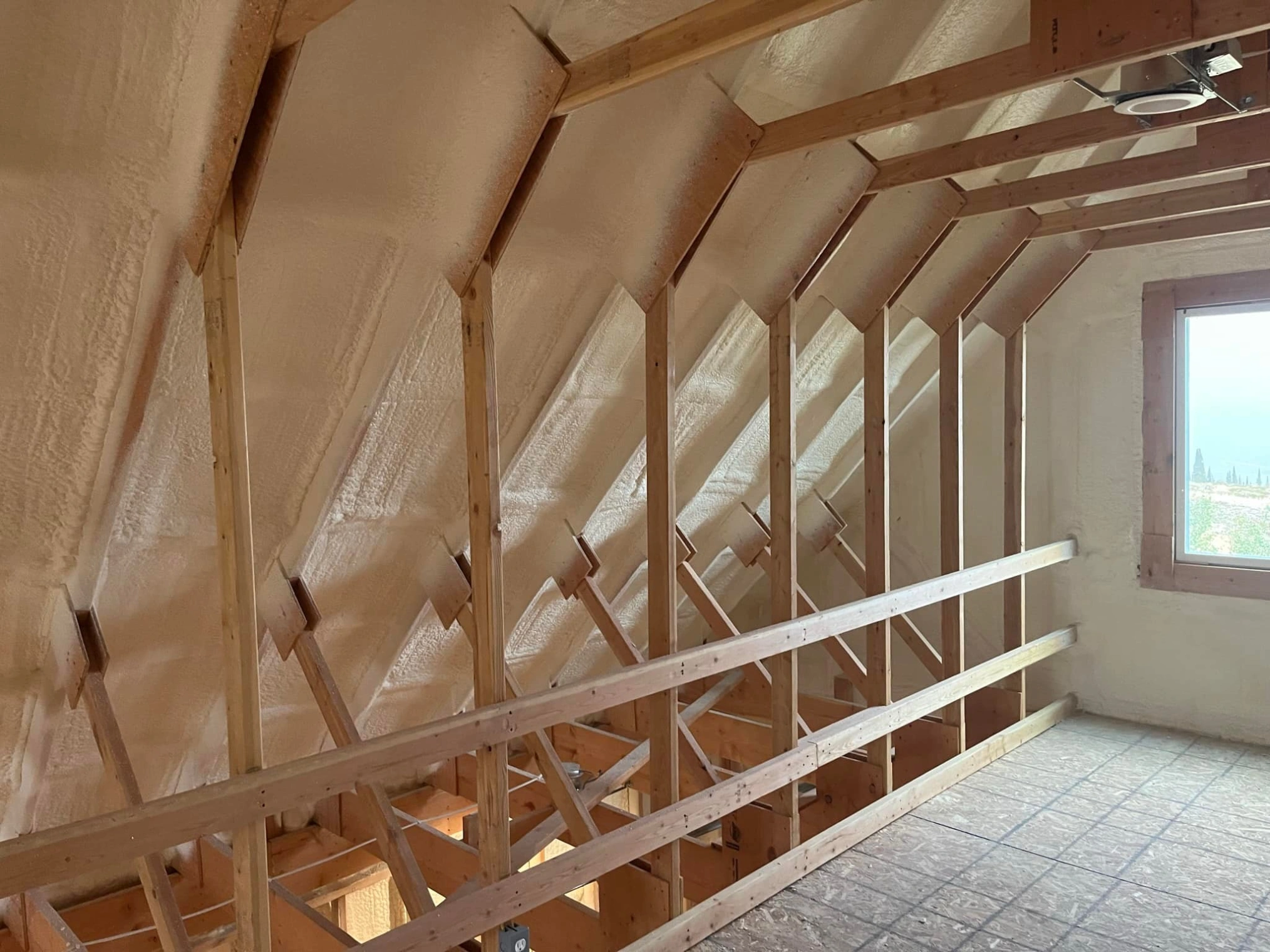
Attics and cathedral ceilings: Spray foam applied to the underside of the roof deck creates an unvented, conditioned attic. This approach protects ductwork from extreme temperature swings, which the DOE notes can waste up to 25% of heating and cooling energy when ducts run through vented attics.
Rim joists and band joists: These areas where floor framing meets the foundation are notoriously difficult to insulate with batts. Spray foam expands to fill the irregular voids and seals against air leakage simultaneously.
Basement walls and crawlspaces: Closed-cell spray foam applied directly to foundation walls provides both thermal resistance and a moisture barrier. The DOE guide rates this as the preferred approach for below-grade and crawlspace applications.
Existing wall cavities: For retrofit projects, spray foam can be injected into wall cavities through small holes, filling gaps around wiring, plumbing, and obstructions that batt insulation cannot reach.
Recommendations by Home Type
Home Type
Recommended Approach
Key Notes
New construction
Closed-cell flash-and-batt walls, open-cell or closed-cell attic
Maximizes code compliance with manageable material costs
Older homes (pre-1990)
Prioritize attic and rim joist first
Greatest air-leakage reduction per dollar spent
Homes with cathedral ceilings
Closed-cell under roof deck
Achieves high R-value in limited rafter depth
Basement/crawlspace upgrades
Closed-cell on foundation walls
Addresses both insulation and moisture control
Homes with ice dam problems
Air-seal attic floor with spray foam + insulate
Stops warm air leakage that melts snow on the roof
Signs You’ve Found the Right Insulation Contractor
They perform a blower door test or energy audit before recommending specific insulation solutions
They explain the difference between open-cell and closed-cell foam and recommend based on the specific assembly, not just a default product
They discuss moisture management, vapor barriers, and ventilation as part of the insulation plan
They provide product labels and ICC Evaluation Service Reports for the specific foam they will install
They address thermal barrier and ignition barrier code requirements for the spaces being insulated
They inspect the work area for knob-and-tube wiring or other pre-existing conditions before installation
Get Started with High Country Solutions
High Country Solutions provides residential spray foam insulation services to homeowners throughout the Victor, ID area, including new construction, retrofit projects, and targeted air-sealing upgrades. Our team evaluates each home’s specific needs based on its construction, existing insulation, and the demands of Climate Zone 6 living. To discuss your project or request a quote, reach us at [email protected] or call (307) 248-9063.
What makes spray foam different from fiberglass or cellulose insulation?
Spray foam expands on application to fill gaps and cracks, creating both a thermal barrier and an air barrier in one step. Fiberglass and cellulose only slow conductive heat transfer and do not block air movement through gaps, penetrations, or framing connections.
Is closed-cell spray foam necessary in Victor’s climate, or can open-cell work?
Both types are rated as “preferred” for cold-climate wall cavities by the DOE. However, closed-cell is required for below-grade, foundation, and crawlspace applications where moisture resistance is essential. The right choice depends on the specific building assembly.
Does spray foam require any special covering or code compliance?
Yes. In habitable spaces, the International Residential Code requires spray foam to be covered by a 15-minute thermal barrier, typically half-inch gypsum board. In attics and crawlspaces used only for utility access, an ignition barrier may be acceptable.
How does spray foam help with ice dams?
Ice dams form when warm air leaks from the living space into the attic, warming the roof deck and melting snow. Spray foam applied at the attic floor or roof deck air-seals those leakage paths, keeping the roof deck cold and reducing the conditions that cause ice dams.
Can spray foam be installed in an existing home without removing drywall?
In many cases, yes. Attics, crawlspaces, basements, and rim joists are accessible without removing finished surfaces. For existing wall cavities, injection foam can be installed through small holes that are later patched.
Sources
DOE Building America – Which Spray Foam Is Right For You? – Comprehensive guide comparing open-cell and closed-cell spray polyurethane foam properties, applications, and climate-specific recommendations from the Department of Energy’s Building America program.
DOE/ENERGY STAR Insulation Fact Sheet – Department of Energy fact sheet covering how insulation works, R-value explanations, climate zone recommendations, and retrofit guidance for existing homes.
DOE Building Science Education – Tight Air-Sealed Homes – Federal building science resource explaining how comprehensive air barriers reduce energy waste and improve comfort, and the role spray foam plays in achieving tight envelopes.
ENERGY STAR – Why Seal and Insulate? – EPA’s ENERGY STAR program page documenting that homeowners save an average of 15% on heating and cooling costs through air sealing and insulation, with data on under-insulation rates nationwide.
Wikipedia – Building Insulation – Reference article covering thermal insulation principles, ASHRAE 90.1 climate zone R-value requirements, and the role of building envelope design in energy performance.
I’m Skeeter Aimone, owner of High Country Solutions in Alpine, Wyoming, leading the company since 2019. I focus on quality installation, building science, and insulation solutions suited to harsh Wyoming and eastern Idaho conditions.