What Problems Can Fiberglass Insulation Help Solve in Older and Newer Homes in Driggs, ID?
Skeeter Aimone
October 22nd, 2026
Fiberglass insulation Driggs, ID homeowners choose, helps with heat loss through attics, floors and walls, thin or missing insulation in older houses, and energy code needs in new builds. It costs less than most options and fits standard framing. A fiberglass insulation guide can help homeowners understand why it only works well when leaks get sealed first and the batts or blown-in fill go in without gaps.
TL;DR
Older homes: blown-in fiberglass tops up thin attics and fills awkward spaces.
New homes: batts fit standard 2×4 and 2×6 walls and help you meet code.
Seal air leaks first. The attic usually pays back the most.
Most fiberglass trouble comes from gaps and squashed batts, not the material.
Other materials win in some spots, and we’ll tell you which.
Fiberglass Insulation Benefits in a Driggs Winter
Fiberglass is spun glass fiber, sold as batts, rolls and blown-in fill. In Driggs, that matters because an Idaho energy code guide from the Insulation Institute lists Teton County in climate zone 6, a cold zone where heat loss runs from fall through spring.
The biggest fiberglass insulation benefits are cost and fit. The U.S. Department of Energy calls batts and rolls the most common, widely available blanket type, sized for standard stud and joist spacing and relatively inexpensive. Fewer cold rooms and lower heating bills can follow when the install is done right.
Fiberglass Insulation for Older Homes in Driggs
Many older homes were built before modern energy codes, so they often have thin attic insulation, uneven framing and drafty gaps. Fiberglass can fix much of that when you match the form to the space.
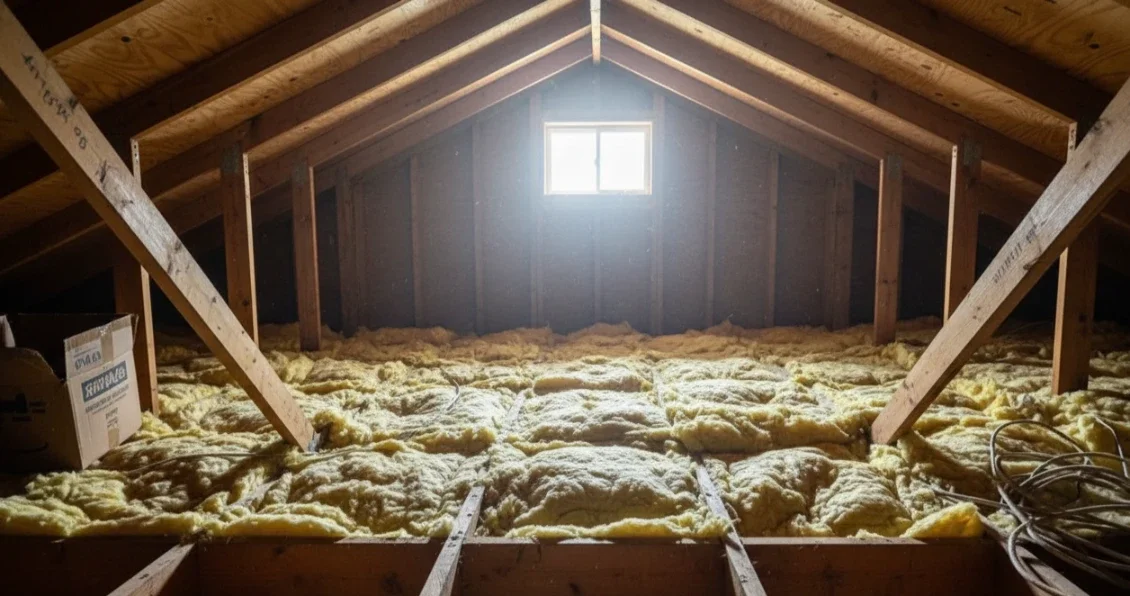
Thin attic floors: Blown-in fiberglass tops up an attic floor and wraps around joists and wiring. The Department of Energy notes loose-fill suits irregular areas and obstructions.
Awkward cavities: Loose-fill can also go into enclosed wall cavities. Have each cavity inspected first so you don’t trap moisture inside.
Drafts: Fiberglass doesn’t stop air by itself. ENERGY STAR says the attic usually offers the most savings and says to always air seal it before adding insulation.
Cold floors: After the attic, ENERGY STAR also says the basement or crawlspace is usually the next best place to seal and insulate, since it cuts drafts from below.
Fiberglass Insulation for New Homes in Driggs
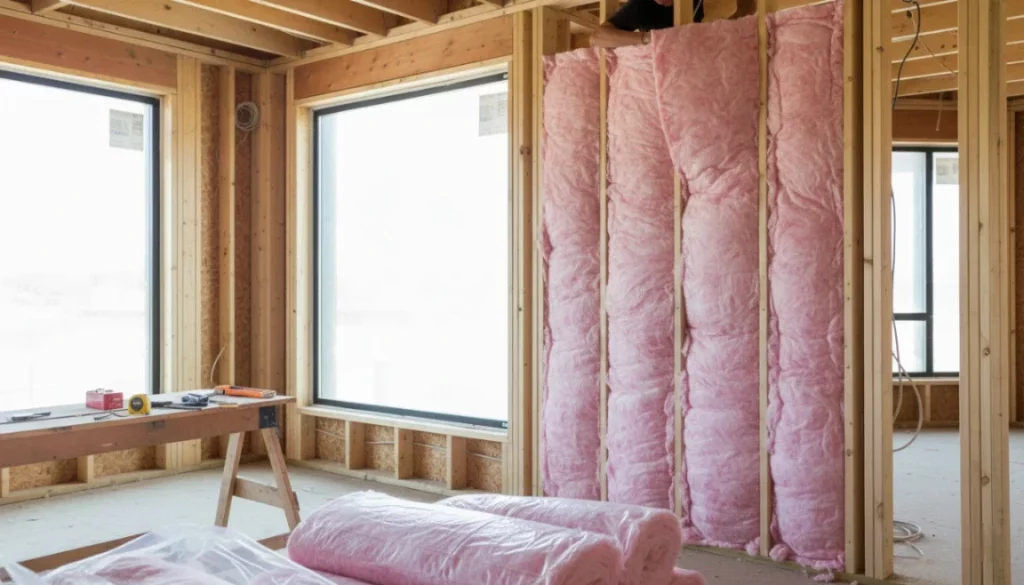
New builds give you open framing, which makes fiberglass easy to install well. The goal is to hit your code’s R-value and leave no gaps.
Standard batts fit 2×4 walls at R-13 or R-15 and 2×6 walls at R-19 or R-21, according to the same Department of Energy guide. The code edition and R-values your project needs are set locally, so confirm them with your local building official before you order materials.
Open framing also makes it easy to miss the small spots. Outlets, pipes, corners and the joint where the wall meets the attic are where batts get skipped or crushed. Professional insulation installation helps address these vulnerable areas before they become hidden behind drywall. Walk the house before drywall goes up and look for gaps, because even a small gap can leave a cold spot you’ll notice on a January morning.
Fiberglass Insulation Problems and How to Avoid Them
Fiberglass gets blamed for failures that often start with the install. Gaps between batts, thick batts stuffed into shallow cavities, and air leaks around the insulation do the real damage.
The fix is simple but easy to skip. Measure thickness, check for gaps against the framing, and make sure the fit is tight around electrical boxes and pipes, which is what the Department of Energy recommends checking.
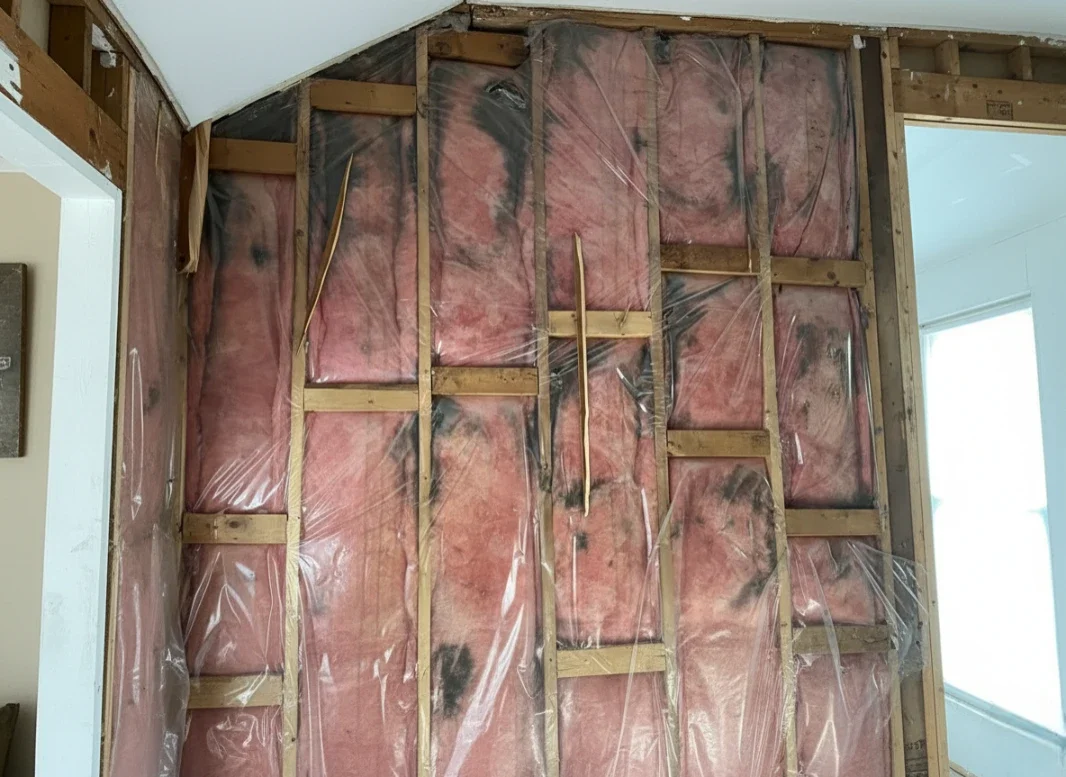
Moisture is the other trouble spot. Wet insulation loses performance, and trapped moisture can damage framing over time. If you spot stains or a musty smell, track down the leak before anyone adds new fill.
Quick Checklist Before You Insulate
Run through this list before any crew starts work. It takes ten minutes and prevents most callbacks.
Seal attic air leaks and bypasses first.
Pick batts or blown-in fill to match the space.
Confirm the R-value your local code requires.
After the install, check for gaps, squashed batts and loose fit around boxes.
Is Fiberglass the Right Choice for Every Home?
Not always. Spray foam seals air and packs more R-value into the same thickness, but the Department of Energy says foam usually costs more than batts. Mineral wool and cellulose have their place too.
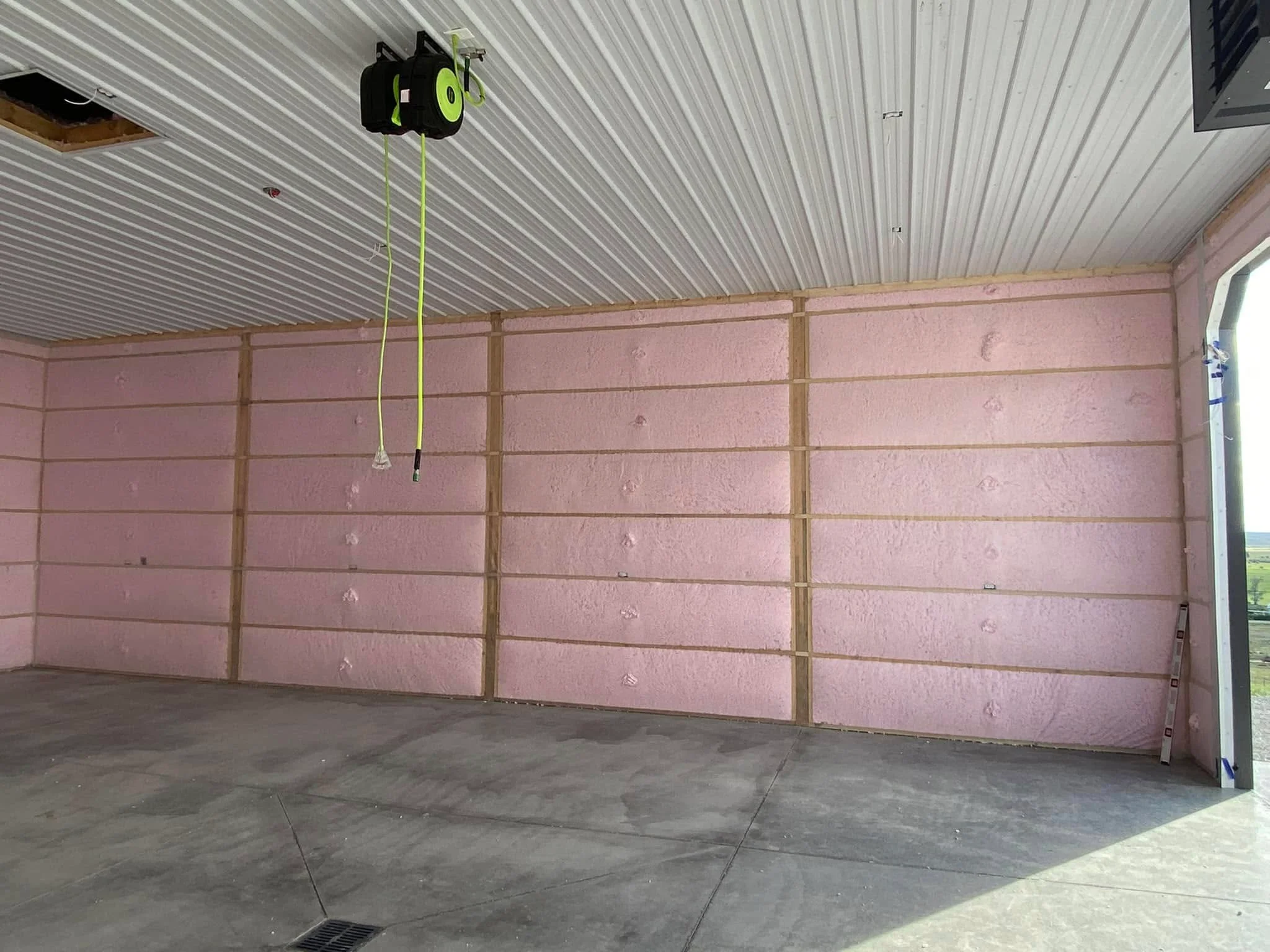
We install fiberglass, spray foam, blown-in, mineral wool and dense pack cellulose, so you get a straight answer instead of a sales pitch. Whether it’s residential fiberglass insulation in Driggs, ID or another material, the right pick depends on your attic, your framing and your budget.
Get a Free Insulation Quote From High Country Solutions
Not sure if your attic, walls or new build calls for fiberglass? We offer a free quote, so you can compare options before you spend anything. Call or email High Country Solutions in Driggs, ID.
Frequently Asked Questions About Fiberglass Insulation in Driggs, ID
Can fiberglass insulation grow mold?
The glass itself doesn’t feed mold, but dust and moisture trapped in it can. Mold usually shows up where the fibers stay damp and dirty, such as under a roof leak or near a bathroom fan vent. Wet or contaminated sections usually need replacing, and a quick inspection will tell you how far it spread.
Does fiberglass insulation irritate skin and lungs?
It can cause temporary irritation to skin, eyes and airways when disturbed. If you must handle it, wear gloves, long sleeves, eye protection and a mask. Insulation left undisturbed and sealed behind drywall or a hatch rarely bothers anyone.
How long does a fiberglass insulation job take?
A typical attic job often takes a day or two, depending on size, access and how much air sealing comes first. Wall work in a larger home takes longer.
Can new fiberglass go over old insulation?
Often, yes, if the old layer is dry, clean and free of pests. R-values add together, so a new layer raises the total. Compressed, wet or contaminated insulation should come out first.
Does blown-in fiberglass settle over time?
Yes, loose-fill settles under its own weight. Manufacturers rate R-value at settled thickness, so installers add depth to hit your target after settling. The coverage chart on the bag label shows the numbers.
Sources
U.S. Department of Energy – batts and rolls, loose-fill, wall R-values, install checks and foam cost.
ENERGY STAR – attic savings potential and air sealing before insulating.
Insulation Institute – Teton County’s climate zone and the advice to confirm local code.
I’m Skeeter Aimone, owner of High Country Solutions in Alpine, Wyoming, leading the company since 2019. I focus on quality installation, building science, and insulation solutions suited to harsh Wyoming and eastern Idaho conditions.