

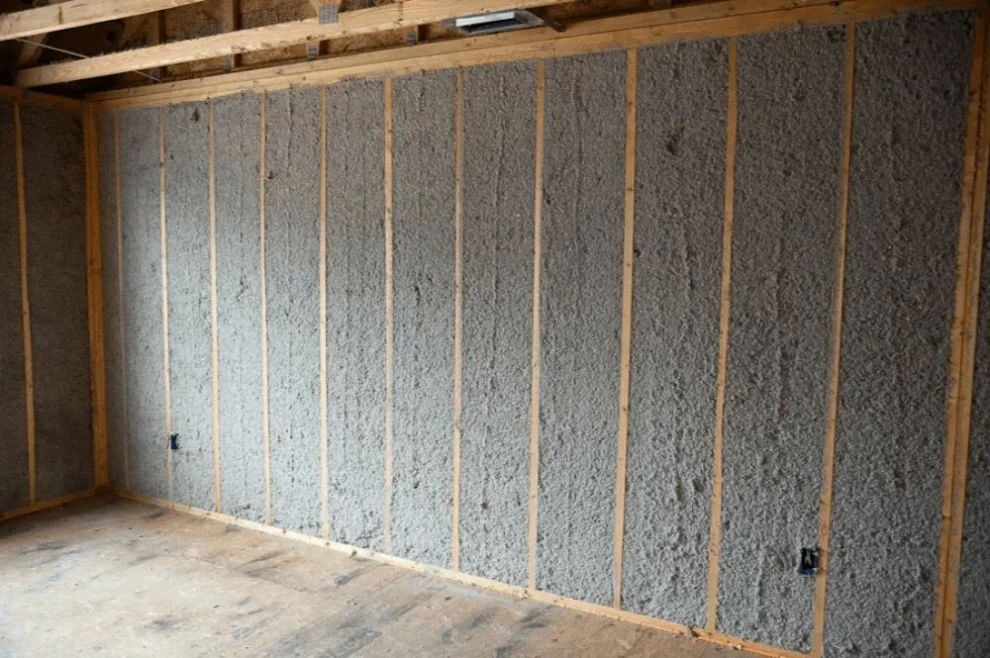
If you are struggling with drafty walls, inconsistent temperatures, or high energy bills in Alpine, finding the right insulation is the most effective way to stabilize your home. Dense-pack cellulose insulation in Alpine, WY, is the gold-standard solution for mountain homes, specifically designed to seal wall cavities and eliminate the convective heat loss that often plagues older or poorly insulated properties. By filling wall voids with an engineered, high-density material, we create a permanent air barrier that keeps your home comfortable throughout our extreme mountain seasons.
Alpine experiences a humid continental climate that presents significant challenges for home performance. With temperatures that swing from lows of 6°F in January to highs of 83°F in July, combined with an average annual snowfall of approximately 106 inches, our local buildings are subjected to constant thermal stress. According to climate data from the National Weather Service, these significant seasonal shifts are standard for our elevation, making an airtight building envelope a necessity rather than a luxury.
This temperature volatility, paired with our high-altitude environment, creates a chimney effect in many homes where warm air escapes through wall cavities and is replaced by freezing outdoor air. Standard insulation materials, like traditional fiberglass batts, often fail to stop this air movement and can lose significant thermal effectiveness in subzero conditions. By installing dense-pack cellulose insulation in Alpine, WY, at a precision density of at least 3.5 pounds per cubic foot, we create a solid, gap-free thermal barrier that stops convective air currents and keeps the heat you pay for inside your home.
Many homeowners are familiar with standard blown-in insulation, but dense packing is a different process entirely. While loose-fill insulation is often used for open attic spaces, dense pack requires specialized equipment to force the cellulose fibers into closed wall cavities under high pressure.
This process provides several technical advantages:
The difference in performance between traditional batts and dense pack cellulose is often immediately noticeable. Fiberglass batts are prone to gaps, compression, and poor fitting around electrical boxes and wiring, which leaves pathways for air leakage. Dense pack cellulose, however, flows around wires and irregular framing members to fill every corner of the cavity, ensuring a uniform thermal blanket that traditional materials simply cannot match.
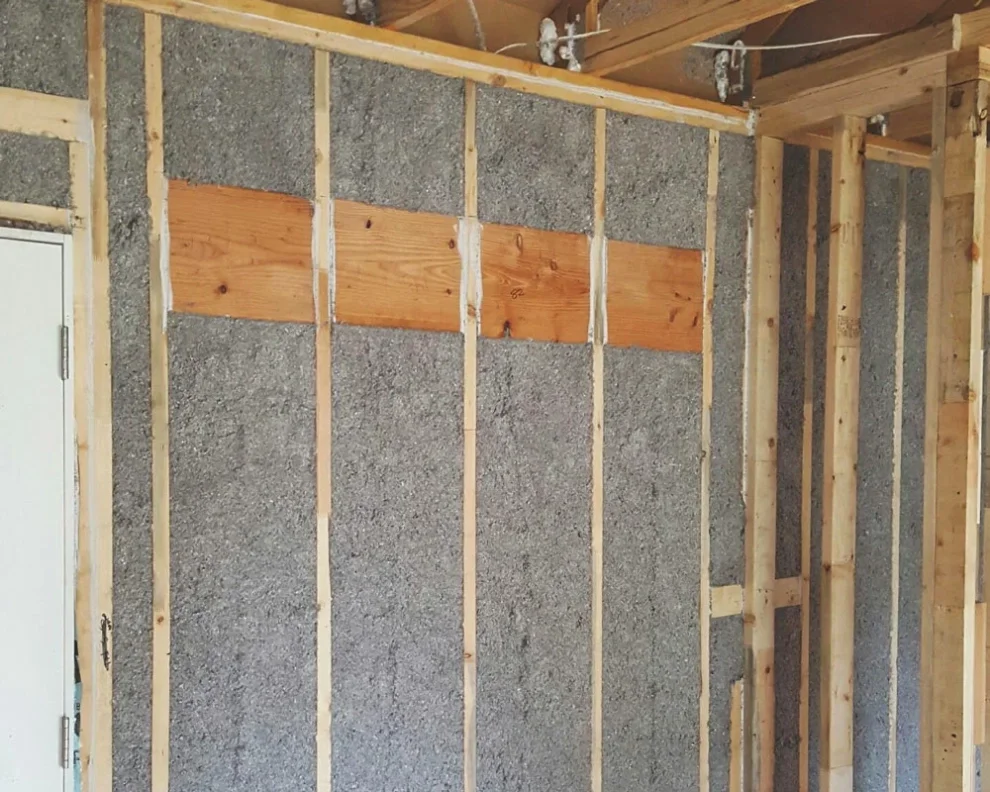
One of the most common questions we hear is whether this process will damage existing walls. Because dense pack cellulose is a retrofit solution, it is designed to be as non-invasive as possible. We typically access the wall cavities from the exterior or through small, strategically placed holes that are easily patched and finished. This allows homeowners to upgrade their wall performance without the significant cost, dust, and time associated with removing drywall or tearing down siding.
Another frequent concern is settling. When installed correctly by a professional, the material is packed to a specific density that prevents it from ever shifting or dropping down within the wall. This is a common failure point for DIY or low-pressure insulation jobs, which is why we emphasize professional calibration. It is a permanent fix that addresses the root cause of drafty walls rather than just covering up the symptoms.
Furthermore, this method provides a superior sound-dampening effect. Because the walls are packed with dense material, it significantly reduces the amount of noise that enters your home from the outside. If you live near a busy road or in an area that experiences high winds, you will likely notice a significant reduction in ambient noise after the dense pack process is complete.
Solving comfort issues in a mountain environment requires more than just picking a material; it requires an understanding of how local buildings interact with our specific weather patterns. High Country Solutions specializes in identifying the thermal bypasses that cause high energy bills and uneven temperatures in Alpine homes. We don't just add insulation; we provide a comprehensive assessment to ensure the work we do results in a tighter, more efficient, and more comfortable living space for you and your family.
If you are ready to stop the drafts and stabilize your home's comfort, we are here to help. You can reach out to High Country Solutions at (307) 248-9063 or email us at [email protected] to discuss your home’s specific needs or to schedule a professional evaluation of your wall insulation.
Cellulose manages moisture by absorbing and releasing vapor naturally. This prevents condensation buildup within wall cavities, keeping your home structure dry during our cold winters.
Yes. We use a non-invasive drill-and-fill method. We access wall cavities through small holes, update the insulation, and then patch the surface seamlessly.
Proper density creates a solid barrier. If insulation is too loose, air moves through it. High-density packing stops drafts and keeps your home temperatures stable.
Yes. The material is treated with borates. This provides natural fire resistance, helping to slow down flame spread if a fire occurs inside your wall cavities.
When installed at the correct density, it does not settle or degrade over time. It remains a permanent and effective insulation solution for your home interior.