What Factors Affect the Cost and Performance of Fiberglass Insulation Installation in Driggs, ID?
Skeeter Aimone
October 22nd, 2026
Most fiberglass insulation Driggs, ID projects come down to four things: the space you’re insulating, the R-value our cold climate calls for, how much prep work the job needs, and how carefully the crew installs it. Understanding fiberglass insulation requirements helps homeowners evaluate these factors before work begins. Get those right and the insulation performs. Get them wrong and you pay for R-value you never receive.
TL;DR
Cost depends on square footage, where the insulation goes, prep work, and labor hours.
Driggs falls in climate zone 6B, so code R-values run high: R-49 for ceilings and R-22 for walls.
Gaps, squeezed batts, and unsealed air leaks all cut performance.
Quotes for the same R-value can differ by more than double, so compare them in writing.
We offer free quotes.
What Are the Factors Affecting Fiberglass Insulation Cost?
Several moving parts set the price, and the material is only one of them. Space, access, prep, and labor time often matter just as much. Here’s how each one pushes fiberglass insulation cost up or down.
Angi reports national averages of $0.30 to $1.50 per square foot for fiberglass batts and $1 to $1.50 for loose-fill fiberglass. Those aren’t Driggs prices, but they show how the pieces stack up.
Cost Driver
National Range
Fiberglass batts, per sq ft
$0.30 to $1.50
Loose-fill fiberglass, per sq ft
$1 to $1.50
Installer labor, per hour
$40 to $80
Site prep and cleanup
$150 to $900
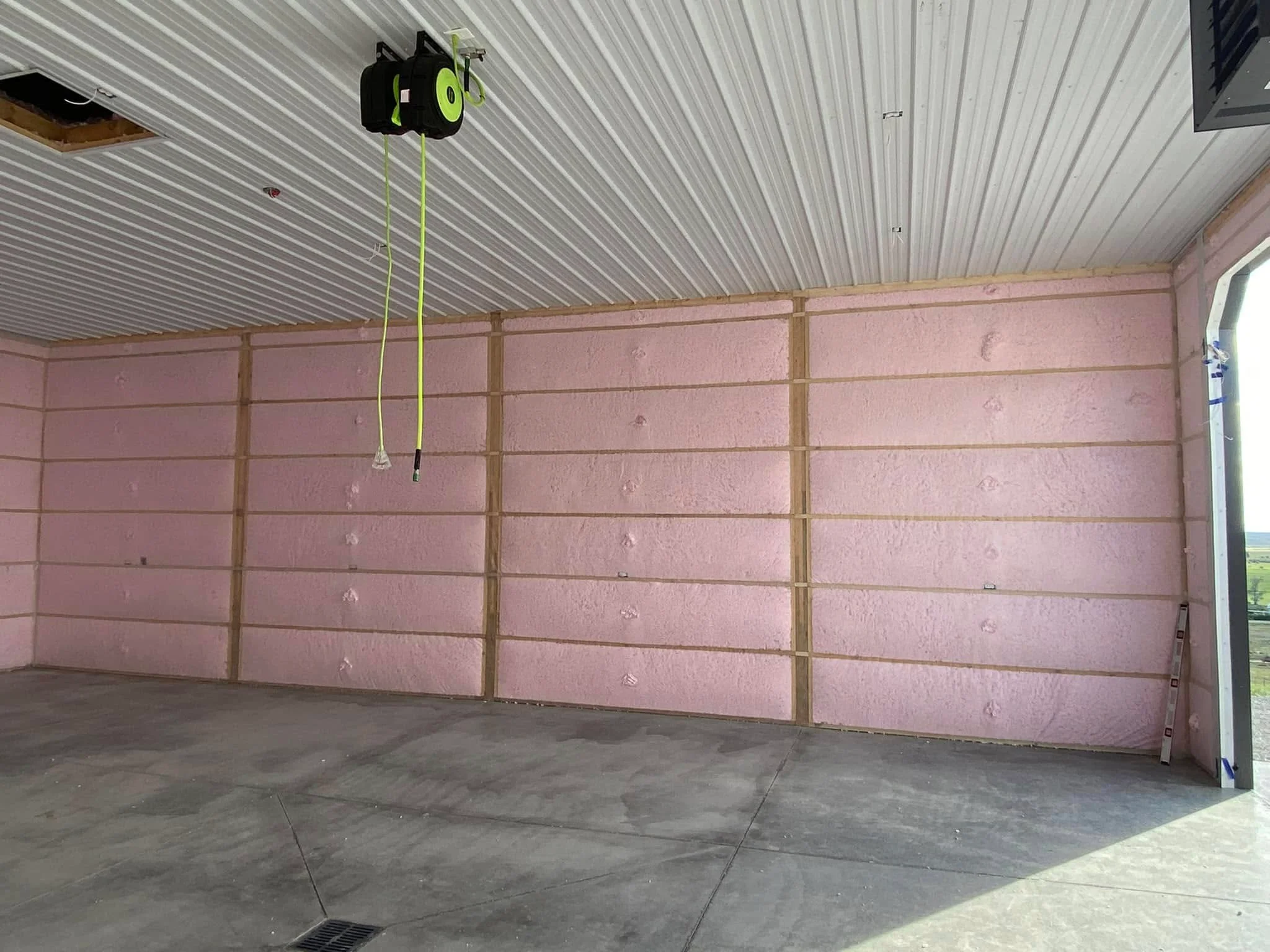
Location in the home changes fiberglass insulation installation cost too. Attics cost more per square foot than garages because crews need more labor and access work. Insulating an existing home runs about $1 more per square foot than a new build, since there’s old material to work around.
Labor hours climb when the installer has to reach tight spots, work in several areas, or haul out old insulation. Bigger jobs often cost less per square foot because setup costs spread across more areas.
How Does Driggs Weather Change the R-Value You Need?
Driggs sits in Teton County, which lists the area as climate zone 6B. Winters are long and cold, so insulation targets run high.
Teton County’s Design Standards Checklist shows a winter design temperature of -20°F. For climate zone 6, it lists a minimum of R-49 in ceilings and R-22 in wood-framed walls (or R-13 plus R-5 continuous). Those are code minimums for new construction, so ask the local building official which ones apply to your project.
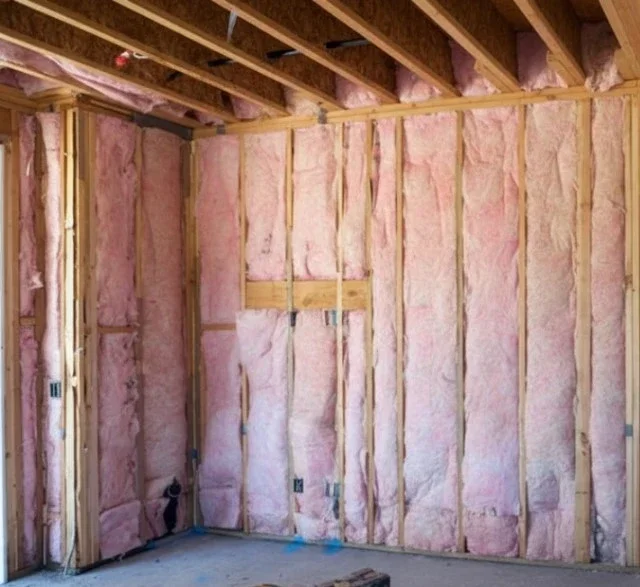
Walls need a closer look. A 2×6 cavity takes R-19 or R-21 batts, according to the U.S. Department of Energy, so reaching R-22 may call for added continuous insulation or another option the building official accepts.
What Decides Fiberglass Insulation Performance After Installation?
The R-value on the package is the best case. The U.S. Department of Energy says an insulation’s real thermal performance depends heavily on proper installation.
Fiberglass insulation performance drops when batts leave gaps against the framing or get squeezed around wires and electrical boxes. Fiberglass insulation installation requires careful fitting to avoid compressed batts and gaps that reduce thermal performance. A thick batt forced into a shallow cavity compresses, and Teton County’s Design Standards Checklist says the installed R-value, not the label, has to meet the table minimum.
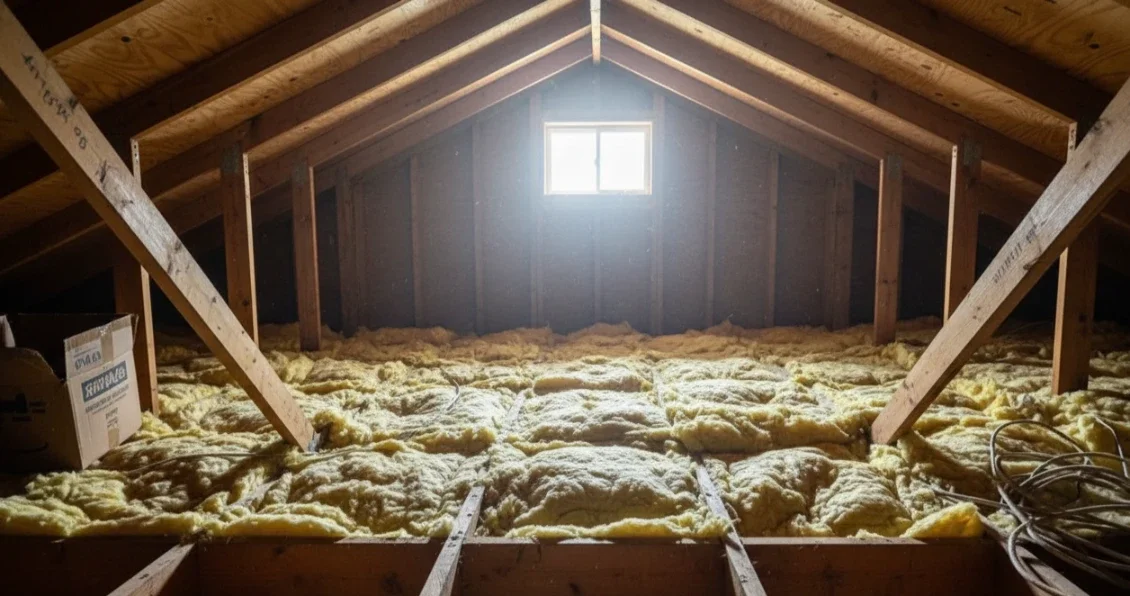
Air leaks matter too. DOE recommends sealing them before the insulation goes in, so ask any installer about air sealing and what it costs. For blown-in fiberglass, the check is simple: measure the depth and look for gaps in coverage.
Fiberglass Insulation Installation Driggs, ID: A Checklist Before You Hire
A little homework before the crew shows up saves money and callbacks. Bring these questions to every quote.
Name the R-value target for each area, such as the attic, walls, and floors.
Get written quotes for the same R-value. The U.S. Department of Energy warns that prices can differ by more than double.
Ask what air sealing is included and what it costs.
Ask how the crew will check batt thickness, gaps, and blown-in depth.
Ask what prep and cleanup the quote covers.
Get a Free Quote From High Country Solutions
Not sure which R-value your attic or walls need? High Country Solutions in Driggs, ID offers a free quote. Call (307) 248-9063 or email [email protected], tell us what you’re insulating, and we’ll walk you through your options.
Frequently Asked Questions About Fiberglass Insulation in Driggs, ID
Should old insulation come out before new fiberglass goes in?
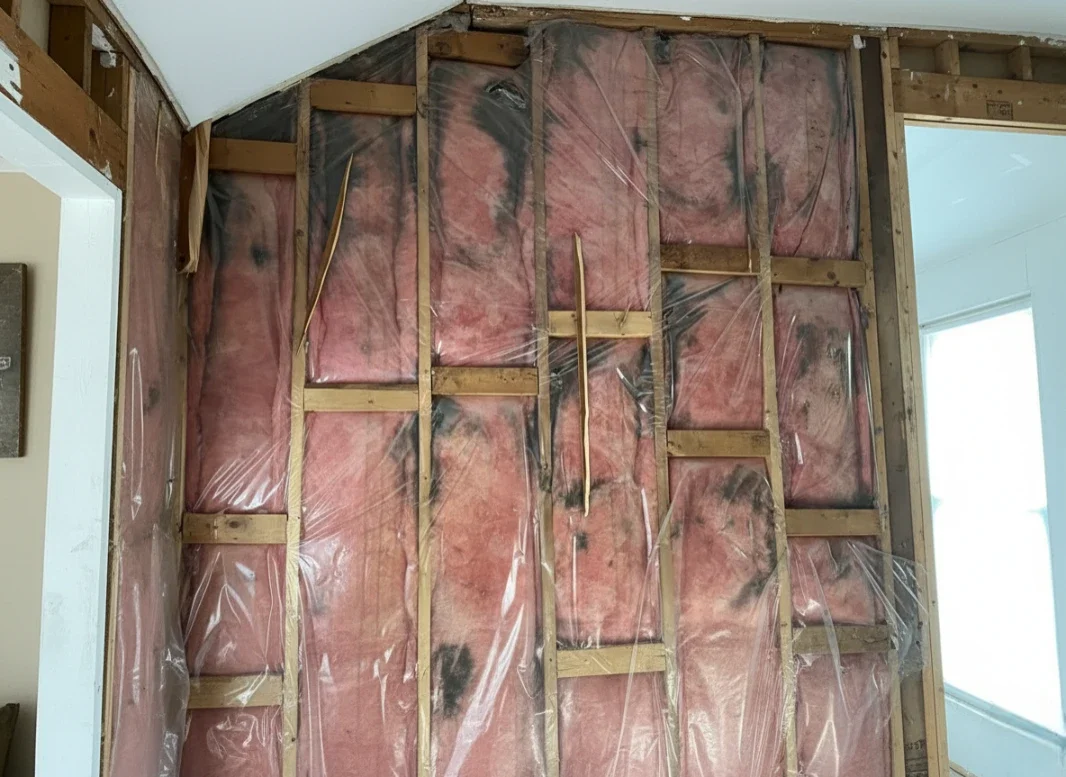
Not always. If the old insulation is dry, undamaged, and free of mold or pests, new insulation can go over it. Remove it if it’s wet or pest-damaged, or if you’re switching to a different type.
How long does a fiberglass installation take?
Typical jobs take five to 12 hours for batts and two to five hours for blown-in. Old insulation removal, bigger homes, and tight access add time.
Can I install fiberglass batts myself?
Homeowners can install batts, and DOE says to follow the manufacturer’s instructions and check local building and fire codes. Blown-in needs specialized equipment, so most people hire it out.
Is blown-in fiberglass better than batts for an attic?
Neither wins every time. Batts suit standard framing spacing without many obstructions, and they’re relatively inexpensive. Loose-fill works better around obstructions and in irregular or hard-to-reach spaces.
How much does it cost to insulate 2,000 square feet?
National figures run $800 to $4,000 for 2,000 square feet, depending on material, location in the home, and prep. A Driggs price will vary, so ask for a free quote with the R-value spelled out.
Sources
Angi – national cost ranges for fiberglass, labor, site prep, and project location.
I’m Skeeter Aimone, owner of High Country Solutions in Alpine, Wyoming, leading the company since 2019. I focus on quality installation, building science, and insulation solutions suited to harsh Wyoming and eastern Idaho conditions.