What Are the Benefits of Fiberglass Insulation for Homes and Businesses in Thayne, WY?
Skeeter Aimone
October 21st, 2026
The biggest benefits of fiberglass insulation that Thayne, WY owners see are lower heating bills, steadier indoor temperatures, built-in fire resistance, and quieter rooms. It’s affordable, fits standard framing, and comes as batts or blown-in fill, so it works in houses, shops, and offices alike. Fiberglass insulation installation services help ensure the material is installed at full depth over sealed air leaks, where it can deliver the greatest benefits.
TL;DR
Lincoln County sits in a very cold climate zone, so attics need deep insulation.
Fiberglass is made from sand and recycled glass, and the glass itself doesn’t burn or soak up water.
Batts suit open walls and new builds. Blown-in fiberglass suits attics and tight spaces.
It cuts noise between rooms, floors, and offices.
Gaps, crushed batts, and air leaks hurt performance more than the material does.
What Fiberglass Insulation Is and How It Works
Fiberglass is made of fine glass fibers that trap small pockets of air. That trapped air slows the flow of heat from your warm rooms to the cold outdoors.
It’s made from sand, limestone, and sodium carbonate, and most fiberglass products contain 40% to 60% recycled glass. Its strength is rated in R-value. Per the U.S. Department of Energy’s insulation guide, a higher R-value means better insulating power, and good insulation lowers heating and cooling costs while improving comfort.
Why Fiberglass Fits Thayne’s Cold Climate
Thayne sees long, snowy winters, and your furnace feels every one of them. The right R-value matters more here than in milder parts of the country.
Thayne sits at about 5,900 feet in Star Valley, and OpenEI lists Lincoln County, Wyoming, in climate zone 7B, a very cold zone. For zones 7 and 8, the DOE recommends R-60 for an uninsulated attic, R-49 when adding 3 to 4 inches of existing insulation, and R-38 for uninsulated floors. Fiberglass can reach those numbers without a big budget. A University of Alaska Fairbanks Geophysical Institute article notes fiberglass batts or blown fill rank among the cheapest options for the insulating value you get.
Key Fiberglass Insulation Benefits
Fiberglass insulation benefits go past a warmer house. Here’s what you can expect when it’s installed right.
Lower Heating Bills and Even Comfort
Every gap in your insulation lets heat escape, and your furnace burns fuel to replace it. Topping up a thin attic often means fewer cold rooms, fewer drafts at floor level, and shorter furnace run times. Local fiberglass insulation services can help address insulation gaps and improve your home’s thermal performance.
Fire Resistance
The same Alaska article explains that fiberglass is inert, ages well, and doesn’t burn. That’s a real safety plus in wood-framed buildings heated by stoves or furnaces all winter.
Moisture and Mold Resistance
The glass fibers don’t take up water, though water can pass between them. The fibers give mold nothing to feed on, but the insulation still needs dry conditions and a proper vapor barrier to perform.
Quieter Rooms
Manufacturers rate fiberglass for sound control. It’s used in interior walls, ceilings, and floors where cutting noise is the goal, such as bedrooms, home offices, and meeting rooms.
Fiberglass Insulation for Homes
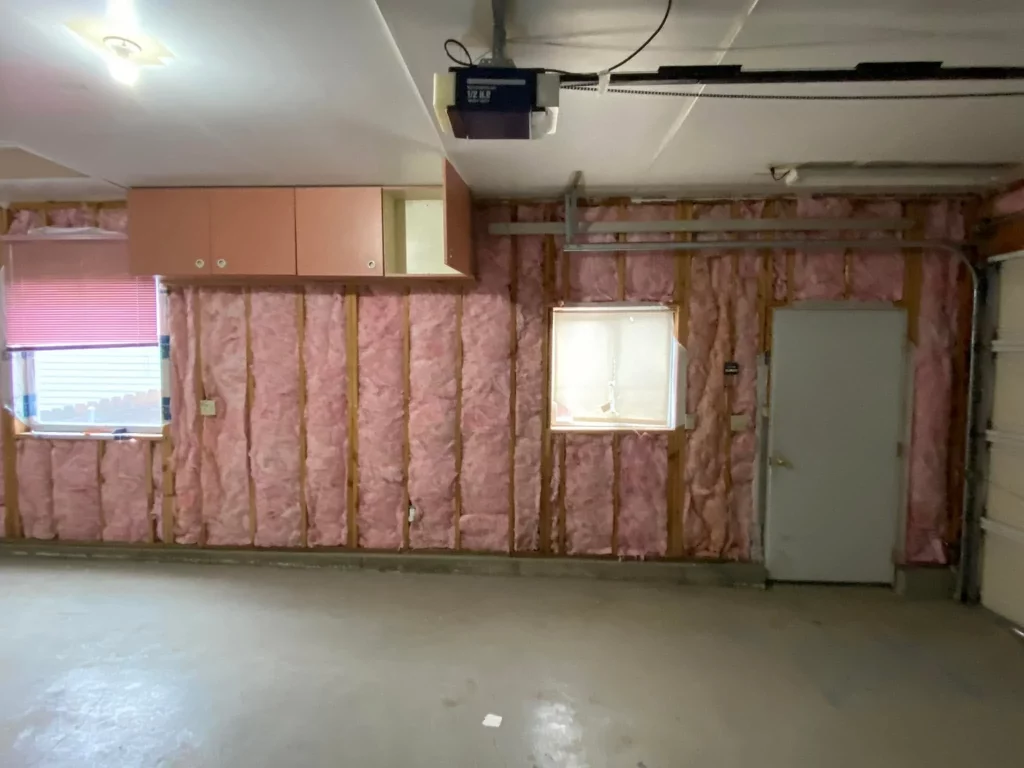
Most houses have several spots where fiberglass does its best work. Residential fiberglass insulation Thayne, WY homeowners add usually starts in the attic, since that’s where heat loss is often worst. The fiberglass insulation guide offers additional information about fiberglass insulation applications for residential properties.
The DOE’s types of insulation guide explains that 2×4 walls can hold R-13 or R-15 batts, while 2×6 walls can use R-19 or R-21. Floors over crawl spaces and garages are another common target. For basements, batts with a flame-resistant facing are made for spots where insulation stays exposed.
Fiberglass Insulation for Businesses
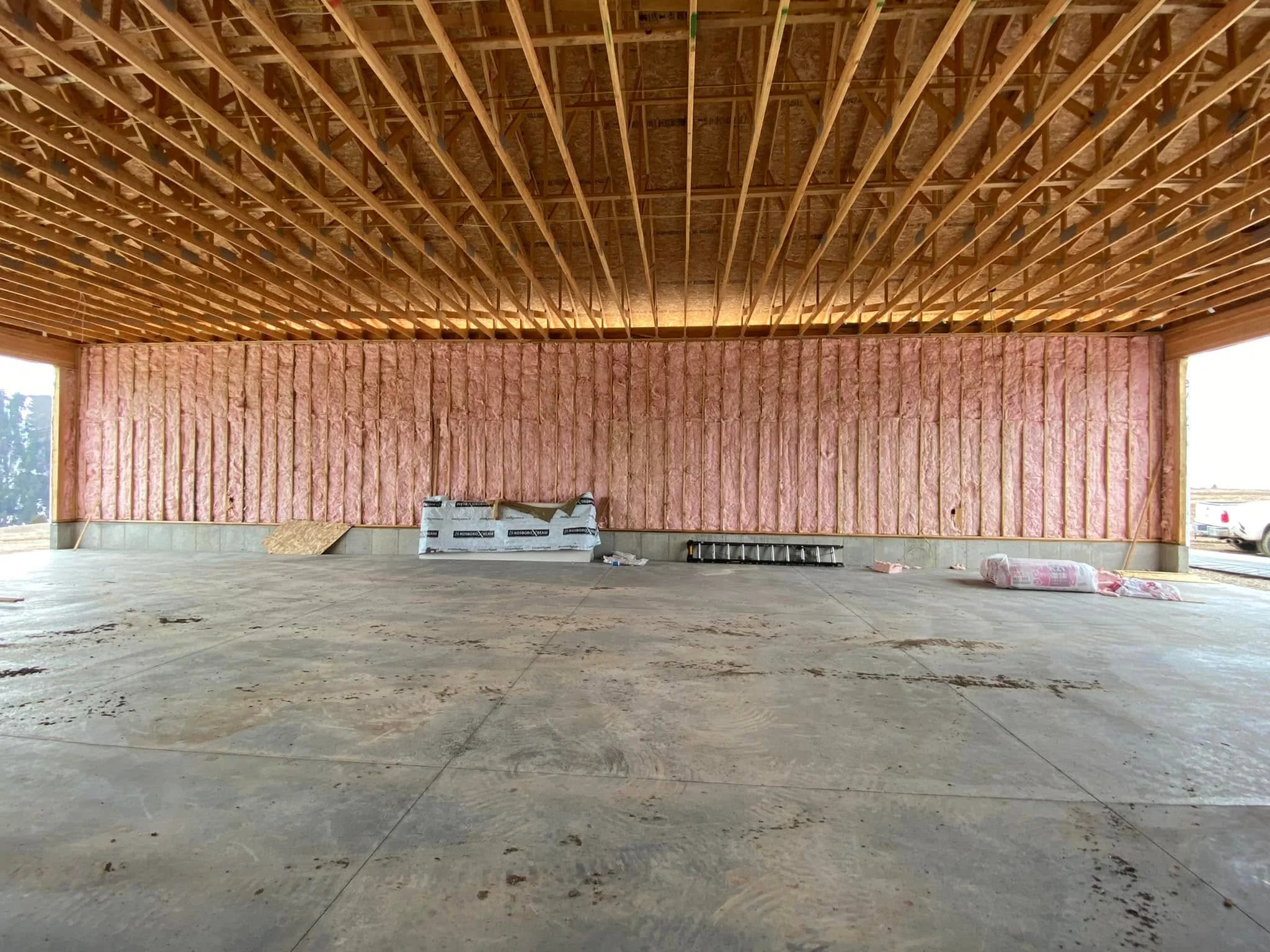
Shops, offices, warehouses, and retail spaces have bigger roofs and walls, so losses add up fast. Fiberglass insulation for businesses keeps heating costs in check and work areas comfortable.
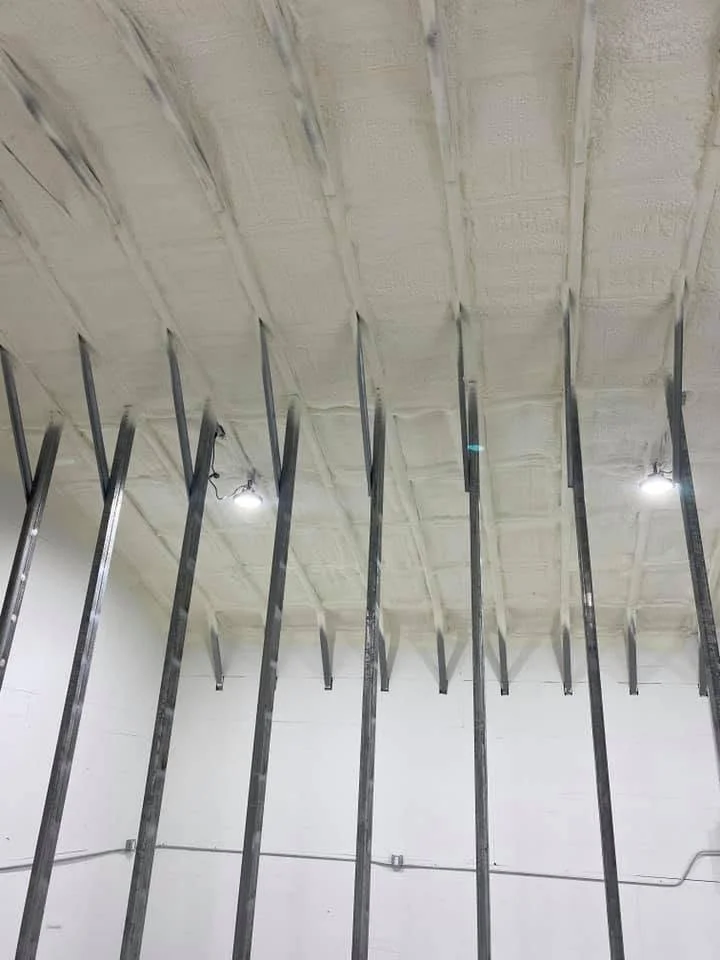
Commercial fiberglass insulation in Thayne, WY, for building owners isn’t limited to walls. Rigid fiberglass board is mainly used to insulate air ducts and handles high temperatures, which helps ducts that run through cold spaces. High Country Solutions business profile provides a way to find our business and learn more about our insulation services. Only unfaced fiberglass, or products with flame-resistant facings, should be left exposed, so ask for the right product in open-ceiling shops.
Batts vs. Blown-In: Which Form Fits Your Building?
Both forms use the same material. The difference is how they go in and where they fit best.
Batts and Rolls
Blown-In (Loose-Fill)
Best for
Open walls, floors, new builds
Attics, closed walls, odd spaces
How it goes in
Cut to fit between framing
Blown in with a machine
Watch for
Gaps and crushed batts
Correct depth and settling
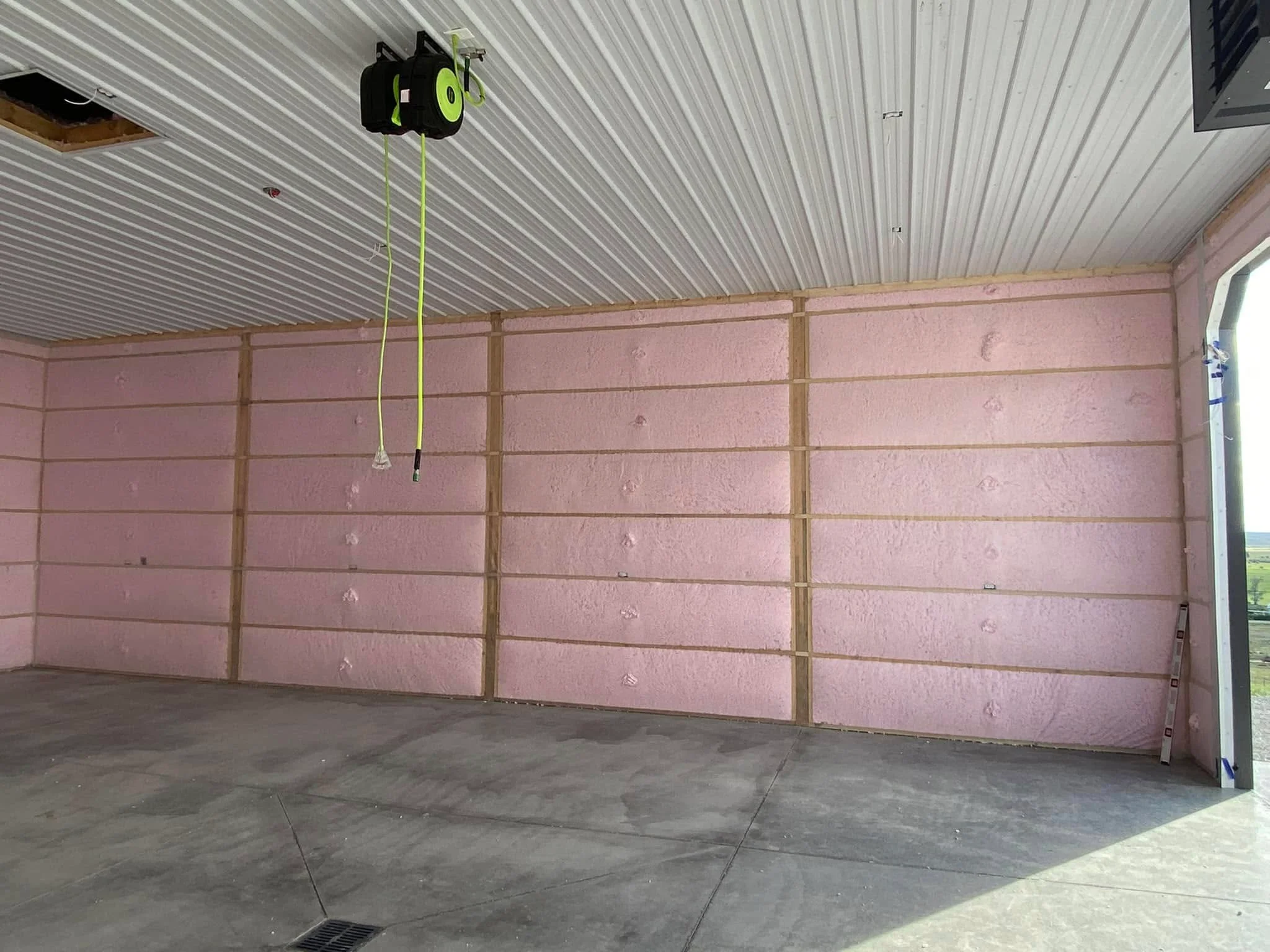
Loose-fill works well for finished areas, irregular spaces, and around obstructions, which is why many attic top-ups use it.
What Are the Downsides of Fiberglass Insulation?
No insulation is perfect, and fiberglass has trade-offs worth knowing before you buy.
It doesn’t stop air leaks. The DOE suggests sealing air leaks before installing insulation.
Compression costs you. Compressed insulation won’t deliver its full rated R-value.
It needs a vapor barrier. Because water moves between the fibers, a vapor barrier belongs on the warm, room side.
Loose-fill settles. Its settled density rises as depth grows, so manufacturers publish coverage charts with settled thickness.
It itches during install. Gloves, long sleeves, and a mask are a must.
Quick Checklist Before You Insulate
A few simple checks help you plan the job and compare quotes fairly.
Measure how many inches of insulation your attic has now.
Look for drafts around light fixtures, pipes, and the attic hatch.
Check for roof leaks or water stains first.
Know your target R-value for each area.
Ask every installer whether air sealing is included.
Get a Free Fiberglass Insulation Quote in Thayne
If your rooms run cold or your heating bills keep climbing, the right insulation can fix the problem at its source. High Country Solutions offers free quotes for homes and businesses in Thayne, WY. Call us at (307) 248-9063 or email [email protected] to get your free quote.
FAQs
Is fiberglass insulation good for cold climates?
Yes. Installed at the right depth with sealed air leaks, it handles very cold winters well. Thickness, not the material, usually decides results.
How long does fiberglass insulation last?
Fiberglass doesn’t break down with age. It can last for decades if it stays dry, uncrushed, and free of pests.
Can you add new fiberglass over old insulation?
Often, yes, if the old layer is dry and free of mold. Unfaced batts or blown-in fill go on top so you don’t trap moisture.
Does fiberglass insulation help with noise?
Yes. It absorbs sound inside walls and floors, so rooms feel quieter. It won’t fully soundproof a space alone.
Is blown-in or batt fiberglass better for an attic?
Blown-in usually covers better around joists, wires, and odd shapes. Batts work well in open, evenly spaced framing.
I’m Skeeter Aimone, owner of High Country Solutions in Alpine, Wyoming, leading the company since 2019. I focus on quality installation, building science, and insulation solutions suited to harsh Wyoming and eastern Idaho conditions.