Spray Foam Temperature Control for Barns: A Complete Guide
Skeeter Aimone
August 13th, 2025
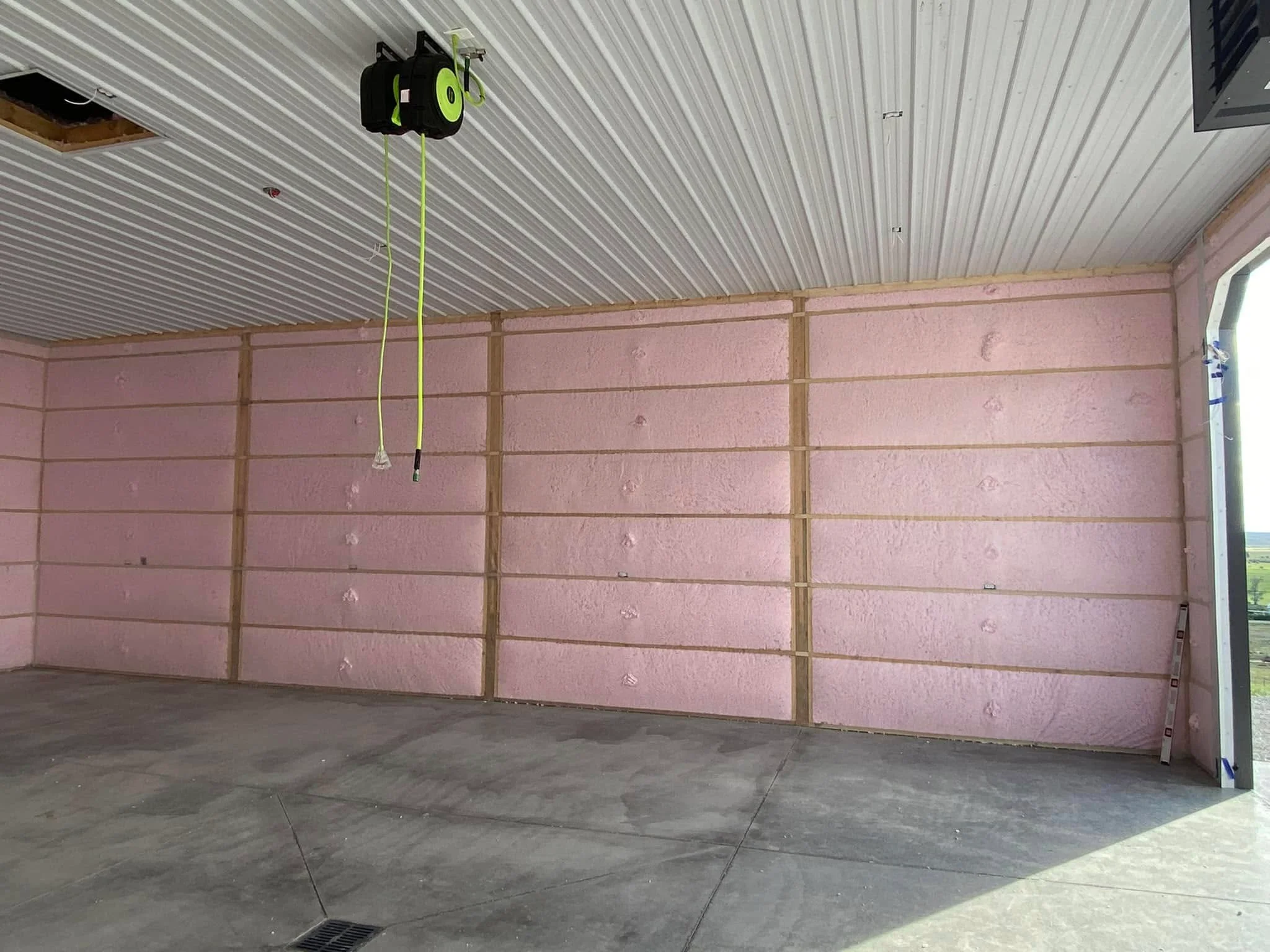
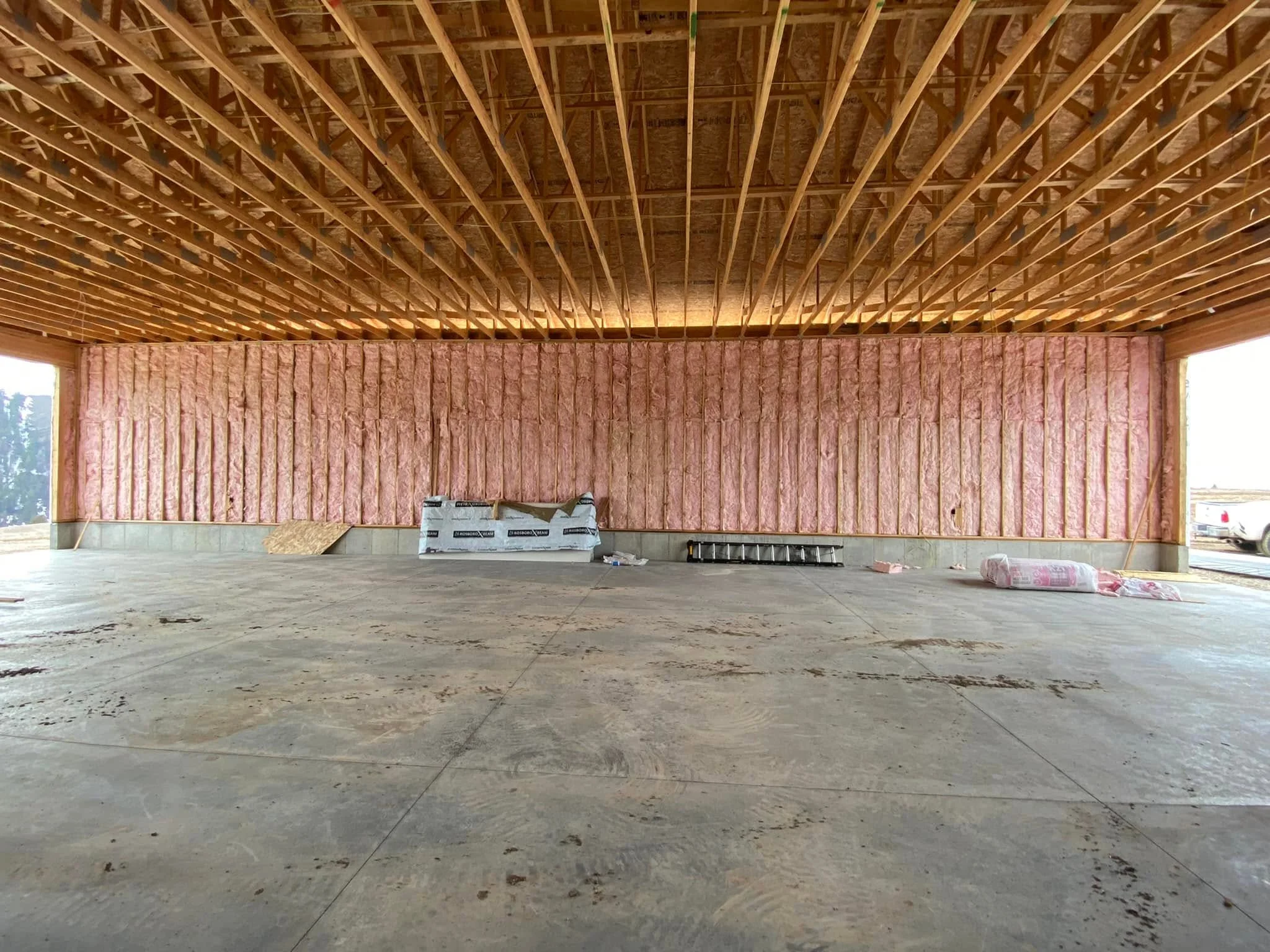
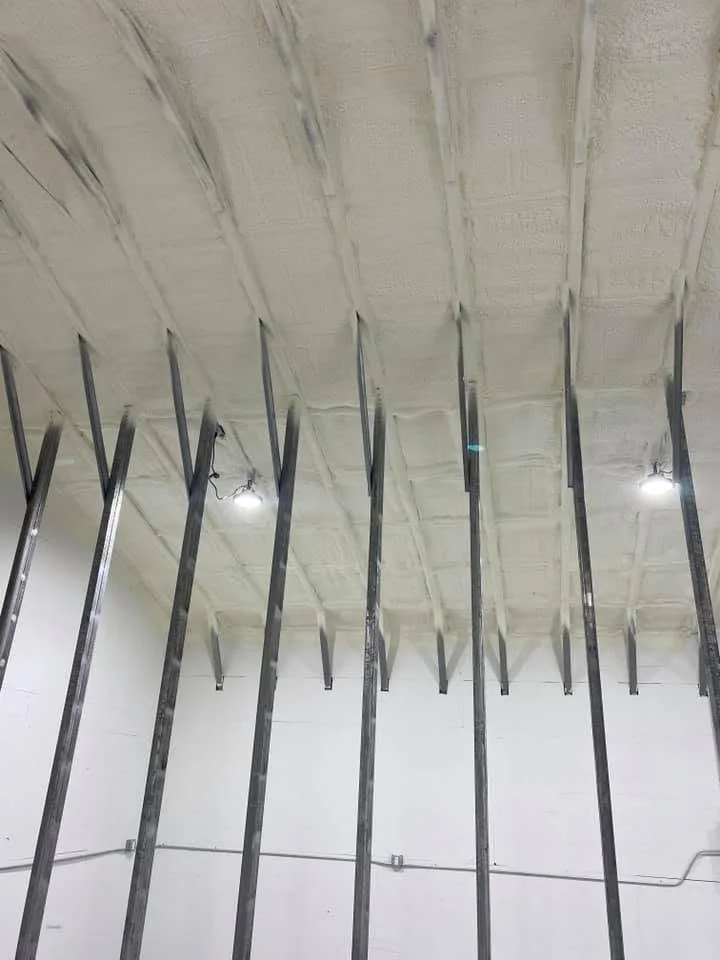
Barns face some of the widest temperature swings of any structure on a property, and that fluctuation puts direct pressure on animal comfort, feed quality, and energy costs. Spray foam temperature control has become one of the most reliable ways to keep barn interiors stable through harsh winters and hot summers alike. Unlike traditional batt or blown-in materials, spray foam seals gaps as it insulates, which is why more owners researching spray foam insulation for barns treat it as a first option rather than an afterthought. For a broader look at how foam performs across farm structures, this breakdown of protecting agricultural buildings from extreme temperature swings covers the underlying building science in more detail.
TL;DR
Closed-cell spray foam gives the highest R-value per inch and the best moisture resistance, which suits livestock barns.
Open-cell spray foam costs less and works well for interior partitions and low-moisture storage areas.
Air sealing matters as much as R-value, since uncontrolled leaks undercut even a high R-value assembly.
Ventilation is still required after insulating; foam controls air leakage, it does not replace planned air exchange.
Barn usage and regional climate should decide which foam type goes where, not a single blanket choice.
Why Temperature Control Matters in Barns
Wide temperature swings inside a barn create real operational problems. Livestock lose energy trying to regulate their own body heat, feed and hay are more prone to condensation damage, and equipment stored in unconditioned space wears down faster in extreme cold. Solid barn insulation reduces how hard a structure has to work against the outside climate, which in turn lowers reliance on supplemental heating or mechanical cooling. Spray foam approaches this differently than fiberglass or mineral wool because it expands to fill irregular cavities and seals air leaks in the same step, rather than requiring a separate air barrier.
Open Cell vs Closed Cell: Performance Comparison
Insulation Type
R-Value per Inch
Air Sealing
Moisture Resistance
Durability in Barns
Open Cell Spray Foam
3.5 – 3.8
High
Moderate
15–20 years
Closed Cell Spray Foam
6.0 – 7.0
Very High
High
20+ years
Fiberglass Batt
2.9 – 3.8
Low
Low
10–15 years
Mineral Wool
3.1 – 3.4
Low
Moderate
20+ years
Blown-in Cellulose
3.2 – 3.8
Moderate
Low
10–15 years
Closed-cell foam is the denser of the two options and doubles as a vapor barrier, which is why it tends to be the default for livestock barn insulation in high-moisture or extreme-climate regions. Open-cell foam is lighter and more affordable, and it still air-seals effectively, so it’s a reasonable fit for interior partitions or storage barns that don’t carry the same moisture load as animal housing.
Key Technical Data for Agricultural Applications
Specification
Open Cell
Closed Cell
R-Value per Inch
3.5 – 3.8
6.0 – 7.0
Vapor Permeance
10+ perms (permeable)
Under 1 perm (impermeable)
Density
0.5 lb/ft³
2 lb/ft³
Typical Barn Application Thickness
5–7 inches
3–4 inches
Temperature Operating Range
-40°F to 180°F
-40°F to 200°F
Matching foam type to the specific building matters more than chasing the highest R-value across the board. A contractor familiar with regional codes and climate demands, such as through dedicated agricultural insulation services, can help translate these specs into an actual thickness and material choice for a given barn’s layout and animal density.
Practical Considerations Before Choosing Spray Foam
Barn Usage: Animal housing benefits more from closed cell for moisture control, while storage barns can often use open cell for lower cost.
Ventilation Design: Because spray foam reduces uncontrolled air leaks, planned mechanical or passive ventilation becomes more important, not less.
Regional Climate: In cold, dry regions, closed cell performs well against wind-driven snow and sustained subfreezing temperatures.
Long-Term Maintenance: Correct application can eliminate the need for repeated insulation replacement, though exposed foam should be protected from contact with livestock and equipment.
In barns with elevated ammonia levels from animal waste, a protective coating over the foam can extend its usable life. Consider protective coatings over foam to extend lifespan.
How to Choose the Right Spray Foam for Barn Temperature Control
Assess barn usage and moisture load. Animal housing, feed storage, and equipment bays each carry different humidity and cleaning-chemical exposure.
Compare open cell and closed cell for your climate. Cold, wind-driven regions generally favor closed cell; interior partitions in low-moisture areas can use open cell.
Calculate the thickness needed for your target R-value, using the technical data above as a starting reference.
Plan ventilation alongside the insulation project, not after it, since a tighter building envelope changes how humidity moves through the space.
Time the application around animal occupancy, allowing full cure time before livestock re-enter the barn.
Summary
Spray foam offers dependable spray foam temperature control in barns through high thermal resistance, strong air sealing, and moisture management. Closed-cell options suit high-moisture, extreme-climate barns, while open-cell works well for interior partitions and lower-moisture zones. Getting the ventilation plan and application timing right matters as much as the R-value on paper.
Frequently Asked Questions
Does spray foam stop condensation in barns?
Closed-cell spray foam significantly reduces condensation by keeping warm, moist air from contacting cold barn surfaces.
Will spray foam harm livestock?
Once fully cured, spray foam is inert. Allowing proper curing time before animals re-enter the space is still important.
Is ventilation still needed after installing spray foam?
Yes. Mechanical or passive ventilation is still required to manage humidity and air quality, since foam controls air leakage rather than airflow.
How long does spray foam insulation last in barns?
Properly applied spray foam typically performs for two decades or more without significant degradation.
Can spray foam be repaired if damaged?
Small areas can be patched with new foam, though damaged sections should be inspected for underlying moisture or structural issues first.
Does spray foam deter pests in barns?
It isn’t a food source for pests, but it doesn’t guarantee against nesting on its own; proper sealing around penetrations still matters.
Can spray foam be applied in cold weather?
Yes, with the right equipment and temperature-controlled material storage, application can happen during colder months.
For a closer look at how foam performs in fully exposed agricultural structures, this related piece on how spray foam handles severe weather in pole barns is worth reading alongside this guide.
I’m Skeeter Aimone, owner of High Country Solutions in Alpine, Wyoming, leading the company since 2019. I focus on quality installation, building science, and insulation solutions suited to harsh Wyoming and eastern Idaho conditions.