Spray Foam Insulation for Pole Barns: Benefits and R-Value in Harsh Climates
Skeeter Aimone
August 1st, 2025
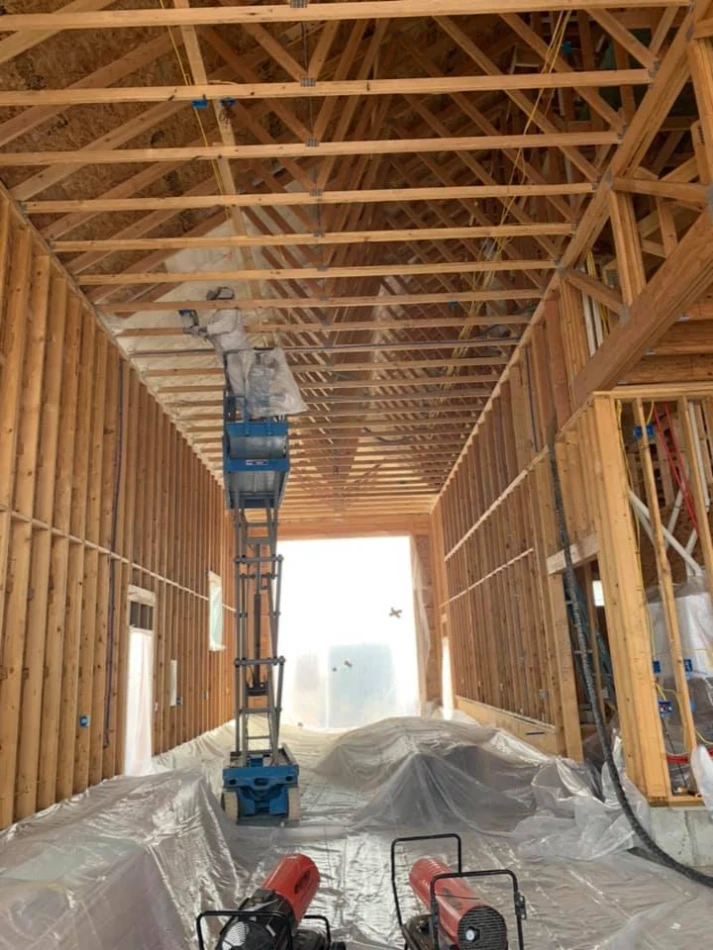
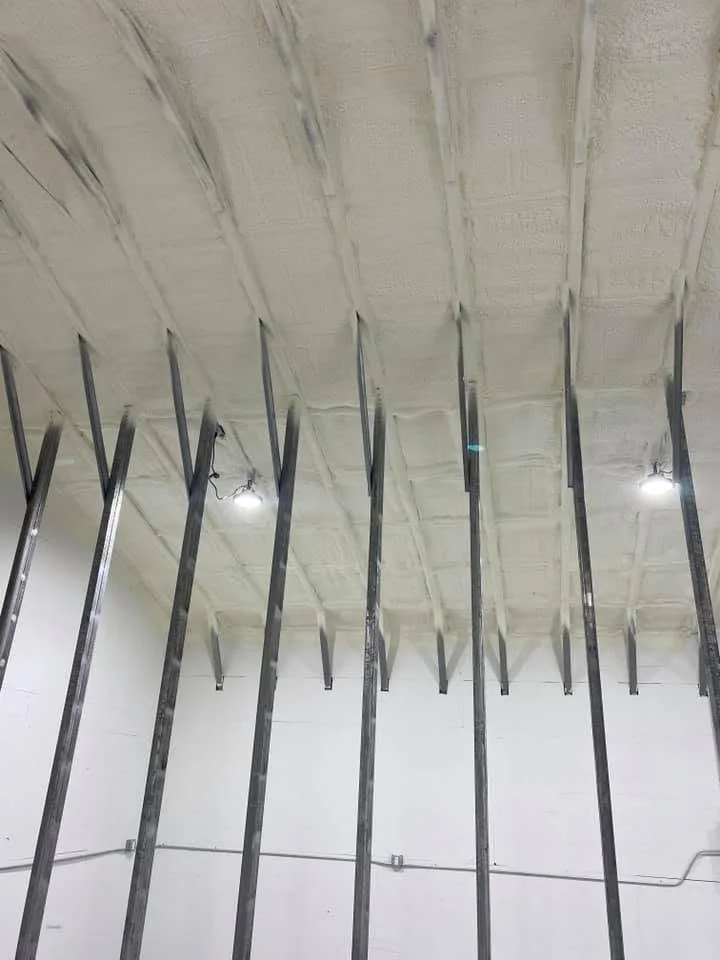
Pole barns take a beating from weather that most buildings never see. Open framing, exposed metal siding, and minimal HVAC make temperature swings, condensation, and wind infiltration constant problems. Spray foam insulation for pole barns solves these issues by combining an air barrier and a thermal barrier in a single application, which is why it has become a standard choice for agricultural and industrial buildings across mountain regions. For a wider view of how this material holds up across different building types, this breakdown of long-term spray foam performance covers the full picture, from new builds to retrofits.
TL;DR
Spray foam insulation for pole barns seals air leaks and adds thermal resistance in one step, unlike batts or blown-in materials
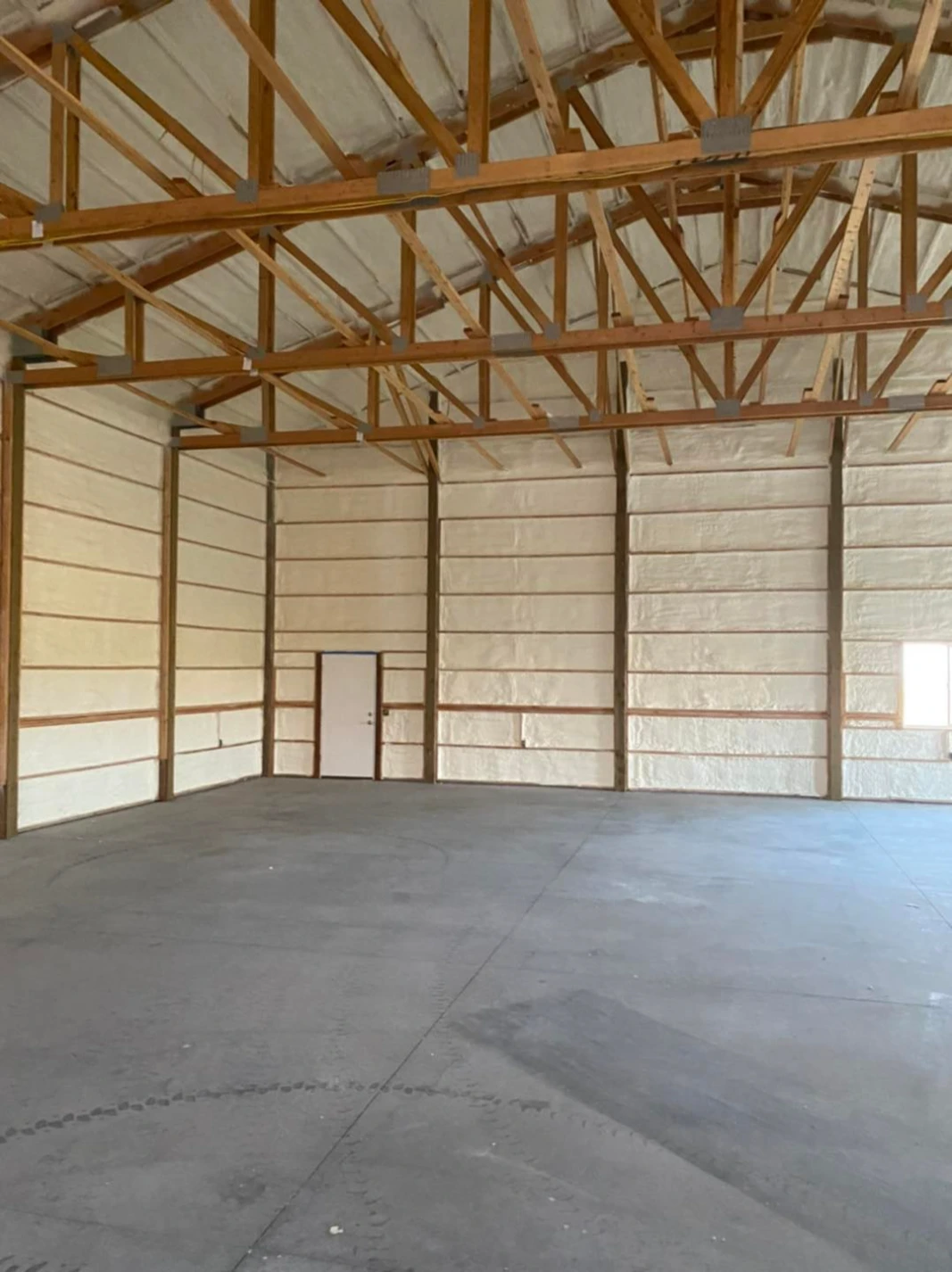
Closed-cell spray foam pole barn applications deliver a higher R-value per inch and double as a vapor barrier
Air sealing pole barn structures reduces interior condensation, protecting feed, equipment, and livestock housed inside
Pricing depends on square footage, foam type, and climate zone, so an on-site evaluation is the most reliable way to plan a project
How Spray Foam Performs in Severe Climates
Air Sealing and Moisture Control
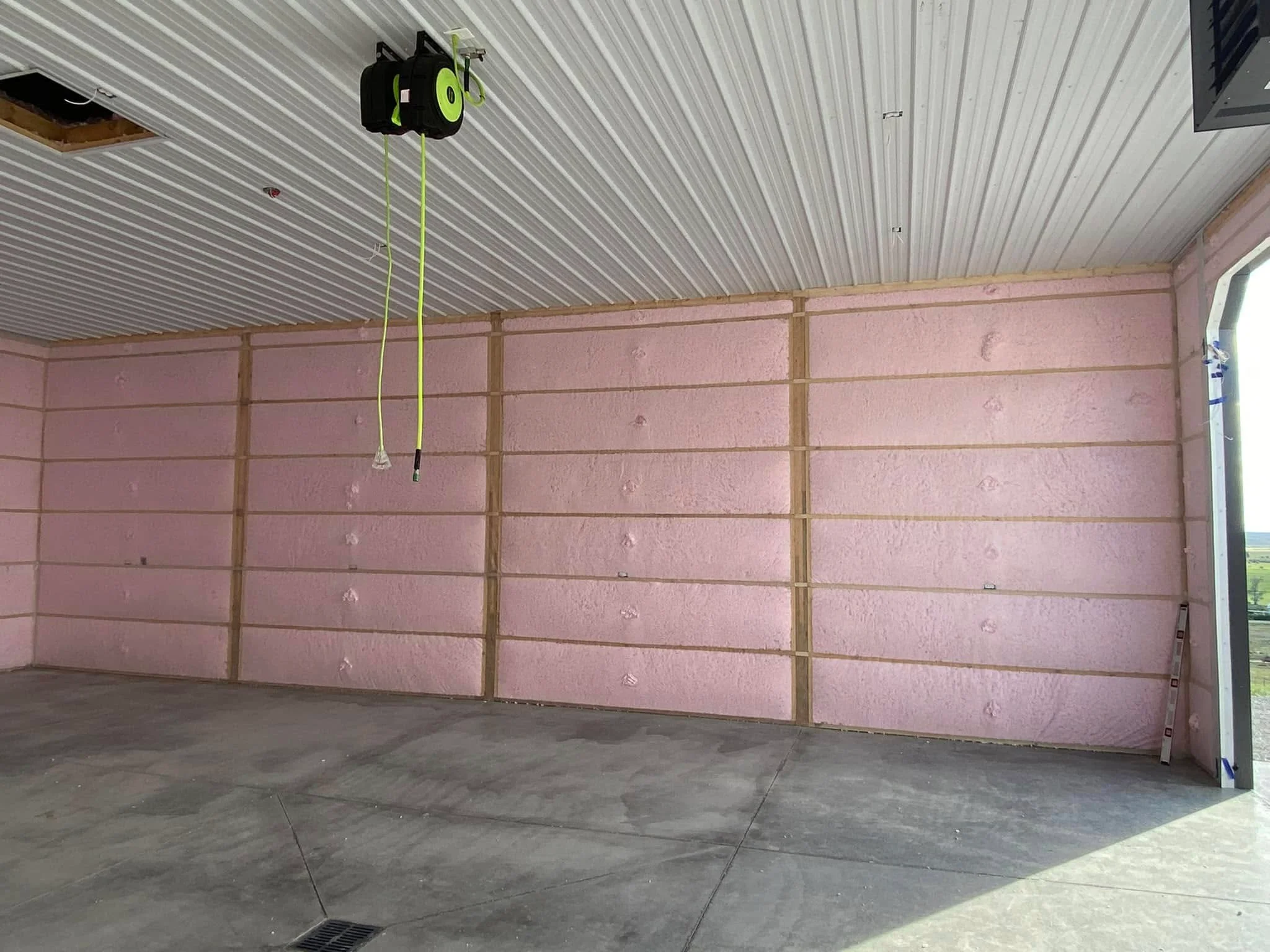
Air infiltration undermines almost any insulation method. Spray foam for pole barn walls creates a continuous air barrier that limits cold drafts, dust, and moisture entry. Pole barns are often vented and experience large temperature swings between interior and exterior surfaces, so this control matters more here than in a conventional home. Reducing air movement through the wall assembly directly cuts interior condensation and the microbial growth that follows it.
For buildings used to store feed, machinery, or house livestock, better moisture resistance also means a longer service life for both the structure and whatever is stored inside it.
R-Value and Temperature Stability
Pole barn insulation R-value is the number most owners ask about first, and it is a fair place to start. R-value measures resistance to heat flow, and closed-cell spray foam pole barn applications deliver a high R-value per inch while also functioning as a vapor barrier. That dual role limits thermal bridging through the metal framing common in pole barn construction, keeping interior temperatures more stable regardless of what is happening outside.
Insulation Type Comparison
Insulation Type
R-Value per Inch
Air Barrier
Vapor Barrier
Moisture Resistance
Adds Structural Strength
Closed Cell Spray Foam
6.5 to 7.0
Yes
Yes
High
Yes
Open Cell Spray Foam
3.5 to 3.8
Yes
No
Moderate
No
Fiberglass Batts
2.9 to 3.8
No
No
Low
No
Blown-In Cellulose
3.2 to 3.8
No
No
Low
No
Long-Term Energy and Structural Benefits
Energy Efficiency
Independent building science research has found that spray foam applications can meaningfully cut energy loss compared to traditional insulation materials. In pole barns, where HVAC equipment is often minimal or absent entirely, that retained energy translates directly into a more usable interior and less strain on whatever heating equipment is present. The sealing and insulating guidance published by ENERGY STAR outlines why pairing air sealing with high R-value material consistently outperforms insulation-only approaches, a principle that applies just as much to outbuildings as it does to houses.
Structural Reinforcement
Spray foam pole barn insulation using closed-cell material increases shear and racking strength when applied between framing members, which makes pole barns more resistant to wind stress and snow loads common in northern and high-elevation regions. In areas with frequent freeze-thaw cycles, this same property also reduces expansion-contraction damage in wall systems over time.
Choosing the Right Type for Your Pole Barn
Insulation Options Compared
Criteria
Closed Cell Spray Foam
Open Cell Spray Foam
Blown-In Insulation
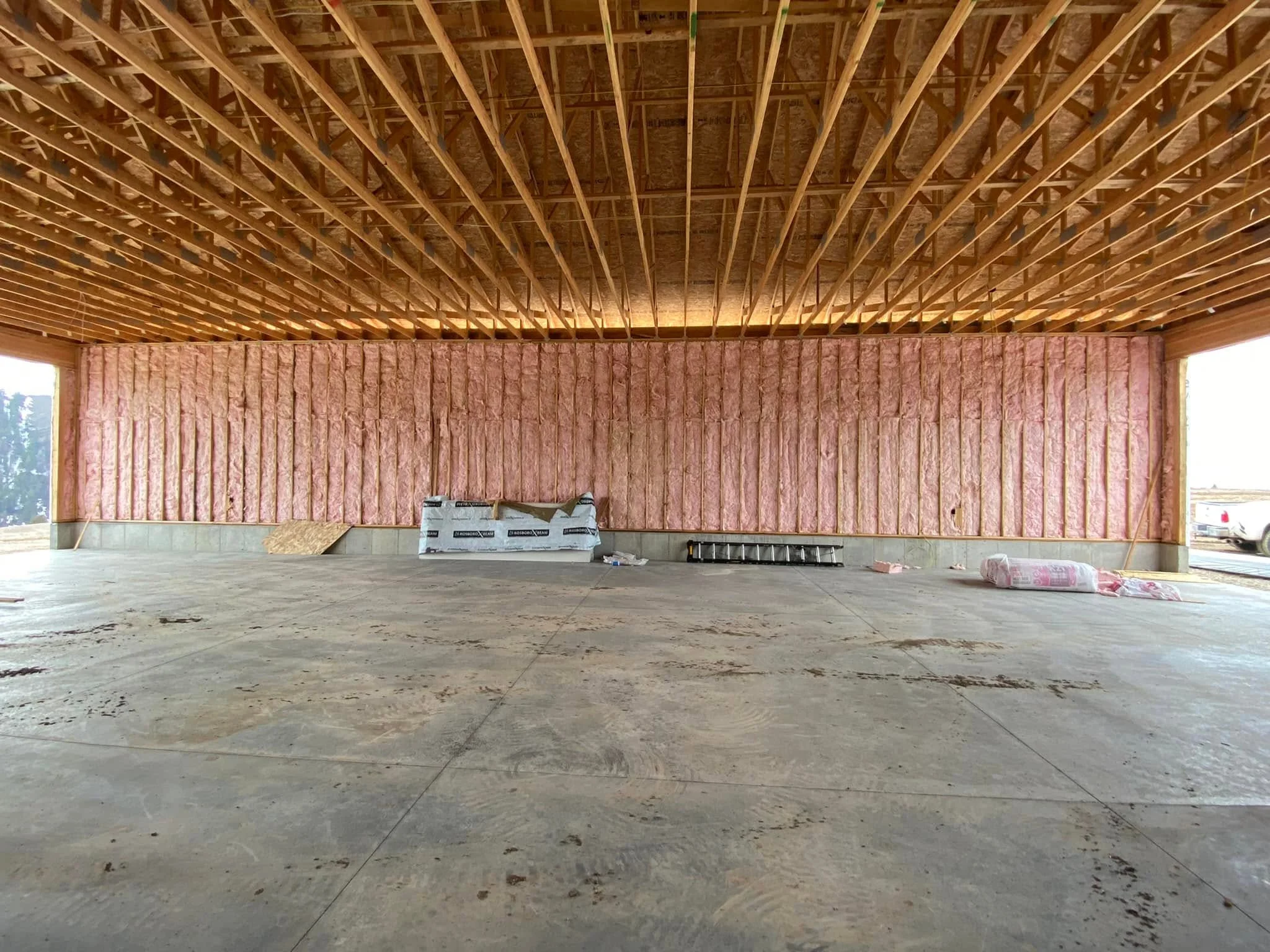
Fiberglass Batts
Suitable for Extreme Cold
Yes
Limited
No
No
Moisture Protection
Excellent
Moderate
Poor
Poor
Durability in Farm Use
High
Moderate
Low
Low
Rodent Resistance
High
Moderate
Low
Low
Initial Application Cost
Higher
Moderate
Lower
Lower
Before committing to a material, it helps to review a few building-specific factors:
Building use: storage, livestock housing, or a working shop each have different insulation priorities
Ventilation system: spray foam changes airflow patterns, so plan for controlled ventilation afterward
Wall structure: closed-cell foam adds rigidity, so confirm the frame can accommodate foam expansion
Climate load: average winter lows, humidity, and precipitation patterns should guide the material choice
In wildfire-prone areas, closed-cell spray foam’s Class 1 fire rating offers an added layer of risk reduction worth factoring into the decision. Teams that handle agricultural insulation projects regularly weigh these same factors when matching foam type to a barn’s specific climate exposure and use case.
How to Insulate a Pole Barn with Spray Foam
Assess the building and climate load: A contractor evaluates wall structure, ventilation, and local climate data to determine whether open-cell, closed-cell, or a hybrid approach fits best.
Address existing moisture issues: Any pre-existing leaks or moisture intrusion should be resolved before application, since spray foam will seal in problems that are not fixed first.
Select the foam type and thickness: Cold zones typically call for 2 to 3 inches of closed-cell foam on walls, with roof deck thickness adjusted for climate and code requirements.
Apply the spray foam: A licensed applicator sprays the foam in controlled lifts, letting each layer expand and cure before the next pass.
Inspect and plan ventilation: Once cured, the installer checks coverage and confirms a ventilation plan that accounts for the new air barrier.
Technical resources from the Spray Polyurethane Foam Alliance back this sequence, noting that skipping the moisture-assessment step is one of the most common causes of underperformance in field installations.
Applications for Harsh Climate Pole Barns
Pole barn projects built for climate resilience generally combine a few core elements: closed-cell foam for high R-value walls exposed to freeze-thaw cycles and wind, open-cell foam for interior partitions or barns in milder areas, air sealing to close drafts and moisture pathways, and insulation plans customized for equipment sheds and livestock enclosures rather than treated as a one-size-fits-all install. Builders taking on new cold-climate projects may find this look at spray foam contractor partnerships useful for planning, since it walks through how foam type gets matched to a build from the ground up.
Key Takeaways for Harsh Climate Insulation
Spray foam insulation for pole barns is well suited to extreme climates. Pole barn spray foam insulation using closed-cell material offers superior thermal and moisture resistance, while open-cell remains a reasonable option for interior partitions or milder conditions. Beyond raw pole barn insulation R-value numbers, the right choice comes down to structural durability, energy loss reduction, and condensation control matched to a building’s specific environment.
Frequently Asked Questions
How long does spray foam last in a pole barn?
Properly applied foam can last 30 to 50 years without a meaningful drop in performance.
Does it require maintenance?
Very little. Annual checks for impact damage or UV exposure near openings are recommended.
Can animals chew through spray foam?
Closed-cell foam resists pests better than batt insulation, though exposed areas in high-traffic zones should be covered with a protective facing.
Will spray foam reduce noise inside the barn?
Yes. Both open- and closed-cell foam reduce airborne sound transfer, with open-cell performing slightly better for sound absorption.
Can spray foam be combined with other insulation types?
Yes. Hybrid systems use foam for air sealing and pair it with another material to meet code or budget targets.
What R-value should a pole barn wall target in cold climates?
Most cold-climate pole barn walls aim for R-19 to R-24 using 3 to 4 inches of closed-cell foam, though the exact target depends on local code and climate zone.
I’m Skeeter Aimone, owner of High Country Solutions in Alpine, Wyoming, leading the company since 2019. I focus on quality installation, building science, and insulation solutions suited to harsh Wyoming and eastern Idaho conditions.