What Problems Can Mineral Wool Insulation Help Solve in Residential Buildings?
Quick answer: The main benefits of mineral wool insulation in a house come down to five problems: rooms that lose…


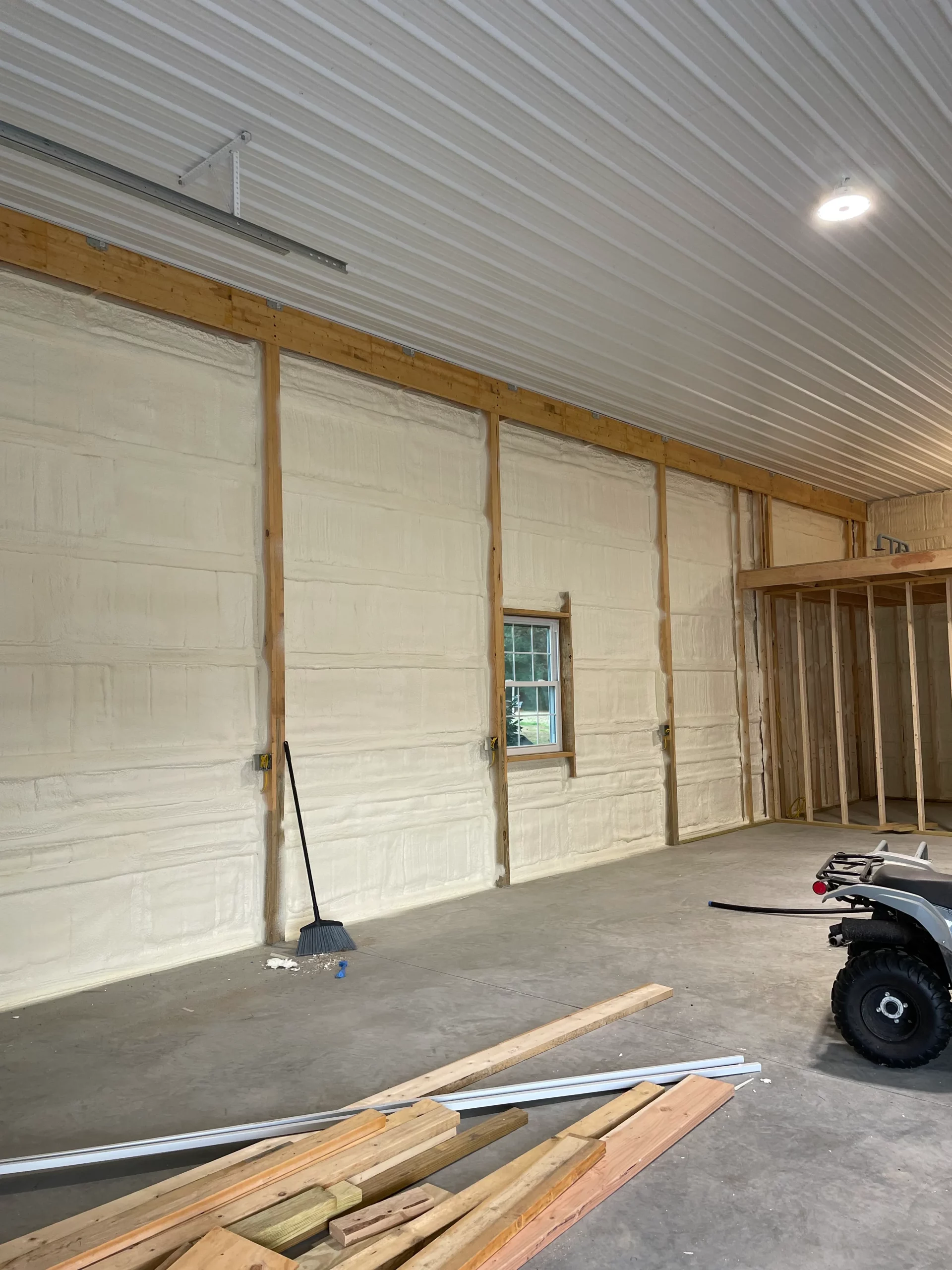
Builders in Driggs, ID operate in one of the most demanding cold-climate environments in the continental United States. With winter temperatures regularly dropping well below zero and heating seasons that stretch for six months or longer, the building envelope is not just a feature of your homes; it is the single largest factor in how those homes perform, feel, and hold their value over time. Partnering with a dedicated spray foam contractor gives your builds an advantage that traditional insulation methods simply cannot match in this climate zone, delivering lasting spray foam insulation protection against heat loss, air leakage, and moisture intrusion. The right spray foam partner handles air sealing, thermal resistance, and moisture management in a single application, which means fewer callbacks, stronger code compliance, and homes that stand apart in a competitive mountain town market.
Teton Valley sits at roughly 6,000 feet in elevation, surrounded by mountain ranges that funnel cold air into the valley floor throughout the winter. Heating degree days in this region are among the highest in Idaho, meaning the building envelope faces sustained thermal stress for a large portion of the year. The Wikipedia entry on building insulation materials notes that insulation selection depends heavily on the average climate conditions of the geographical area where the building is located, and Driggs presents conditions that demand insulation performing at or near its rated capacity month after month.
Standard fiberglass batts or blown cellulose can achieve the required R-values on paper, but both leave gaps, compression points, and air pathways that undermine real-world performance. In a climate where 40% of a home’s energy can be lost through air infiltration in walls, windows, and doorways, as spray foam research cited on Wikipedia references from US Department of Energy studies, the air sealing function becomes just as important as the thermal rating. Spray foam expands into every crack, gap, and penetration during installation, creating a custom airtight envelope that traditional materials cannot replicate.
Beyond thermal performance, moisture management is a serious concern. In cold climates, warm interior air pushing outward through wall assemblies can condense on cold surfaces inside the cavity, creating conditions for mold, mildew, and wood rot. The choice of insulation directly affects how moisture moves through the building enclosure, and getting that wrong in a high-elevation cold climate leads to expensive problems that surface years after the build is complete. Choosing the best insulation for Driggs, ID homes helps create a building envelope that effectively manages both heat transfer and moisture.
Not all spray foam is the same, and understanding the difference between open-cell and closed-cell formulations helps builders make informed decisions for specific assemblies. A recent article from Building Enclosure Online emphasizes that the building itself should determine the product selection, not product preference or price alone. Climate, vapor drive, cavity depth, and moisture exposure all influence which type performs best in a given application.
Closed-cell spray foam is the higher-density option, with an R-value that ranges from 5.1 to 6 per inch according to Wikipedia. It is rigid, non-porous, and acts as both an air barrier and a vapor barrier when installed at the minimum required thickness of approximately 50mm. In Driggs-area builds, closed-cell foam is typically the better choice for:
Closed-cell foam also adds structural strength to the assembly, which can be a benefit in areas subject to high wind loads or seismic activity.
Open-cell spray foam has a lower density and a sponge-like structure, with an R-value of approximately 3.7 to 3.8 per inch per Wikipedia’s building insulation materials reference. It expands significantly during application and fills cavities thoroughly, creating an effective air seal when properly installed at 5.5 inches or more. Open-cell foam is vapor permeable, which can be an advantage in mixed climates where assemblies need drying potential, but it is less commonly recommended as the primary insulation in extreme cold zones like Driggs. For these demanding conditions, construction spray foam in Driggs, ID provides a more reliable solution for new builds requiring high thermal performance and moisture control.
That said, open-cell foam can work well in interior partition walls, bonus rooms over garages where sound reduction is a priority, and certain attic assemblies where a separate vapor barrier is already specified in the design. It also costs less per board foot than closed-cell, which matters on projects where insulation budget is a specific line item.
| Factor | Closed-Cell Foam | Open-Cell Foam |
|---|---|---|
| R-Value Per Inch | 5.1 to 6.0 | 3.7 to 3.8 |
| Vapor Barrier | Yes, at minimum thickness | No, vapor permeable |
| Air Barrier | Yes | Yes, at 5.5 inches or more |
| Density | Higher (rigid) | Lower (flexible) |
| Structural Reinforcement | Yes | Minimal |
| Sound Dampening | Moderate | Strong |
| Best Driggs Applications | Rim joists, crawl spaces, exterior walls | Interior partitions, sound walls, select attics |
The practical benefits of working with a spray foam contractor extend well beyond the insulation itself. When you bring a specialist into your build timeline, the effects show up across scheduling, quality control, trade coordination, and code compliance.
Faster enclosure completion. Spray foam is applied in a single pass and cures quickly, which means walls and ceilings are insulated and air sealed in one step. There is no need for separate air sealing crews, house wrap on certain assemblies, or additional vapor barrier installations when using closed-cell foam in crawl spaces and rim joists. This compresses the insulation phase of the build by days compared to multi-step traditional insulation methods.
Fewer callbacks and warranty claims. Air leakage and condensation are among the most common sources of building performance complaints in cold climates. Spray foam eliminates the gaps, voids, and compression issues that lead to cold spots, ice damming, and moisture damage. By addressing air sealing and insulation simultaneously, you reduce the likelihood of post-occupancy problems that generate costly service calls.
Cleaner job sites. Unlike fiberglass batts or blown cellulose, spray foam does not generate dust, loose particles, or offcuts that require cleanup. The material adheres to substrates and stays in place. For builders working in tight subdivisions or remodels near occupied homes, this is a real operational advantage.
Code compliance confidence. Idaho’s adoption of the International Energy Conservation Code means your builds must meet specific insulation and air sealing requirements. Spray foam, particularly closed-cell, meets or exceeds those requirements with less material in many assemblies. A qualified spray foam contractor understands local code requirements and can provide documentation that simplifies inspections.
Simplified HVAC sizing. Because spray foam creates such a tight building envelope, HVAC systems can often be downsized compared to what would be required for a home insulated with traditional materials. This is a conversation worth having with your HVAC contractor early in the design phase. Smaller equipment means lower upfront costs for you and lower operating costs for the homeowner.
The EPA’s archived guidance on spray polyurethane foam describes SPF as a two-component chemical reaction involving isocyanates and polyol resins. During application, the material generates heat through an exothermic reaction and emits aerosols and vapors that require proper personal protective equipment for anyone in the application area. Once cured, spray foam is inert and non-toxic, but the installation phase demands trained professionals who understand the chemical handling requirements.
This is one of the strongest arguments for partnering with a dedicated spray foam contractor rather than attempting to add spray foam work to your general crew. Trained installers understand substrate temperature requirements, mixing ratios, lift thickness limitations, ventilation needs during curing, and the specific personal protective equipment required by OSHA standards. These details directly affect both the safety of the workers on site and the long-term performance of the insulation in the wall or ceiling cavity.
As the Building Enclosure Online article points out, substrate conditions, temperature, humidity, equipment calibration, lift thickness, mixing ratios, and installer experience all affect the final result. Two projects can use the same product and deliver very different outcomes. Choosing the right contractor is part of the performance decision.
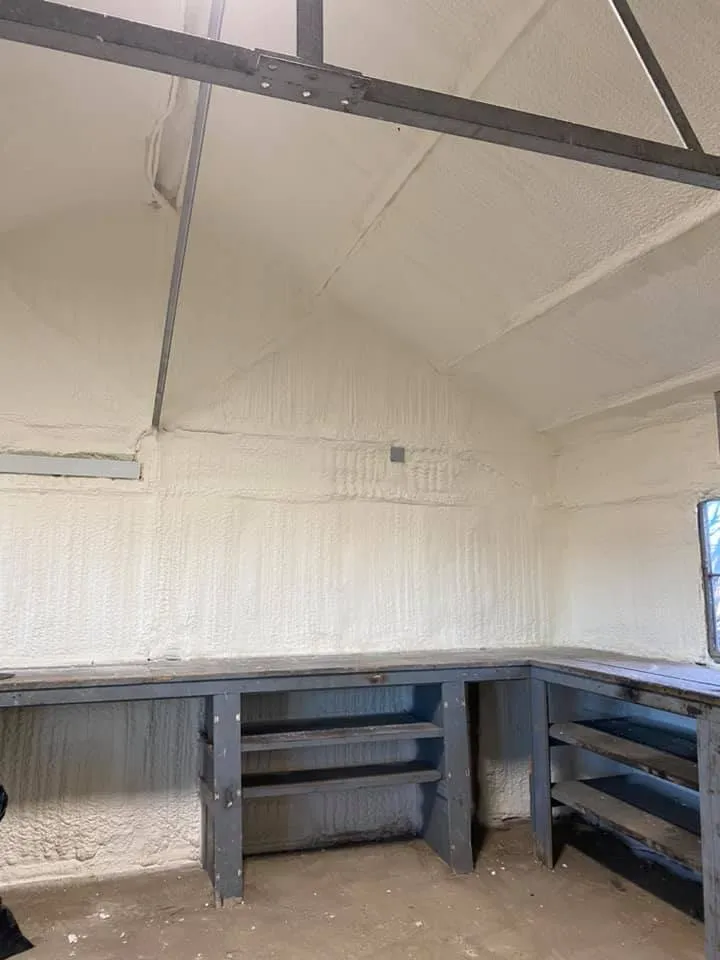
Different builders in the Driggs area will find different values in a spray foam partnership depending on their project types and business models.
Custom home builders working on high-end mountain properties benefit most from the full performance advantage spray foam delivers. These clients expect superior comfort, lower energy bills, and homes built to last. Spray foam supports premium positioning and helps justify higher per-square-foot pricing.
Production builders constructing multiple homes per year gain efficiency advantages from standardized spray foam applications. When your crews do not have to coordinate air sealing as a separate trade, your build cycle becomes more predictable. Spray foam also reduces variability between units, meaning every home in a subdivision performs consistently.
Remodelers and renovation contractors working on existing Driggs homes can use spray foam in retrofit applications, particularly in attics, crawl spaces, and rim joists where access is limited. Spray foam adheres to irregular surfaces and existing framing without the tear-out required for batt insulation in finished cavities.
Commercial builders constructing multifamily, office, or mixed-use buildings in the Teton Valley benefit from the structural reinforcement of closed-cell foam in addition to its thermal and air sealing properties. Commercial projects also face stricter air leakage testing requirements under modern energy codes, and spray foam helps meet those targets more reliably.
Not every spray foam installer operates at the same level. Here are indicators that you are working with a contractor who will deliver results on your Driggs builds:
High Country Solutions brings dedicated spray foam insulation expertise to builders and contractors across the Driggs, ID area. Our team handles the insulation phase of your build with trained professionals who understand cold-climate building science, code compliance, and the specific demands of constructing homes and buildings at elevation in Teton Valley. We work with your schedule, your assemblies, and your performance goals to deliver results that show up in lower energy bills, fewer callbacks, and homes that perform as designed.
Contact us at [email protected] or call (307) 248-9063 to discuss your next project.
📋 Request a Quote 🏗️ Schedule a Consultation
Yes, spray foam can be retrofitted into existing wall cavities, attics, and crawl spaces through drilled access holes, making it effective for renovation projects where removing drywall is not practical.
Closed-cell spray foam at the proper thickness serves as both an air barrier and vapor barrier, eliminating the need for a separate vapor retarder in those assemblies. Open-cell foam does not, so additional vapor management may be needed.
Spray foam provides higher R-value per inch and simultaneously air seals the building envelope, whereas fiberglass batts leave gaps and do not block air movement. Buildings with spray foam can insulate up to 50% better than those with traditional insulation.
Spray foam typically cures within hours and compresses the insulation and air sealing phases into a single step, which often reduces overall build time compared to coordinating multiple insulation and air sealing trades.
Once fully cured, spray foam is inert and non-toxic. The installation phase requires proper protective equipment due to isocyanate exposure, which is why trained professional installers are essential.