

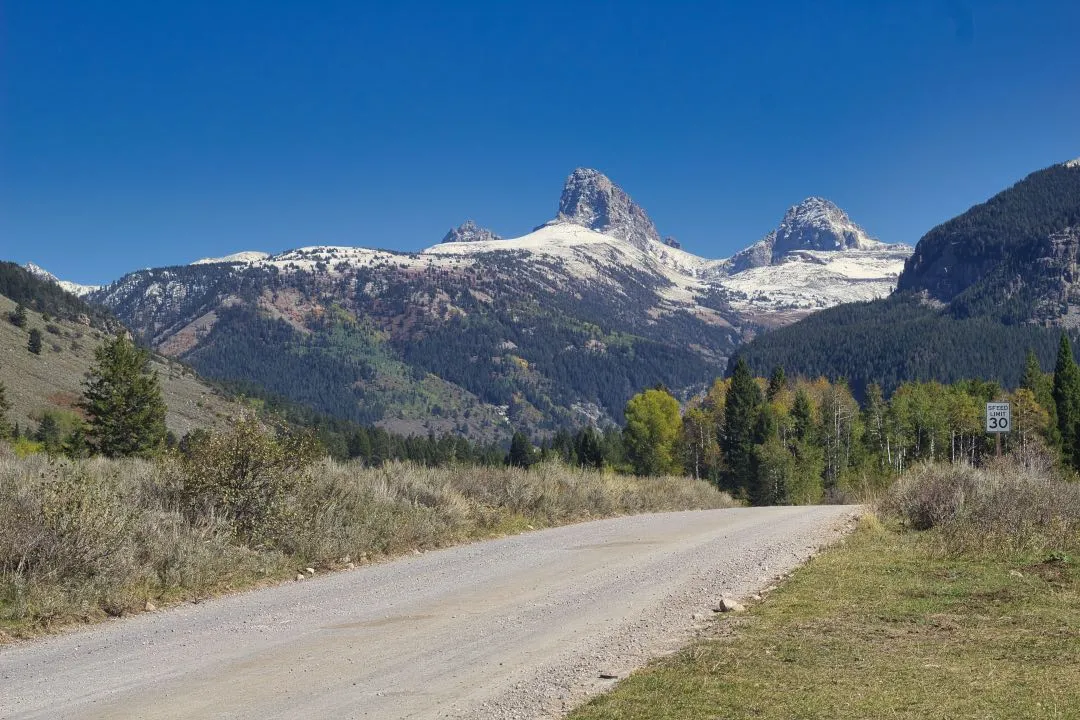
Nestled at the base of the majestic Teton Range in Teton Valley, Driggs is a small but vibrant city that serves as the seat of Teton County, Idaho. With a population of around 2,000 residents, the town is known for its stunning mountain views, outdoor recreation, and a strong sense of community. Driggs attracts visitors and new residents alike with its proximity to world-class skiing at Grand Targhee Resort, excellent fly fishing on the Teton River, and miles of hiking and mountain biking trails. The town has a rich agricultural heritage and a growing arts and culture scene that includes the popular Driggs City Market and local galleries.
Winters in Driggs are cold and long, with temperatures regularly dipping below zero, while summers are short but pleasant. This dramatic seasonal swing makes proper insulation a real necessity for any home or building in the area. The local economy has shifted over the years from farming and ranching to a mix of tourism, construction, and small businesses, driving steady growth in new residential and commercial development across the valley.
Driggs sits in a high mountain valley where winter temperatures routinely plunge well below freezing, and heating costs can quickly spiral out of control. Builders and homeowners in this region need insulation that goes beyond the basics, and that is exactly what spray foam delivers. The right insulation choice during construction shapes the comfort, energy efficiency, and durability of a building for decades to come.
Our professionals bring years of experience working on construction insulation projects in Driggs, ID, and surrounding areas, understanding exactly how local climate conditions affect material performance and long-term results.
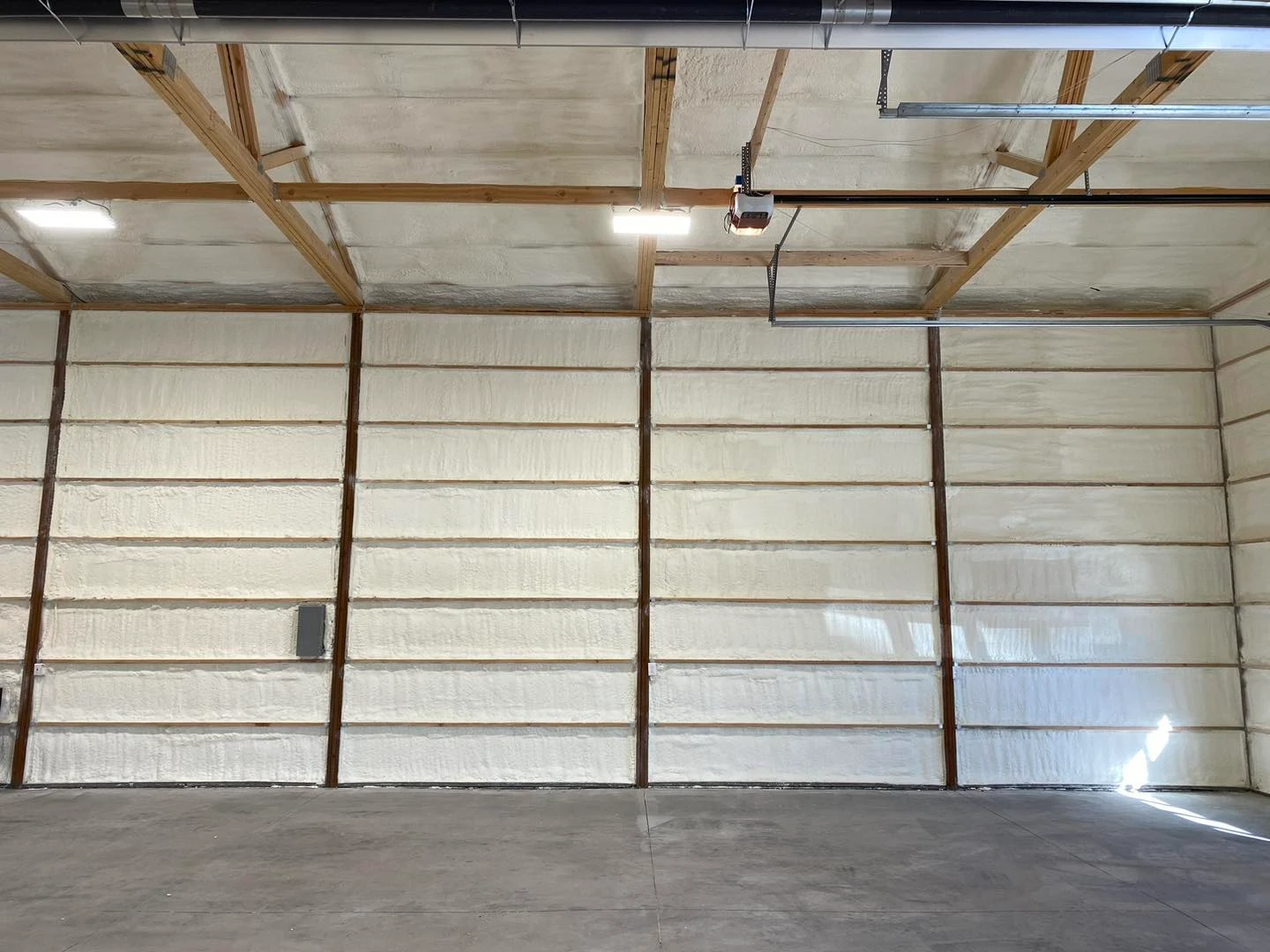
When it comes to spray foam for new construction, the advantages go far beyond what fiberglass or cellulose can offer. Spray foam expands to fill every gap, crack, and cavity in a wall or ceiling, creating an airtight seal that eliminates drafts and prevents moisture intrusion. According to the U.S. Department of Energy, air sealing a home with spray foam insulation can reduce energy costs by up to 50% compared to uninsulated or poorly insulated buildings.
Open-cell and closed-cell spray foam each serve different purposes on a job site. Closed-cell foam provides a higher R-value per inch and adds structural strength, while open-cell foam is ideal for sound dampening and interior wall applications. Our professionals assess each project and recommend the right product for the specific build.
Spray Foam Type | R-Value Per Inch | Best Application | Air Sealing |
Closed-Cell | 6.0 - 7.0 | Exterior walls, crawl spaces, and foundations | Excellent |
Open-Cell | 3.5 - 3.7 | Interior walls, attics, ceilings | Very Good |
Whether you are framing a custom mountain home in Teton Valley or putting up a multi-unit development on the edge of town, new construction insulation in Driggs, ID demands careful planning and precise installation. Poor insulation leads to ice dams in winter, uneven indoor temperatures, and skyrocketing utility bills that no homeowner wants to face. Getting insulation right the first time during the build phase saves thousands in retrofit costs down the road.
Our crew works directly with builders, architects, and project managers to insulate residential homes, commercial spaces, and mixed-use buildings throughout Driggs and the surrounding areas. Every project receives a thorough walkthrough and detailed insulation plan before any material goes on site.
A custom home builder in Driggs contracted us to insulate a 4,200-square-foot mountain lodge using closed-cell spray foam in the walls and open-cell in the vaulted ceilings. After the first full winter season, the homeowner reported a 45% reduction in heating costs compared to their previous similarly sized home with traditional fiberglass insulation.
Picking the right partner for your build project matters as much as the insulation material itself. Look for a contractor with proven experience in new construction rather than only retrofit work, since the techniques and staging requirements differ significantly. Verify that the company carries proper licensing and insurance for the state of Idaho and uses EPA-registered spray foam products.
Timing is another major factor. Spray foam insulation should be installed after rough plumbing and electrical are complete, but before drywall goes up. Coordination with other trades on the job site is essential, and experienced professionals know how to fit the insulation phase smoothly into the overall construction schedule.
Proper insulation is not an area to cut corners on your construction project. Contact High Country Solutions at (307) 248-9063 or email [email protected] to discuss your upcoming build and get a detailed insulation plan that fits your timeline and budget.
Most residential projects are completed within one to three days, depending on the square footage and complexity of the build.
Yes, once properly cured, spray foam is completely safe and does not off-gas or release harmful chemicals into the living space.
Closed-cell spray foam adds rigidity to wall assemblies and can increase the structural integrity of the building by up to 200%, according to some manufacturers.
Spray foam works well in both new builds and existing homes, though the installation process and access methods differ between the two scenarios.
Spray foam typically costs two to three times more upfront than fiberglass, but the energy savings and reduced air leakage often offset the higher initial investment within a few years.