Is Spray Foam Insulation a Good Choice for Homes in Cold and Changing Climates in Alpine, WY?
Yes, spray foam insulation is an excellent choice for homes in Alpine, WY, provided you choose the right material and…


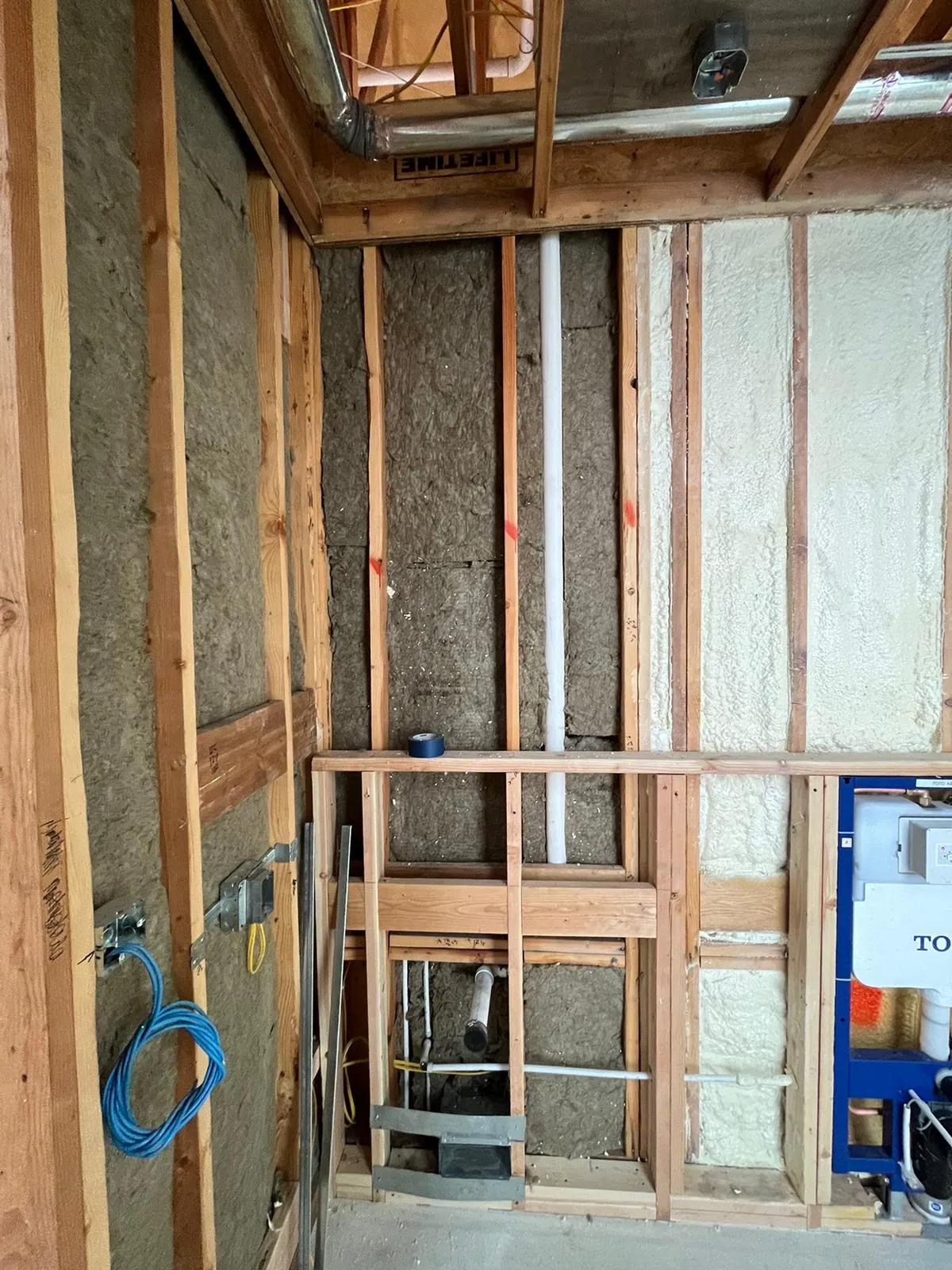
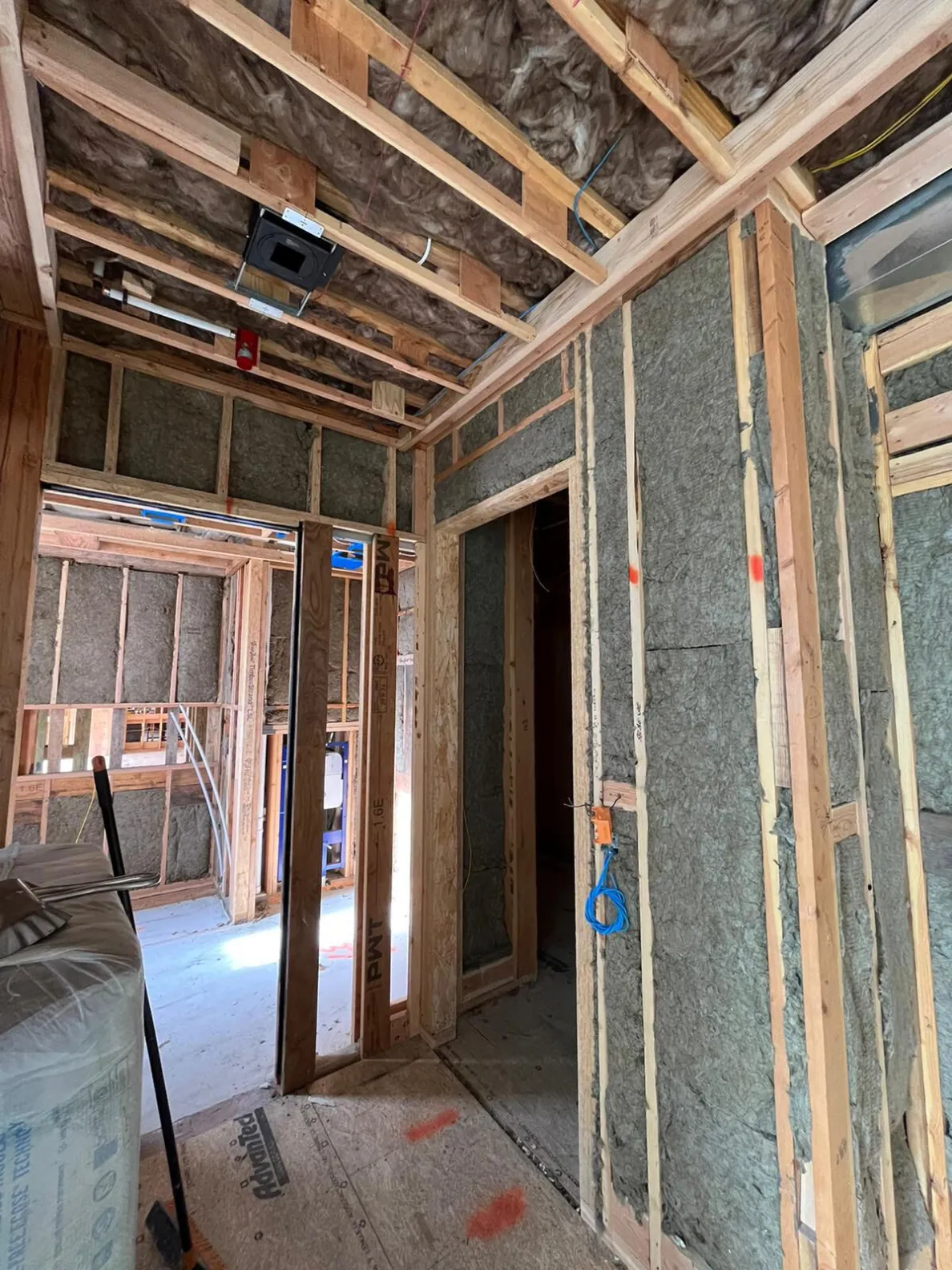
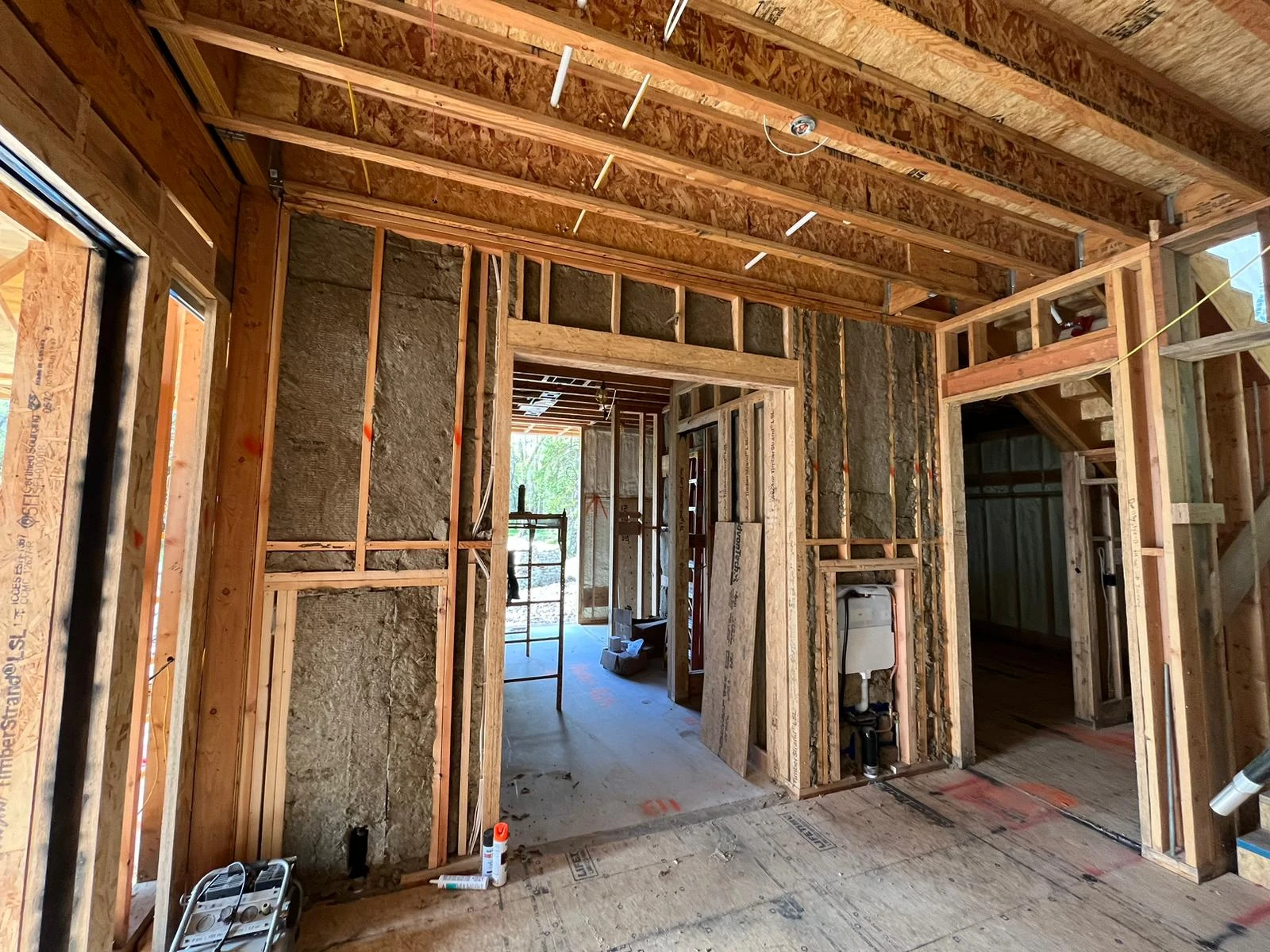
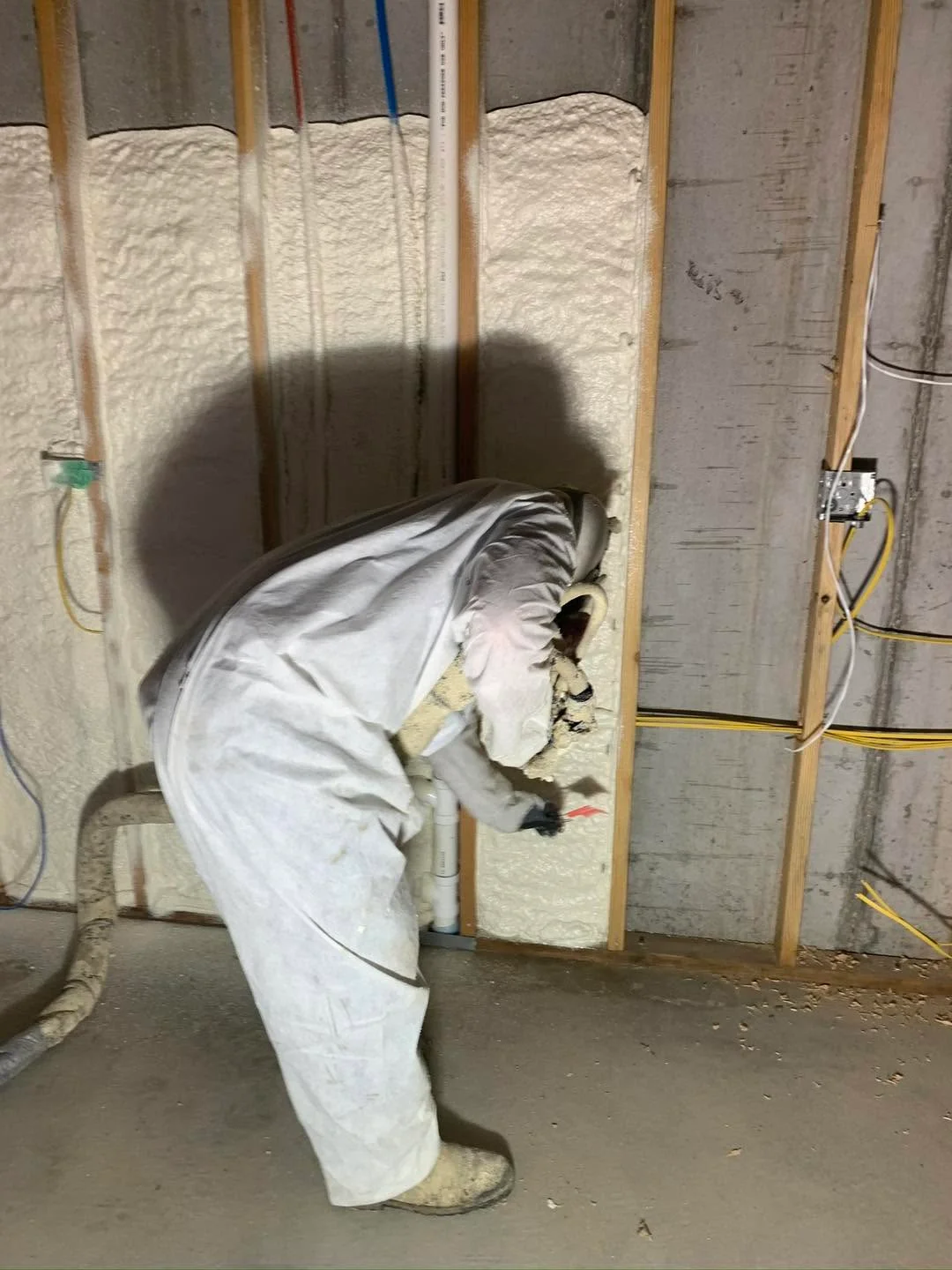
For homeowners in Driggs, Idaho, the right insulation choice depends on several factors: where in the home you are insulating, whether the project is new construction or a retrofit, and how much R-value you need for a climate that regularly drops below zero. Driggs sits in a high-elevation valley within Teton County, which the IECC Compliance Guide for Homes in Idaho classifies as Climate Zone 6, with local design criteria pushing some requirements even higher into Zone 7 territory. At these temperatures, the insulation materials that perform well in moderate climates may fall short. The most effective options for Driggs homes typically include a combination of spray foam for air sealing in targeted areas, fiberglass or mineral wool batts for wall cavities, and blown-in insulation for attics. No single insulation type is universally the right answer, but an insulation homeowner’s guide can help you understand how each option performs in cold, dry mountain conditions and make the right decision for every area of your home.
Driggs sits at roughly 6,200 feet in elevation in the Teton Valley. Winter temperatures routinely fall well below zero, and the heating season stretches from October through April. The USDA Hardiness Zone Map places Driggs in Zones 4b (-25°F to -20°F) and 5a (-20°F to -15°F), which confirms that building materials and assemblies must withstand prolonged exposure to extreme cold.
Idaho’s IECC climate zone assignments place Teton County in Zone 6. According to the IECC compliance guide, new homes in Zone 6 require a ceiling R-value of R-49, a wood-frame wall R-value of 20 or 13+5 (cavity plus continuous insulation), a floor R-value of R-30, and basement or crawlspace wall insulation of R-15 continuous or R-19 cavity. Per Teton County’s own design criteria, which accounts for the area’s high elevation, some requirements align with even colder Zone 7 standards, pushing ceiling R-values to R-60 in certain applications.
These are minimum code requirements. For homeowners looking to reduce energy bills and improve comfort, exceeding these minimums delivers measurable returns, especially in a climate where heating accounts for the majority of annual energy consumption. Working with an experienced insulation contractor in Driggs, ID helps ensure these performance goals are properly achieved.
The table below compares the primary insulation types relevant to Driggs homes, focusing on how each performs in cold, dry mountain conditions.
| Insulation Type | R-Value per Inch | Best Application in Driggs Homes | Air Sealing Capability | Key Limitation |
|---|---|---|---|---|
| Closed-cell spray foam | 6.0 to 7.0 | Rim joists, crawlspaces, cathedral ceilings, attic roof decks | Excellent, acts as vapor and air barrier | Highest material cost, requires professional installation |
| Open-cell spray foam | 3.5 to 3.8 | Interior wall cavities, sound-dampening applications | Good air barrier, not a vapor barrier | Lower R-value per inch, absorbs moisture if exposed |
| Blown-in fiberglass | 2.2 to 2.7 | Attic floors, retrofit over existing insulation | None, requires separate air sealing | Can settle over time, leaving gaps |
| Blown-in cellulose | 3.1 to 3.8 | Attic floors, existing wall cavities (dense-pack) | Moderate when dense-packed | Can settle, moisture sensitivity in some applications |
| Fiberglass batts | 2.9 to 3.8 | New construction wall cavities, standard floor joists | None, gaps around obstructions reduce effectiveness | Compression reduces R-value, gaps around wiring/pipes |
| Mineral wool batts | 3.0 to 3.7 | Wall cavities, fire-rated assemblies, sound control | None, but fits framing tightly | Heavier to handle, higher material cost than fiberglass |
| Rigid foam board (XPS, EPS, polyiso) | 3.8 to 6.5 | Continuous exterior wall insulation, basement walls | Varies, sealed joints improve performance | Requires protective covering per fire code |
The ENERGY STAR Recommended Home Insulation R-Values guide provides zone-specific targets that serve as a practical benchmark. For Climate Zones 6 and 7, the recommendations for retrofitting existing homes call for R-49 to R-60 in the attic and R-25 to R-38 for floors over unconditioned spaces.
When exterior siding is removed during a remodel, ENERGY STAR recommends adding R-5 to R-10 insulative wall sheathing beneath the new siding for Zones 4 through 8. For basement or crawlspace walls in Zones 4C through 8, the recommendation is R-15 insulative sheathing or R-19 batt insulation.
These numbers help explain why a single insulation type rarely solves the whole problem. An attic with R-49 blown-in fiberglass performs well, but a 2×4 wall cavity with only R-13 fiberglass batts leaves the wall assembly far below the R-20 target unless continuous exterior insulation is added.
For most Driggs homes, the attic is the priority. Heat rises, and an under-insulated attic allows heated air to escape through the ceiling plane. Blown-in fiberglass or cellulose is the most practical approach for existing attics because it fills irregular spaces and covers the tops of ceiling joists, reducing thermal bridging. For new construction or full remodels, construction spray foam applied to the roof deck (creating an unvented attic) eliminates the need for attic floor insulation and protects ductwork from extreme cold.
The Idaho Power Insulation and Weatherization guide recommends attic insulation of R-49 standard and R-60 enhanced for homeowners seeking higher efficiency. Their thickness reference chart shows that R-49 cellulose requires about 13.4 inches, while R-49 blown-in fiberglass requires roughly 19.5 inches.
For new construction, fiberglass or mineral wool batts in wall cavities combined with continuous rigid foam insulation on the exterior delivers the best thermal performance. This combination addresses both cavity insulation and thermal bridging through studs, which can account for significant heat loss even when cavities are properly insulated. For retrofit situations where siding is already in place, dense-packed cellulose blown into wall cavities through drilled holes is an effective option.
In Driggs, crawlspaces and basements are a major source of energy loss if left uninsulated. Closed-cell spray foam applied to crawlspace walls and the rim joist area provides both insulation and an air/moisture barrier, which is especially valuable in areas where frozen pipes are a concern. Rigid foam board is a cost-effective alternative for basement walls, though it must be covered with a thermal barrier like drywall to meet fire codes.
Floors above vented crawlspaces or unheated garages need attention. Fiberglass batts held in place with wire supports work well, but the Idaho Power guide recommends R-30 standard and R-38 or higher for enhanced performance. Air sealing the floor plane before insulating helps prevent cold air infiltration through gaps around plumbing and electrical penetrations.
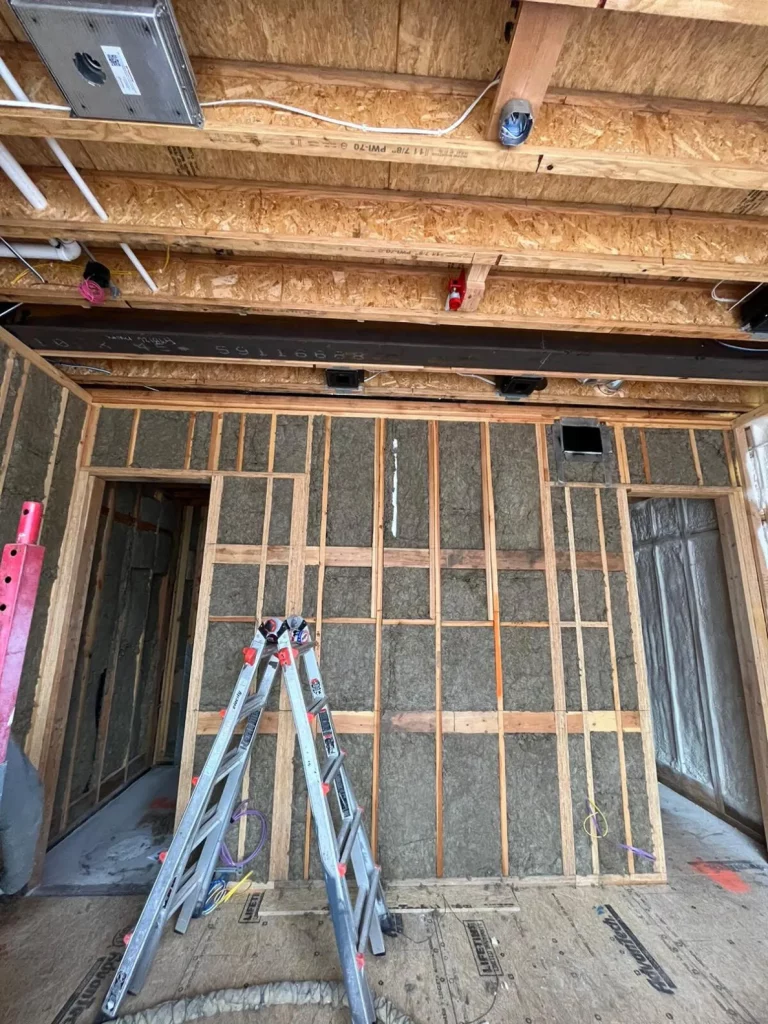
Even high-quality insulation underperforms when installed incorrectly. The DOE Insulation Fact Sheet identifies several recurring problems:
| Project Scenario | Recommended Primary Insulation | Secondary Strategy | Rationale |
|---|---|---|---|
| New construction build | Fiberglass or mineral wool batts in walls + rigid foam continuous insulation | Spray foam in crawlspace/rim joist | Meets code, addresses thermal bridging, seals penetrations |
| Attic retrofit on existing home | Blown-in fiberglass or cellulose over existing insulation | Air seal attic floor penetrations first | Most cost-effective upgrade, addresses largest heat loss area |
| Full gut renovation with new siding | Dense-pack cellulose in wall cavities + R-5 to R-10 rigid foam under siding | Upgrade attic insulation simultaneously | Addresses walls when access is available, maximizes scope efficiency |
| Crawlspace encapsulation | Closed-cell spray foam on walls and rim joist | Rigid foam board on crawlspace floor edges | Air and moisture barrier prevents condensation and frozen pipes |
A well-planned insulation upgrade for a Driggs home should exhibit several clear indicators. Your insulation provider should be able to reference the specific IECC climate zone and R-value requirements for Teton County without hesitation. They should perform or recommend a blower door test to identify air leakage points before insulation is installed, since sealing those leaks first ensures the insulation performs as intended. The proposal should specify exact R-values, material types, and installation methods for each area of the home rather than offering a one-size-fits-all solution. A detailed scope that addresses attics, walls, crawlspaces, and rim joists separately demonstrates a working knowledge of how different home areas lose heat differently. Finally, the provider should discuss moisture control and ventilation alongside insulation, because in a cold climate like Driggs, trapping moisture inside walls or attics without proper ventilation planning can cause damage that outweighs any energy savings.
High Country Solutions has the experience and local knowledge to recommend and install the right insulation system for Driggs, Idaho homes. Our team evaluates each home individually, accounting for climate zone requirements, existing conditions, and your specific energy efficiency goals before recommending a tailored approach. Whether you need an attic upgrade, crawlspace encapsulation, or a full-home insulation package, we handle the entire process from assessment through installation.
Request a quote today by calling (307) 248-9063 or emailing [email protected] to get started.
Request a Quote | Schedule a Home Assessment
Trust our professionals to deliver insulation solutions built for the demands of Teton Valley winters.
Climate Zone 6 requires a minimum R-49 for attic insulation under the IECC, while Teton County’s local design criteria may push that to R-60 for certain new construction applications.
Closed-cell spray foam delivers the highest R-value per inch and provides an integrated air and vapor barrier, making it particularly effective for crawlspaces, rim joists, and cathedral ceilings where both insulation and air sealing are needed.
Yes, blown-in fiberglass or cellulose can be installed directly over existing attic insulation. Use unfaced material and avoid placing a vapor barrier between the old and new layers.
Yes, insulated crawlspace walls or floor insulation are recommended in Climate Zone 6. Vented crawlspaces should have floor insulation at R-30 or higher, while unvented crawlspaces benefit from wall insulation with spray foam or rigid board.
Proper air sealing before insulating prevents warm indoor air from carrying moisture into wall cavities and attics where it can condense on cold surfaces. In cold, dry climates like Driggs, managing where moisture travels is essential to prevent mold and structural damage.