How Does Residential Spray Foam Insulation Improve Indoor Air Quality and Comfort for Jackson Hole, WY Families?
Skeeter Aimone
August 24th, 2026
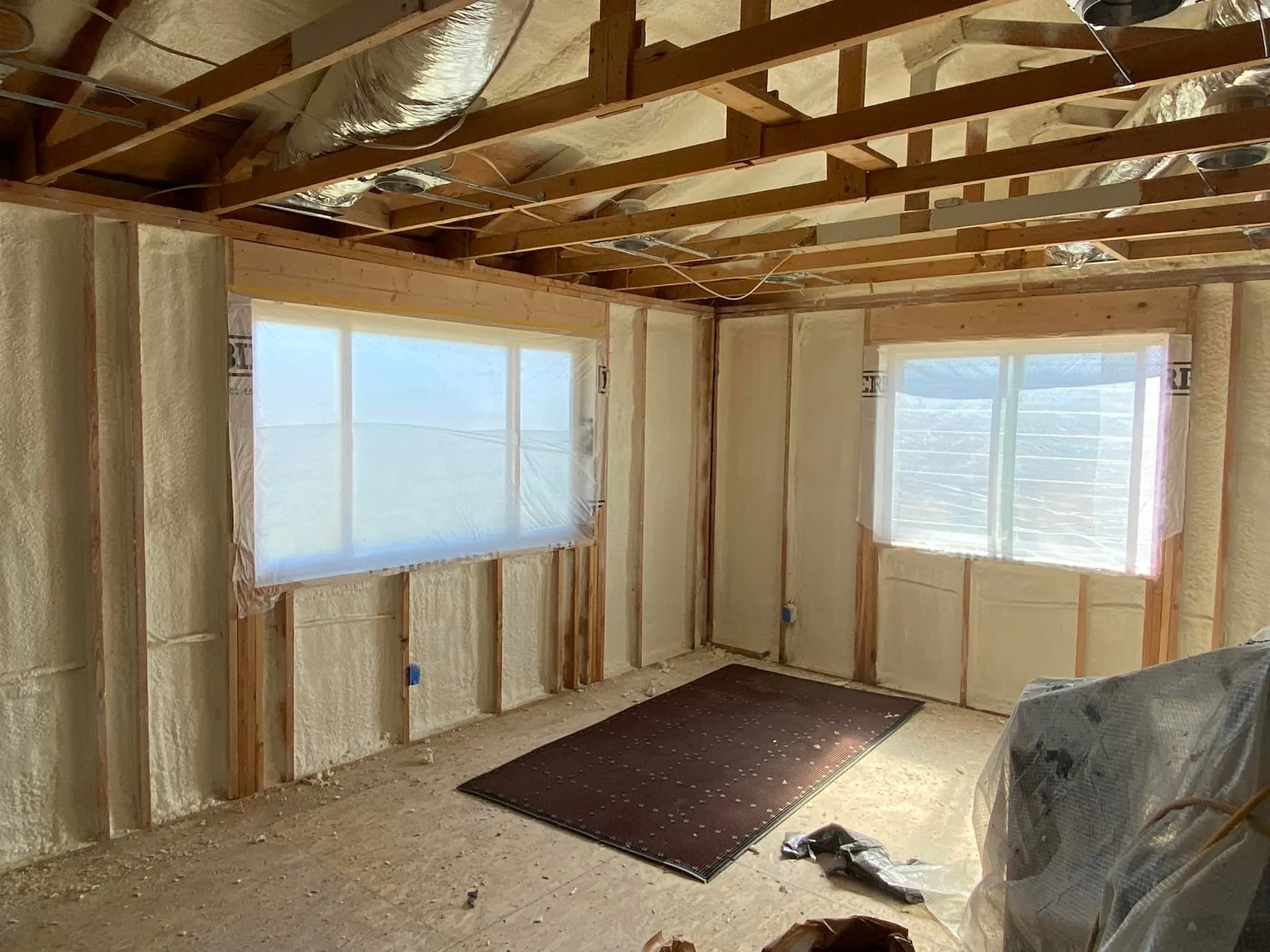
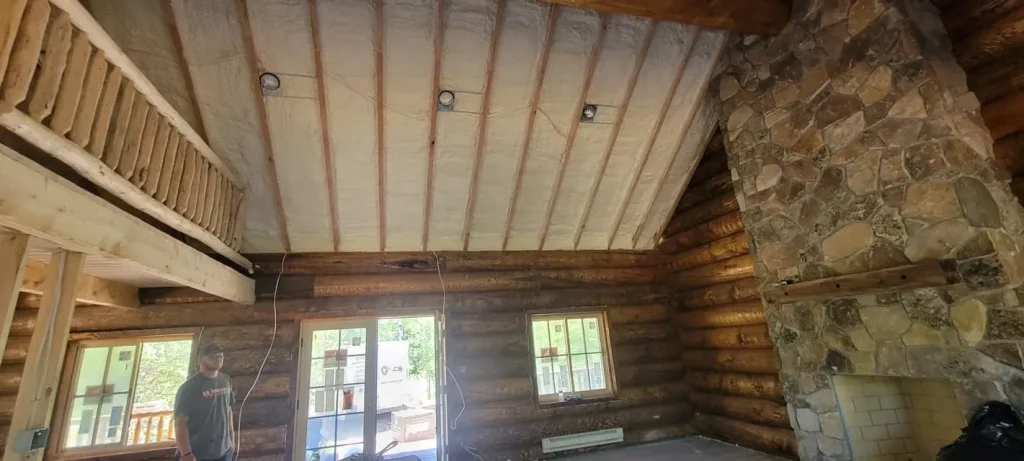
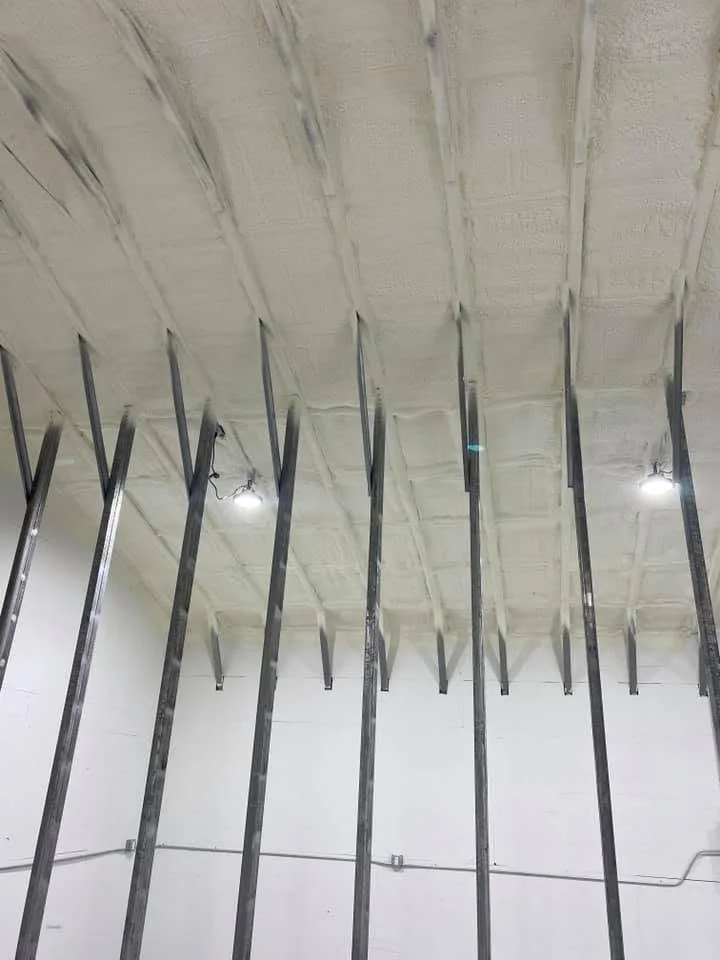
Residential spray foam insulation improves indoor air quality and comfort for Jackson Hole families by creating an airtight seal that blocks outdoor pollutants, controls moisture, and eliminates drafts, all while delivering high thermal performance in one of the coldest climates in the lower 48 states. Unlike fiberglass batts or blown cellulose that leave gaps around framing, spray foam expands into every crack, joint, and void in the building envelope. The EPA notes in The Inside Story: A Guide to Indoor Air Quality that outdoor air pollutants enter buildings through “openings, joints, cracks in walls, floors and ceilings, and around windows and doors,” and spray foam directly addresses those entry points. For families in Jackson Hole, where subzero winters demand reliable heating and mountain air carries dust, pollen, and wildfire smoke, the right insulation strategy depends on choosing the correct foam type, ensuring proper installation, and pairing the air seal with adequate mechanical ventilation.
TL;DR
Spray foam creates a continuous air barrier that blocks drafts, pollen, dust, and moisture infiltration through gaps and cracks in the building envelope
The EPA reports that indoor pollutant concentrations are often 2 to 5 times higher than outdoor levels, and source control, including sealing air leaks, is the most effective mitigation strategy
Closed-cell spray foam adds structural rigidity and serves as a vapor barrier, while open-cell foam provides sound dampening and flexibility at a lower density
Jackson Hole’s climate zone demands high R-value insulation and air sealing, making spray foam particularly effective for both new construction and retrofit projects
Proper mechanical ventilation is essential after air sealing to maintain healthy air exchange and prevent pollutant buildup
The EPA and CPSC recommend vacating the home for at least 24 hours after spray foam installation to allow safe curing and off-gassing
Why Indoor Air Quality Matters More in Mountain Communities
Jackson Hole sits at roughly 6,200 feet in elevation, surrounded by the Tetons, and experiences long heating seasons with temperatures regularly dropping below zero from November through March. Families in this region spend a significant portion of the year indoors. According to the EPA’s Indoor Air Quality – U.S. EPA Report on the Environment, Americans spend approximately 90 percent of their time indoors, where concentrations of some pollutants are often 2 to 5 times higher than typical outdoor concentrations.
In mountain environments, the indoor air quality challenge is compounded by several factors: wildfire smoke season brings particulate matter that can infiltrate poorly sealed homes, winter heating creates dry conditions that promote dust circulation, and temperature differences between heated living spaces and unconditioned attics or crawl spaces drive moisture condensation. The EPA identifies that “high temperature and humidity levels can also increase concentrations of some pollutants,” but the reverse is also true. Dry, dusty conditions combined with proper air sealing allow particulates to enter less easily while helping limit their recirculation through forced-air systems.
Biological contaminants, including mold, dust mites, pollen, and pet dander, are among the most common indoor air quality concerns. The EPA notes in What Are Biological Pollutants and How Do They Affect Indoor Air Quality? that these contaminants “trigger allergic reactions, including hypersensitivity pneumonitis, allergic rhinitis, and some types of asthma.” By sealing the building envelope, spray foam insulation reduces the pathways through which these biological agents enter the home.
How Spray Foam Works: Air Sealing Plus Insulation in One Step
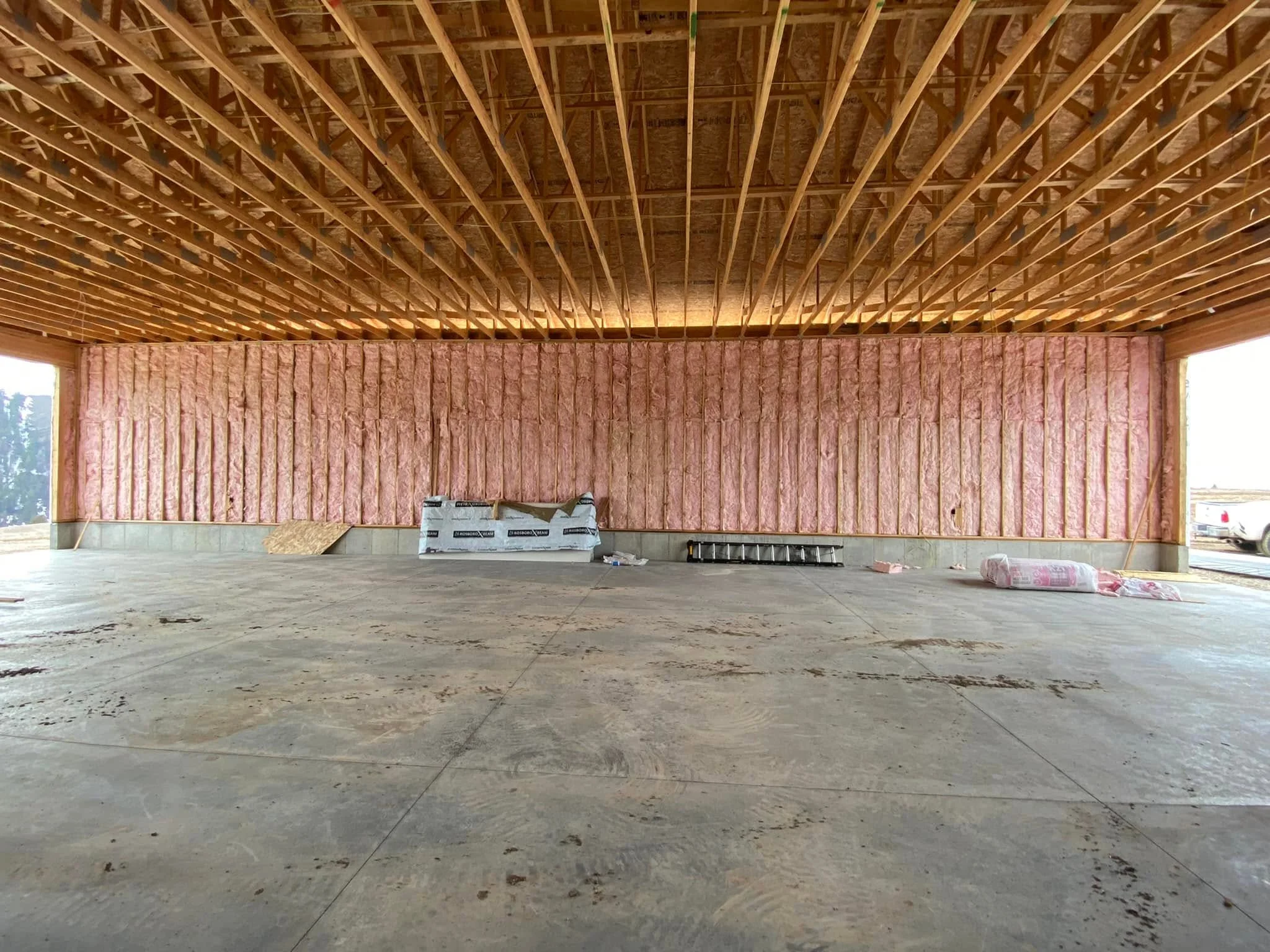
Traditional insulation materials like fiberglass batts and blown cellulose slow conductive heat transfer but do not stop air movement. Air can still pass through gaps around studs, around electrical boxes, at rim joists, and through any penetrations in the building envelope. Spray foam takes a fundamentally different approach by combining thermal resistance with air sealing in a single application.
When applied, spray polyurethane foam expands to fill cavities and adheres to surrounding surfaces, creating a continuous barrier. This professional installation addresses the specific infiltration pathways the EPA describes: “outdoor air flows into the house through openings, joints, cracks in walls, floors and ceilings, and around windows and doors.” By expanding into and sealing these pathways, spray foam reduces uncontrolled air leakage and the associated pollutant load.
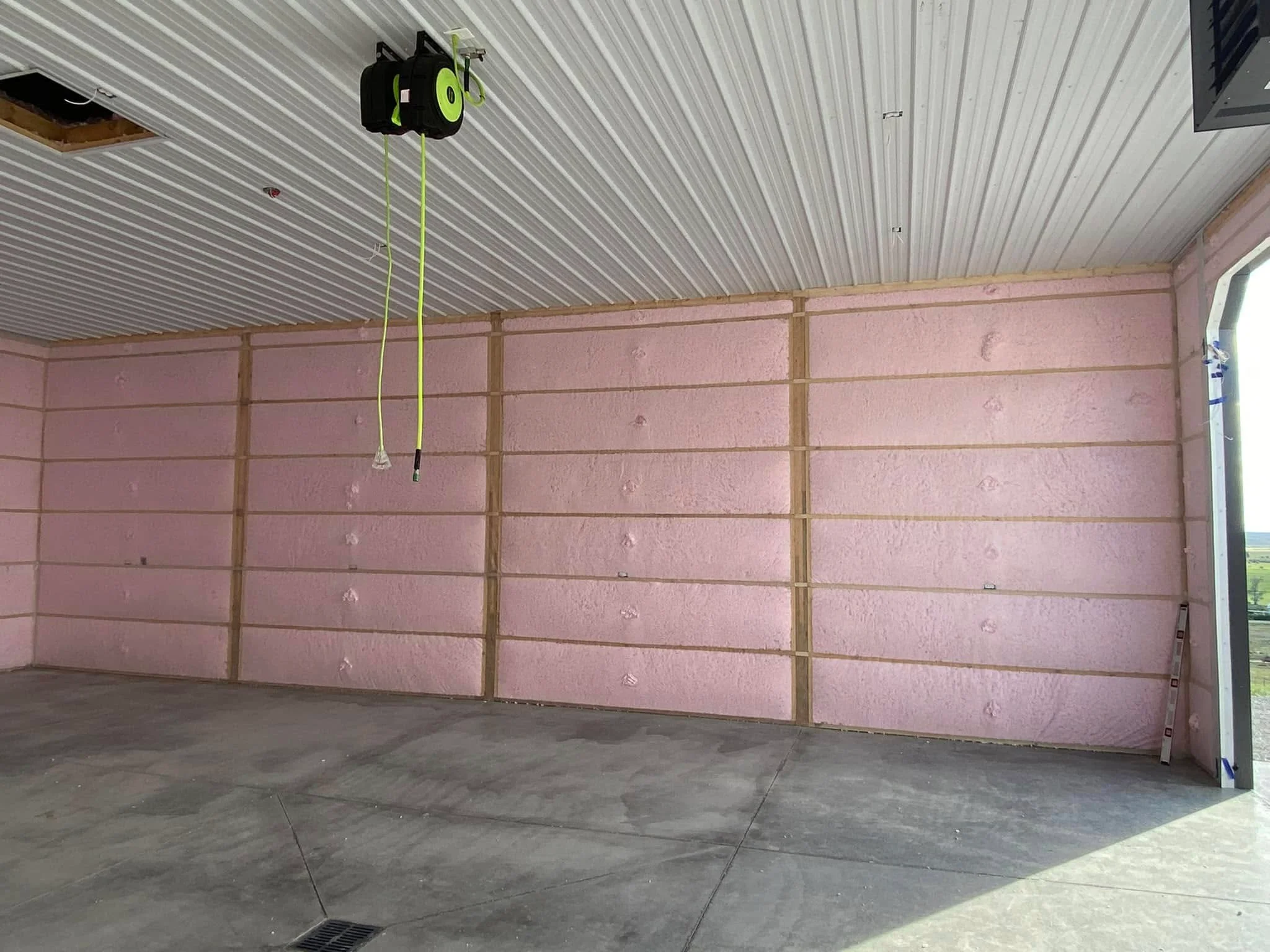
There are two primary types of residential spray foam insulation, each suited to different applications within a Jackson Hole home:
Foam Type
Cell Structure
R-Value Per Inch
Air Barrier
Vapor Barrier
Best Applications
Closed-cell
Dense, compact
~6.5-7.0
Yes
Yes
Rim joists, crawl spaces, exterior walls, foundation, flood-prone areas
Closed-cell spray foam generally performs better for Jackson Hole’s harsh winters because it delivers a higher R-value per inch, acts as a vapor retarder, and adds structural strength to wall assemblies. Open-cell foam is effective where sound control and cost efficiency are priorities, such as interior partitions and bonus rooms.
Blocking Pollutants, Allergens, and Moisture at the Source
The EPA’s guide to indoor air quality identifies three basic strategies for improving air quality: source control, ventilation improvements, and air cleaning. Spray foam insulation is a source control measure that works at the building envelope level, preventing pollutants from entering in the first place rather than filtering them after they arrive.
In a Jackson Hole home, the pollutant sources spray foam helps block include:
Outdoor particulates and pollen: Mountain winds carry dust, sagebrush pollen, and wildfire smoke that infiltrate through unsealed gaps. Spray foam seals these entry points.
Crawl space and attic contaminants: Damp crawl spaces harbor mold spores and mildew. Unconditioned attics contain insulation dust and, in some cases, rodent debris. Spray foam isolates living spaces from these zones.
Moisture-driven biological growth: The EPA recommends maintaining relative humidity between 30 and 50 percent to minimize biological contaminants. Closed-cell spray foam acts as a vapor barrier, preventing moisture from passing through walls and condensing on cool interior surfaces. By controlling moisture at the envelope level, spray foam reduces the conditions that allow mold and dust mites to thrive.
The EPA also notes that “inadequate ventilation can increase indoor pollutant levels by not bringing in enough outdoor air to dilute emissions from indoor sources.” Spray foam reduces uncontrolled infiltration, which means the home needs intentional, mechanical ventilation to maintain healthy air exchange. This is not a drawback. It means the local insulation contractor can help homeowners consider when, where, and how fresh air enters, rather than relying on random leaks that also bring pollutants.
The Cold Climate Advantage: Why Jackson Hole Homes Benefit Most
Jackson Hole falls within IECC Climate Zone 7, one of the coldest zones in the continental United States. Homes in this zone require high R-values and continuous air barriers to maintain comfortable indoor temperatures during extended cold periods. The Department of Energy’s Building Envelope Materials Research Group at Oak Ridge National Laboratory has studied the relationship between airtightness, moisture durability, and thermal performance extensively, confirming that unwanted air leakage and moisture in building envelopes lead to high energy consumption and indoor air problems.
Spray foam insulation delivers specific advantages in cold climates:
Eliminates convective looping: In traditional batt insulation, air can circulate within wall cavities when the temperature difference between indoors and outdoors is large, reducing effective R-value. Spray foam eliminates this air movement entirely.
Prevents condensation at rim joists: The rim joist area is one of the most common locations for air leaks and condensation in cold-climate homes. Closed-cell spray foam applied to rim joists seals the gap and prevents warm interior air from reaching cold framing.
Reduces ice dam risk: By sealing attic bypasses, spray foam prevents warm air from escaping into the attic, which reduces snowmelt on the roof and the formation of ice dams.
Improves comfort consistency: Rooms far from the thermostat, including bedrooms over garages and finished basements, stay closer to the set temperature because the envelope is uniformly sealed.
Installation Safety and What Families Should Expect
Spray foam insulation involves chemical compounds that require careful handling. As outlined in Spray Polyurethane Foam Insulation: Health and Safety Recommendations for Consumers, the Consumer Product Safety Commission, in collaboration with the EPA, OSHA, NIOSH, and ASTM, has published safety recommendations for homeowners. Key points include:
Occupants should vacate the home during and for at least 24 hours after installation. The CPSC notes that “some manufacturers recommend worker re-entry after 24 hours following application without the use of personal protective equipment” and that re-occupancy for residents can vary based on the product type, home conditions, and whether sensitive individuals such as children or the elderly are present.
Proper curing is essential. In Potential Chemical Exposures From Spray Polyurethane Foam, the EPA explains that spray foam may appear hardened within minutes but is still curing and contains unreacted chemicals. Temperature and humidity affect curing rates, which is a particular consideration in Jackson Hole’s cold, dry climate.
After curing, spray foam is considered relatively inert. The EPA notes that “when spray foam has been correctly applied and cured, it is usually considered to be relatively inert.” Long-term exposure risks are primarily associated with disturbing cured foam through cutting, grinding, or heating, which can release hazardous emissions.
Contractor communication matters. The CPSC recommends that homeowners discuss the specific product being used, re-occupancy guidance, and safety protocols before the job begins.
Pairing Spray Foam with Mechanical Ventilation
Air sealing a home with spray foam reduces uncontrolled infiltration, which means mechanical ventilation becomes more important, not less. The EPA’s indoor air quality guide explains that the air exchange rate is “affected by the design, construction, and operating parameters of buildings” and that when there is little infiltration or mechanical ventilation, pollutant levels can increase.
For Jackson Hole homes insulated with spray foam, we recommend integrating one of the following ventilation strategies:
Heat recovery ventilator (HRV): Captures heat from outgoing stale air and transfers it to incoming fresh air, maintaining energy efficiency while providing controlled ventilation.
Exhaust-only systems: Bath and kitchen fans vented to the outdoors provide point-source ventilation, pulling fresh air through remaining small leaks or planned intake ports.
Balanced ventilation systems: Supply and exhaust fans operate simultaneously to provide consistent air exchange without creating pressure imbalances that could draw contaminants from unwanted areas.
The goal is not to eliminate fresh air, but to control where it comes from, how much enters, and whether it passes through filtration before reaching living spaces.
Signs You Have Found the Right Insulation Contractor
Choosing the right installer is as important as choosing the right insulation material. Look for these indicators:
Clear explanation of the product and process: The contractor should explain what type of foam they recommend for each area of your home, why, and what safety precautions they will follow.
Willingness to discuss ventilation: A qualified contractor will raise the topic of mechanical ventilation proactively, not wait for you to ask.
Detailed re-occupancy guidance: The installer should provide specific guidance on when it is safe to return to your home based on the product being used and your home’s conditions.
References and verification: Check references from Jackson Hole or similar cold-climate projects. Verify insurance and licensing.
No pressure tactics: The right contractor provides information and lets you make an informed decision rather than pushing for an immediate commitment.
Schedule Your Jackson Hole Insulation Assessment
High Country Solutions helps Jackson Hole families improve their home’s indoor air quality, comfort, and energy performance through professional spray foam insulation installation. Our team evaluates your building envelope, recommends the right foam type for each area of your home, and ensures proper installation with appropriate ventilation planning for our mountain climate.
Call us at (307) 248-9063 or email [email protected] to get started. We serve homeowners throughout the Jackson Hole area with insulation solutions designed for high-altitude, cold-climate living.
Frequently Asked Questions
Is spray foam insulation safe for my family after it cures?
Once spray foam is fully cured, it is considered relatively inert according to the EPA. The primary safety concerns are during and immediately after installation, which is why the CPSC recommends vacating the home for at least 24 hours.
Does spray foam insulation eliminate the need for mechanical ventilation?
No. Spray foam reduces uncontrolled air leaks, which makes controlled mechanical ventilation more important. Without it, indoor air pollutants can accumulate. We always discuss ventilation strategy with every insulation project.
Which type of spray foam is better for Jackson Hole’s climate?
Closed-cell spray foam is generally the stronger choice for Jackson Hole because it provides higher R-value per inch, acts as a vapor barrier, and adds structural rigidity, all of which matter in a cold climate zone 7 environment.
Can spray foam insulation help with mold and moisture problems?
Yes. Closed-cell spray foam acts as a vapor retarder and air barrier, preventing warm interior air from reaching cold surfaces where condensation occurs. By controlling moisture at the envelope level, it reduces conditions that support mold growth.
How long does spray foam insulation last in a home?
Spray foam insulation is a long-term building material that does not settle, sag, or degrade over time like fiberglass or cellulose. When properly installed, it maintains its air sealing and thermal performance for the life of the building.
I’m Skeeter Aimone, owner of High Country Solutions in Alpine, Wyoming, leading the company since 2019. I focus on quality installation, building science, and insulation solutions suited to harsh Wyoming and eastern Idaho conditions.