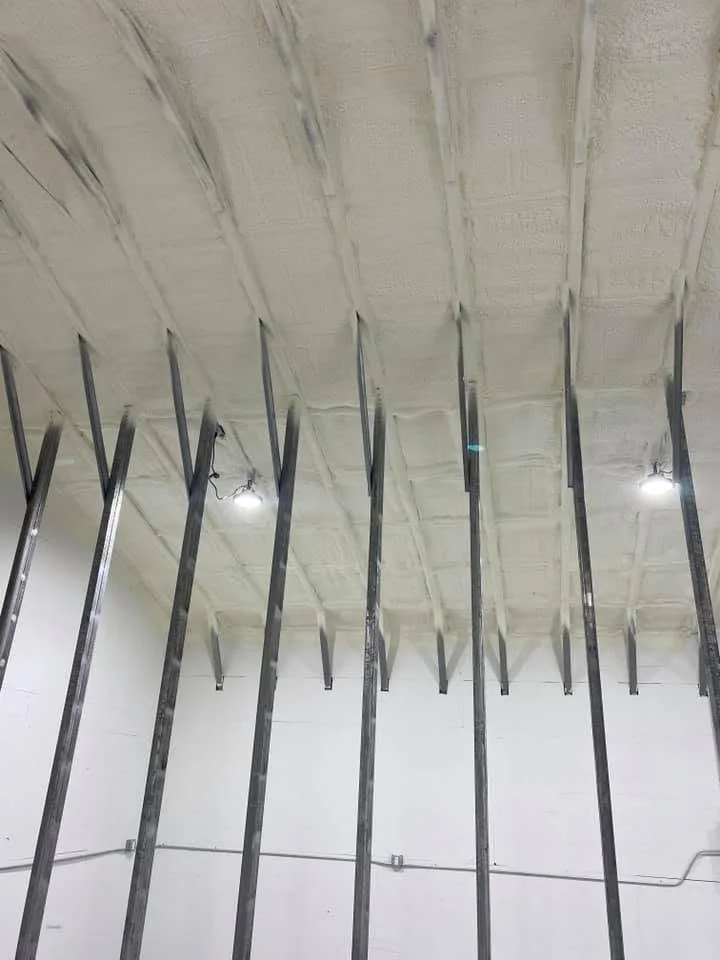
How Much Does New Construction Insulation Cost in Jackson Hole, WY?
Skeeter Aimone
July 15th, 2026
New construction insulation cost in Jackson Hole, WY depends on several interconnected factors: the type of insulation material selected, the total square footage of the building envelope, the R-values required by code and climate zone, labor availability in Teton County, and the complexity of the build. Because Jackson Hole sits in ASHRAE Climate Zone 7, one of the coldest classification zones in the continental United States, insulation requirements are significantly higher than most of the country, which directly affects material quantity, labor hours, and overall project budget. Rather than guessing at numbers, the most reliable approach is reviewing new construction insulation requirements based on your specific floor plan and build specifications.
TL;DR
Jackson Hole falls within ASHRAE Climate Zone 7, requiring some of the highest insulation R-values in the nation
Minimum attic insulation in Zone 7 ranges from R-49 to R-60, depending on whether the attic is uninsulated or already has existing insulation, per ENERGY STAR R-Value recommendations
Wall cavity insulation for residential wood-framed construction in Zone 7 calls for R-20 cavity fill plus R-5 to R-10 continuous insulation, based on ASHRAE 90.1 prescriptive standards
Insulation material choice is the single biggest driver of project budget, with spray foam carrying a premium over fiberglass or cellulose
Air sealing combined with proper insulation can reduce heating and cooling costs by up to 15%, according to ENERGY STAR
Building accessibility, framing type (2×4 vs. 2×6 vs. advanced framing), and ceiling height all materially affect labor and material requirements
Nine out of ten American homes are under-insulated, which means most new builds still fall short of optimal performance if insulation is treated as an afterthought
Why Climate Zone 7 Changes Everything for Jackson Hole Builds
Jackson Hole sits at an elevation of roughly 6,200 feet in the shadow of the Teton Range. Winter temperatures routinely drop well below zero, and heating season stretches from October through May. The Department of Energy and the International Energy Conservation Code classify this region as Climate Zone 7, which means builders must meet substantially higher thermal performance standards compared to homes built in milder zones across the country.
For residential wood-framed walls in Zone 7, the prescriptive path under ASHRAE 90.1 requires cavity insulation rated at R-13 plus a continuous insulation layer of R-7.5 or higher. For homes aiming to exceed minimum code, builders often spec 2×6 framing with R-21 cavity insulation and R-5 to R-10 continuous exterior insulation, creating a tighter, better-performing thermal envelope. Attics in Zone 7 require a minimum of R-49 to R-60 depending on existing conditions, making the attic one of the largest insulation investments in any Jackson Hole new construction project. Floors over unconditioned spaces such as vented crawlspaces need R-30 to R-38, where spray foam insulation in Jackson Hole can help achieve the required thermal performance.
These requirements are not arbitrary. According to Wikipedia’s building insulation reference, around 40% of energy consumption in buildings is attributed to heating and cooling, and sufficient thermal insulation is the fundamental task that ensures a healthy indoor environment and prevents structural damage from moisture and condensation.
Insulation Material Comparison for New Construction
The material you choose for your new build in Jackson Hole has the greatest impact on your insulation budget. Each material has distinct advantages in a cold-climate application:
Material
R-Value Per Inch
Best Application in Cold Climates
Air Sealing Capability
Closed-Cell Spray Foam
R-5 to R-8
Walls, crawlspaces, rim joists
Excellent, expands to seal gaps
Open-Cell Spray Foam
R-3 to R-4
Wall cavities, sound isolation
Very good, expands but porous
Fiberglass Batts
R-2.9 to R-3.8
Standard wall cavities, attics
Poor, leaves gaps and bypasses
Mineral Wool (Rock Wool)
R-3.3 to R-4.2
Walls, fire-rated assemblies
Moderate, friction fit helps
Dense-Packed Cellulose
R-3.4 to R-3.8
Walls, attic floor, retrofits
Good when dense-packed
Rigid Foam Board (XPS/Polyiso)
R-5 to R-6.5
Continuous exterior insulation
Varies, seams need sealing
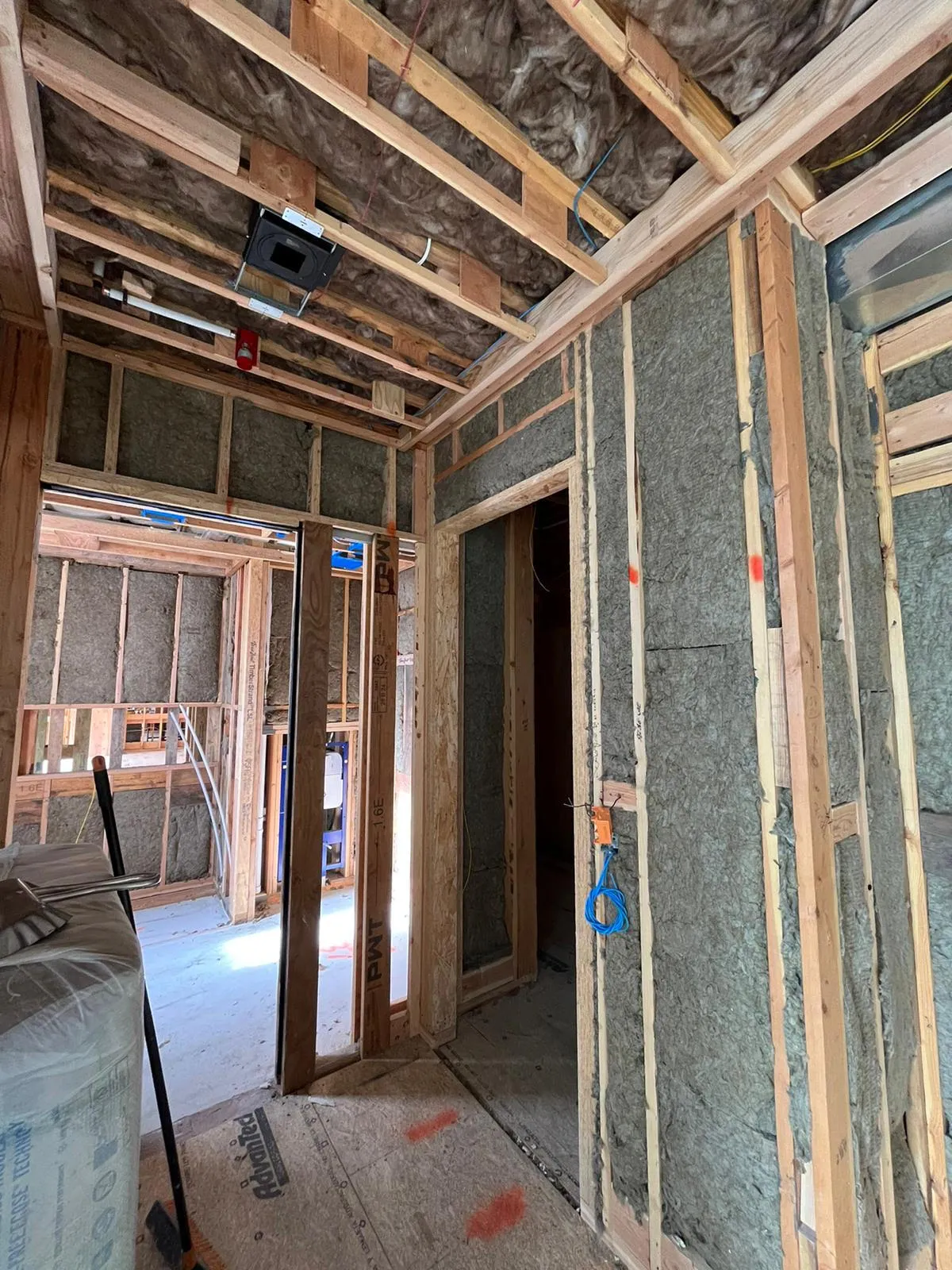
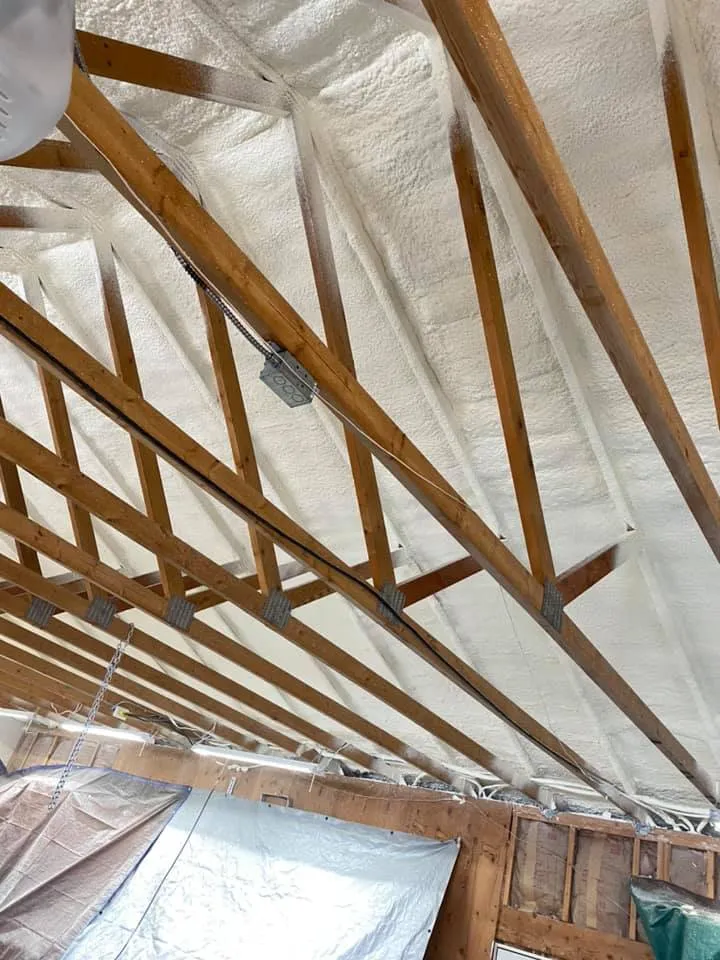
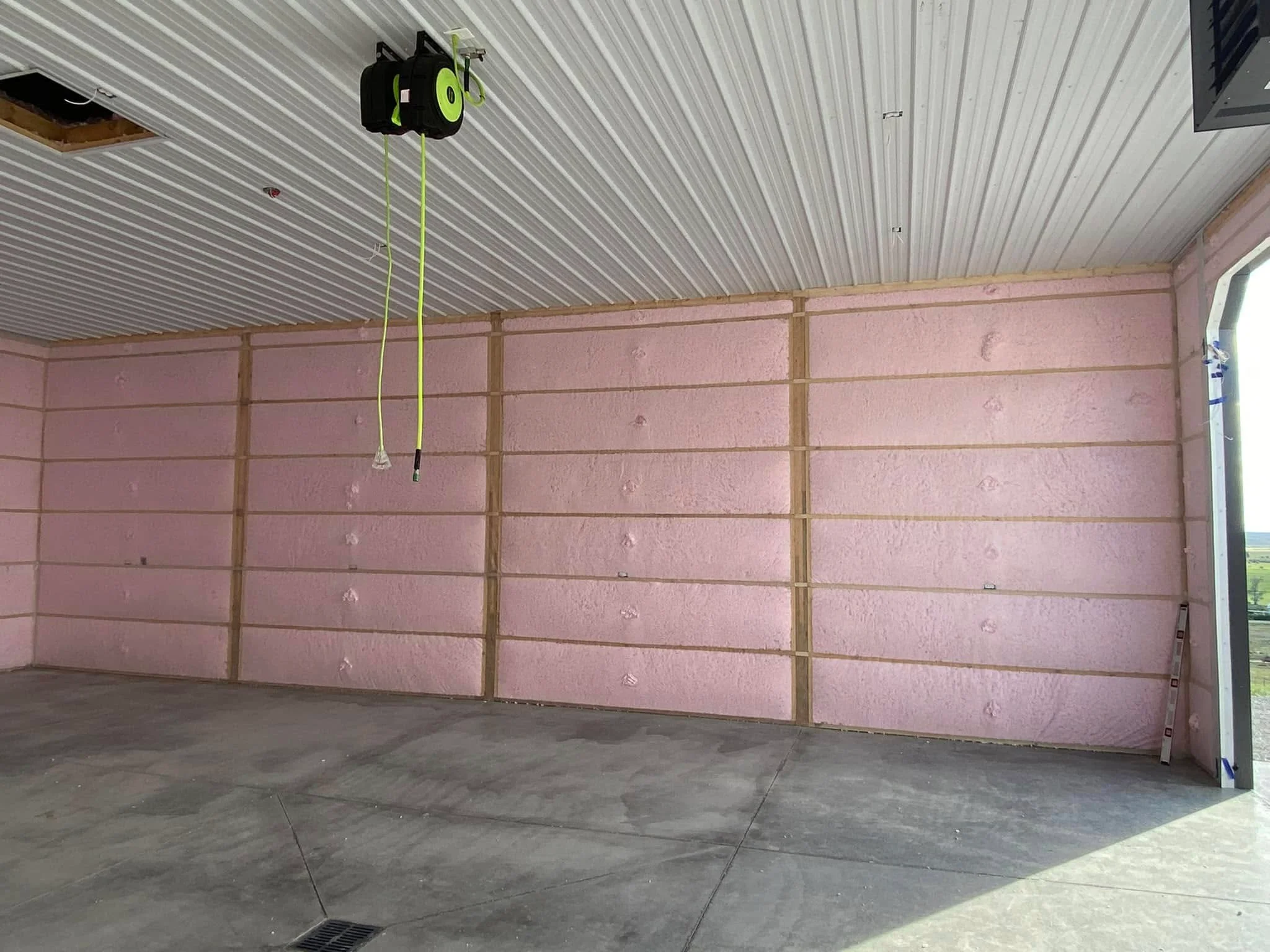
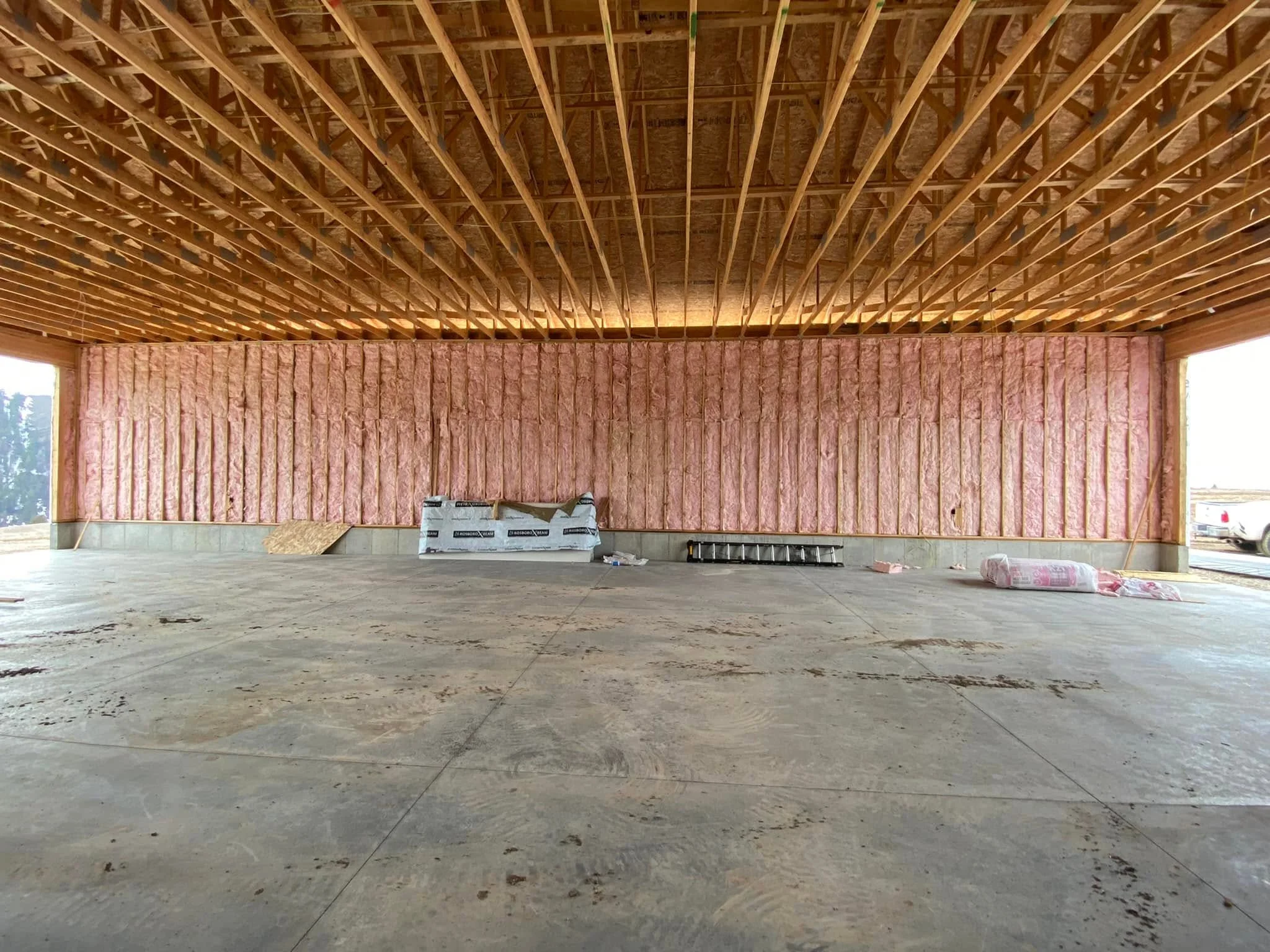
Closed-cell spray foam delivers the highest R-value per inch, which matters in Zone 7 where wall cavity depth is limited by framing. However, as noted in the Wikipedia building insulation materials reference, spray foam costs more than traditional insulation materials and requires proper application temperatures and personal protective equipment during installation. Fiberglass batts remain the most common residential material, but gaps between batts can become sites of air infiltration and condensation, reducing real-world performance well below the stated R-value.
Real-World Jackson Hole Insulation Scenarios
Every build is different. Here are representative project types we commonly encounter in the Jackson Hole area, showing how building size, design complexity, and material choices affect overall scope:
Build Type
Location
Square Footage
Insulation Scope
Single-family custom home
Jackson Hole, WY
3,200 sq ft
Full envelope: spray foam walls, blown-in attic, insulated crawlspace
Townhome duplex
Jackson Hole, WY
1,800 sq ft per unit
Fiberglass walls, blown-in attic, radiant barrier
Mountain lodge commercial
Jackson Hole, WY
6,500 sq ft
Closed-cell spray foam walls and roof deck, continuous exterior insulation
Accessory dwelling unit
Jackson Hole, WY
800 sq ft
Mineral wool walls, cellulose attic floor
Multi-family complex
Teton County, WY
12,000 sq ft total
Hybrid system with spray foam band joist, fiberglass walls, rigid exterior board
Factors That Influence New Construction Insulation Cost in Jackson Hole
Several variables specific to Jackson Hole construction affect the overall investment in your insulation system:
Climate zone requirements: Zone 7 mandates higher R-values across every part of the building envelope, meaning more material and thicker assemblies compared to most of the country
Building design and geometry: Complex rooflines with multiple valleys, dormers, and cathedral ceilings require more labor and specialized techniques than a simple gable roof
Framing type: 2×4 walls limit cavity insulation depth to about 3.5 inches, often necessitating continuous exterior insulation to meet code. 2×6 framing provides 5.5 inches of cavity depth, allowing higher R-values within the stud bay
Material selection: Spray foam carries a premium over fiberglass or cellulose, but can reduce the need for separate air sealing labor and may allow downsizing of HVAC equipment
Labor availability: Teton County has a limited labor pool, and skilled insulation crews are in high demand during the short building season, which affects scheduling and crew rates
Accessibility: Builds on steep lots, in remote locations, or with difficult-to-reach framing areas require additional labor and equipment
Air sealing scope: The EPA estimates homeowners can save an average of 15% on heating and cooling costs by air sealing and adding insulation, but comprehensive air sealing requires detailed work around penetrations, rim joists, and framing intersections
Vapor barrier requirements: In cold climates, proper vapor retarder placement is critical to prevent condensation within wall assemblies, which can lead to mold and structural damage
Who This Is For
Ideal candidates for investing in high-performance insulation:
Homeowners building custom residences in Jackson Hole or Teton County who plan to live in the home year-round
Builders and developers constructing luxury mountain properties where energy performance and occupant comfort are selling points
Commercial property owners building lodges, retail spaces, or offices in the Jackson Hole area
Anyone planning to own their building long enough to see a meaningful return through reduced heating costs
Builders targeting high-performance certifications or aiming to exceed minimum energy code
This may NOT be the right fit for:
Spec builders looking for the absolute minimum code compliance on short-term flip projects
Projects where insulation is being treated as a line item to be value-engineered down rather than a system-level investment
Builds in milder climate zones where the insulation scope and material requirements are substantially lower
The Real Question: What Happens When You Underestimate Insulation in a Jackson Hole Build?
The question is not really how much insulation costs. The real question is what happens to your heating bills, indoor comfort, and building durability when insulation is undersized, improperly installed, or treated as an afterthought in a Zone 7 climate. Under-insulated walls and attics in Jackson Hole lead to ice dams, condensation damage, drafty rooms, and heating systems that run constantly during winter months. Once the drywall goes up, retrofitting insulation behind finished walls is significantly more disruptive and expensive than getting it right during the framing stage. The long-term benefits of spray foam insulation often outweigh the cost of correcting poor insulation after occupancy and years of wasted energy.
Get a Project Assessment From High Country Solutions
Planning a new construction project in Jackson Hole or anywhere in the greater Teton County area? High Country Solutions provides detailed insulation assessments tailored to your specific build, floor plan, and performance goals. Our team evaluates your framing design, identifies the optimal insulation strategy for each area of the building envelope, and provides transparent project estimates based on real site conditions rather than generic formulas.
Call us at (307) 248-9063 or email [email protected] to discuss your project. We work with builders and homeowners throughout the Jackson Hole area to deliver insulation systems that meet code, perform in extreme cold, and protect your building investment for decades.
Frequently Asked Questions About New Construction Insulation in Jackson Hole
What R-value is required for new construction in Jackson Hole?
Jackson Hole is in ASHRAE Climate Zone 7, which requires attic insulation of R-49 to R-60, wall cavity insulation of R-20 or higher depending on framing, and continuous exterior insulation of R-5 to R-10, according to current energy code standards.
Is spray foam insulation worth it for a new build in a cold climate like Teton County?
Spray foam provides the highest R-value per inch and seals air leaks as it expands, which is especially valuable in Zone 7. It allows thinner wall assemblies to meet demanding R-value requirements, reduces the need for separate air sealing work, and can help prevent moisture infiltration in extreme cold conditions.
When should insulation be installed during new construction?
Insulation is typically installed after framing, rough plumbing, and electrical rough-in are complete but before drywall is hung. In Jackson Hole, scheduling insulation crews early is important because the building season is compressed and skilled installers book up quickly.
Does the type of framing affect insulation performance?
Yes. Standard 2×4 framing provides only 3.5 inches of cavity depth, which limits the R-value achievable with batt insulation. 2×6 framing allows 5.5 inches, and advanced framing techniques with 24-inch on-center spacing reduce thermal bridging through studs, improving overall wall performance.
Can I mix different insulation materials in one building?
Absolutely. Many Jackson Hole builds use a hybrid approach: closed-cell spray foam in rim joists and tricky areas, fiberglass or mineral wool in standard wall cavities, blown-in insulation in attics, and rigid foam board for continuous exterior insulation. This optimizes performance while managing the overall project budget.
ENERGY STAR – Why Seal and Insulate – EPA data on energy savings potential from proper air sealing and insulation, including the 15% heating and cooling savings estimate.
Wikipedia – Building Insulation – Comprehensive reference on building insulation covering ASHRAE 90.1 prescriptive R-value requirements by climate zone, U.S. building standards, and cold climate strategies.
Wikipedia – Building Insulation Materials – Detailed reference on insulation material types including spray foam R-values, fiberglass batts, cellulose, mineral wool, and their comparative performance characteristics.
I’m Skeeter Aimone, owner of High Country Solutions in Alpine, Wyoming, leading the company since 2019. I focus on quality installation, building science, and insulation solutions suited to harsh Wyoming and eastern Idaho conditions.