How Spray Foam Insulation Supports Temperature Control and Keeps Homes Cooler
Skeeter Aimone
August 1st, 2025
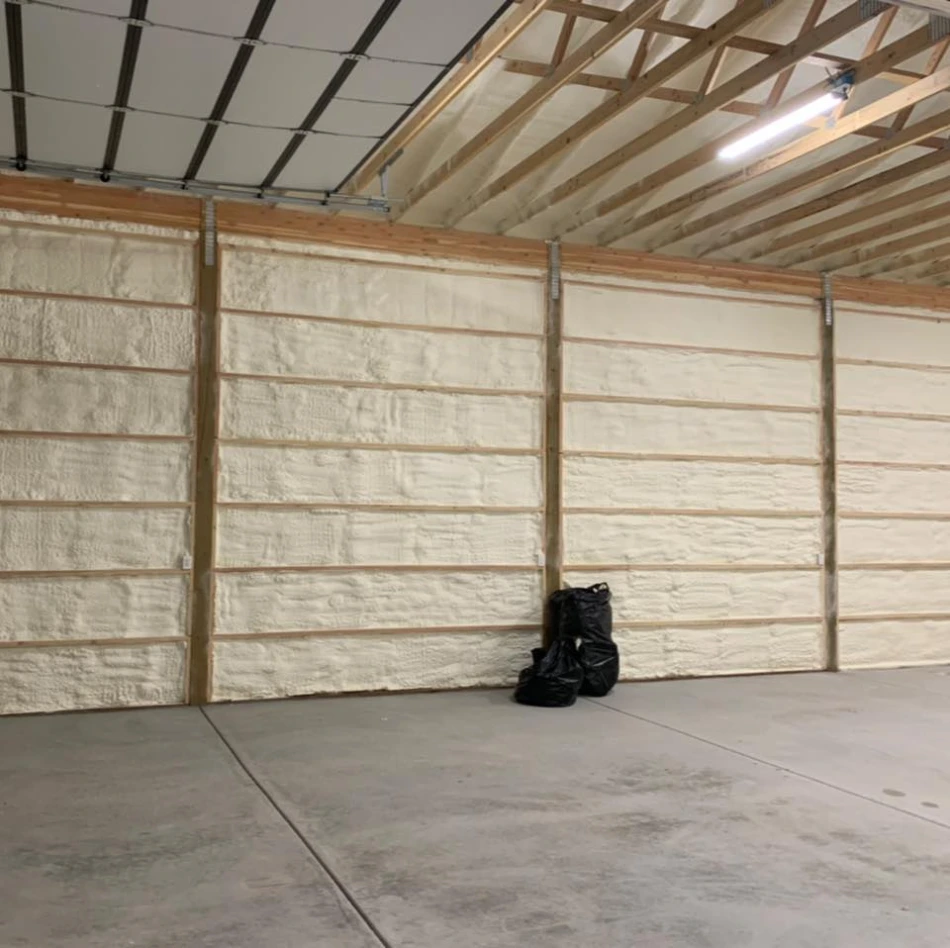
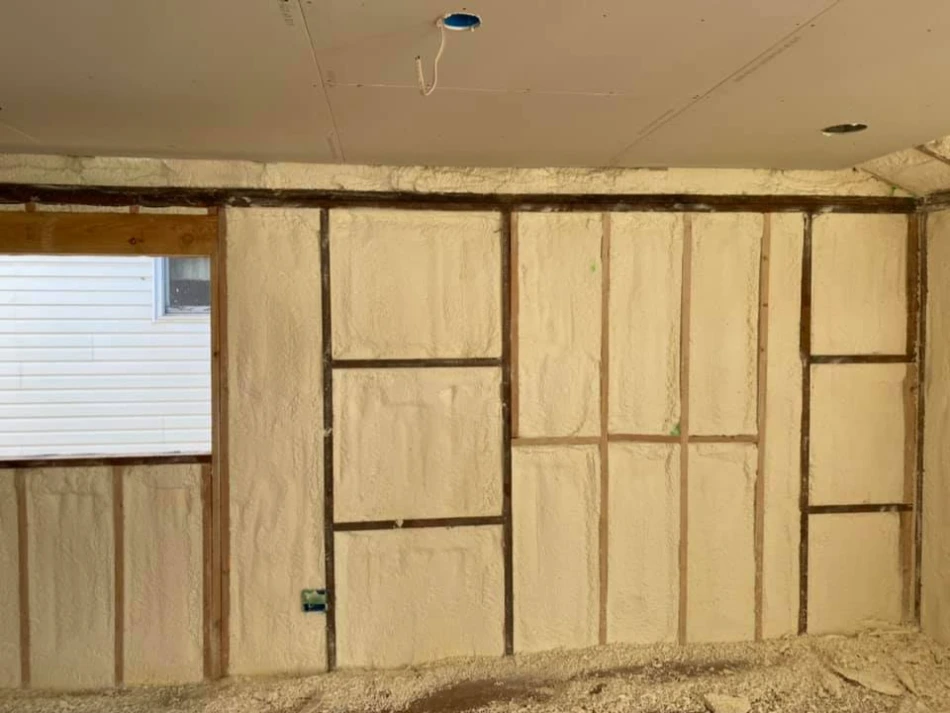
Spray foam insulation creates an airtight barrier that stops outdoor heat from seeping into a home through cracks, gaps, and unsealed penetrations in the building envelope. Because it expands on contact, it fills the tiny voids that fiberglass batts and blown-in cellulose typically miss, cutting off heat transfer at its source rather than just slowing it down. This is the core of effective spray foam temperature control: a home that holds its temperature instead of fighting a constant trickle of hot outdoor air, especially once a properly insulated home has its major gaps addressed.
TL;DR
Spray foam insulation works as both an air barrier and a thermal barrier, which is what makes it effective for spray foam temperature control, unlike materials that only slow heat flow.
It expands 30 to 60 times its liquid volume, sealing gaps around outlets, plumbing, and framing that traditional insulation cannot reach.
Closed-cell foam offers a higher R-value per inch than fiberglass, cellulose, or mineral wool.
Applying spray foam to the roofline creates a conditioned attic, which keeps ductwork and upstairs rooms noticeably cooler.
Managing spray foam insulation temperature performance depends on air-sealing quality, not R-value alone.
Correct installation, moisture repair, and ventilation planning all affect how well the system performs long term.
How Spray Foam Insulation Blocks Outdoor Heat
Air infiltration is responsible for a large share of summer heat gain in the average home. The U.S. Department of Energy identifies air sealing as one of the most effective ways to lower cooling costs and improve comfort. Unlike batts or rolls, spray foam functions as insulation and an air barrier at the same time. Once it is sprayed into a wall cavity or attic floor, it expands rapidly and reaches into the small openings around electrical boxes, plumbing stacks, and baseboards that behave like a thousand tiny windows left open all summer.
By closing these gaps, spray foam insulation interrupts the chimney effect, the process where warm air enters low in a structure and pushes cooled air out through the top. This is the mechanism behind real spray foam temperature control: fewer gaps means less swing between indoor and outdoor conditions, in every season, not only summer.
Comparing R-Value and Air Sealing Performance
R-value measures a material’s resistance to heat flow, and a higher number means better insulating power. Closed-cell foam, in particular, forms a dense structure that resists heat conduction more effectively than most alternatives, a point supported by field data from the International Association of Certified Home Inspectors.
Insulation Type
R-Value per Inch (Approx.)
Air Sealing
Moisture Barrier
Open-Cell Spray Foam
3.5 – 3.8
Excellent
No
Closed-Cell Spray Foam
6.0 – 7.0
Excellent
Yes
Fiberglass Batts
2.9 – 3.8
Poor
No
Blown-in Cellulose
3.2 – 3.7
Moderate
No
Mineral Wool
3.0 – 3.3
Poor
No
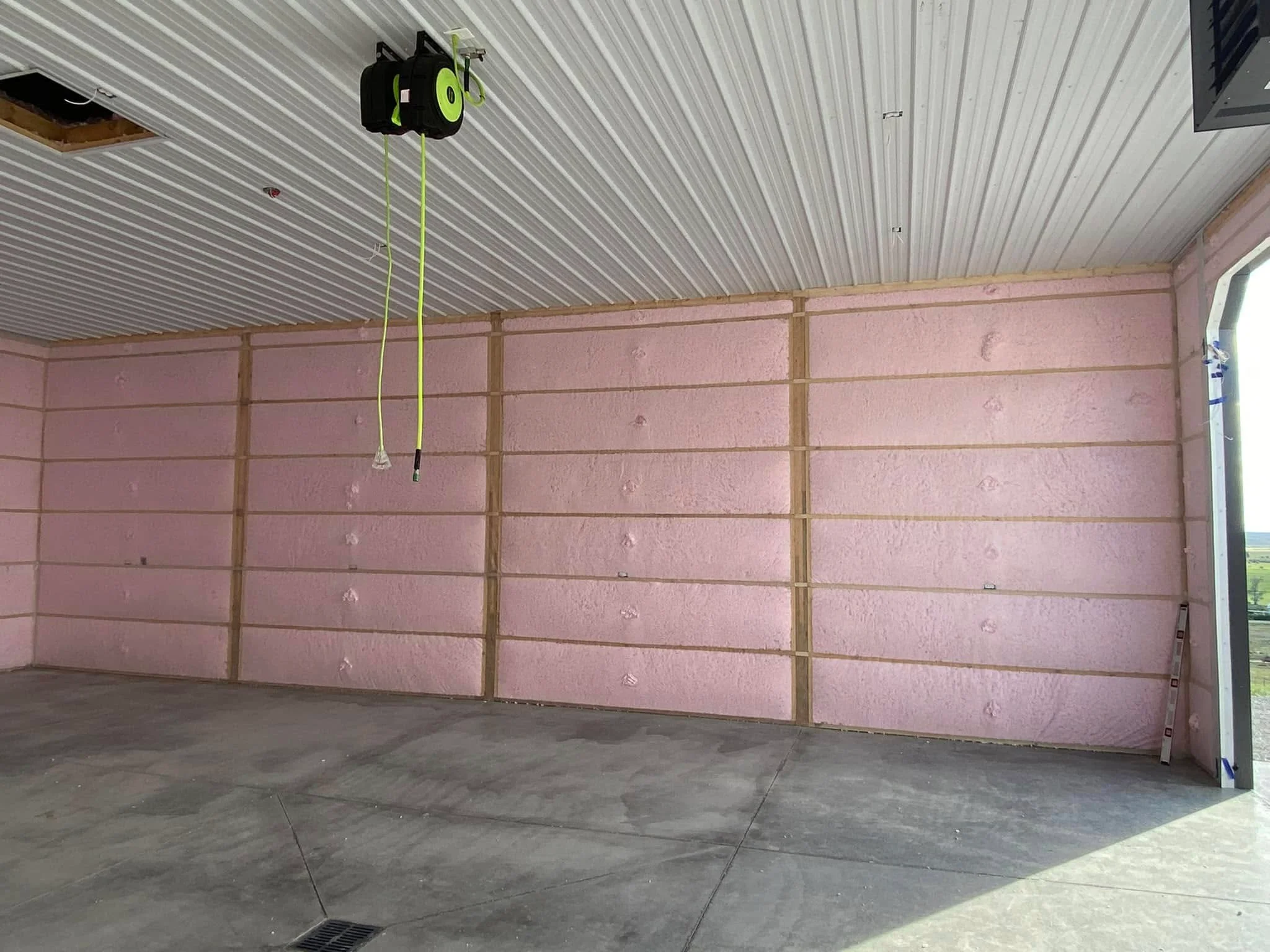
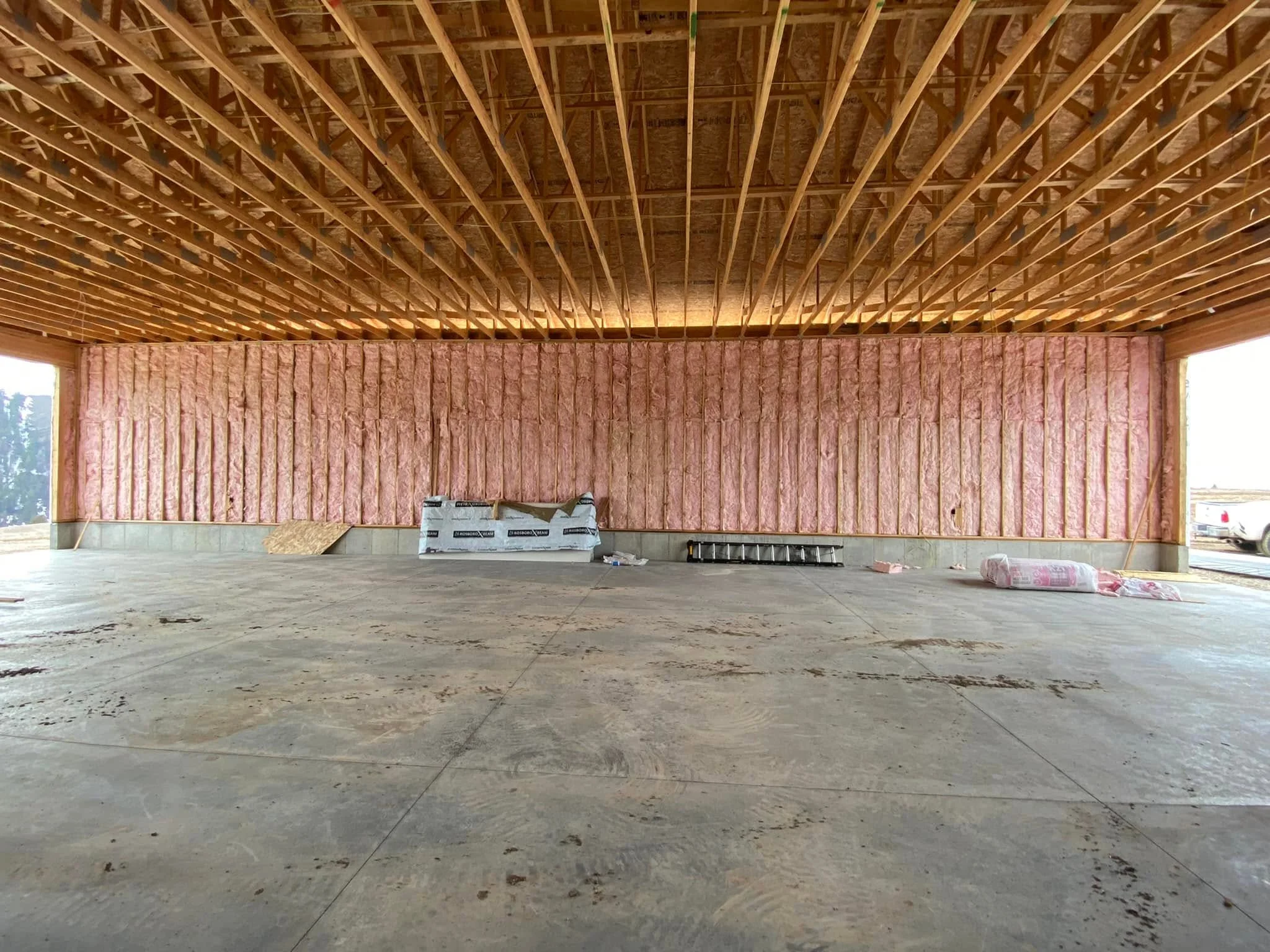
When homeowners compare spray foam to fiberglass, the gap often comes down to more than R-value alone. Fiberglass can technically match spray foam’s per-inch rating in some cases, but it does little to stop air movement, which is where most summer heat gain actually happens. This is why spray foam insulation temperature stability tends to outperform fiberglass in real-world comfort, even when the R-value numbers look close on paper.
Managing Attic and Upstairs Temperatures
Attics regularly become the hottest part of a home during peak summer months, with unvented or poorly insulated spaces climbing well above 140 degrees Fahrenheit. That heat radiates down through the ceiling, which is a major reason upstairs bedrooms stay uncomfortable long after the sun goes down.
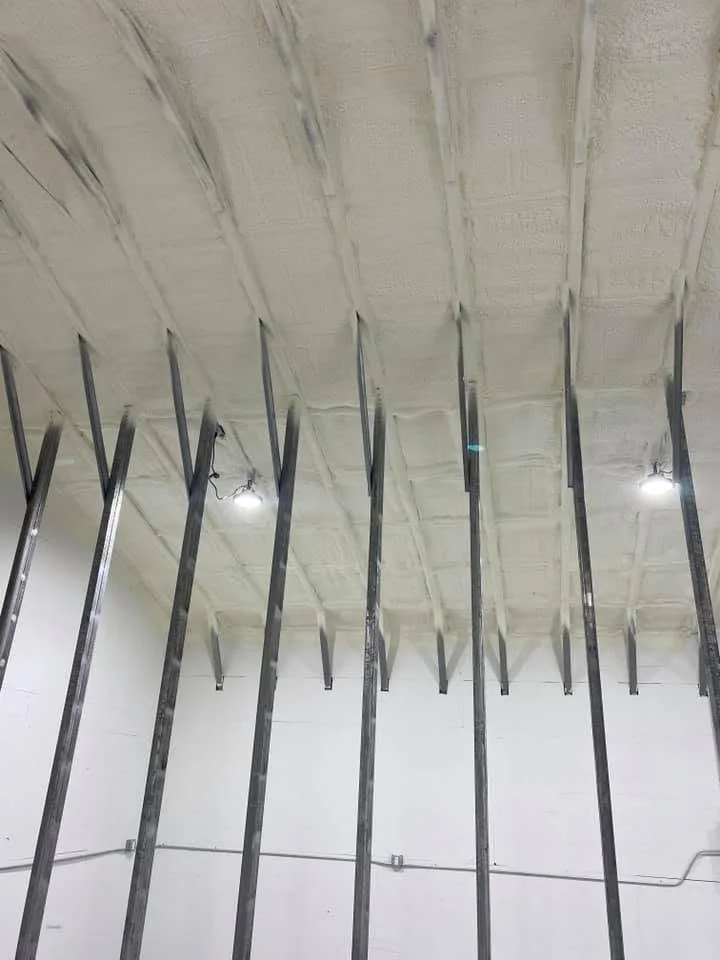
Applying spray foam to the underside of the roof deck, rather than only the attic floor, creates a conditioned attic. Moving the thermal boundary to the roofline keeps the attic within a few degrees of the living space below, which matters most when ductwork runs through that space. This attic insulation performance breakdown covers vented versus unvented setups in more depth for homeowners weighing which approach fits their roofline.
Homeowners searching for better spray foam temperature control upstairs often find that sealing the attic hatch or pull-down stairs matters as much as the insulation itself. Even a well-insulated roofline can leak significant heat through an unsealed attic access point, so a simple foam gasket or weatherstripping kit closes that remaining gap.
Reducing Radiant Heat Transfer
Sunlight striking a roof generates radiant energy that travels through roofing materials and into the structure below. While reflective barriers address part of that problem, spray foam’s physical mass slows the transfer directly. Closed-cell foam is especially effective here because its density creates a difficult path for heat to travel through, addressing conduction, convection, and radiation in a single application rather than treating them separately.
Is Spray Foam Insulation Safe
Yes, when it is installed by a trained professional using proper equipment and mixing ratios. “ Is spray foam insulation safe?” is one of the most common questions homeowners ask, and the short answer is that the finished, fully cured product is chemically stable and does not off-gas under normal conditions. The application process requires occupants and pets to leave the area for a set re-entry period while the material cures, which is standard practice across the industry.
Things to Consider Before Installing Spray Foam
Repair existing moisture issues first: Spray foam seals extremely well, which means it can also trap moisture behind it if a roof or wall already has an active leak.
Plan for mechanical ventilation: Because a foam-sealed home is airtight, some structures benefit from a heat recovery ventilator to keep fresh air cycling through.
Choose the right foam type: Open-cell foam costs less and dampens sound well, while closed-cell foam is denser and doubles as a vapor barrier.
Hire a qualified installer: Correct mixing, spray thickness, and temperature control during application directly affect how the foam cures and performs.
Why the Cooling Effect Lasts
Many homeowners notice the biggest change in how often their air conditioner cycles on and off. In a poorly sealed home, the system runs constantly to compensate for lost cool air. Once spray foam insulation is in place, the home holds its temperature far longer, so the AC runs less often, which extends equipment life and lowers monthly utility costs. Prioritizing west-facing walls tends to deliver the most noticeable difference, since those surfaces absorb the most direct afternoon sun.
Final Thoughts
Keeping a home cool through the summer comes down to controlling both air movement and heat conduction at the same time. Spray foam insulation addresses both by creating a sealed envelope with meaningfully higher thermal resistance than most conventional materials, which is ultimately what drives good spray foam temperature control year-round. For a wider look at how these gains hold up over time, the long-term performance advantages of spray foam are worth reviewing before making a final decision.
Before deciding on an approach, it helps to assess current insulation levels and identify where most heat enters the structure. That starting point, more than any single product choice, determines how much of a difference the upgrade actually makes.
Frequently Asked Questions
Does spray foam insulation help with humidity in the summer?
Yes. By blocking hot outdoor air, spray foam also keeps out much of the moisture that air carries, which makes it easier for an air conditioner or dehumidifier to maintain a comfortable indoor climate.
Can spray foam be installed over old fiberglass insulation?
It is generally best to remove old or damp insulation first so the foam can bond directly to wood or masonry and form a complete seal.
How long does the cooling benefit from spray foam last?
Spray foam does not sag or settle over time the way fiberglass and cellulose can. Once cured, it maintains its R-value and air sealing properties for the life of the building.
Is spray foam a good option for older homes?
It often works especially well in older homes, since its expanding application fills irregular or oddly shaped cavities that standard batts cannot reach.
What affects spray foam insulation temperature performance the most?
Air sealing quality has the biggest impact. A home with excellent R-value but leaky penetrations will still lose the battle against outdoor heat, so gap-free application matters as much as the foam type chosen.
Sources
Spray Polyurethane Foam Alliance: industry technical data and performance standards for spray foam. (https://www.sprayfoam.org/)
I’m Skeeter Aimone, owner of High Country Solutions in Alpine, Wyoming, leading the company since 2019. I focus on quality installation, building science, and insulation solutions suited to harsh Wyoming and eastern Idaho conditions.