What Problems Can Mineral Wool Insulation Help Solve in Residential Buildings?
Quick answer: The main benefits of mineral wool insulation in a house come down to five problems: rooms that lose…


Insulation contractors keep builders on schedule by managing one of the most time-sensitive phases in new construction, the narrow window between rough-in inspections and drywall installation. In a place like Driggs, Idaho, where cold winters and a short building season compress timelines, any delay in the insulation phase can cascade through the entire project. A skilled insulation contractor coordinates directly with plumbers, electricians, and HVAC crews, pre-orders materials for cold-climate R-values, and mobilizes crews quickly so the next trade can start on time. The right partner handles code compliance for heating-dominated climate zones, prevents failed inspections, and eliminates the rework that costs builders days of schedule and budget. Having builder insulation expertise on your side helps keep projects moving efficiently and avoids costly setbacks.
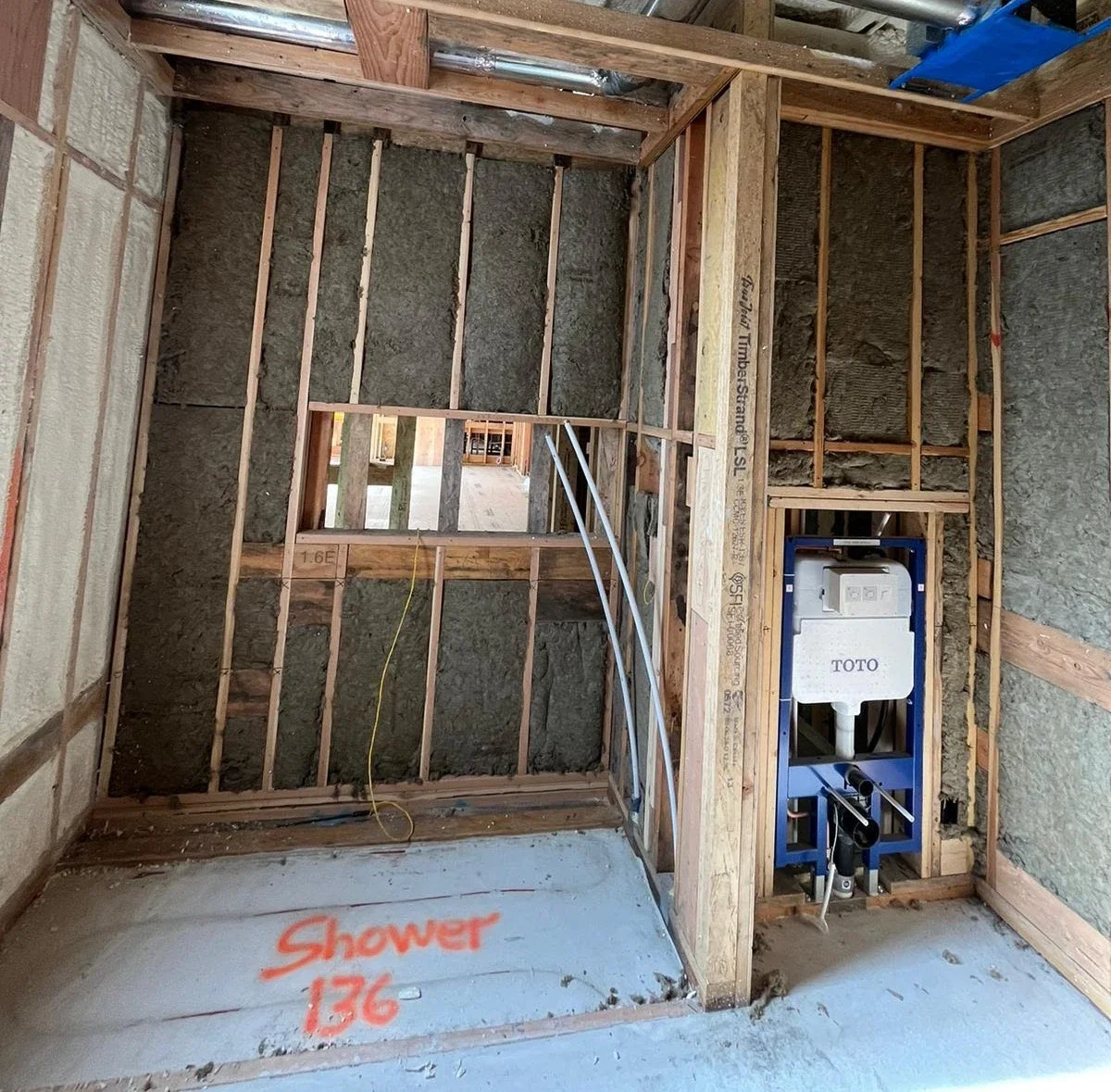
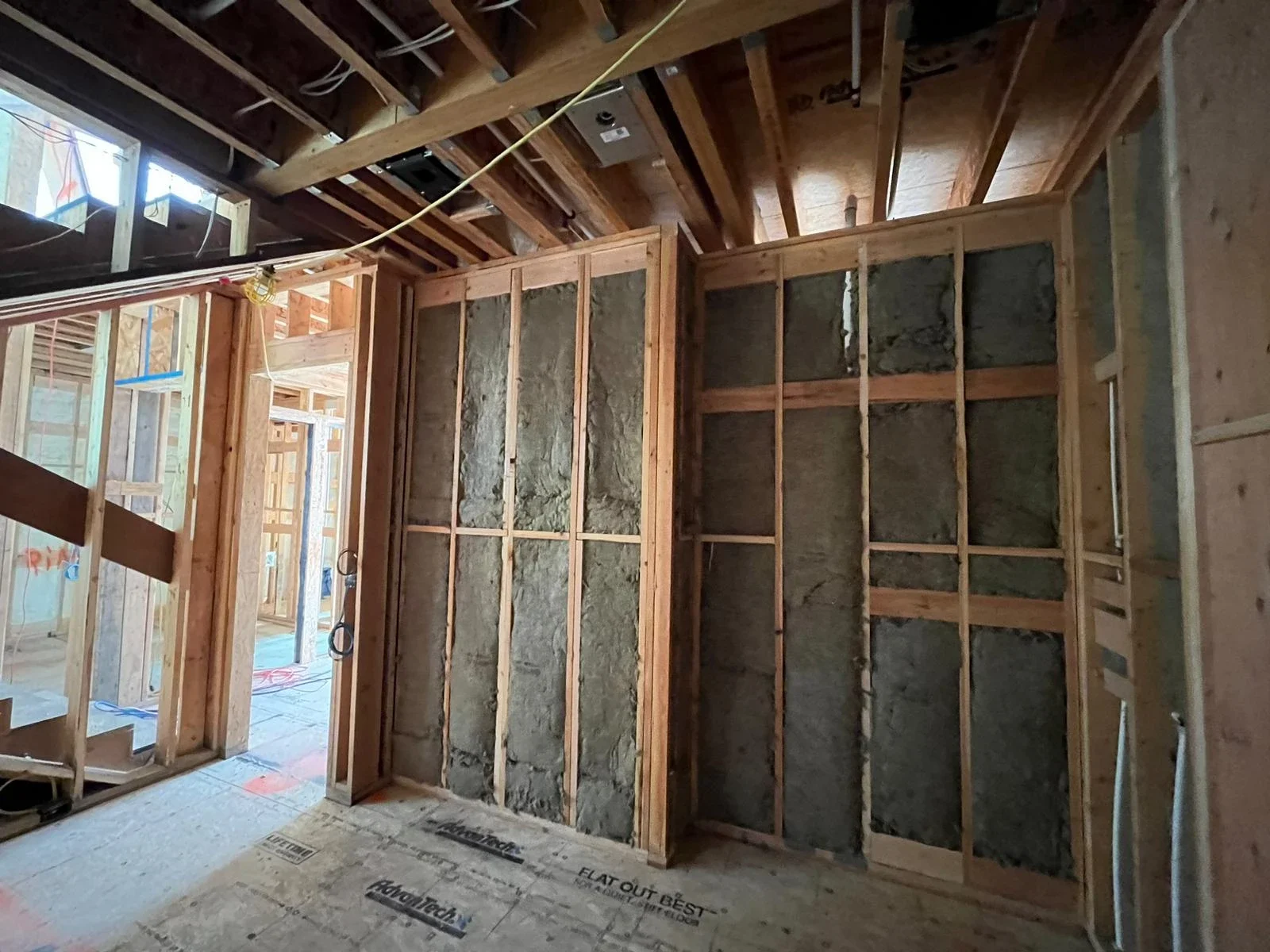
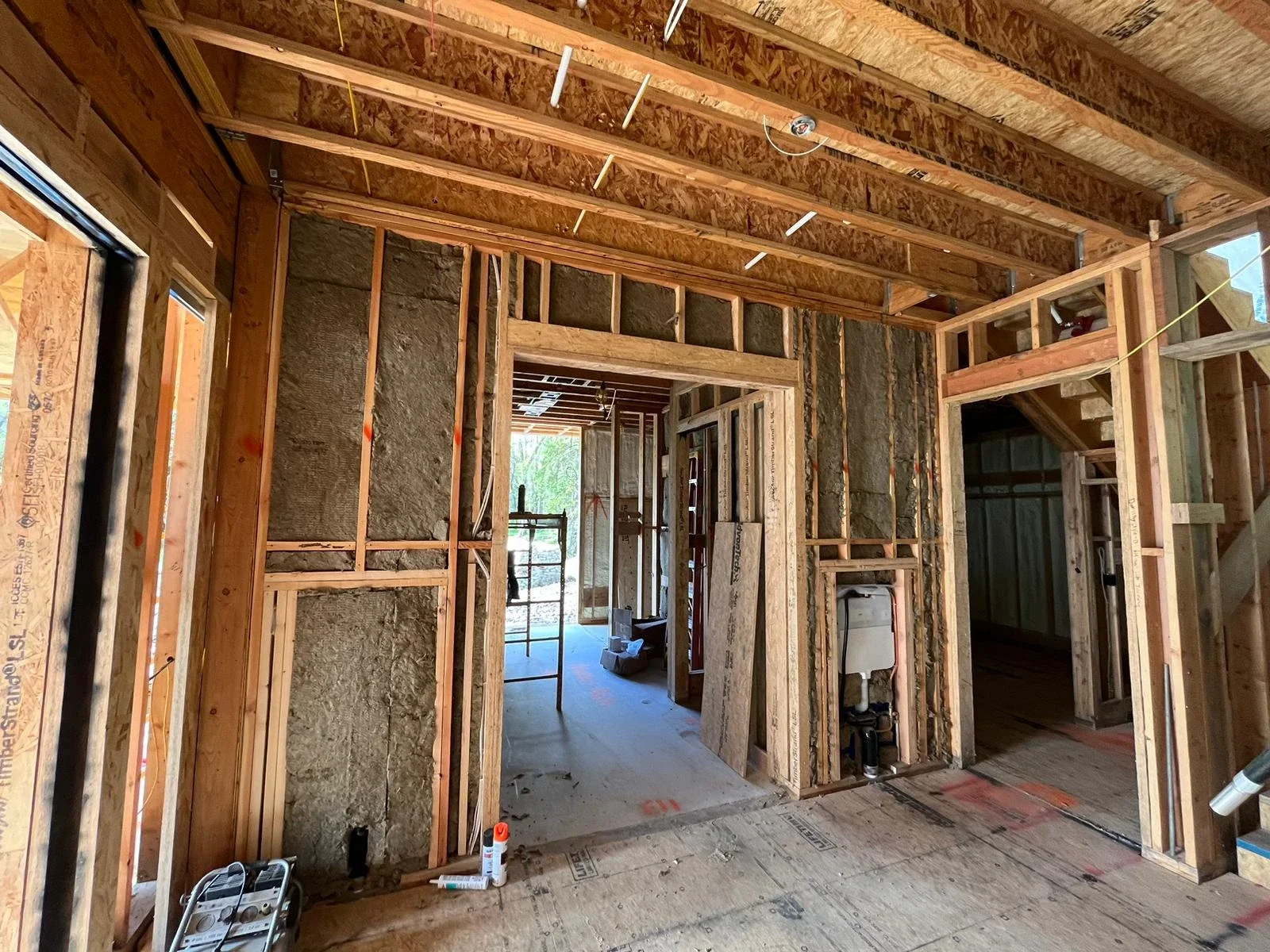
The insulation phase occupies a narrow corridor in the construction sequence. After framing, plumbing, electrical, and HVAC rough-ins pass inspection, insulation goes in before drywall closes up the walls and ceilings. According to industry timelines, this phase typically takes 3 to 7 days on a standard residential build. In Driggs, where the building season competes with freezing temperatures, that window is even tighter. If your insulation crew shows up late, underperforms, or fails inspection, every downstream trade, including drywall hangers, painters, finish carpenters, and flooring installers, gets pushed back. Following a solid home insulation plan helps avoid delays and keeps the entire project moving smoothly.
A professional insulation contractor eliminates this bottleneck by treating the schedule as a shared responsibility, not just a task on a list. Our crews show up with materials pre-staged, equipment loaded, and a clear understanding of the inspection requirements specific to Teton County. That preparation alone saves days compared to contractors who arrive without confirming rough-in status or material availability.
Driggs sits in the Teton Valley at an elevation of approximately 6,000 feet, placing it firmly in a cold, heating-dominated climate zone. The U.S. Department of Energy classifies this region under Climate Zone 5 or 6, depending on the specific IECC mapping. That classification carries direct implications for R-values and wall assembly requirements.
Under the 2021 IECC, homes in cold climate zones require ceiling insulation of R-60 for uninsulated attics and wall assemblies that combine cavity insulation with continuous exterior insulation. Failing to meet these standards during the build means inspection failures, mandatory corrections, and schedule delays that can extend a project by weeks.
| Building Component | R-Value Requirement (Zone 5) | R-Value Requirement (Zone 6) | What This Means for Builders |
|---|---|---|---|
| Uninsulated attic ceiling | R-60 | R-60 | Thick blown-in or spray foam in attic spaces |
| Wood-frame walls | R-20 + R-5 CI or R-13 + R-10 CI | R-20 + R-5 CI or R-13 + R-10 CI | Cavity insulation plus a continuous exterior layer |
| Floor over unconditioned space | R-30 | R-30 | Rim joist and crawl space insulation |
| Basement walls | R-15 + R-5 CI or R-19 | R-15 + R-10 CI or R-19 | Interior or exterior foundation insulation |
An insulation contractor who knows these requirements cold, pun intended, will specify the right materials on the front end, order them in advance, and install to pass inspection the first time. No callbacks, no rework, no lost days waiting for a re-inspection slot.
The single biggest schedule risk in the insulation phase is a failed inspection. Common causes include gaps in coverage, compressed insulation, missing air sealing at penetrations, and incorrect R-values for the climate zone. When an inspector red-tags the job, builders lose 2 to 5 business days waiting for corrections and a re-inspection opening.
Experienced insulation contractors prevent this by following a pre-installation checklist: verifying rough-in sign-off, confirming all penetrations are sealed, and checking that cavity insulation fills every stud bay without voids or compression. The DOE notes that insulation performance is highly dependent on installation quality, and contractors familiar with the products they install achieve better results.
Cold-climate builds require more insulation material by volume than temperate-zone projects. A wall assembly calling for R-20 cavity fill plus R-5 continuous insulation uses substantially more product than a basic R-13 batt installation. If materials are not ordered and staged before the crew mobilizes, builders lose days waiting on supply deliveries. Proper construction spray foam planning helps avoid these delays and keeps projects on schedule.
Our team pre-calculates material quantities based on actual plans, not rough estimates, and coordinates delivery to arrive before our crew. In Driggs, where suppliers may require lead times for specialty products like closed-cell spray foam or rigid continuous insulation boards, this planning step is the difference between an on-time drywall start and a week-long delay.
Insulation cannot start until plumbing, electrical, and HVAC rough-ins pass inspection. At the same time, drywall crews cannot begin until insulation passes its own inspection. This creates a scheduling choke point where multiple trades converge. When communication breaks down between the builder and the insulation contractor, the result is crews standing around waiting or, worse, working over each other.
We coordinate directly with project managers and superintendents to confirm inspection status, confirm material staging, and give accurate arrival estimates. Builders who share look-ahead schedules with their insulation subs see fewer conflicts and more predictable handoffs between trades.
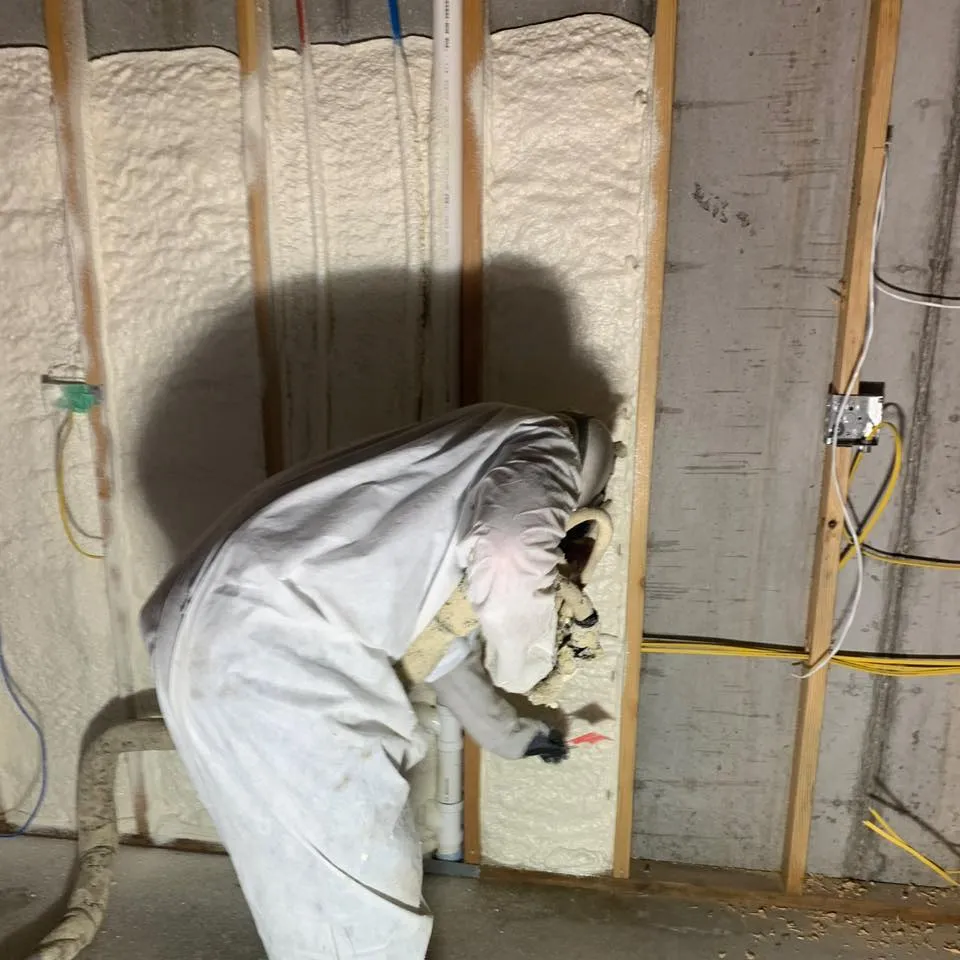
Not all insulation types install at the same pace, and material selection has a direct impact on how quickly the insulation phase completes. According to the Department of Energy, foam insulation can reduce construction time by combining cavity fill and air sealing into a single application step.
| Insulation Type | Typical Install Speed | Air Sealing Included | Best Application in Driggs Builds |
|---|---|---|---|
| Closed-cell spray foam | Fast, single-pass | Yes | Walls, rim joists, crawl spaces |
| Open cell spray foam | Fast, single-pass | Yes | Attic surfaces, wall cavities |
| Fiberglass batts | Moderate | No, separate step | Standard wall cavities |
| Blown-in cellulose/fiberglass | Moderate | Partial | Attics, enclosed wall cavities |
| Rigid foam board | Moderate to slow | When taped and sealed | Continuous exterior insulation |
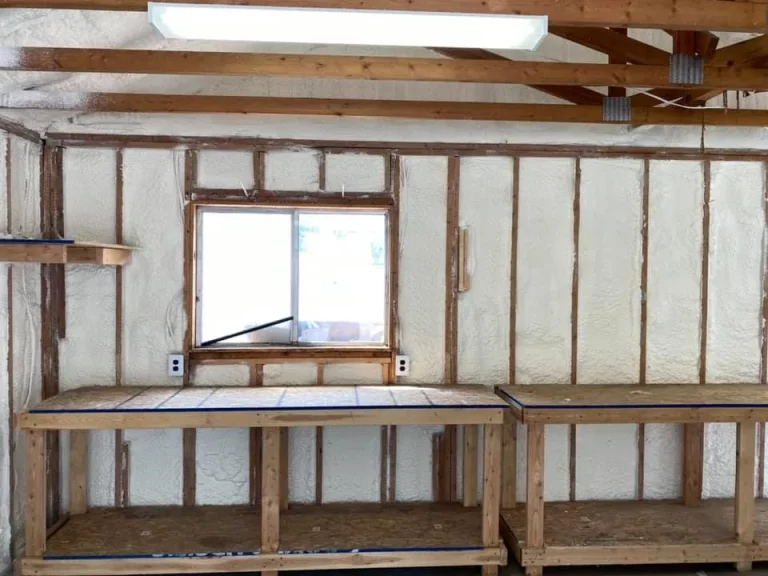
Spray foam products offer the fastest path through the insulation phase because they fill cavities, seal air leaks in the same pass, and reach target R-values with less material thickness. For builders running tight schedules in Driggs, spray foam can shave multiple days off the insulation phase compared to multi-step batt and air-sealing approaches.
A strong insulation partner does not wait for a phone call to confirm dates. They reach out proactively, review the build schedule, and identify potential conflicts before they become problems. Look for contractors who ask about your inspection timeline, confirm material lead times, and provide a clear scope of work before mobilizing.
Not every insulation contractor understands the demands of a Zone 5 or 6 build. Ask potential partners about their experience with continuous insulation requirements, rim joist air sealing, and attic ventilation strategies specific to cold climates. The right contractor will reference IECC standards without prompting and explain how their installation meets or exceeds local code requirements.
Ask for references from other builders who can confirm the contractor’s inspection pass rate. A contractor who consistently passes inspection on the first visit is worth more than one who offers a lower bid but routinely needs corrections. In a compressed building season like Driggs, schedule reliability carries more weight than price alone.
Projects in cold climates often require a combination of insulation types: spray foam for rim joists and hard-to-reach areas, blown-in material for attics, and rigid foam for continuous exterior insulation. A contractor who can handle all of these applications with a single crew and a single mobilization reduces trade complexity and eliminates the scheduling headaches of coordinating multiple insulation subs.
Staying on schedule in Driggs requires an insulation contractor who understands cold-climate building science, communicates proactively, and shows up prepared to pass inspection on the first visit. The insulation phase may only take a few days, but its position on the critical path means any disruption ripples through the rest of the build. Builders who invest in a qualified insulation partner gain more than just thermal performance; they gain schedule predictability, fewer inspection callbacks, and a smoother workflow from framing through finish work.
Our team at High Country Solutions specializes in keeping builders on schedule with professional insulation services designed for cold-climate construction. We coordinate directly with your project timeline, pre-stage materials for fast mobilization, and install to code-compliant R-values so you pass inspection on the first visit. Whether your project calls for closed-cell spray foam, open-cell spray foam, insulation removal and replacement, pole barn insulation, or attic insulation, our professionals deliver clean, efficient work that keeps your downstream trades moving.
Request a Quote | Schedule a Consultation
Call us at (307) 248-9063 or email [email protected] to discuss your next project. We are ready to help you build on time, every time.
The insulation phase generally takes 3 to 7 days for a standard residential build, depending on home size and material type. Spray foam installations tend to be faster because they combine insulation and air sealing into a single step.
Driggs falls in IECC Climate Zone 5 or 6, which requires R-60 ceiling insulation and wall assemblies with cavity insulation plus continuous exterior insulation. Specific requirements depend on your exact location and the 2021 IECC standards adopted by local code enforcement.
A failed inspection means corrections must be made and a re-inspection scheduled, which typically adds 2 to 5 business days to the schedule. Common failures include gaps in coverage, compressed material, and missing air sealing at penetrations.
Some insulation types, particularly spray foam, have temperature limitations for application and curing. An experienced contractor will monitor conditions and plan around cold snaps to avoid delays or compromised installations during the Driggs building season.
We recommend involving your insulation contractor during the planning phase so material quantities can be calculated and ordered before framing is completed. For projects in Driggs, where the building season is short, early coordination helps guarantee your place on the schedule.