A Spray Foam Insulation Crew That Works on Your Schedule, Not Around It in Idaho Falls, ID
Spray Foam Insulation in Idaho Falls, ID works best when the crew fits your calendar, not the other way around.…


Spray Foam Insulation in Idaho Falls, ID works best when the crew fits your calendar, not the other way around. We book installs around your work, school, and move-in dates, and we seal and insulate in one visit.
Long winters put your insulation to work for months. Gaps in the attic and along the foundation let warm air out and cold air in.
January brings an average low of 14°F and a high near 29°F, and the snowy season runs from early November to mid-March, according to WeatherSpark. That’s a lot of time for your furnace to fight leaks. Because winters drag on, many homeowners want a Spray Foam Insulation Crew Idaho Falls, ID can book quickly and trust to respect their calendar.
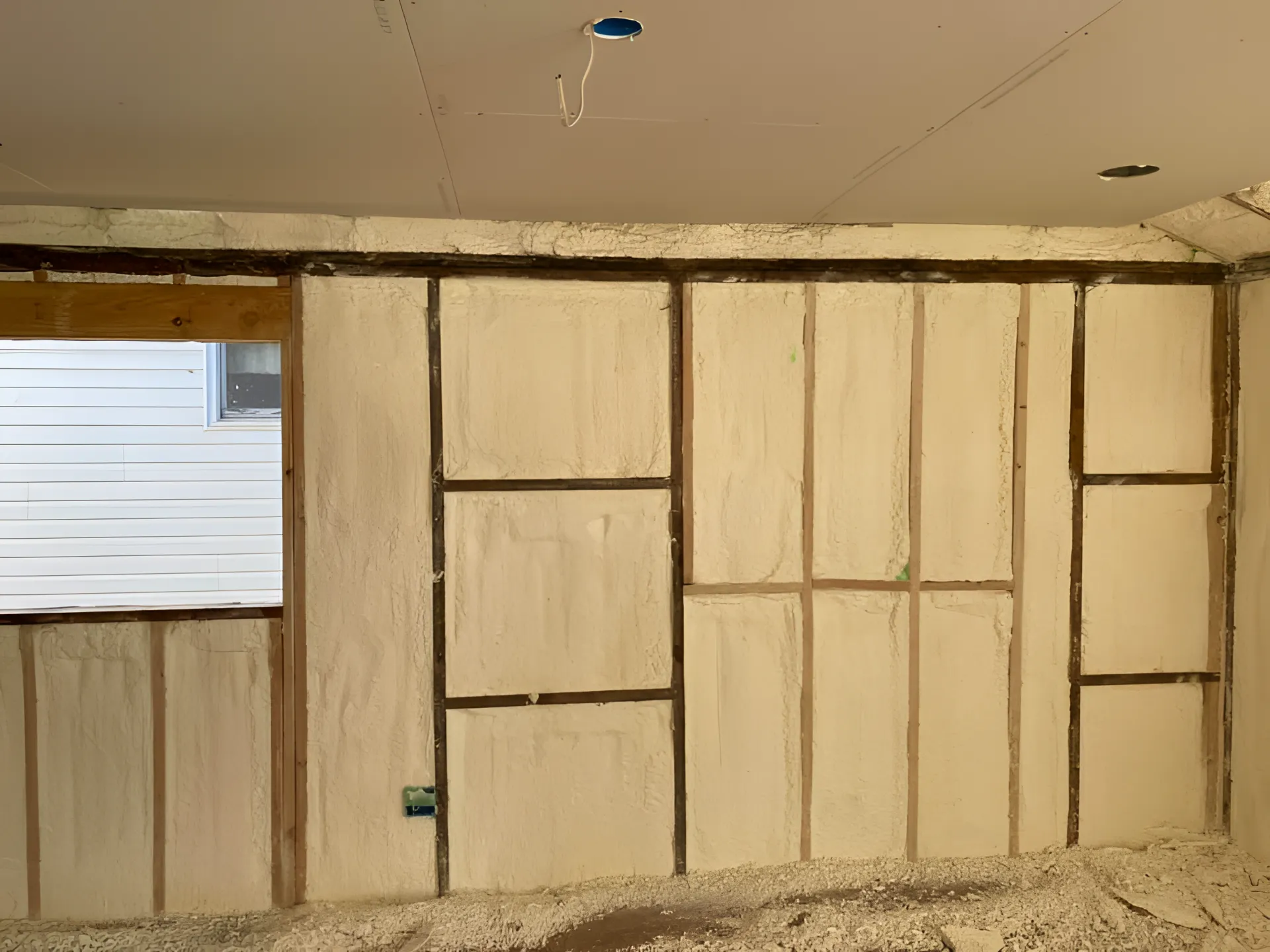
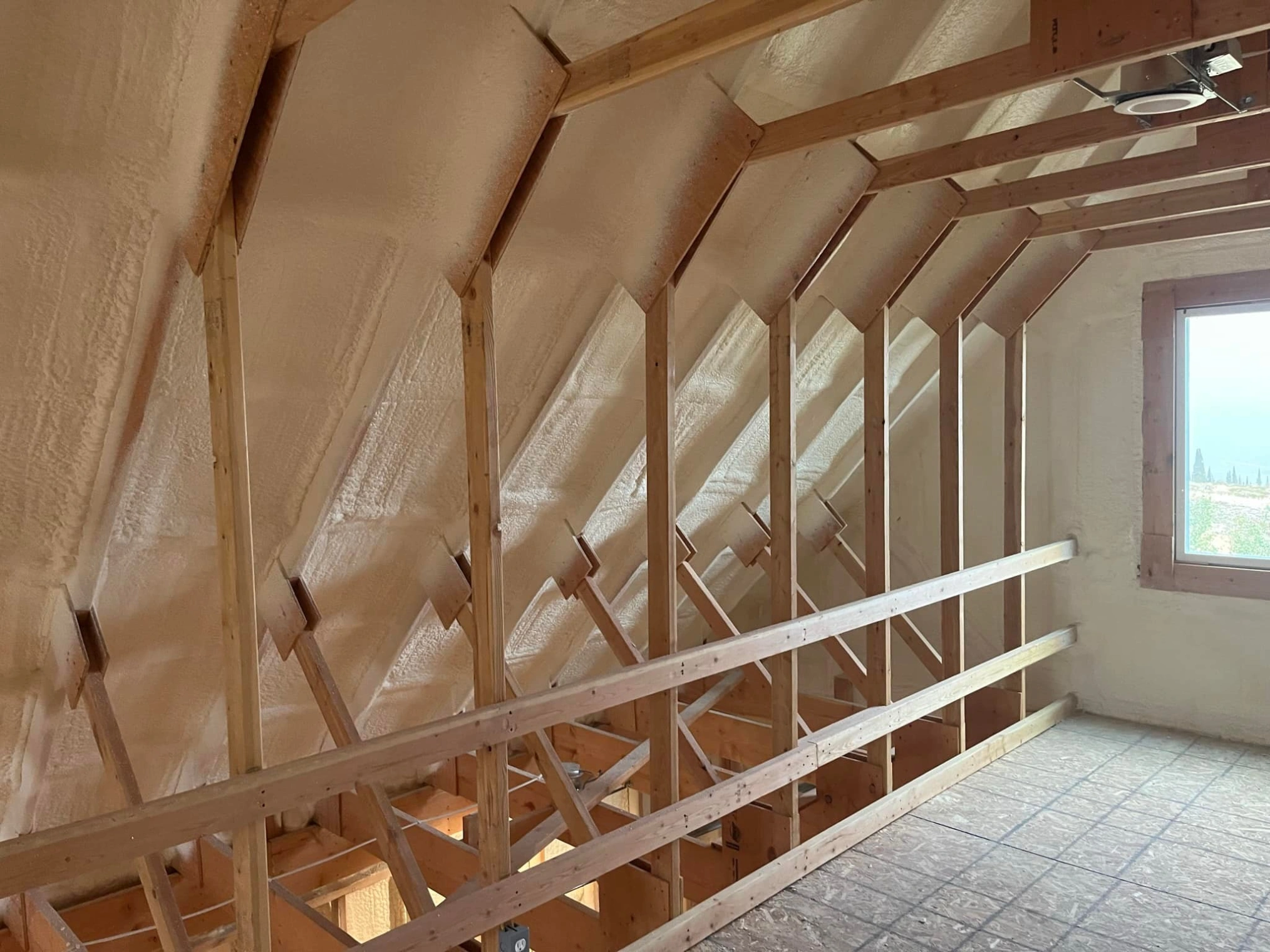
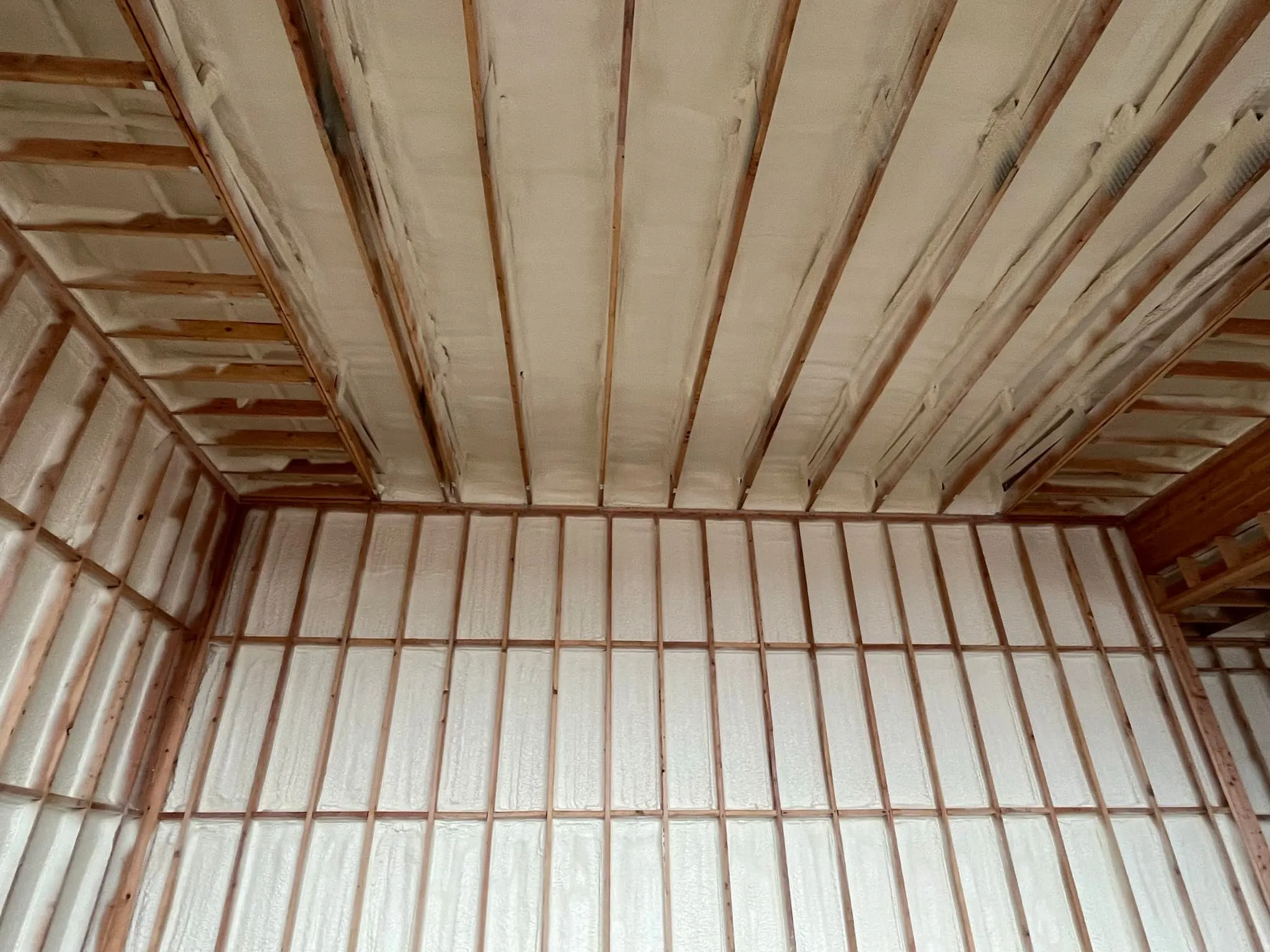
Spray foam goes on as a liquid and expands to fill cracks. You get insulation and air sealing in one pass.
Closed-cell spray foam reaches about R-6.5 per inch and also works as a vapor barrier and air barrier, based on Fine Homebuilding. Open-cell foam has a lower R-value per inch, but it typically costs less and suits dry cavities.
| Feature | Open-Cell | Closed-Cell |
|---|---|---|
| R-value per inch | Lower | About R-6.5 |
| Moisture control | Limited | Acts as a vapor barrier |
| Typical use | Dry attics and wall cavities | Crawl spaces, rim joists, tight or damp areas |
| Cost | Usually lower | Usually higher |
Which one fits depends on the space, your moisture risk, and your budget. We handle Spray Foam Insulation Installation in the Idaho Falls, ID area by area, so your attic and your crawl space don’t have to get the same foam.
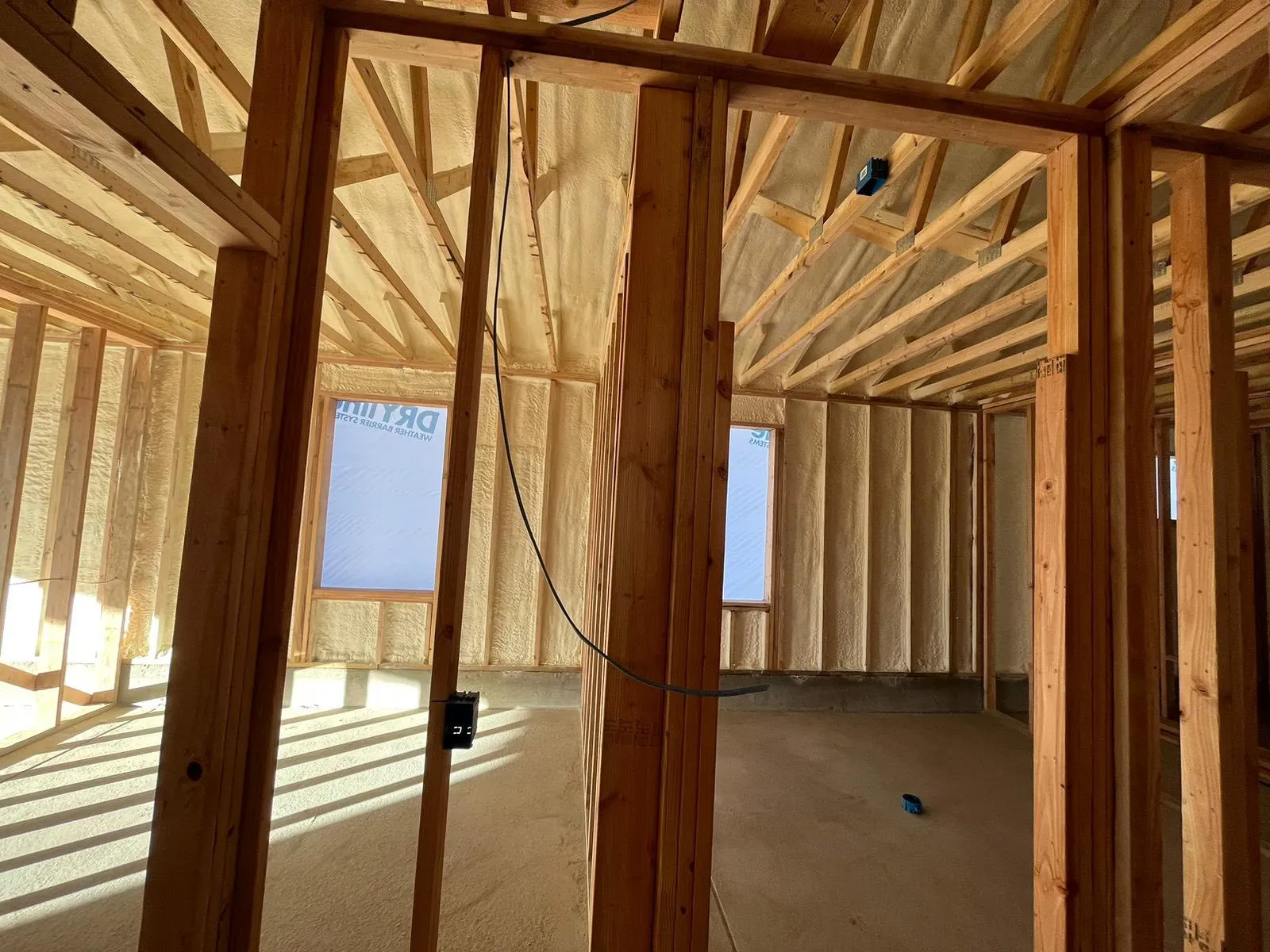
Most insulation jobs force you to rearrange your week. We flip that and start with your availability. Good Spray Foam Insulation Scheduling Idaho Falls, ID begins with one question: when are you home, and when aren’t you? From there, we build the job around your answer.
That last point matters for safety. The EPA says only applicators and helpers with proper protective gear and controls should be present during and shortly after spraying.
A clear plan keeps the day short and predictable. Here’s how a typical visit goes.
A little prep saves time on the day. It also keeps your belongings clean.
Foam is hard to undo once it’s sprayed, so the questions you ask up front matter. A good answer should be specific, not vague. A Spray Foam Insulation Contractor in Idaho Falls, ID should explain which foam type fits each area and why. Ask what thickness and R-value they’re aiming for, how long you need to stay out, and how they protect your floors and belongings. Then ask for the price in writing.
We built our approach around that kind of clarity. Our Professional Spray Foam Installers in Idaho Falls, ID show you the plan before any foam goes on, and our Residential Spray Foam Services in Idaho Falls, ID focus on homes where comfort and timing both count.
If your house runs cold and your calendar is already packed, we’d like to hear from you. High Country Solutions will look at your space, explain your options, and give you a free quote. Then we’ll pick a day that works for you.
Phone: (307) 248-9063 Email: [email protected]
It often can, because it adds R-value and seals air leaks at the same time. The savings depend on your home’s size, age, and current insulation.
Yes, it’s commonly added in attics, crawl spaces, and rim joists where the framing is exposed. Closed walls usually need access through drywall or small openings.
Often, yes, but manufacturers set minimum temperatures for the foam and the surface it’s sprayed on. We check the product data sheet and reschedule if conditions are too cold.
It depends on the area and the R-value you want, since R-value builds with every inch. We recommend a thickness after we see the space.
Common signs include cold rooms, drafts, ice buildup on the roof edge, and heating bills that stay high. A walk through your attic usually tells us more.