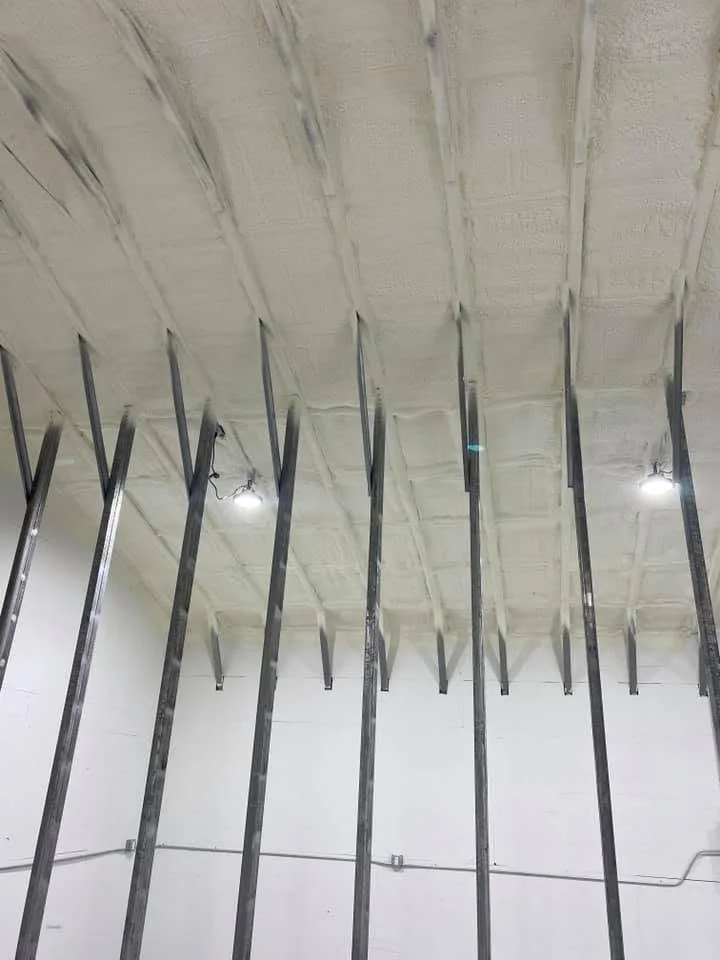
Why Your Home Stays Cooler With Spray Foam Insulation
Skeeter Aimone
December 23rd, 2025
Time for the honest answer. Closed-cell spray foam lifespan can extend for decades when the material is installed correctly and maintains its thermal performance and physical strength. Independent laboratory aging studies have pulled samples from buildings decades old and found the foam still performing within acceptable limits. The payoff is a house that holds its temperature instead of battling a steady drip of hot outdoor air, and the effect is strongest once the big leaks in the envelope have been closed off with professional air sealing.
TL;DR
Spray foam insulation works as both an air barrier and a thermal barrier, which is why it beats materials that only slow heat flow.
It expands 30 to 60 times its liquid volume, closing gaps around outlets, plumbing, and framing that traditional products never reach.
Closed-cell foam delivers a higher R-value per inch than fiberglass, cellulose, or mineral wool.
Spray foam attic insulation applied to the roofline builds a conditioned attic, which makes the upstairs far easier to cool.
When weighing spray foam insulation vs fiberglass, air sealing performance deserves as much attention as R-value alone.
Correct installation, moisture repair, and ventilation planning all shape how the system performs over time.
How Spray Foam Insulation Keeps Outdoor Heat Out
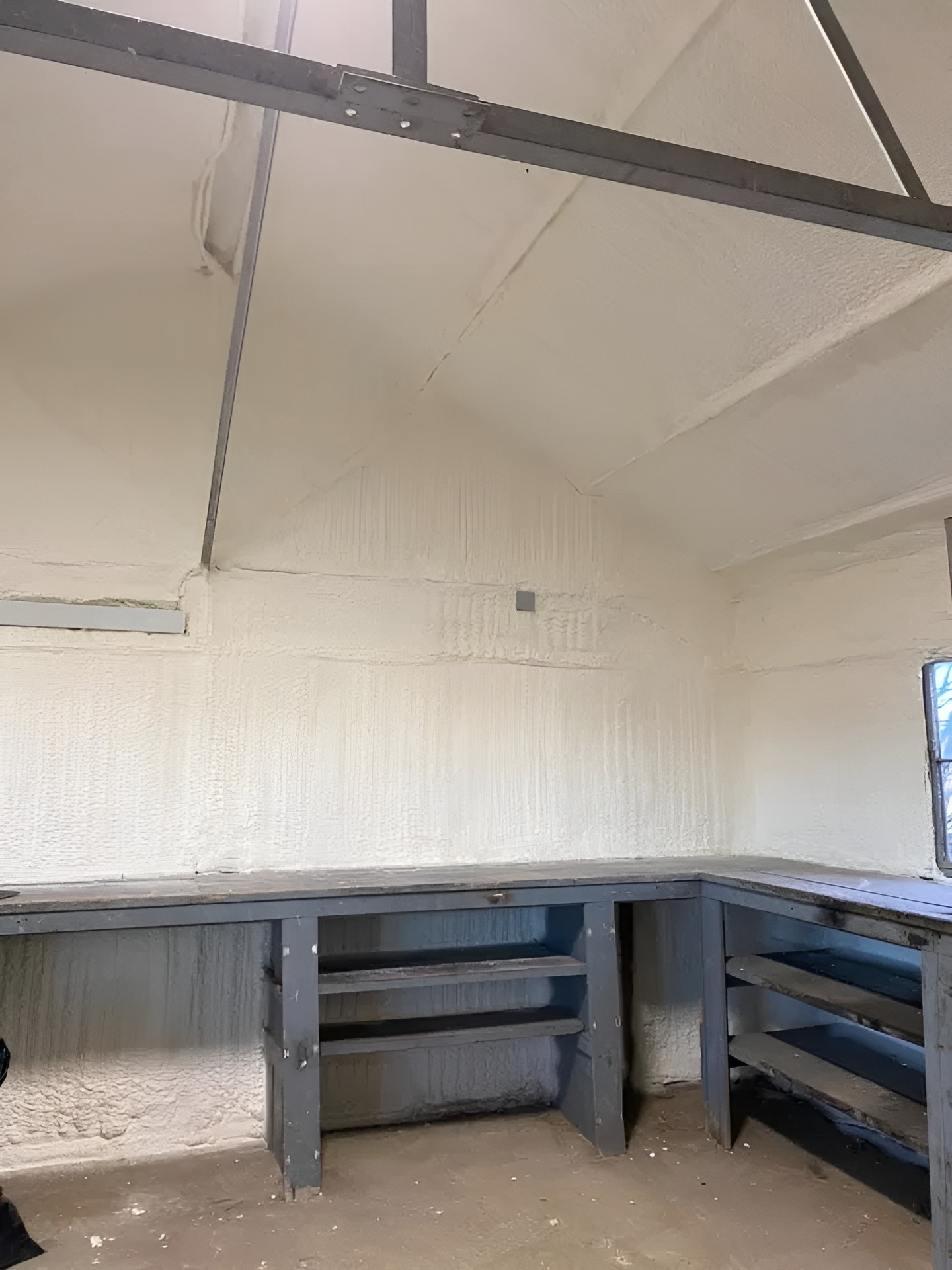
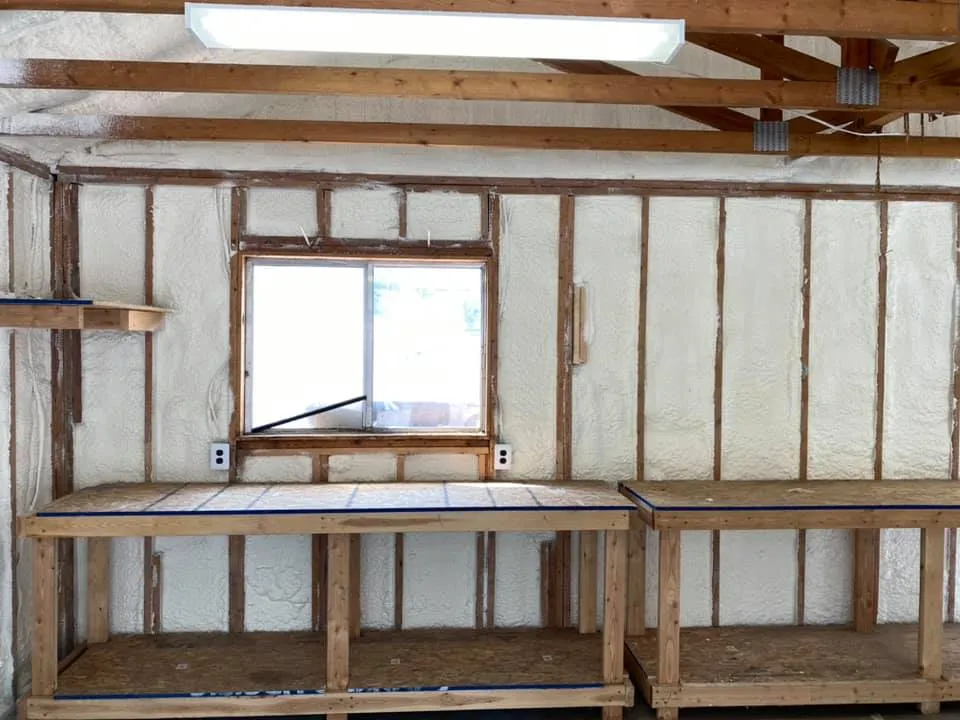
Air infiltration drives a big share of the summer heat gain in a typical home. Unlike batts or rolls, once the spray insulation foam is applied to a wall cavity or attic floor, it expands fast and pushes into the small openings around electrical boxes, plumbing stacks, and baseboards, spots that act like a thousand tiny open windows all season long.
Closing those gaps also interrupts the chimney effect, the pattern where hot air slips in low on a structure and shoves cooled air out through the top. That mechanism sits at the heart of why foam keeps a house cooler, even in homes that already hold some insulation.
Spray Foam Insulation vs Fiberglass: What the Numbers Show
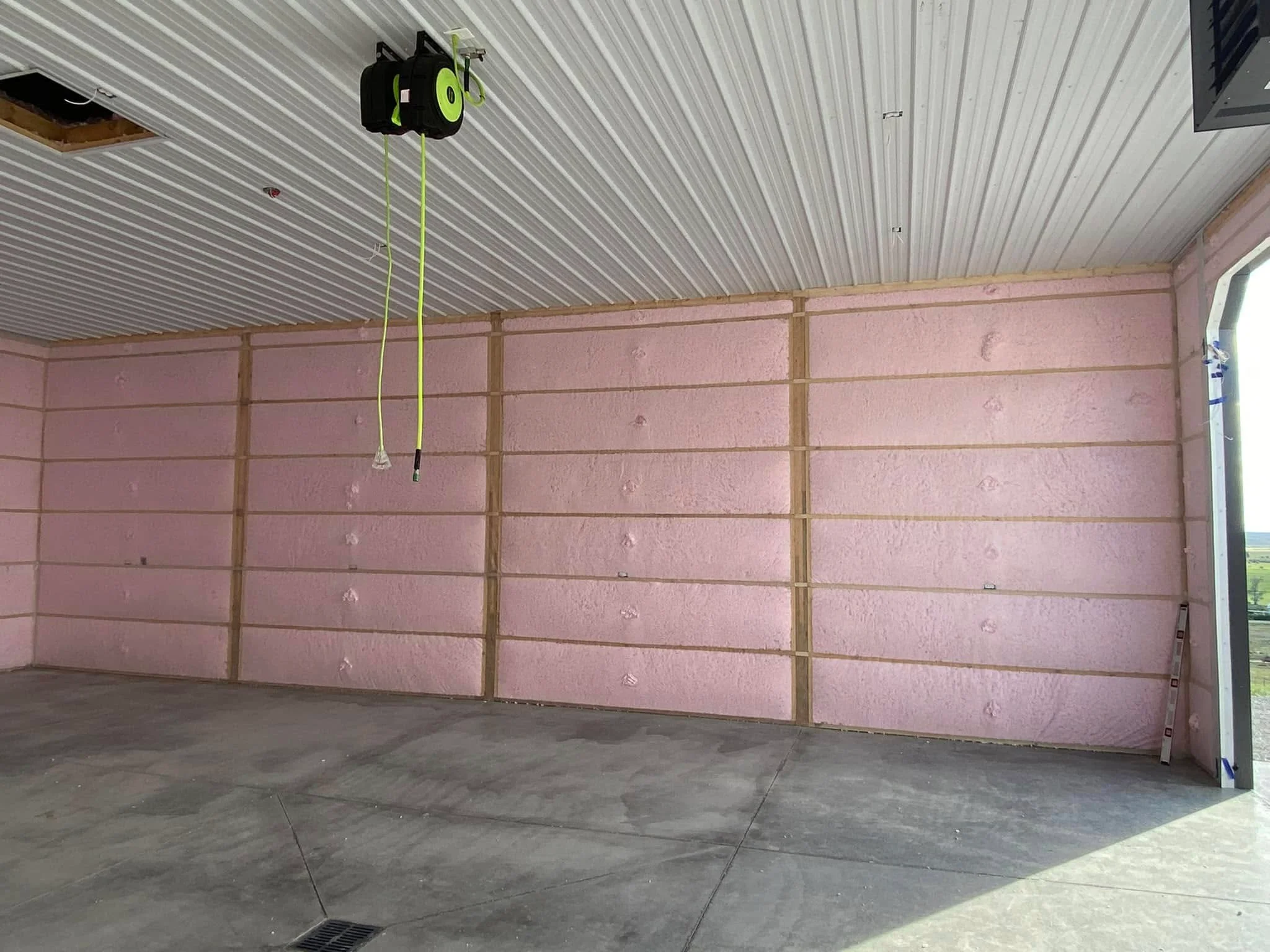
R-value measures how strongly a material resists heat flow, and a bigger number means stronger insulating power. Closed-cell foam cures into a dense structure that blocks heat conduction better than most rivals, a point backed by field data from the International Association of Certified Home Inspectors.
Insulation Type
R-Value per Inch (Approx.)
Air Sealing
Moisture Barrier
Open-Cell Spray Foam
3.5 to 3.8
Excellent
No
Closed-Cell Spray Foam
6.0 to 7.0
Excellent
Yes
Fiberglass Batts
2.9 to 3.8
Poor
No
Blown-in Cellulose
3.2 to 3.7
Moderate
No
Mineral Wool
3.0 to 3.3
Poor
No
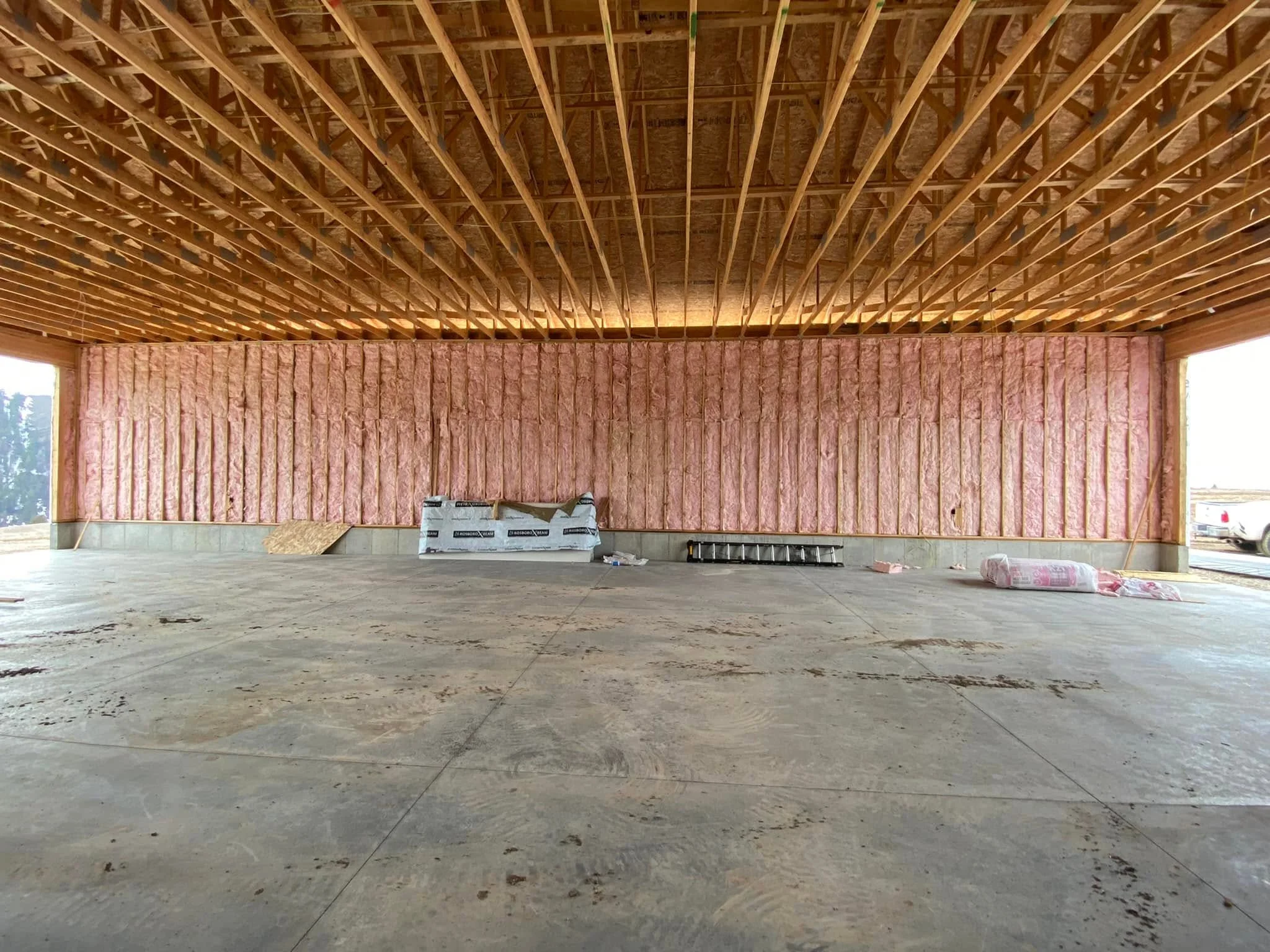
When homeowners stack spray foam insulation vs. fiberglass, the deciding factor usually runs deeper than R-value by itself. Fiberglass can, on paper, match foam’s per-inch rating in some cases, but it does little to stop air movement, which is where most summer heat gain actually starts. Conversations about the pros and cons of spray foam insulation tend to land on this same point.
Spray Foam Attic Insulation and a Cooler Second Floor
Attics turn into ovens at the peak of summer, and unvented or under-insulated spaces can climb well past 140 degrees Fahrenheit. That heat then radiates down through the ceiling, which is a big reason upstairs bedrooms stay warm long after the sun sets.
Spraying foam to the underside of the roof deck, rather than only across the attic floor, produces what builders call a conditioned attic. Shifting the thermal boundary up to the roofline keeps the attic within a few degrees of the rooms below, which matters even more when ductwork runs through that space. HVAC spray foam insulation around those duct lines stops the cool air inside them from warming up before it ever reaches a vent, and the same HVAC spray insulation protects duct seams that batts rarely cover well. Anyone puzzling over how to keep the upstairs cool will also find that sealing the attic hatch or pull-down stairs counts for nearly as much as the insulation itself, since even a tight roofline leaks heat through an unsealed access point. Homeowners describing their own attic retrofits on Reddit report the same pattern, and ENERGY STAR has published matching findings on how attic sealing shapes year-round comfort, along with a useful R-value reference for planning an upgrade.
How Spray Foam Home Insulation Keeps Rooms Cooler in the Summer
Reducing Radiant Heat Transfer
Sunlight pounding on a roof and west-facing walls turns those surfaces into radiators that keep pushing heat indoors for hours after dark. Residential spray foam contractor services can help reduce that radiant load by applying foam to the roofline and sun-exposed walls, passing less heat indoors. The same physics explains why spray foam in the lanai keeps it cooler under a covered patio ceiling on blazing afternoons. The principle carries over to commercial work too, which is why spray foam insulation for walk-in cooler builds is a common choice in restaurants and grocery settings. For cooler insulation, spray foam simply gives heat fewer paths to follow.
Is foam insulation safe? Yes, as long as a trained professional handles the application with the right equipment and mixing ratios. The finished, fully cured product is chemically stable and does not off-gas under normal conditions, though occupants and pets need to stay out of the work area for a set re-entry period while the material cures, a standard practiced across the industry.
What to Work Through Before Installing Spray Foam
Fix active moisture problems first: Foam seals so tightly that it can trap moisture behind it if a roof or wall already has an ongoing leak.
Plan for mechanical ventilation: An airtight, foam-sealed house still needs fresh air, and many homes benefit from a heat recovery ventilator. If you have wondered how a house breathes with spray foam insulation, this equipment is the usual answer.
Pick the right foam type: Open-cell foam costs less and softens sound, while closed-cell foam is denser and pulls double duty as a vapor barrier.
Hire a qualified installer: Mixing ratios, spray thickness, and temperature control during application decide how well the foam cures and performs.
Why the Cooling Payoff Endures
The clearest sign of success is usually how often the air conditioner clicks on. In a leaky house, the system runs nonstop to make up for cool air that keeps escaping. Once spray foam insulation is in place, the house holds its temperature much longer, so the AC cycles less, equipment lasts longer, and monthly bills drop- a pattern that holds up over the long term in field data from finished projects. Prioritizing west-facing walls delivers the most visible change, since those surfaces soak up the most direct afternoon sun.
Keeping a house cool through summer comes down to controlling air movement and heat conduction at the same time. Before choosing an approach, take stock of current insulation levels and find where the most heat is sneaking in. That assessment, more than any single product decision, sets the size of the difference the upgrade will actually make.
Ready to see what proper sealing and insulation could do for your home? Call High Country Solutions at (307) 248-9063 or email [email protected] for a free quote. The estimate costs nothing and comes with no obligation.
Frequently Asked Questions
Does spray foam insulation help with humidity in the summer?
Yes. Blocking hot outdoor air also blocks much of the moisture that air carries, which makes it easier for an air conditioner or dehumidifier to maintain a comfortable indoor climate.
Can spray foam be installed over old fiberglass insulation?
Removing old or damp insulation first is usually the smarter move, so the foam can bond directly to wood or masonry and form a complete seal.
How long does the cooling benefit from spray foam last?
Foam does not sag or settle the way fiberglass and cellulose can. Once cured, it keeps its R-value and air sealing for the life of the building.
Is spray foam a good option for older homes?
It often performs especially well in older homes, since the expanding application fills irregular, odd-shaped cavities that standard batts cannot reach.
I’m Skeeter Aimone, owner of High Country Solutions in Alpine, Wyoming, leading the company since 2019. I focus on quality installation, building science, and insulation solutions suited to harsh Wyoming and eastern Idaho conditions.