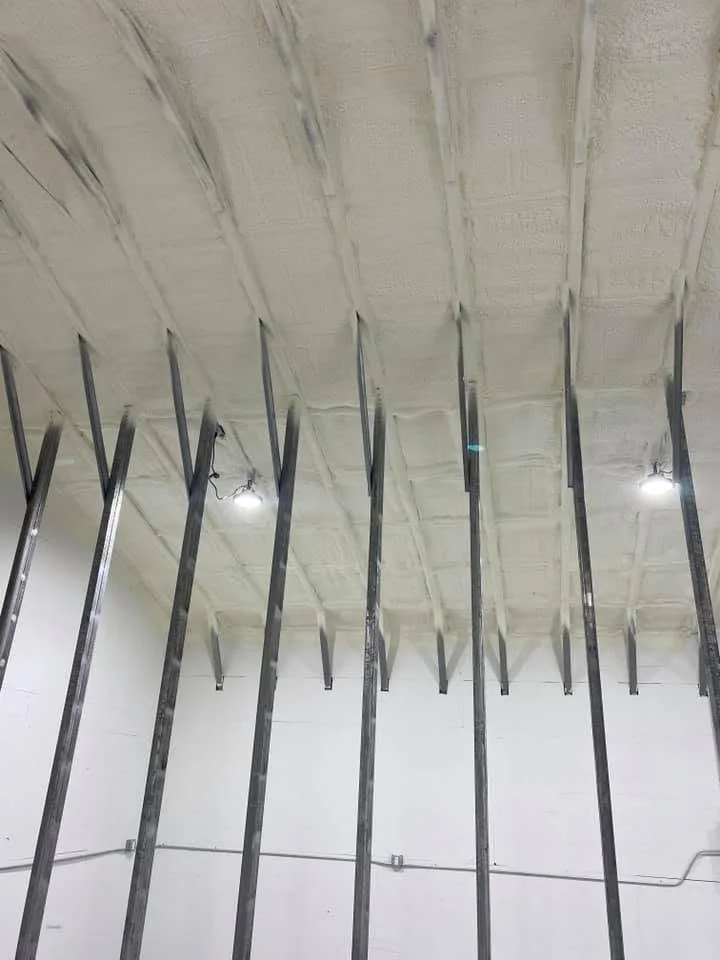
How Do Homeowners Know When Their Home Needs Spray Foam Insulation Immediately?
Skeeter Aimone
August 24th, 2026
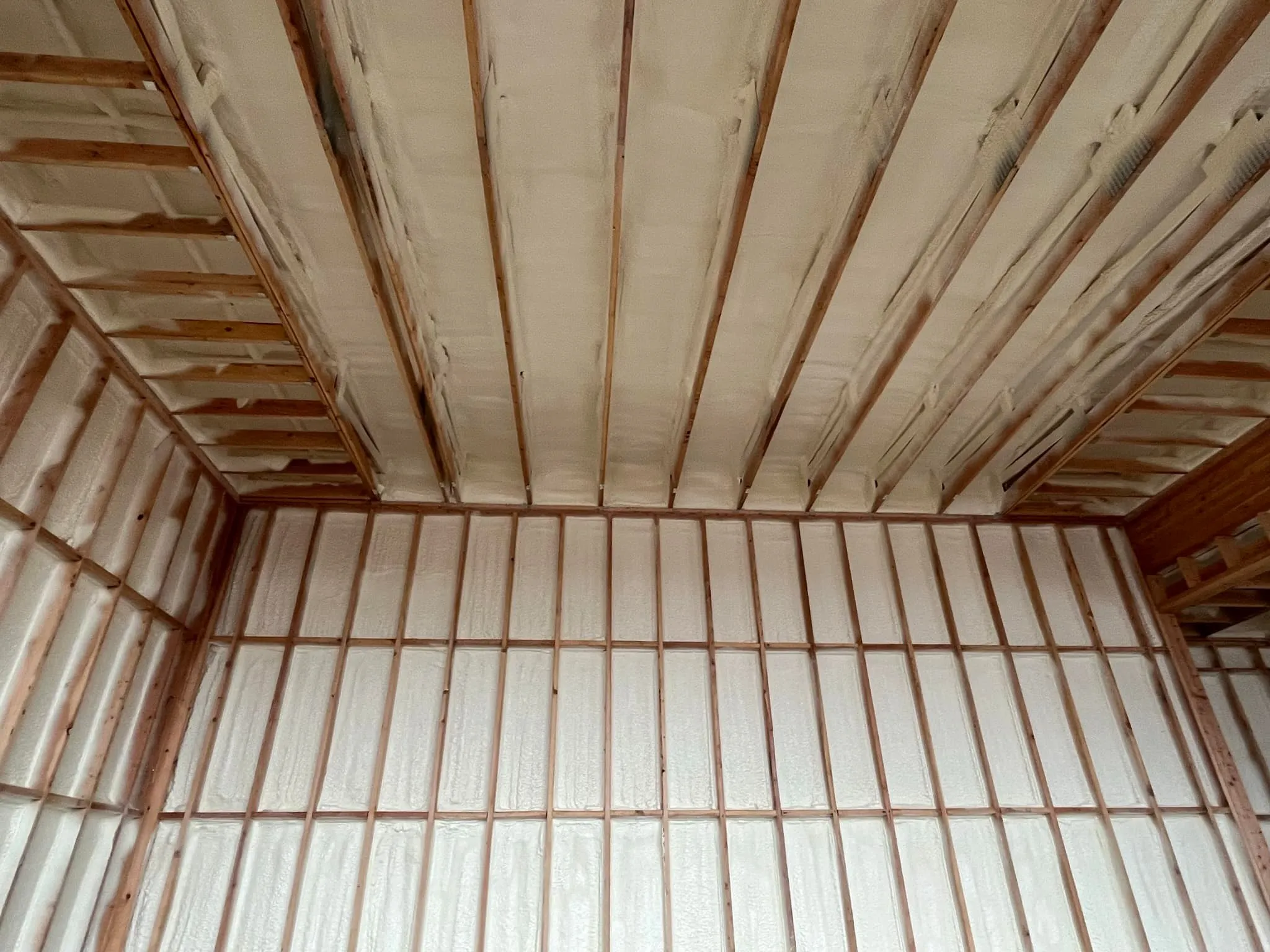
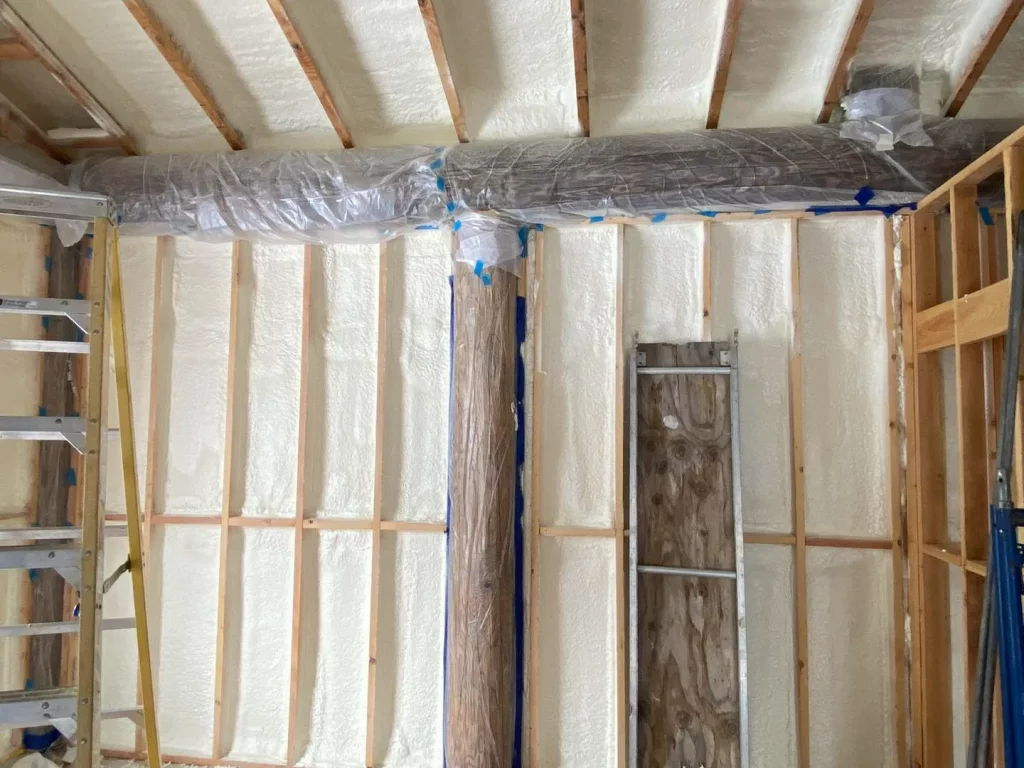
Most homeowners start asking about spray foam insulation when something in their house feels wrong: rooms that never warm up, bills that keep climbing, or a musty smell that won’t go away. The challenge is that insulation problems develop gradually, and the signs are easy to dismiss as normal home behavior. Spray foam insulation addresses two problems at once: it fills gaps and cracks to stop air leakage while adding R-value for thermal resistance. This residential spray foam guide explains how sprayed or foamed-in-place insulation can fill even the smallest cavities that other types cannot reach, making it a useful resource when air sealing and insulation need to happen simultaneously. Recognizing the warning signs early prevents compounding damage to your home’s structure, indoor air quality, and monthly energy costs.
TL;DR
Rising heating and cooling bills without changes in usage or utility rates point directly to air leakage and inadequate insulation in the building envelope.
Uneven temperatures between rooms, cold floors, and persistent drafts near windows, outlets, and baseboards indicate that conditioned air is escaping through unsealed gaps.
Moisture problems including condensation on windows, musty odors, and visible mold growth signal that warm indoor air is meeting cold surfaces where insulation or air barriers are missing.
The EPA estimates that 70 to 90 percent of moisture passing through a home’s envelope arrives via air leakage, not diffusion, making airtight sealing a moisture control priority.
ENERGY STAR data shows homeowners save an average of 15% on heating and cooling costs by air sealing and adding insulation to attics, crawl spaces, and rim joists.
Homes with ductwork in unconditioned attics or vented crawl spaces lose significantly more energy and are strong candidates for spray foam retrofit.
Oak Ridge National Laboratory research found that pre-retrofit air leakage in older homes ranged from 9 to 28 air changes per hour at 50 Pascals, well above the ASHRAE standard of approximately 5.
A professional blower door test and infrared scan are the most reliable ways to confirm whether spray foam insulation is the right solution for your home.
The 7 Warning Signs That Point to Spray Foam Insulation
1. Your Energy Bills Are Climbing for No Clear Reason
If your heating and cooling costs are rising year over year and nothing else has changed (no rate increases, no new appliances, no additional occupants), the building envelope is likely the culprit. The Department of Energy reports that on average, homeowners can save up to 20% on heating and cooling costs by adding insulation and reducing unwanted air leaks. Spray foam insulation is particularly effective here because it insulates and air-seals in a single application, eliminating the gaps around framing, penetrations, and junctions that batt insulation cannot cover.
2. Rooms Have Wildly Different Temperatures
Walking from your living room to your bedroom should not feel like stepping into a different season. Temperature inconsistencies between rooms, floors, or zones mean that air is leaking at different rates through different parts of the envelope. The DOE’s Building Science Education program notes that poorly air-sealed homes cost more to maintain because they provide a pathway for drafts and cold spots into the home, and that spray foam insulation can be used at rim joists, floors above unconditioned space, and in attics to insulate and air seal at the same time.
3. You Feel Drafts Near Outlets, Baseboards, and Windows
Drafts are the most tangible sign of air infiltration. You might feel cold air streaming from electrical outlets on exterior walls, along baseboards where flooring meets walls, or around window and door frames. These are the exact locations identified in the DOE’s air-sealing checklist as priority penetration points. Standard insulation like fiberglass batts does not block air movement through these gaps, but expanding spray foam fills them on contact.
4. Moisture, Condensation, or Mold Keeps Appearing
Moisture is where insulation problems move from uncomfortable to dangerous. The EPA’s mold guide states that condensation on windows, walls, or pipes should be addressed immediately to dry the wet surface and reduce the moisture source. When warm, humid indoor air escapes through gaps in the building envelope and meets cold exterior surfaces, condensation forms inside wall cavities and attics. Over time, this feeds mold growth that can compromise structural wood and affect indoor air quality. Oak Ridge National Laboratory research confirms that 70 to 90 percent of moisture passing through the building envelope comes from air leakage, not diffusion, so sealing those air pathways with spray foam directly addresses the root cause of moisture problems.
5. Your HVAC System Runs Constantly but Struggles to Keep Up
When your heating or cooling system runs longer cycles and still cannot maintain the thermostat setting, the problem is not the equipment. The system is working harder because it is fighting continuous air leakage and heat gain or loss through under-insulated assemblies. In one ORNL case study, converting a vented attic to a conditioned space using spray foam reduced space heating and cooling energy use by 17% in an otherwise identical home, simply by bringing ducts inside the thermal envelope.
6. You Have a Vented Crawl Space or Unconditioned Attic with Ductwork
Homes built before modern energy codes frequently have HVAC ductwork running through vented attics or crawl spaces. These unconditioned zones expose ducts to extreme temperatures, meaning conditioned air loses heat in winter and gains heat in summer before it ever reaches your living space. The DOE identifies floors above unconditioned crawl spaces and attic air sealing as two of the highest-impact retrofit locations. Spray foam applied to the attic roof deck or crawl space walls brings those areas into the conditioned envelope, protecting duct efficiency and indoor air quality simultaneously, and homeowners can see our Google reviews when evaluating a contractor for this type of work.
7. Your Home Was Built Before Modern Energy Codes
Homes constructed before the mid-1990s were built under less stringent insulation and air-sealing requirements. ORNL’s deep retrofit study of ten older homes (ranging from 15 to 110 years old) found pre-retrofit air leakage rates between 9 and 28 air changes per hour at 50 Pascals, far exceeding the ASHRAE ventilation standard of approximately 5 ACH at 50 Pa. After spray foam retrofit, those same homes achieved rates between 4 and 5 ACH, representing a dramatic reduction in uncontrolled air movement.
Spray Foam vs. Other Insulation: When It Makes the Difference
Not every insulation situation requires spray foam. The table below compares how spray foam performs against common alternatives for the specific problems homeowners face.
Problem
Spray Foam
Fiberglass Batts
Blown-In Cellulose
Air sealing gaps and penetrations
Fills and seals on contact
Does not air-seal
Does not air-seal
Moisture control (closed-cell)
Acts as vapor retarder
No moisture barrier
Minimal moisture resistance
Irregular cavities and framing
Expands to fill voids
Leaves gaps in non-standard spaces
Settles over time
Rim joists and band joists
Insulates and seals in one step
Difficult to fit and seal
Hard to contain in open bays
Attic roof deck (unvented attic)
Converts attic to conditioned space
Not applicable
Not applicable
The ORNL report confirms that properly applied spray polyurethane foam seals small leaks, adds R-value, provides a vapor-diffusion retarder, and serves as an air barrier all at once. This multi-function capability is what separates spray foam from other insulation types when the problem involves both thermal and air-barrier failures.
Which Homes Need Spray Foam Most Urgently
Home Profile
Why Spray Foam Is Urgent
Priority Areas
Pre-1990s construction
Higher baseline air leakage, lower original R-values
Attic, rim joists, wall penetrations
Ductwork in unconditioned space
Severe energy loss through exposed ducts
Attic roof deck or crawl space enclosure
Mixed-humid or cold climate
Condensation risk in wall cavities and attics
Rim joists, attic floor or roof deck
Visible mold or moisture damage
Active moisture infiltration causing structural risk
Source of leakage first, then full envelope sealing
Renovation or gut-rehab in progress
Access to wall cavities and framing allows comprehensive application
Walls, attic, rim joists, cantilevered floors
Signs You Have Found the Right Insulation Contractor
Choosing the right team matters as much as choosing the right material. Look for these indicators:
They recommend a blower door test before quoting. A contractor who wants diagnostic data first understands that every house is different and that guessing leads to over- or under-treating areas.
They explain the difference between open-cell and closed-cell foam and recommend based on your home’s specific moisture conditions, climate zone, and application area rather than pushing one product for every job.
They discuss mechanical ventilation. Sealing a home tighter changes how air moves through it. ORNL research emphasizes that combustion safety testing and mechanical ventilation assessment must accompany air-sealing retrofits.
They inspect thickness during and after application. The ORNL case studies found that foam depth frequently fell short of specifications and had to be corrected. A contractor who checks depth in every third cavity during installation is following established best practices.
They address moisture sources first. The EPA states that mold will return if the water or moisture problem is not fixed. A reputable contractor will not insulate over active leaks or unresolved drainage issues.
Request Your Insulation Assessment
High Country Solutions evaluates your home’s building envelope with diagnostic testing to identify exactly where spray foam insulation will have the greatest impact on comfort, energy costs, and moisture control. Our team assesses air leakage, existing insulation conditions, and priority areas like rim joists, attics, and crawl spaces before recommending a targeted plan. Call us at (307) 248-9063 or email [email protected] to get started.
Frequently Asked Questions
Can I tell if I need spray foam insulation without a professional assessment?
You can identify warning signs like drafts, uneven temperatures, rising bills, and moisture issues on your own, but a blower door test and infrared scan are needed to confirm air leakage rates and pinpoint exactly where spray foam should be applied.
Is spray foam insulation worth it for an older home?
ORNL research on homes ranging from 15 to 110 years old showed air leakage improvements from as high as 17 ACH down to under 5 ACH after a spray foam retrofit, with measurable reductions in heating and cooling energy use.
Will spray foam fix my mold and moisture problem?
Spray foam seals the air leaks that carry moisture into wall cavities and attics, but the EPA emphasizes that the underlying water or moisture source must be fixed first, or mold will return regardless of insulation improvements.
Does my home need mechanical ventilation after spray foam installation?
If air sealing reduces your home below approximately 0.35 natural air changes per hour, ASHRAE Standard 62.2 requires mechanical ventilation to maintain healthy indoor air quality, and combustion safety testing must be performed.
How long does spray foam insulation last?
When properly installed, spray polyurethane foam does not settle, sag, or degrade over time and maintains both its R-value and air-sealing properties for the life of the building, unlike fiberglass or cellulose, which can shift or absorb moisture.
Sources
A Brief Guide to Mold, Moisture and Your Home – U.S. EPA – EPA guidance on moisture control as the key to mold prevention, including condensation warning signs and hidden mold locations in wall cavities and around roof leaks or insufficient insulation.
Guide to Home Insulation – U.S. Department of Energy – DOE consumer guide covering insulation types including sprayed and foamed-in-place insulation, R-value recommendations by climate zone, and estimated savings of up to 20% on heating and cooling costs.
Methodology for Estimated Energy Savings – ENERGY STAR – EPA/ENERGY STAR analysis showing average savings of 15% on heating and cooling costs (11% on total energy) from air sealing and insulating attics, crawl spaces, and rim joists, with data broken down by climate zone.
Tight Air-Sealed Homes – DOE Building Science Education – DOE explanation of how comprehensive air sealing improves energy efficiency, comfort, indoor air quality, and durability, with specific mention of spray foam for rim joists, floors, and attics.
I’m Skeeter Aimone, owner of High Country Solutions in Alpine, Wyoming, leading the company since 2019. I focus on quality installation, building science, and insulation solutions suited to harsh Wyoming and eastern Idaho conditions.