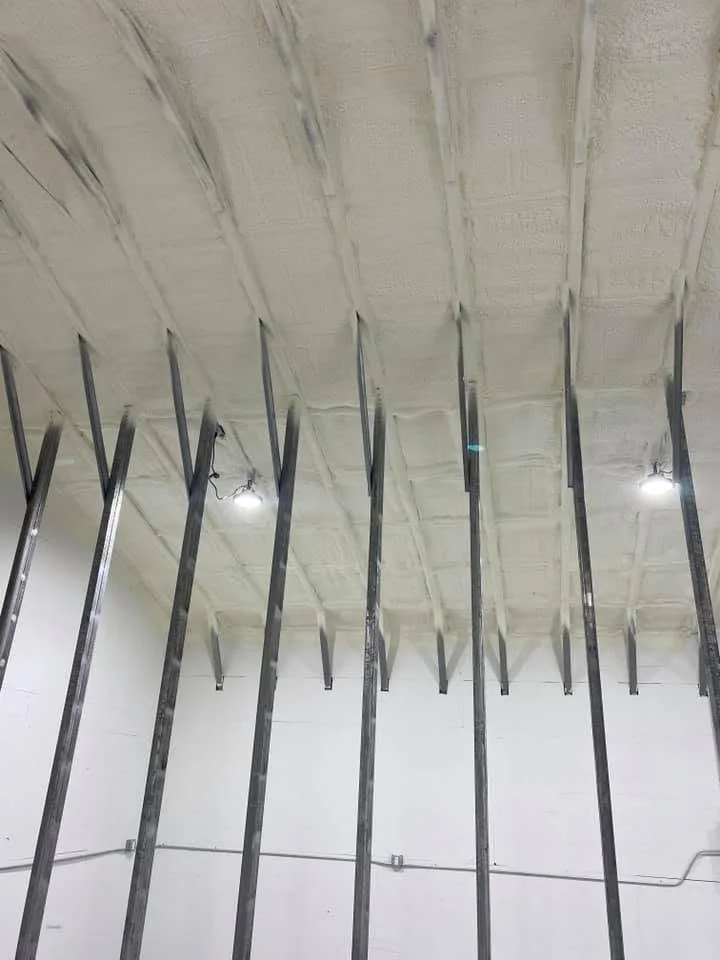
What Are the Signs Your Commercial Building Needs New Spray Foam Insulation?
Skeeter Aimone
August 15th, 2026
Most commercial buildings broadcast clear warning signs when their insulation has degraded, settled, or was never adequately installed in the first place. Rising energy bills, uneven temperatures between zones, persistent moisture issues, and visible air infiltration at seams and penetrations all point to a compromised building envelope. According to the U.S. Department of Energy’s Better Buildings Initiative, the building envelope, including walls, roof, and foundation, accounts for approximately 30% of the primary energy consumed in commercial buildings. When that envelope is not properly sealed and insulated, your HVAC system compensates by working harder, driving up operating costs and accelerating equipment wear. Spray foam insulation addresses both thermal resistance and air sealing in a single application, making it one of the most effective solutions for restoring a failing building envelope. The right approach depends on your building type, climate zone, existing insulation condition, and long-term energy goals.
TL;DR
The building envelope is responsible for roughly 30% of commercial building energy consumption, making insulation performance a direct driver of operating costs.
Air leakage alone accounts for about 6% of total energy use in U.S. commercial buildings, and proper air barrier systems can reduce leakage rates by over 60%.
Rising utility bills that cannot be explained by rate changes or occupancy shifts are often the first measurable sign of insulation failure.
Visible moisture stains, condensation on interior surfaces, and recurring mold problems indicate that your insulation is no longer controlling heat and moisture transfer effectively.
Drafts near windows, doors, electrical outlets, and wall-floor junctions signal gaps in the air barrier that spray foam can seal.
Uneven temperature distribution between rooms, floors, or zones points to inconsistent insulation coverage or thermal bridging.
Facilities with high indoor humidity, musty odors, or occupant complaints about comfort may have hidden moisture penetration caused by degraded insulation.
A professional energy audit with blower door testing and thermal imaging is the most reliable way to confirm whether new spray foam insulation is needed.
How Spray Foam Insulation Protects Your Commercial Building
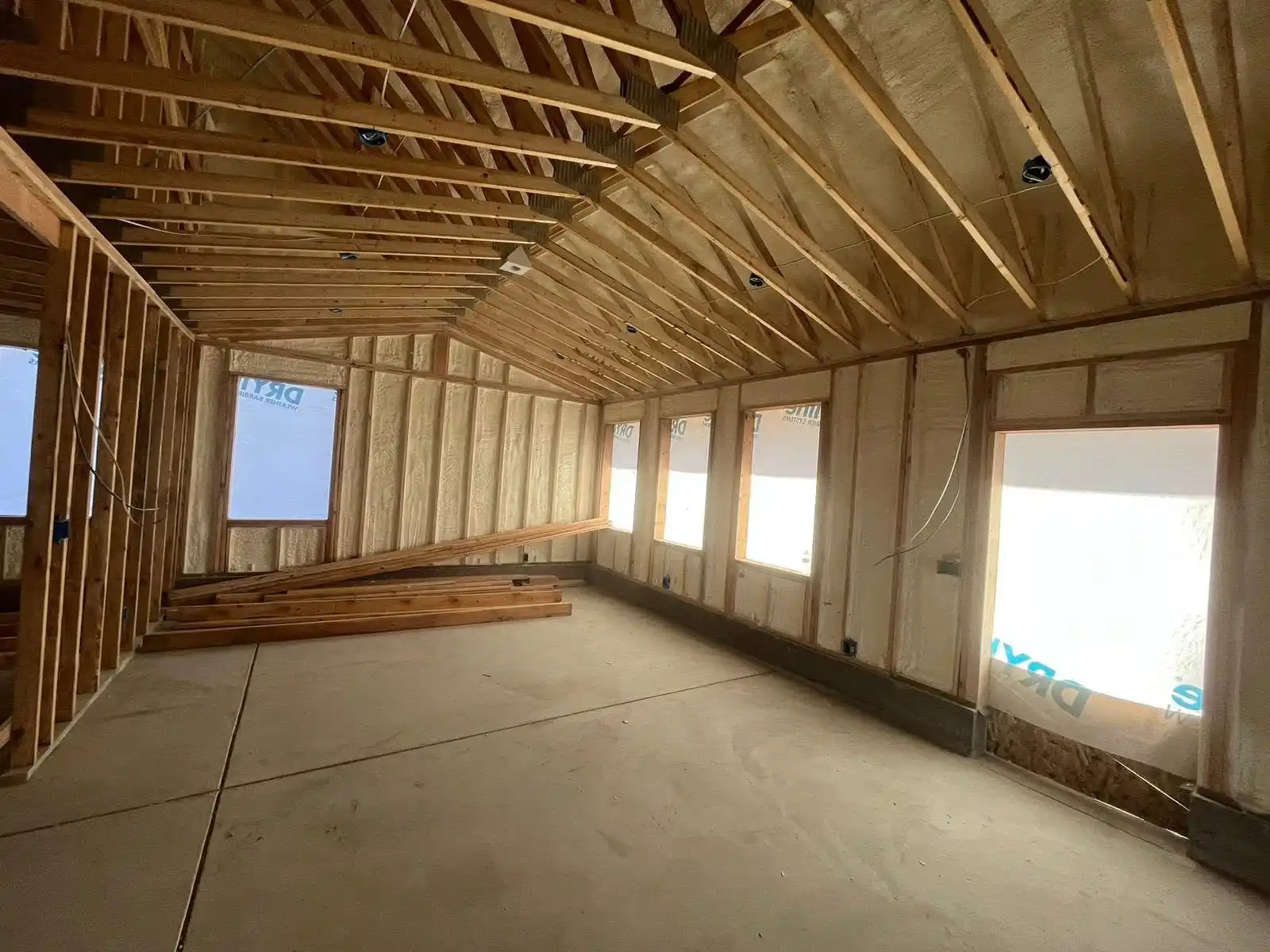
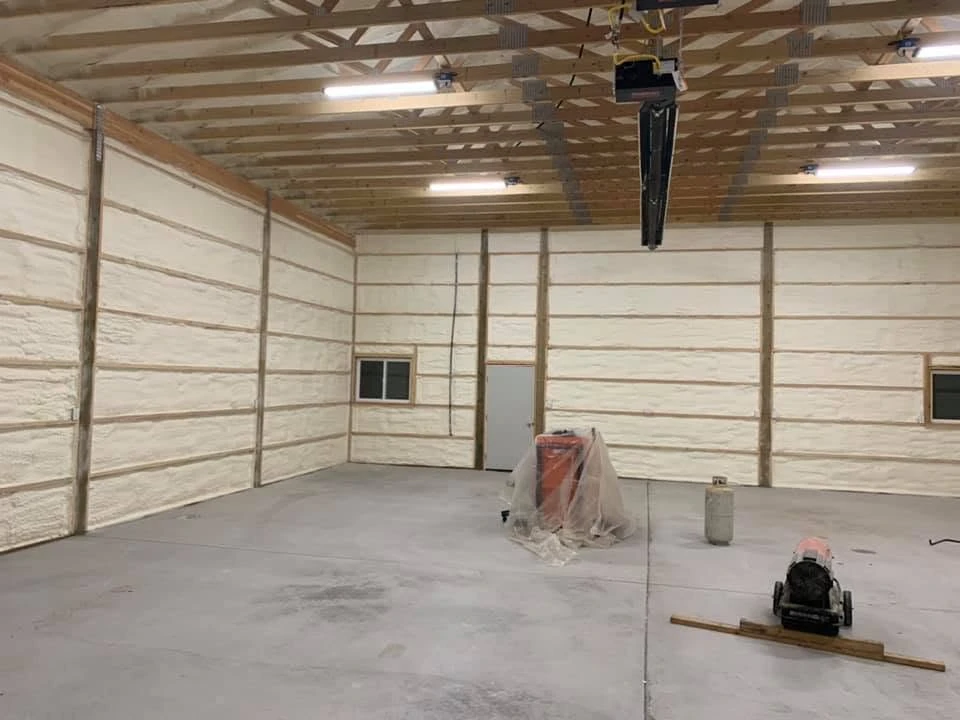
Spray polyurethane foam (SPF) insulation is applied as a liquid that expands and cures into a continuous solid layer. This expansion allows it to fill cracks, gaps, and irregular cavities that other insulation types cannot reach, creating a seamless thermal and air barrier in one step. The result is a building envelope that resists both conductive heat transfer and uncontrolled air leakage, two of the largest sources of energy loss in commercial structures.
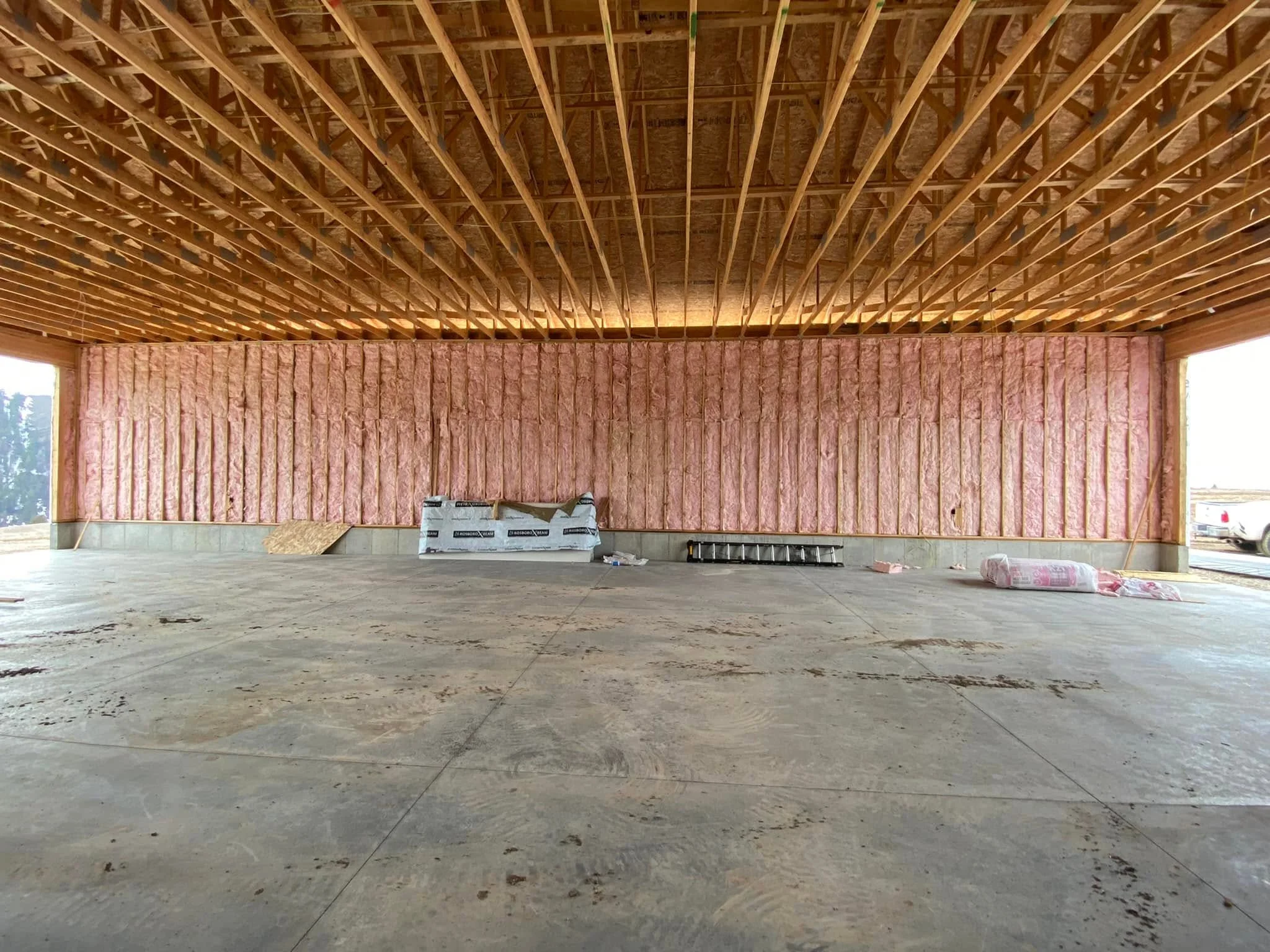
The benefits go beyond energy efficiency. A properly installed spray foam barrier also limits moisture intrusion, reduces the risk of condensation within wall and roof assemblies, and can improve indoor air quality by sealing out drafts that carry dust, pollen, and pollutants. Because commercial spray foam solutions adhere directly to substrates, they do not settle, sag, or leave voids over time the way fiberglass batts or loose-fill materials can.
Oak Ridge National Laboratory research, in partnership with the DOE, has demonstrated in the DOE/ORNL Tech Demo that advanced air barrier systems can achieve air leakage rates 63% lower than the levels specified in the 2015 International Energy Conservation Code, resulting in measurable heating and cooling savings of around 9% annually for commercial buildings. For older buildings with degraded insulation, the improvement potential is often even greater.
Visible Warning Signs That Indicate Insulation Failure
Some signs of insulation problems are obvious. Others develop slowly and go unnoticed until they cause secondary damage. The following indicators suggest your commercial building’s insulation is no longer performing as designed.
Escalating Energy Costs
If your utility bills have climbed steadily and the increase cannot be attributed to rate hikes, new equipment, or changes in building use, insulation degradation is a likely contributor. The EPA – Moisture Control for Schools notes that moisture can degrade the performance of insulation, increasing energy and operating costs. When insulation loses its thermal resistance, your HVAC system must run longer and cycle more frequently to maintain setpoints, and that consumption shows up directly on your monthly statements.
Uneven Temperatures Between Zones
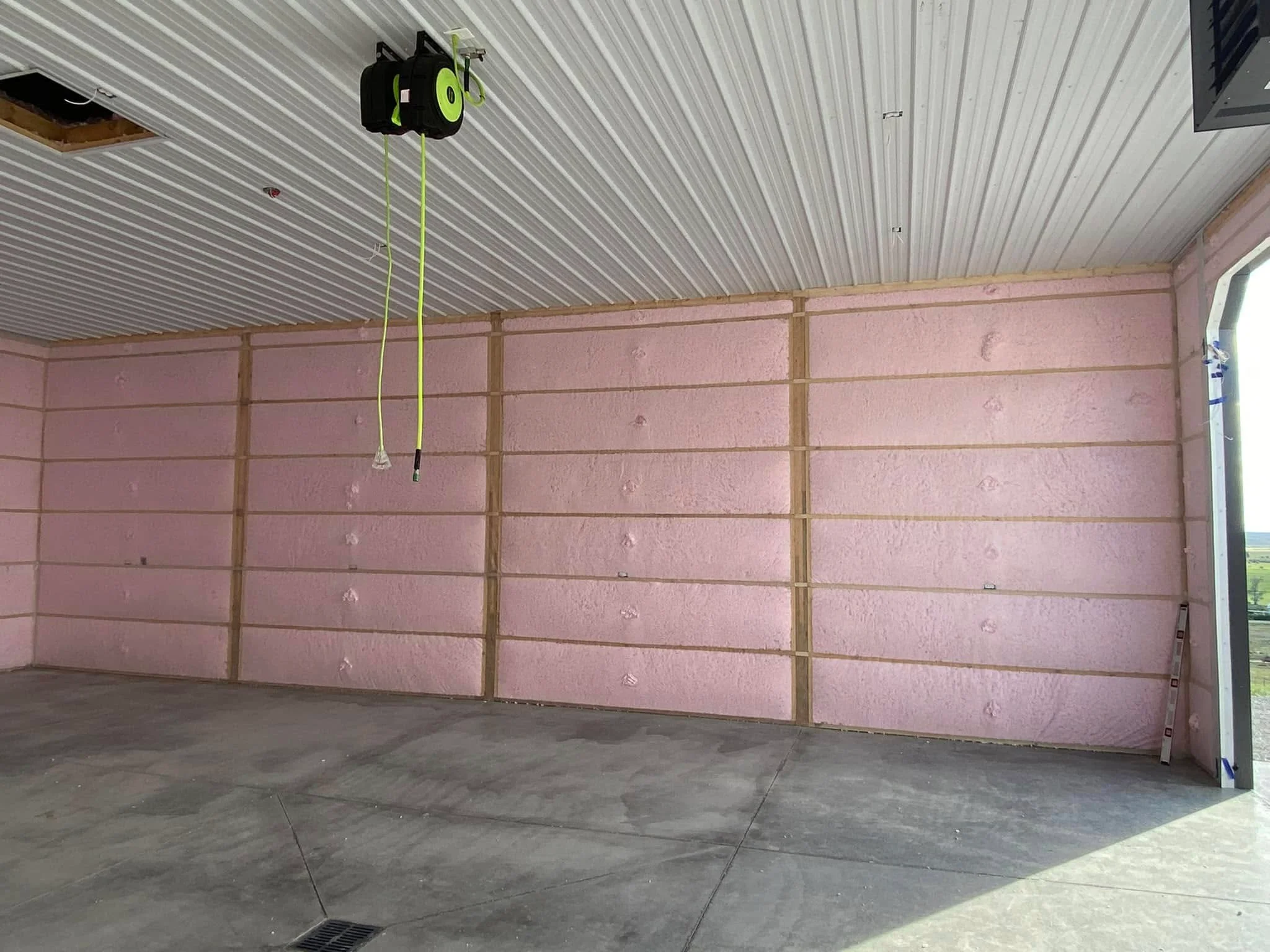
Employees or tenants regularly reporting that one side of the building is freezing while another is sweltering is a common symptom of uneven or missing insulation. Thermal bridging through steel framing, gaps at wall-roof intersections, and insulation that has pulled away from framing members all create pathways for heat to escape or enter unpredictably. Spray foam fills these voids and reduces thermal bridging better than most alternatives.
Drafts and Air Infiltration
Feeling a noticeable breeze near closed windows, doors, electrical outlets, or along baseboards means outside air is bypassing your insulation layer. These drafts are not just uncomfortable; they represent a continuous loss of conditioned air that your HVAC system has paid to heat or cool. The DOE identifies air leakage as responsible for about 4 quads of energy use per year across U.S. buildings, making it the single largest contributor to heating energy loss [source 6].
Moisture Stains and Condensation
Water stains on ceiling tiles, dampness at wall bases, or condensation forming on interior surfaces during temperature swings are warning signs that moisture is migrating through the building envelope. The EPA emphasizes that wet construction cavities, including spaces between interior and exterior walls, attics, and plenums, are major sources of mold and can significantly degrade indoor air quality [source 2]. Spray foam, particularly closed-cell formulations, acts as both insulation and a vapor retarder, blocking moisture intrusion at the source.
Hidden Warning Signs: What Happens Behind the Walls
Not every insulation problem is visible from the occupied space. Some of the most costly issues develop inside wall cavities, above ceilings, and within roof assemblies where they go undetected for years.
Recurring Mold and Musty Odors
Mold growth inside a commercial building almost always traces back to uncontrolled moisture. The EPA – Mold Remediation guide states that the key to mold control is moisture control, and that building owners should fix leaky plumbing and leaks in the building envelope as soon as possible. When insulation fails to maintain surface temperatures above the dew point, condensation forms inside wall and ceiling cavities, creating conditions where mold thrives unseen. Occupants may notice persistent musty odors or experience allergic reactions before any visible growth appears.
Pest Infestation in Insulation Cavities
Gaps and voids in degraded insulation create pathways for insects and rodents to enter wall cavities and ceiling plenums. Pests tunnel through compromised insulation, enlarging gaps and accelerating thermal performance loss. Spray foam expands to fill these voids and hardens into a material that pests cannot easily penetrate, restoring both the thermal barrier and the pest barrier simultaneously.
HVAC System Strain and Short Cycling
When insulation no longer limits heat gain and loss effectively, your HVAC equipment works harder to maintain comfort. You may notice frequent on-off cycling, uneven supply air temperatures, or shortened equipment lifespan. The EPA recommends maintaining indoor relative humidity below 60%, ideally between 30% and 50%, to prevent moisture-related damage and maintain HVAC efficiency. Proper commercial insulation methods can control both heat and moisture transfer, directly reducing the load on mechanical systems.
Commercial Building Types and Insulation Priorities
Different commercial facilities face different insulation challenges based on construction type, usage patterns, and occupancy. The table below outlines common building categories and the insulation concerns most relevant to each.
Building Type
Primary Insulation Concern
Why It Matters
Recommended SPF Focus
Office buildings
Comfort and energy cost control
Occupant complaints and high HVAC usage directly affect productivity and operating budgets
Walls, ceilings, window perimeters
Warehouses and distribution centers
Condensation control and temperature stability
Large roof areas cause major heat gain in summer; metal buildings are prone to condensation
Roof deck, walls, metal purlin cavities
Retail spaces
Comfort at storefronts and consistency
Customer experience suffers with drafts near entry points and display areas
Storefront perimeters, walls above drop ceilings
Medical and laboratory facilities
Moisture and air quality control
Strict humidity requirements mean any envelope failure risks regulatory issues
Full envelope, mechanical room penetration sealing
Schools and institutional buildings
Long-term durability and IAQ
The OSHA – A Brief Guide to Mold notes that delayed maintenance and HVAC design issues contribute to moisture and mold problems
Exterior walls, roof assemblies, crawl spaces
How to Diagnose Insulation Problems in Your Building
Identifying whether your building needs new spray foam insulation requires a systematic approach that goes beyond visual inspection. The following steps help building owners and facility managers confirm a problem before investing in a solution.
1. Review Energy Bills and Trends
Pull at least 24 months of utility data and compare consumption, not just dollar amounts, across similar billing periods. Look for upward trends that do not correlate with changes in occupancy, equipment, or weather. Energy monitoring systems can isolate HVAC usage from other loads to determine how much of the increase is envelope-related.
2. Conduct a Blower Door Test
A blower door test depressurizes the building and measures the rate of air infiltration in cubic feet per minute. This quantifies exactly how leaky the envelope is and provides a benchmark for comparison after insulation improvements. The ORNL demonstration project showed that a properly sealed building achieved air leakage rates 63% below code requirements, confirming the impact of a tight envelope [source 5].
3. Use Thermal Imaging
Infrared cameras reveal temperature variations on building surfaces that indicate missing, settled, or wet insulation. Thermal imaging can locate problem areas behind finished surfaces without any invasive inspection, giving you a clear map of where spray foam would deliver the greatest benefit.
4. Inspect for Moisture Damage
Check ceiling tiles, walls around windows and doors, and mechanical room penetrations for staining, discoloration, or dampness. The OSHA guide to mold in the workplace identifies moisture problems linked to roof leaks, landscaping directing water into the building, and unvented combustion appliances as common culprits in commercial structures [source 4].
Signs You Have Found the Right Spray Foam Contractor
Selecting a qualified contractor is as important as choosing the right insulation material. A professional who cuts corners during installation can create more problems than they solve, including off-gassing, improper adhesion, and inadequate coverage.
Look for these indicators:
Detailed building assessment before quoting. A thorough contractor inspects the building, identifies problem areas, and explains their findings before proposing a solution, rather than providing a price based on square footage alone.
Clear explanation of open-cell versus closed-cell foam. The right contractor recommends the appropriate foam type for your climate, building construction, and project goals, and explains why one suits your situation better than the other.
References from similar commercial projects. Ask for examples of work on buildings comparable to yours in size, construction type, and insulation challenges.
Transparent scope of work and timeline. The proposal should detail exactly where spray foam will be applied, what thickness and density will be used, how long the project will take, and what preparation work is required.
Knowledge of building codes and ventilation requirements. Because spray foam tightens the building envelope significantly, proper mechanical ventilation becomes essential. The Spray Polyurethane Foam Alliance notes that mechanical ventilation is essential in tightly sealed buildings to prevent trapping odors and pollutants [source 5a… actually the SPFA source]. A qualified contractor addresses this upfront.
Get a Professional Assessment for Your Building
If your commercial building is showing any of these warning signs, the team at High Country Solutions can help. We evaluate your building envelope, identify insulation failures, and recommend the right spray foam solution for your facility and climate. Call us at (307) 248-9063, email [email protected], or reach out today to get started.
How long does spray foam insulation last in a commercial building?
Spray foam is a stable polymer that, when properly installed, can remain effective for decades without needing replacement. Its longevity depends on installation quality, environmental conditions, and whether the building structure has remained intact.
Can spray foam be installed over existing insulation?
In many cases, spray foam can be applied over or alongside existing insulation to fill voids and seal air leaks. A professional assessment is needed to determine whether the existing material should be removed or if it can remain in place as a supplemental layer.
What is the difference between open-cell and closed-cell spray foam?
Open-cell foam is lighter, less dense, and more flexible, making it suitable for interior wall cavities and sound dampening. Closed-cell foam is denser, provides a higher R-value per inch, and acts as a vapor retarder, making it the better choice for exterior applications and moisture-prone areas.
Will new spray foam insulation require changes to our HVAC system?
Tightening the building envelope with spray foam reduces the heating and cooling load on your HVAC system. In most cases, this extends equipment life and lowers energy costs, though mechanical ventilation may need to be evaluated to ensure adequate fresh air circulation.
How soon will we see a difference in energy costs after installation?
Many commercial buildings see measurable reductions in energy consumption within the first full billing cycle following insulation upgrades. The exact savings depend on the condition of the previous insulation, building size, climate, and HVAC system efficiency.
Sources
DOE Better Buildings Initiative – Building Envelope – Overview of how building envelope performance, including walls, roof, and foundation, accounts for approximately 30% of primary energy use in commercial buildings.
DOE/ORNL Tech Demo: Advanced Air Barrier System Technologies – Oak Ridge National Laboratory field test results demonstrating that proper air barrier systems can reduce commercial building air leakage by 63% and cut annual HVAC costs by 9%.
I’m Skeeter Aimone, owner of High Country Solutions in Alpine, Wyoming, leading the company since 2019. I focus on quality installation, building science, and insulation solutions suited to harsh Wyoming and eastern Idaho conditions.