Mineral Wool vs Fiberglass Insulation: Which Option Is Better for Your Home?
Quick answer: In the mineral wool vs fiberglass insulation debate, mineral wool usually wins on fire resistance, moisture handling, sound…


If you manage or own a commercial building, you may be spending more on energy than necessary. According to the U.S. Department of Energy, about 30% of the energy used in commercial buildings is wasted, with poor insulation and uncontrolled air leakage contributing to that waste. Working with a professional commercial spray foam contractor can help address air leakage, improve thermal performance, and create a more energy-efficient building envelope. Commercial buildings account for 18% of all primary energy use in the United States, totaling roughly 18 quadrillion Btu annually. That is more energy than the entire country of Canada consumes. When you consider that the U.S. Department of Energy estimates $190 billion in annual energy expenditures across the commercial sector, the opportunity to cut costs through better insulation becomes clear.
This guide was put together from years of hands-on experience with commercial insulation projects. We have insulated warehouses, office buildings, retail spaces, healthcare facilities, and everything in between, and we have seen firsthand what works, what fails, and where building owners leave money on the table. Our goal with this guide is to give you a single, complete reference on commercial spray foam insulation so you can make informed decisions for your building.
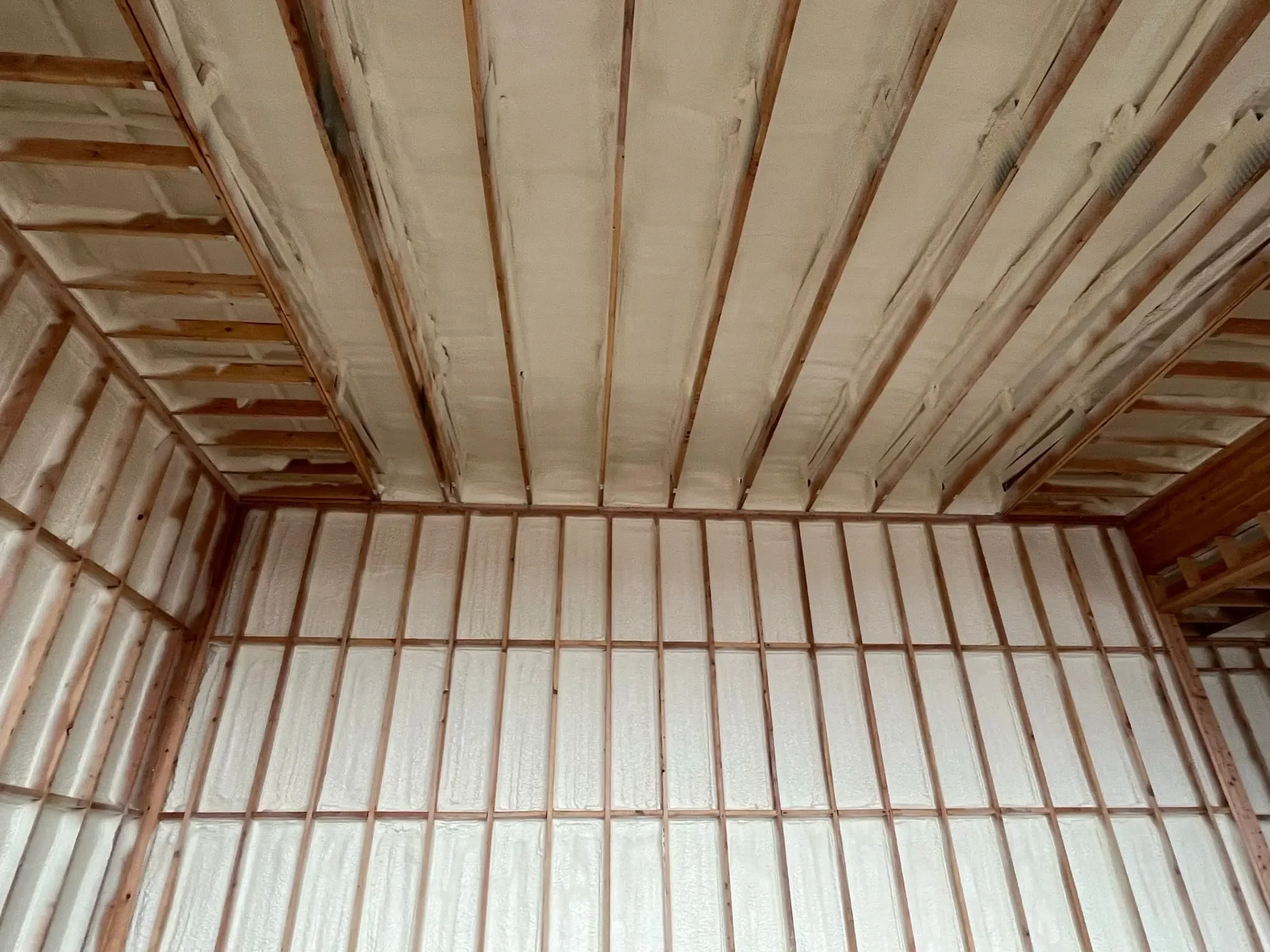
Spray foam insulation is a liquid mixture of two chemical components, isocyanate (the “A-side”) and a polyol resin blend (the “B-side”), that is sprayed onto surfaces where it expands and hardens into a continuous layer of solid foam. The reaction between these two components generates heat, which causes the foam to rise and fill gaps, cracks, and voids in the building envelope. This spray foam insulation protection helps create a continuous barrier around vulnerable areas, while the cured foam becomes a permanent part of the structure.
Unlike fiberglass batts or blown cellulose that are simply placed into cavities, spray foam actively expands to fill every gap it contacts. This expansion is what gives spray foam its ability to act as both an insulator and an air barrier simultaneously. Traditional insulation materials leave tiny gaps around framing members, pipes, and electrical penetrations. Those small openings add up. The Oak Ridge National Laboratory published research showing that air leakage in commercial buildings accounts for about one-quarter of energy annually in the United States. That is roughly 1% of total national energy consumption, all escaping through the building envelope.
Spray foam is classified by its cell structure, which determines its density, R-value (resistance to heat flow), vapor permeability, and structural properties. The two main categories are open-cell and closed-cell, and understanding the difference between them is the first step in specifying the right product for your building.
Open-cell spray foam has a structure where the individual cells are not completely closed. During the expansion process, the cell walls rupture, leaving interconnected air pockets throughout the material. This gives open-cell foam a soft, spongy texture and a much lower density, typically around 0.5 pounds per cubic foot.
Key characteristics of open-cell spray foam:
Open-cell foam is most often used in interior wall cavities, ceilings, and areas where sound control is a priority. Its vapor permeability makes it a poor choice for below-grade applications or any location where moisture intrusion is a concern, because water vapor can pass through and condense on cooler surfaces behind the foam.
Closed-cell spray foam maintains its cellular structure during expansion. The cells remain intact, trapping a gas (usually a blowing agent with higher thermal resistance than air) inside each cell. This makes closed-cell foam significantly denser, heavier, and more rigid than its open-cell counterpart.
Key characteristics of closed-cell spray foam:
Closed-cell foam is the go-to choice for commercial applications where you need maximum thermal performance in a thin profile, moisture control, or structural reinforcement. It is widely used on exterior walls, roofing assemblies, below-grade applications, metal buildings, and any cavity where space is limited.
| Property | Open-Cell Foam | Closed-Cell Foam |
|---|---|---|
| R-value per inch | 3.5 – 3.8 | 6.0 – 7.5 |
| Density (lb/ft³) | ~0.5 | 1.5 – 3.0 |
| Vapor permeability | Permeable | Impermeable (at ≥1.5″) |
| Structural reinforcement | None | Yes, adds rigidity |
| Sound dampening | Excellent | Good |
| Water resistance | Low | High |
| Expansion ratio | Very high | Moderate |
| Typical commercial uses | Interior walls, ceilings, sound partitions | Exterior walls, roofs, metal buildings, below-grade |
Key Takeaways: Open-cell spray foam is a cost-effective choice for interior applications where sound control and full cavity filling are priorities. Closed-cell spray foam delivers higher thermal performance, moisture resistance, and structural benefits, making it the preferred option for demanding commercial applications. Most commercial buildings benefit from a combination of both, matched to the specific needs of each assembly.
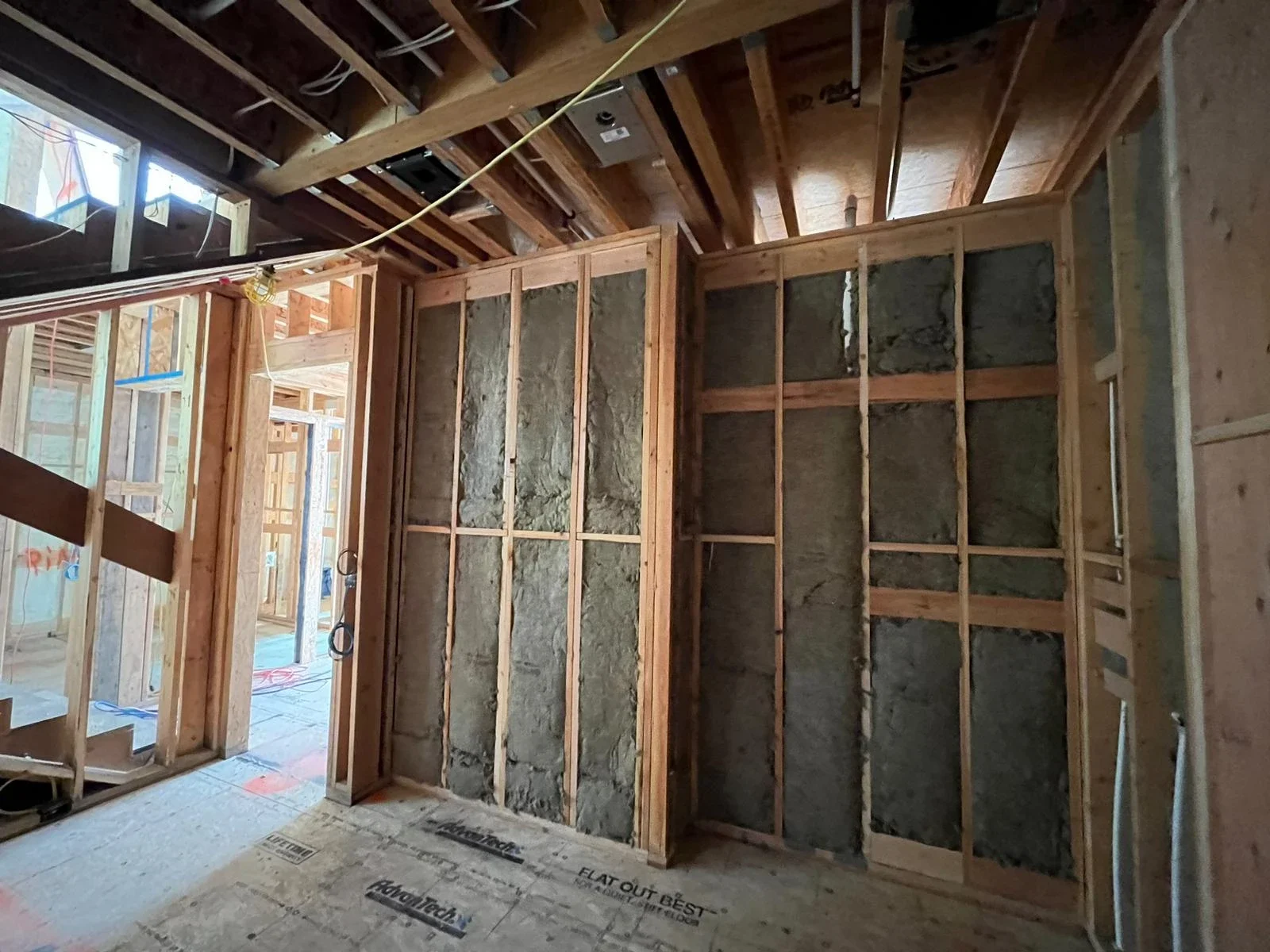
Fiberglass batts, mineral wool, and blown cellulose have been standard commercial insulation options for decades. Each has its place, but spray foam addresses problems those materials simply cannot.
The biggest advantage is the air sealing. Spray foam is recognized in the IECC and ASHRAE standards as an air-impermeable insulation material. When you install spray foam, you are not just adding thermal resistance. You are simultaneously creating a continuous air barrier that eliminates the convective loops and air infiltration pathways that drain energy from traditionally insulated buildings. According to the U.S. Department of Energy, space heating alone accounts for roughly 32% of all energy consumed in commercial buildings. When conditioned air leaks out through gaps in the envelope, your HVAC system has to work harder to replace it. Spray foam stops that cycle.
The Building Enclosure journal reports that uncontrolled air leakage through the building envelope accounts for 30 to 60% of yearly HVAC-related energy costs. That is a staggering range, and it varies based on building type, construction quality, and climate. What it means is that a large share of the money you spend on heating and cooling is literally escaping through walls, roofs, and foundations.
Spray foam also adheres to virtually any substrate, including concrete, steel, wood, gypsum board, and masonry. This makes it uniquely suited for retrofit applications where the building envelope is already in place and tearing down walls to install traditional insulation is not practical.
Expert Tip: When evaluating insulation options for a commercial retrofit, start with a blower door test to measure the current air leakage rate. This gives you a baseline that lets you quantify the impact of air sealing alongside the insulation upgrade. The two improvements together, which spray foam delivers in a single application, almost always produce better results than upgrading insulation alone.
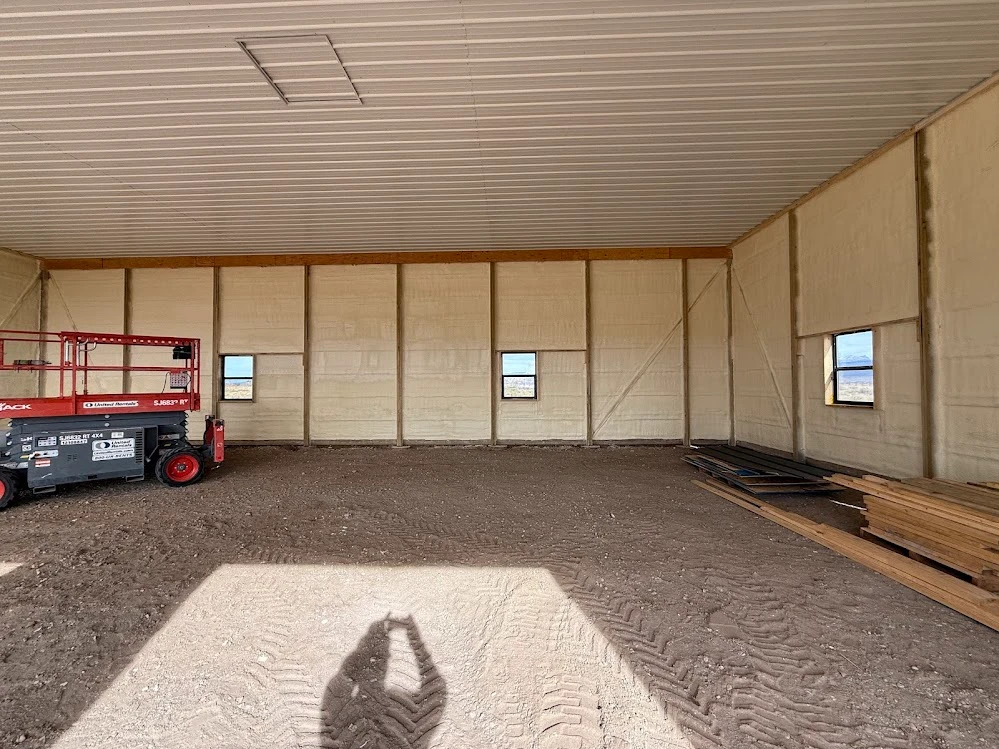
Wall assemblies are the most common application for commercial spray foam. In steel stud or wood frame walls, spray foam fills the cavity, eliminating the voids and compression gaps that plague fiberglass batt installations. For metal building systems, spray foam is often applied directly to the interior face of the metal panels, providing both insulation and condensation control in a single step.
Spray polyurethane foam (SPF) roofing is a dedicated application where closed-cell foam is sprayed directly onto existing roof substrates and then coated with a protective elastomeric membrane. This creates a seamless, monolithic roof system with no seams, joints, or fasteners to leak. SPF roofing systems have been used commercially since the 1960s and are particularly popular on flat and low-slope roofs where traditional roofing materials are prone to ponding water and seam failure.
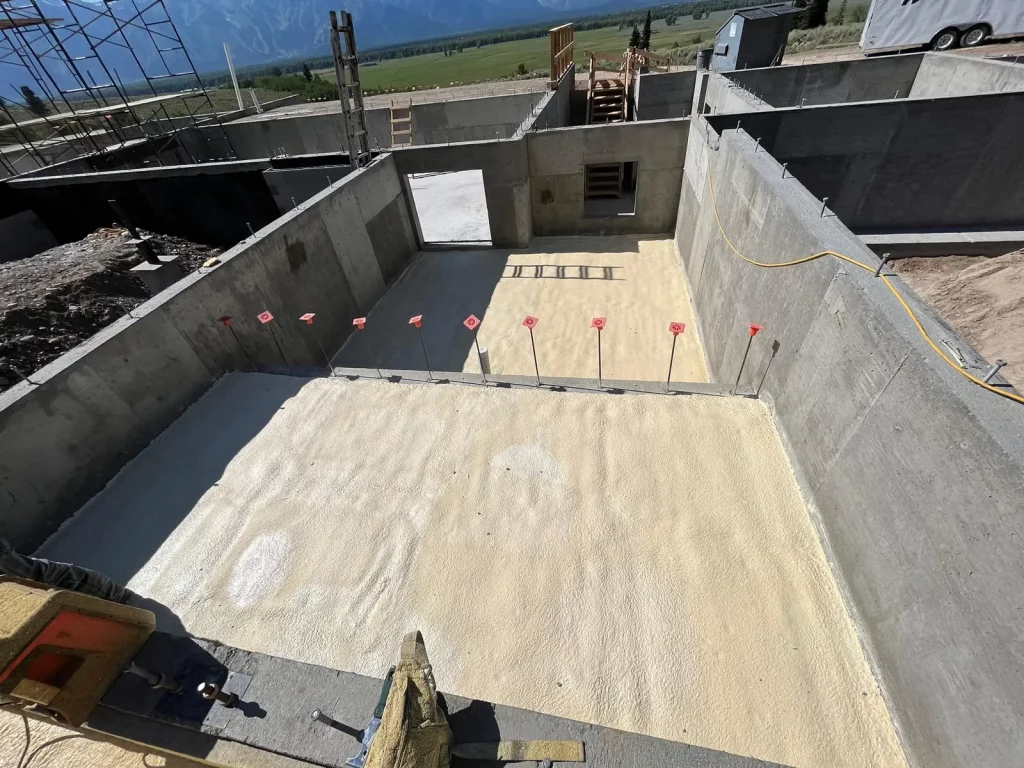
Below-grade foundation walls and crawlspaces benefit from closed-cell spray foam because of its moisture resistance. Closed-cell foam applied to the exterior or interior of foundation walls provides insulation and a vapor barrier that prevents moisture from migrating into conditioned spaces. This is especially important in commercial buildings where basement or below-grade areas are used for storage, mechanical rooms, or occupied space.
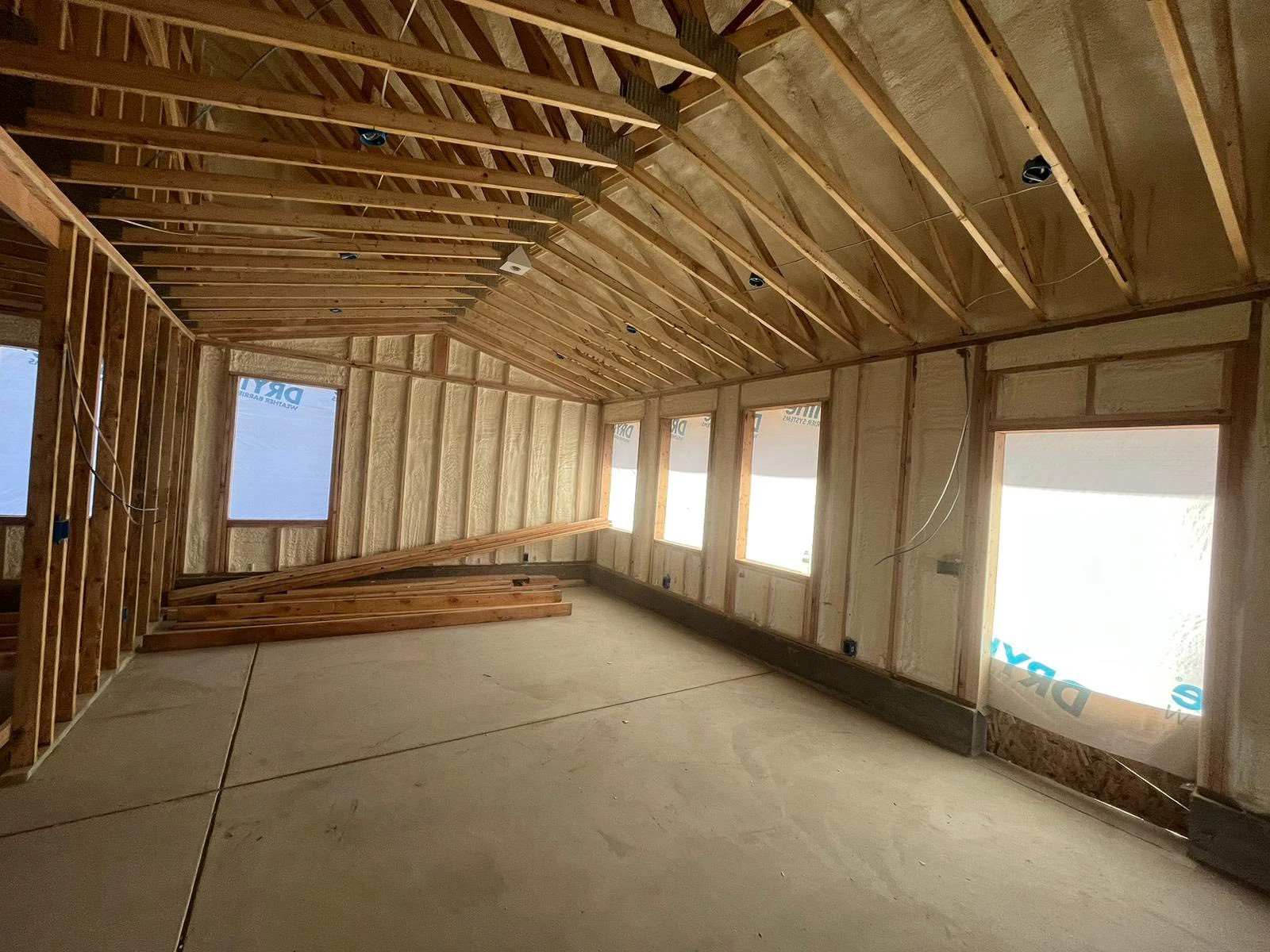
In commercial buildings with vented attics, spray foam applied to the attic floor seals air leakage pathways between the conditioned space below and the unconditioned attic above. For unvented attic assemblies, spray foam is applied directly to the underside of the roof deck, bringing the attic into the conditioned envelope and protecting ductwork and mechanical equipment from temperature extremes.
Metal buildings present a particular challenge for insulation because the metal framing members create thermal bridges that conduct heat around traditional insulation. Spray foam applied to the interior of metal panels creates a continuous thermal break that dramatically reduces these thermal bridges. For warehouse and distribution facilities, this translates to better temperature control for stored goods and lower energy costs for climate management.
Before any foam is sprayed, a thorough assessment of the building is essential. Our team evaluates the existing structure, identifies air leakage points, reviews the mechanical systems, and determines the correct foam type and thickness for each assembly. We also review local building codes, climate zone requirements, and any fire rating specifications that apply to the project.
Preparation includes covering surfaces that should not receive foam, sealing major air pathways around penetrations, and ensuring the work area is properly ventilated. All building occupants must vacate the premises during application and curing.
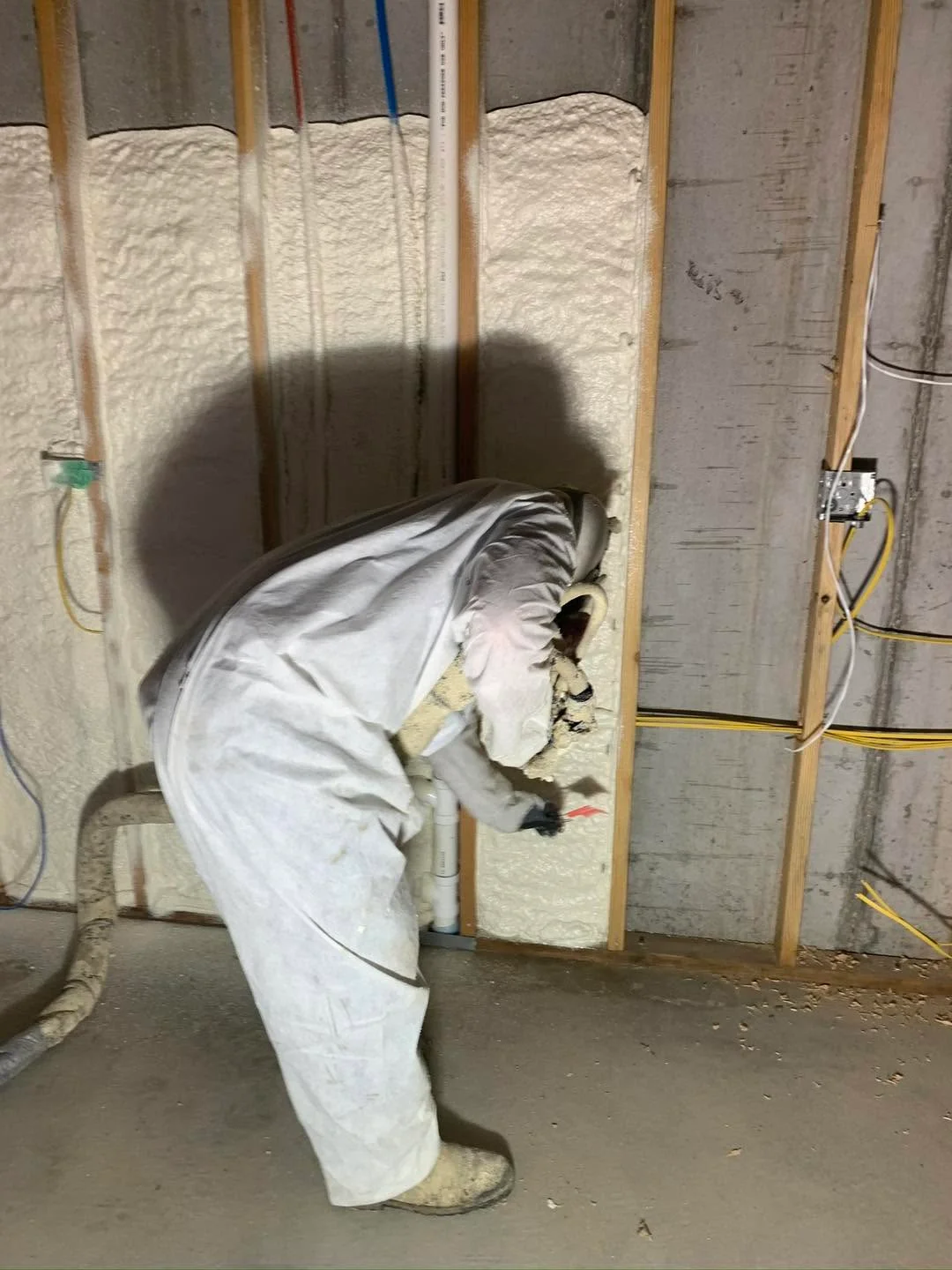
Spray foam is applied using a proportioner, a machine that heats the two chemical components to a precise temperature and pumps them through heated hoses to a spray gun. The gun mixes the chemicals at the tip and atomizes the mixture into a fine spray that lands on the target surface and begins expanding immediately.
The applicator passes the gun across the surface in controlled passes, building up the foam to the specified thickness. A single pass typically adds about 0.5 to 1.0 inch of cured foam, so multiple passes may be needed to reach the target thickness for higher R-values.
Expert Tip: Temperature and humidity have a direct impact on foam expansion and curing. Spray foam should not be applied when substrate temperatures are below 40°F or when relative humidity is extremely high, unless the specific product is rated for those conditions. Cold substrates can cause poor adhesion and incomplete curing, which compromises both insulation performance and structural integrity.
After application, the foam goes through a curing process where the chemical reaction completes, and the material stabilizes. According to the EPA, spray foam may appear hardened within seconds to minutes after application, but it still contains unreacted chemicals during the curing phase. Most manufacturers recommend a minimum of 24 hours after application before workers re-enter without personal protective equipment and before building occupants return. Temperature, humidity, foam thickness, and product formulation all affect actual curing times.
During curing, the work area must remain well-ventilated. Vapors and aerosols generated during spraying can migrate through a building if the area is not properly isolated. Our crews use containment barriers, ventilation fans, and air monitoring to ensure the curing process completes safely.
Commercial spray foam insulation is governed by several building codes and standards that vary by jurisdiction and climate zone. The main frameworks include:
The IECC commercial energy provisions (Chapter 4 for the 2021 edition) specify minimum R-values for walls, roofs, floors, and other envelope assemblies based on the building’s climate zone. Spray foam’s high R-value per inch makes it easier to meet these requirements in thin assemblies where traditional insulation would not fit. This is particularly valuable in retrofit projects where cavity depth is limited by existing construction.
Fire safety is another critical code consideration. Spray foam is a plastic material, and most building codes require it to be covered with a thermal barrier, typically 0.5 inch of gypsum board or an approved equivalent, when installed in occupied spaces. The thermal barrier slows heat transfer to the foam in the event of a fire, delaying ignition and providing additional egress time.
Expert Tip: Always verify which edition of the IECC and IBC your local jurisdiction has adopted before specifying spray foam. Requirements can vary significantly between the 2015, 2018, and 2021 editions, and local amendments may impose additional requirements or incentives.
The safety conversation around spray foam centers on the installation phase. During spraying, the two chemical components generate vapors and aerosols containing isocyanates, which are classified as sensitizing toxicants. The EPA notes that inhalation exposures during spray foam insulation typically exceed OSHA occupational exposure limits, which is why installers must wear full protective equipment including respirators, gloves, and protective suits.
Building occupants must vacate the premises during application. After spraying, vapors may linger until the area is properly ventilated. The EPA also notes that the long-term potential for off-gassing from cured spray foam is not fully understood and remains an area of active research. However, once spray foam has been correctly applied and fully cured, it is generally considered relatively inert.
There are specific situations where cured foam can pose risks. Maintenance workers performing hot work (welding, soldering, grinding) on or near cured spray foam can generate toxic emissions, including isocyanates and hydrogen cyanide. Building renovations or demolition years after installation can also disturb the foam and create hazardous dust. Anyone working near installed spray foam needs to be aware of these risks.
From an environmental standpoint, professional spray foam insulation offers clear benefits. By dramatically reducing energy consumption in commercial buildings, it can lower greenhouse gas emissions associated with heating and cooling.The reduction in HVAC runtime also extends equipment life and reduces refrigerant use, both of which have environmental benefits.
Not every commercial building is a candidate for spray foam, and not every building needs a full insulation overhaul. Here are the most common indicators that spray foam could deliver meaningful results for your property:
High or rising energy bills. If your utility costs are climbing faster than energy rates, the building envelope is likely a contributor. Compare your energy use intensity (EUI) to similar buildings in your area using EPA’s ENERGY STAR Portfolio Manager tool.
Uneven temperatures. Hot or cold spots, especially near exterior walls, windows, or upper floors, indicate air leakage and insufficient insulation. Occupant comfort complaints are often the first signal.
Visible air leakage. Dust streaks at wall-to-ceiling junctions, around electrical outlets, and at window frames are telltale signs of air movement through the envelope.
Moisture problems. Condensation on interior surfaces, musty odors, or mold growth on walls and ceilings suggest that warm, humid interior air is reaching cooler surfaces where it condenses. This is common in poorly insulated metal buildings and warehouses.
Ice dams in cold climates. In northern locations, ice dams along roof edges indicate heat loss through the attic or roof assembly. Spray foam applied to the attic floor or roof deck can eliminate the conditions that cause ice dam formation.
Aging or degraded existing insulation. Fiberglass and cellulose insulation can settle, compress, or absorb moisture over time, losing effectiveness. If your building has original insulation that is 20 years or older, it may have degraded significantly.
Key Takeaways: The most reliable way to assess your building’s insulation needs is through a combination of a visual inspection, a blower door test to measure air leakage, and an energy audit that identifies the specific areas of the envelope contributing to energy waste. These tools remove the guesswork and let you target your investment where it will have the greatest impact.
The financial case for commercial spray foam insulation rests on three pillars: energy savings, reduced maintenance costs, and improved occupant comfort and productivity.
The U.S. Energy Information Administration reports that commercial buildings spend $190 billion annually on energy and that roughly 30% of that energy is wasted. The Building Enclosure journal estimates that 30 to 60% of HVAC energy costs can be attributed to air leakage through the building envelope. By sealing those leaks and adding high-performance insulation in a single application, spray foam can produce measurable reductions in heating and cooling loads.
Actual savings vary by building type, climate zone, existing insulation levels, and HVAC system efficiency. Buildings with poor existing insulation and significant air leakage will see the largest percentage improvements. Buildings that are already well-sealed but need higher thermal resistance will still benefit, though the percentage gain may be smaller.
When spray foam reduces the heating and cooling load on your HVAC system, the equipment runs less often and lasts longer. This means fewer repair calls, longer intervals between equipment replacements, and reduced capital expenditure over the life of the building. In humid climates, the moisture control benefits of closed-cell foam can also prevent condensation-related damage to structural components and stored goods.
In office buildings, retail spaces, and healthcare facilities, occupant comfort has a direct impact on productivity and revenue. Studies have consistently shown that temperature complaints are among the most common facility management issues. Spray foam creates a more consistent indoor environment with fewer hot and cold spots, fewer drafts, and better humidity control.
Expert Tip: Track your energy consumption for at least 12 months before and after the insulation upgrade. Normalize the data for weather variations using heating and cooling degree days. This gives you a defensible comparison that accounts for seasonal differences, rather than a simple month-to-month snapshot that could be misleading.
The commercial insulation industry is evolving in several directions that are worth watching if you are planning a building retrofit or new construction project.
Traditional closed-cell spray foam has relied on hydrofluorocarbon (HFC) blowing agents, which have high global warming potential. Newer formulations are shifting to hydrofluoroolefin (HFO) blowing agents with dramatically lower GWP ratings. These products achieve similar thermal performance with a much smaller environmental footprint. The transition is being driven by regulatory action, including EPA’s AIM Act, which is phasing down HFC production and consumption in the United States.
We are seeing more commercial projects that combine spray foam with other insulation materials to optimize cost and performance. A common approach uses a thin layer of closed-cell spray foam (1 to 2 inches) as an air barrier and vapor retarder, then fills the remaining cavity with less expensive fiberglass or mineral wool to achieve the target total R-value. This hybrid approach captures the air sealing benefits of spray foam while controlling material costs.
As building codes and green building standards push toward net-zero energy and net-zero carbon targets, the embodied carbon of insulation materials is getting more scrutiny. Spray foam manufacturers are responding with bio-based polyols, recycled content, and improved manufacturing processes that reduce the carbon intensity of their products. This is an area of rapid development, and new products are entering the market regularly.
Advanced building automation systems and IoT sensors are making it easier to verify the performance of insulation upgrades in real time. Monitoring temperature differentials across the building envelope, tracking energy consumption trends, and correlating them with weather data provides continuous feedback on how well your insulation is performing. This data-driven approach helps building owners validate the return on their insulation investment and identify any areas that may need attention.
Properly installed spray foam insulation is considered a permanent building material. It does not settle, compress, or degrade over time the way fiberglass and cellulose can. As long as the foam remains undisturbed and protected from physical damage and UV exposure, it will maintain its thermal performance for the life of the building.
Yes. Spray foam is widely used in retrofit applications. It can be applied to existing wall cavities, roof assemblies, and attic spaces without the need to remove the existing structure. In many cases, the existing insulation is left in place, and spray foam is applied over or alongside it to add thermal resistance and air sealing.
In most commercial applications, yes. Building codes require spray foam to be covered with an approved thermal barrier, typically 0.5 inch of gypsum board or an equivalent material, when installed in occupied spaces. The thermal barrier protects the foam from ignition in the event of a fire. There are exceptions for certain unoccupied spaces and exterior applications, but code requirements should always be verified with your local authority having jurisdiction.
They use similar chemistry but different formulations and densities. Spray foam insulation is typically lower density and optimized for thermal performance in wall and ceiling cavities. Spray foam roofing uses higher-density closed-cell foam (often 2.5 to 3.0 lb/ft³) applied to the exterior roof substrate and topped with a protective coating. Both are closed-cell, but roofing foam is designed to withstand foot traffic, UV exposure, and ponding water.
Spray foam dramatically reduces air leakage, which means less natural air exchange through the envelope. This is beneficial for energy efficiency, but it also means your HVAC system needs to handle fresh air ventilation deliberately rather than relying on uncontrolled infiltration. In many commercial buildings, the HVAC system already includes mechanical ventilation. In buildings where air leakage was the primary source of fresh air, the insulation upgrade should be paired with an assessment of the ventilation system to ensure adequate indoor air quality.
Spray foam is combustible and will burn if exposed to direct flame. However, when covered with the required thermal barrier, it achieves the fire-resistance ratings needed for code compliance in commercial buildings. Some spray foam formulations also include fire-retardant additives that improve their performance in the early stages of fire exposure. Always verify fire ratings with the specific product manufacturer and your local code official.
Commercial spray foam insulation is one of the most effective investments you can make in your building’s performance. It addresses energy waste at the source by sealing air leakage and adding high-performance thermal resistance in a single application. The benefits extend beyond energy bills to include moisture control, structural reinforcement, noise reduction, and improved occupant comfort.
The most important steps you can take right now are these: get a clear picture of your building’s current condition through an energy audit and blower door test, identify the assemblies where spray foam will deliver the greatest impact, and work with experienced professionals who understand both the product and the code requirements for your area. Every building is different, and the right approach for a warehouse is not the same as the right approach for an office building or a healthcare facility.
Keep this guide as a reference as you move through the process. The sections on foam types, applications, and code compliance are especially useful when reviewing contractor proposals and evaluating options for your specific building.
Deciding on the right insulation solution for your commercial building requires careful assessment of your building’s condition, climate zone, code requirements, and performance goals. If you are considering commercial spray foam insulation and want to discuss your options with experienced professionals, we are here to help. Reach out to High Country Solutions at [email protected] or call us at (307) 248-9063 to schedule a consultation.