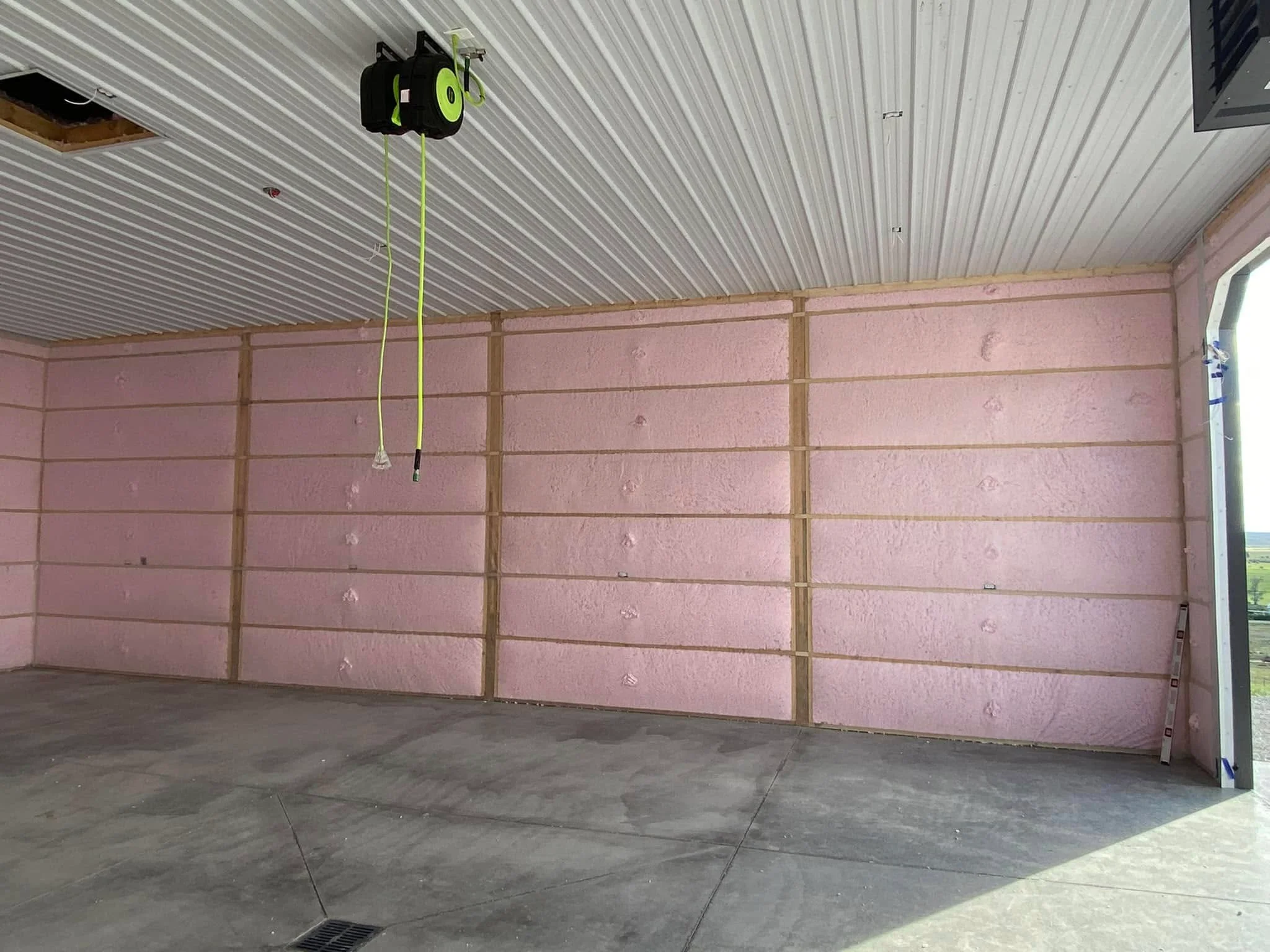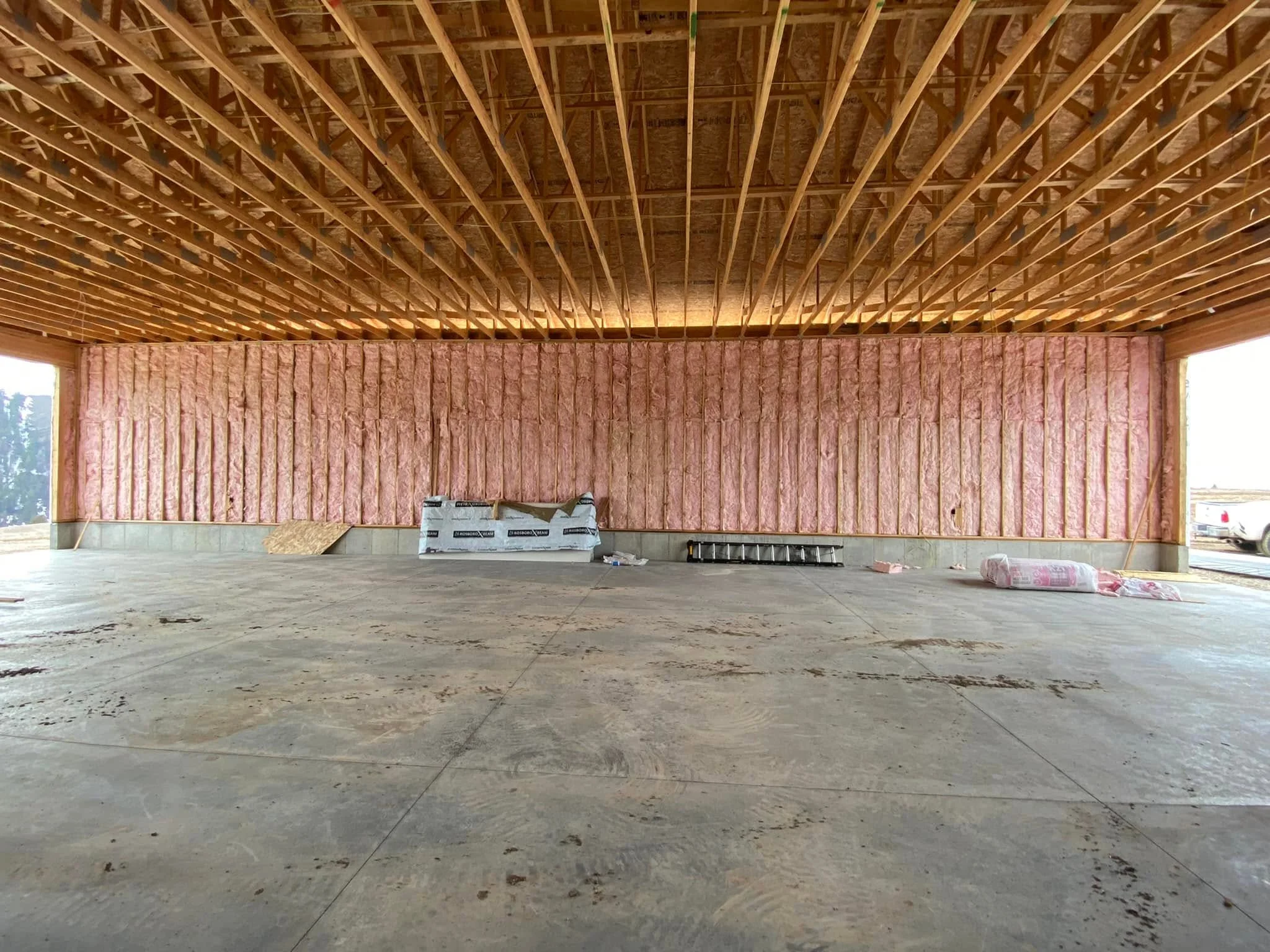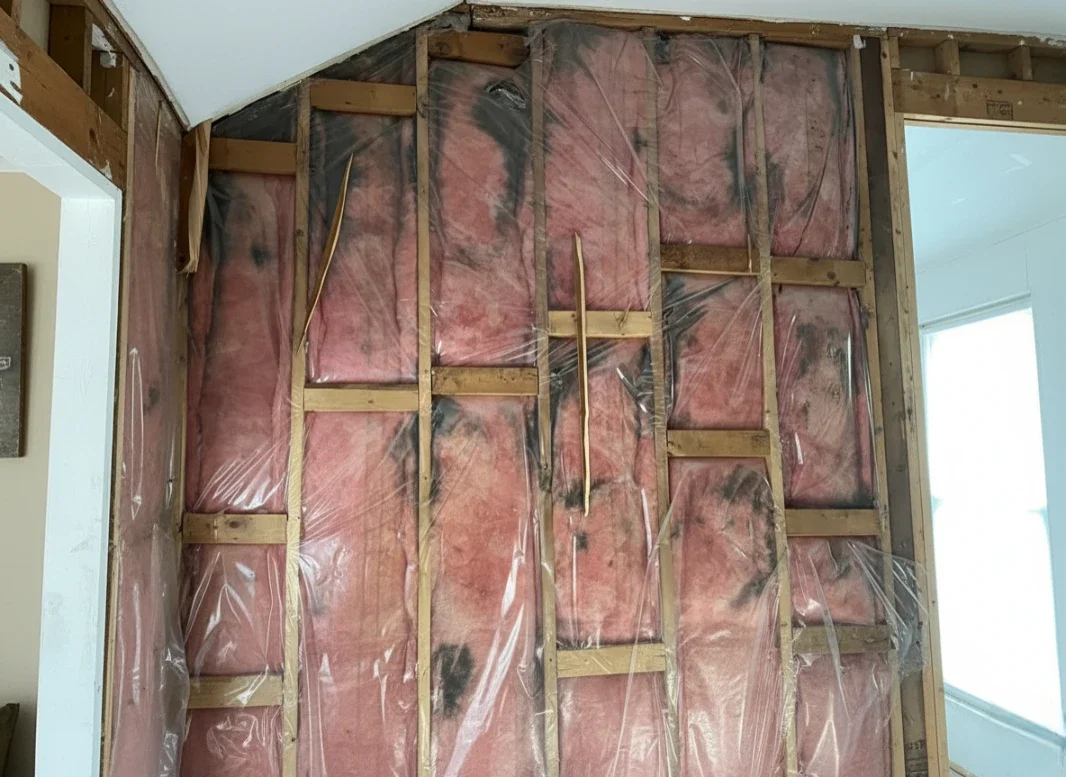
What Problems Can Fiberglass Insulation Help Solve in Older and Newer Homes in Driggs, ID?
Fiberglass insulation Driggs, ID homeowners choose, helps with heat loss through attics, floors and walls, thin or missing insulation in…


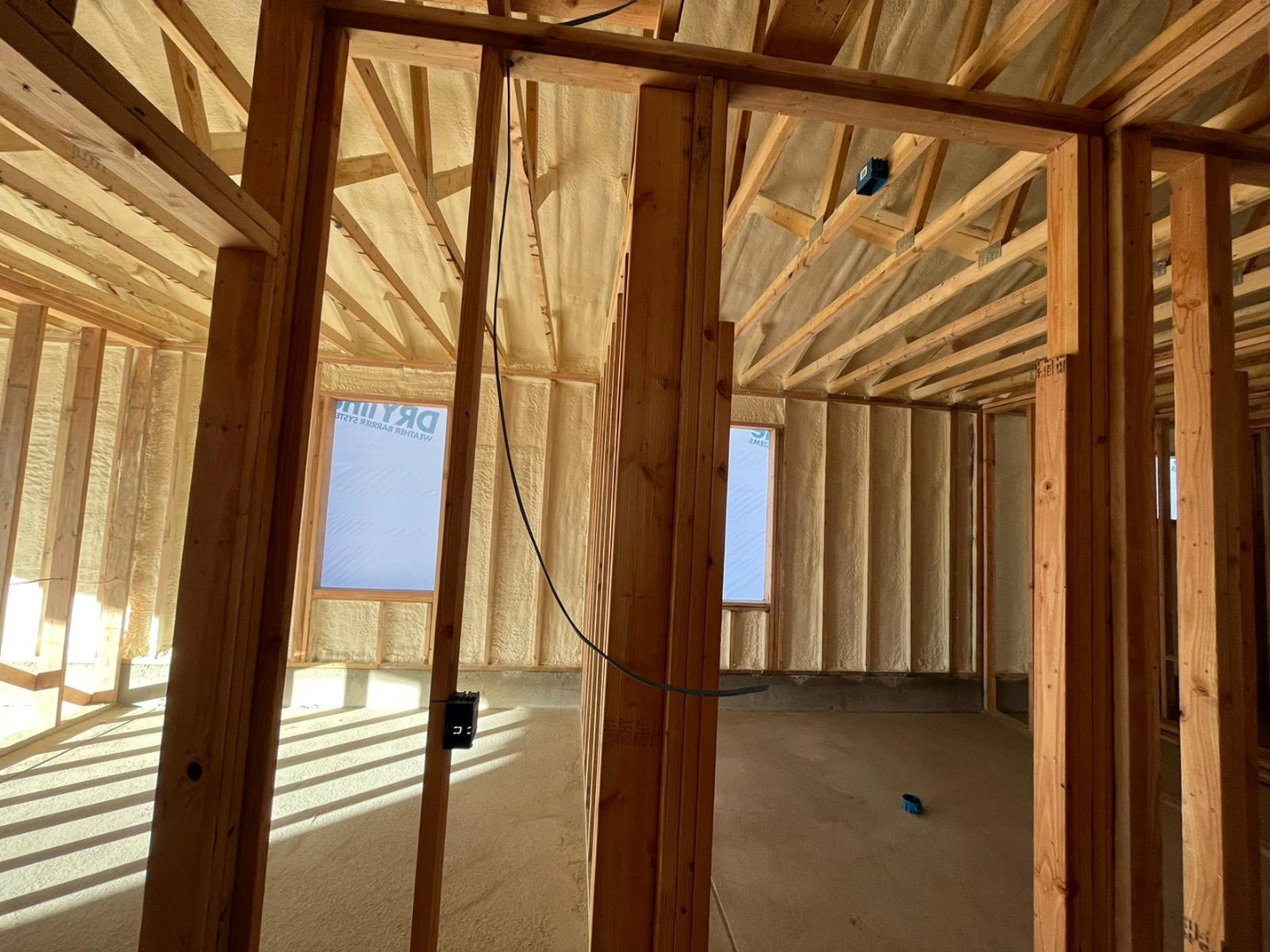
Unwanted noise from traffic, neighbors, or a busy household can make it hard to relax or sleep well. Noise reduction spray foam insulation is one of the most effective ways to solve this problem, because it does more than block drafts and lower energy bills. It also changes how sound moves through a building. Homeowners exploring our full range of home insulation solutions often come to us with a noise complaint first and an energy bill second, and the two problems usually share the same fix.
This guide explains how spray foam soundproofing works, how open-cell and closed-cell foam differ in acoustic performance, and how to choose the right option for your project. The details below are based on standard building science principles and how these materials perform in real installations.
There are two main types of noise that affect a home: airborne and structure-borne.
Noise reduction spray foam insulation primarily targets airborne noise by creating an airtight barrier. When it’s sprayed into a wall or ceiling cavity, it expands to fill cracks and gaps, closing off the paths that air, and therefore sound, would otherwise travel through.
Open-cell foam has a soft, sponge-like texture that works well as a sound-absorbing spray foam, converting sound energy into a small amount of heat rather than letting it pass through or bounce around a room. This makes it a good fit for interior walls, media rooms, and home offices. Closed-cell foam is rigid and dense. It still creates an air seal, but its added density helps with spray foam soundproofing while also adding structural strength to the wall assembly.
Choosing between open-cell and closed-cell foam depends on the specific noise problem, the location in the home, and the budget. Open-cell is typically preferred as an acoustic spray foam on interior partitions, since sound absorption matters more than blocking outside noise. Closed-cell offers a balance of thermal, air, moisture, and acoustic control, which makes it a common choice for exterior walls handled through professional closed-cell foam installation.
| Feature | Open-Cell Spray Foam | Closed-Cell Spray Foam |
| Primary Sound Function | Sound absorption | Sound blocking |
| Density | Low (about 0.5 lb/ft³) | High (about 2.0 lb/ft³) |
| Structure | Soft, flexible cells | Rigid, dense cells |
| Best For | Interior walls, ceilings, home theaters | Exterior walls, floors, vapor barrier zones |
| Cost | Lower | Higher |
For rooms that need maximum sound isolation, such as a recording studio or home theater, pairing spray foam with resilient channels and a layer of mass-loaded vinyl before drywall can create an even stronger barrier.
Two standard ratings help compare how well materials manage sound: STC and NRC.
Open-cell foam typically has an NRC around 0.70, meaning it absorbs roughly 70 percent of the sound that hits it, making it a strong choice for sound dampening spray foam in interior applications. Industry data compiled by the Spray Polyurethane Foam Alliance shows that wall assemblies using spray foam can reach STC ratings of 50 or higher, a level at which normal speech in an adjacent room becomes difficult to hear.
Spray foam insulation for soundproofing can be applied strategically in different parts of a home depending on the noise issue.
Applying open-cell foam in interior wall cavities and floor joist bays reduces sound transfer between rooms. This is especially useful for bedrooms, bathrooms, laundry rooms, and home offices, where privacy and quiet matter most.
In a home theater, it matters just as much to keep sound contained as it does to keep outside noise out. Open-cell foam’s absorbing qualities reduce echo and improve sound clarity inside the room while limiting how much escapes to the rest of the house.
Closed-cell foam in exterior walls creates a solid barrier against traffic, lawn equipment, and other outdoor noise sources. Its air-sealing property does most of the work here, closing off the small gaps sound would otherwise use to enter a home.
A simple but often overlooked step is sealing around window frames, door frames, and pipe or wiring penetrations with a low-expansion canned foam after the main insulation is installed. This closes remaining gaps and helps the acoustic barrier perform as intended. This closes remaining gaps and helps the acoustic barrier perform as intended.
Step 1: Define your noise problem: Decide whether the priority is blocking outside noise, reducing sound between rooms, or both. This determines whether open-cell, closed-cell, or a combination makes sense.
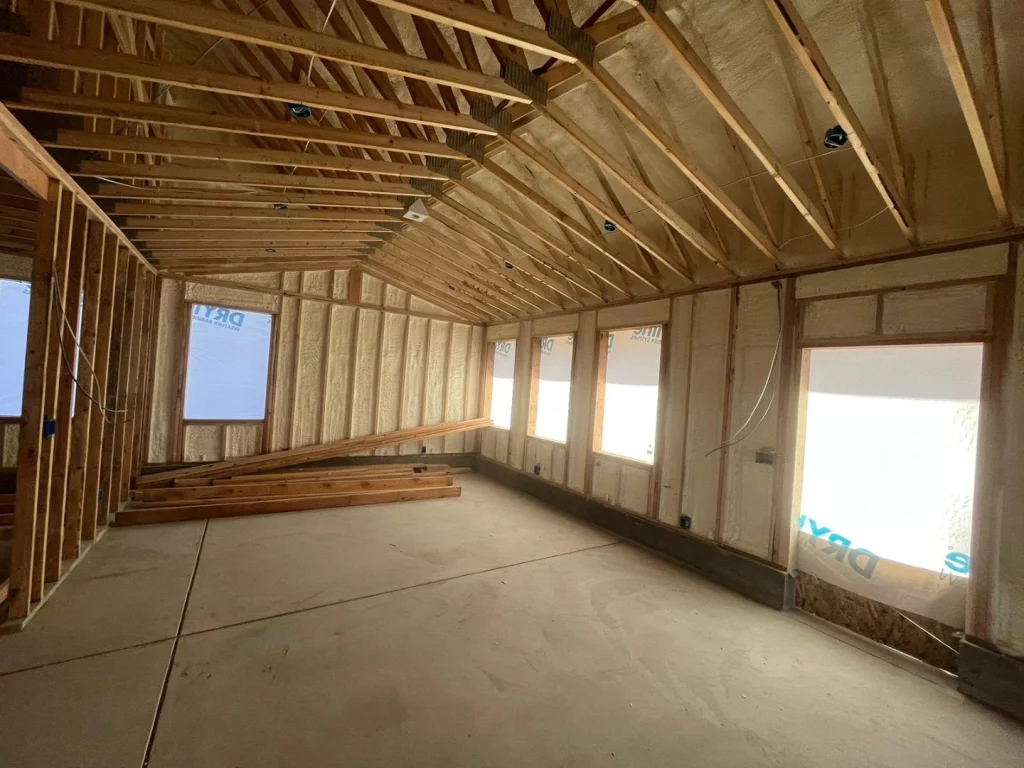
Step 2: Assess your existing structure: Spray foam is easiest to install in new construction or major renovations where wall cavities are open. Retrofitting existing walls is possible but more complex.
Step 3: Set a realistic budget: Closed-cell foam costs more per board foot than open-cell foam, which affects both material choice and how much of the home can be treated.
Step 4: Confirm installation quality: Acoustic performance depends heavily on correct thickness and a continuous air seal. Gaps from a rushed or inexperienced application can undercut both sound and thermal performance, which is why we walk every homeowner through our closed-cell installation process before work begins.
Step 5: Plan for ventilation. Because spray foam makes a home very airtight, mechanical ventilation such as a heat recovery ventilator (HRV) or energy recovery ventilator (ERV) may be needed to maintain healthy indoor air quality.
Noise reduction spray foam insulation offers a practical, long-lasting solution for homes dealing with unwanted sound. By sealing air leaks and either absorbing or blocking sound waves, it helps create a quieter, more comfortable living environment. Both open-cell and closed-cell foams bring distinct acoustic advantages, so the right choice depends on the specific noise problem, the part of the home involved, and the budget available.
Ready to talk through your project? Call High Country Solutions at (307) 248-9063 or email [email protected] to schedule a free evaluation.
Spray foam generally outperforms fiberglass for sound control because it creates a complete air seal. Fiberglass batts can sag over time and often leave gaps around outlets and wiring, which allows sound to pass through. Spray foam fills these spaces, removing many of the weak points fiberglass leaves behind.
Spray foam can reduce airborne noise, like voices or a television, coming through a floor, but it’s less effective against structure-borne noise such as footsteps. Reducing impact noise usually requires decoupling the floor from the ceiling with resilient channels or adding a dense underlayment beneath the flooring.
Most professional-grade spray foam products have similar chemical compositions, though small differences in density and cell structure can slightly affect acoustic performance. Installation quality tends to matter more than the specific brand used.
Yes. Thicker applications provide better sound reduction. For interior walls, filling the full stud cavity, typically about 3.5 inches, with open-cell foam is standard practice for effective sound control.
It’s possible, though more complex than new construction. Existing walls usually require small access holes for the foam to be injected into the cavity, and results depend on how completely the cavity can be filled.
Wikipedia, Sound Transmission Class reference on how STC ratings are standardized and measured.
Spray Polyurethane Foam Alliance industry technical resource on spray foam performance, including acoustic benefits.