Open-Cell Spray Foam Insulation: Benefits, Reviews, and How It Compares to Traditional Insulation
Skeeter Aimone
September 26th, 2025
Open-cell spray foam insulation has become one of the most talked-about upgrades for homeowners trying to cut energy bills and stop drafts for good. Unlike traditional insulation options such as fiberglass batts or cellulose, it expands on contact and fills gaps that other materials simply cannot reach. This guide breaks down the benefits of open-cell spray foam insulation, what homeowner reviews and field reports consistently point out, and how it compares to fiberglass and cellulose in day-to-day performance, along with the long-term value these upgrades tend to deliver once installed correctly.
The information here comes from hands-on insulation work across varied climates, including cold mountain winters where air sealing makes the biggest difference in comfort and monthly bills.
TL;DR
Open-cell spray foam insulation seals air leaks that fiberglass and cellulose typically miss, significantly reducing energy loss in drafty attics and walls.
Its R-value runs about 3.5 to 3.8 per inch, similar to fiberglass on paper, but its air sealing performance is what separates the two in practice.
Traditional insulation costs less upfront and works fine for basic thermal resistance, but it leaves gaps around studs, wiring, and plumbing.
Open-cell spray foam insulation reviews and installer feedback consistently mention fewer drafts, quieter interiors, and steadier indoor temperatures after switching.
The right choice depends on climate, budget, and how tightly the home needs to be sealed.
What Is Open-Cell Spray Foam Insulation?
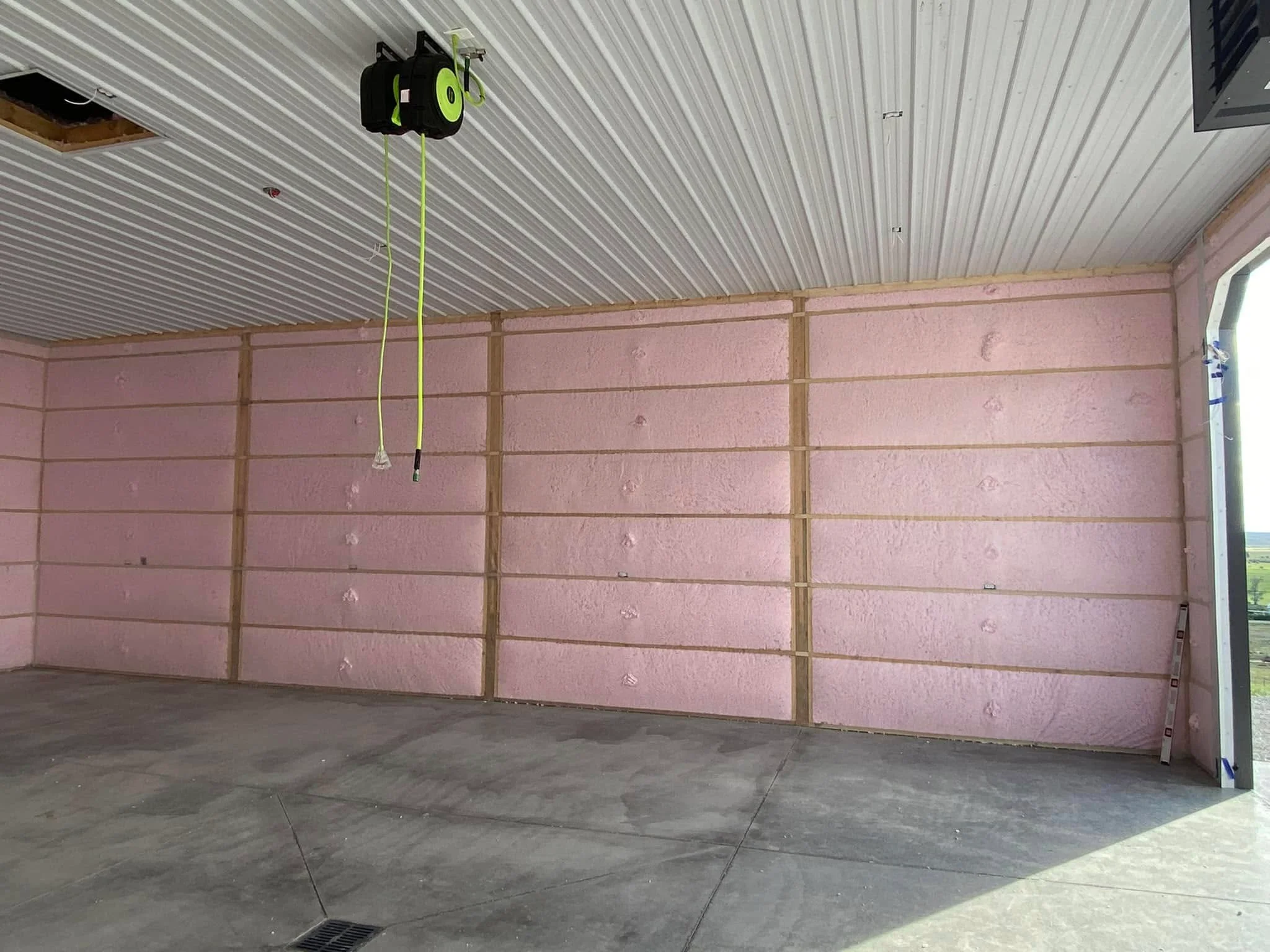
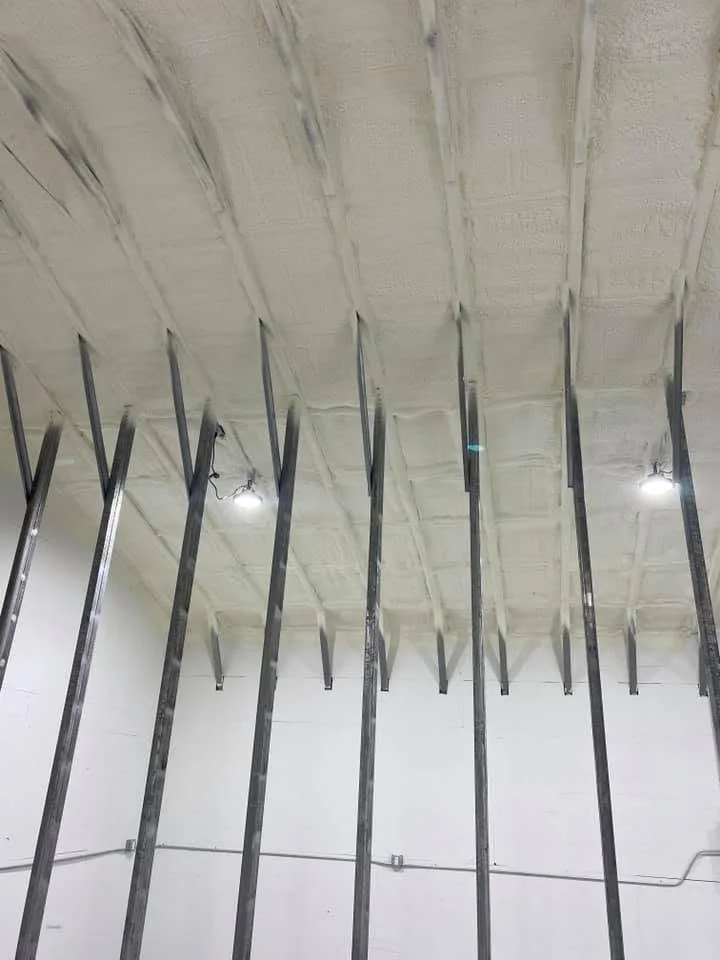
Open-cell spray foam consists of two liquid components, a resin and a foaming agent, mixed on-site. Installers apply it as a liquid that expands into a soft, sponge-like material that traps air pockets and delivers an R-value around 3.5 to 3.8 per inch. In practice, it adheres to irregular surfaces like wiring or plumbing, blocking air movement that traditional rolls or batts often miss entirely.
During application, the foam cures quickly and should release minimal odor when installed correctly. Homeowners typically notice far less dust compared to blown-in options, and in humid areas, open-cell foam stays vapor permeable, which helps reduce mold risk inside wall cavities.
Overview of Traditional Insulation Options
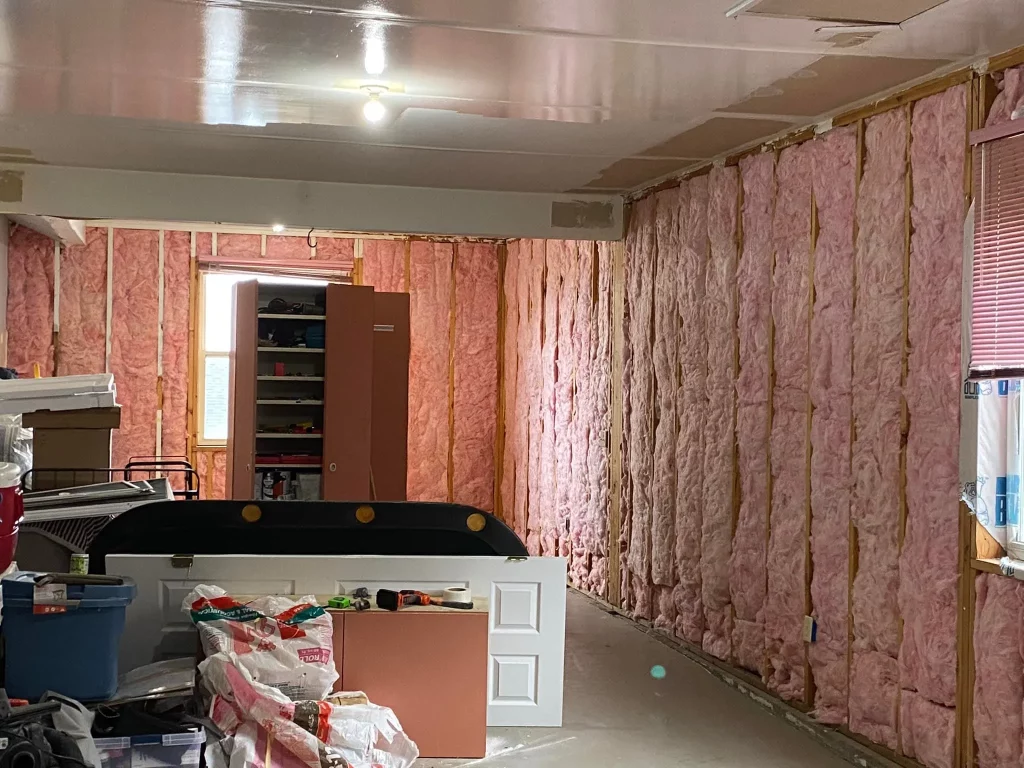
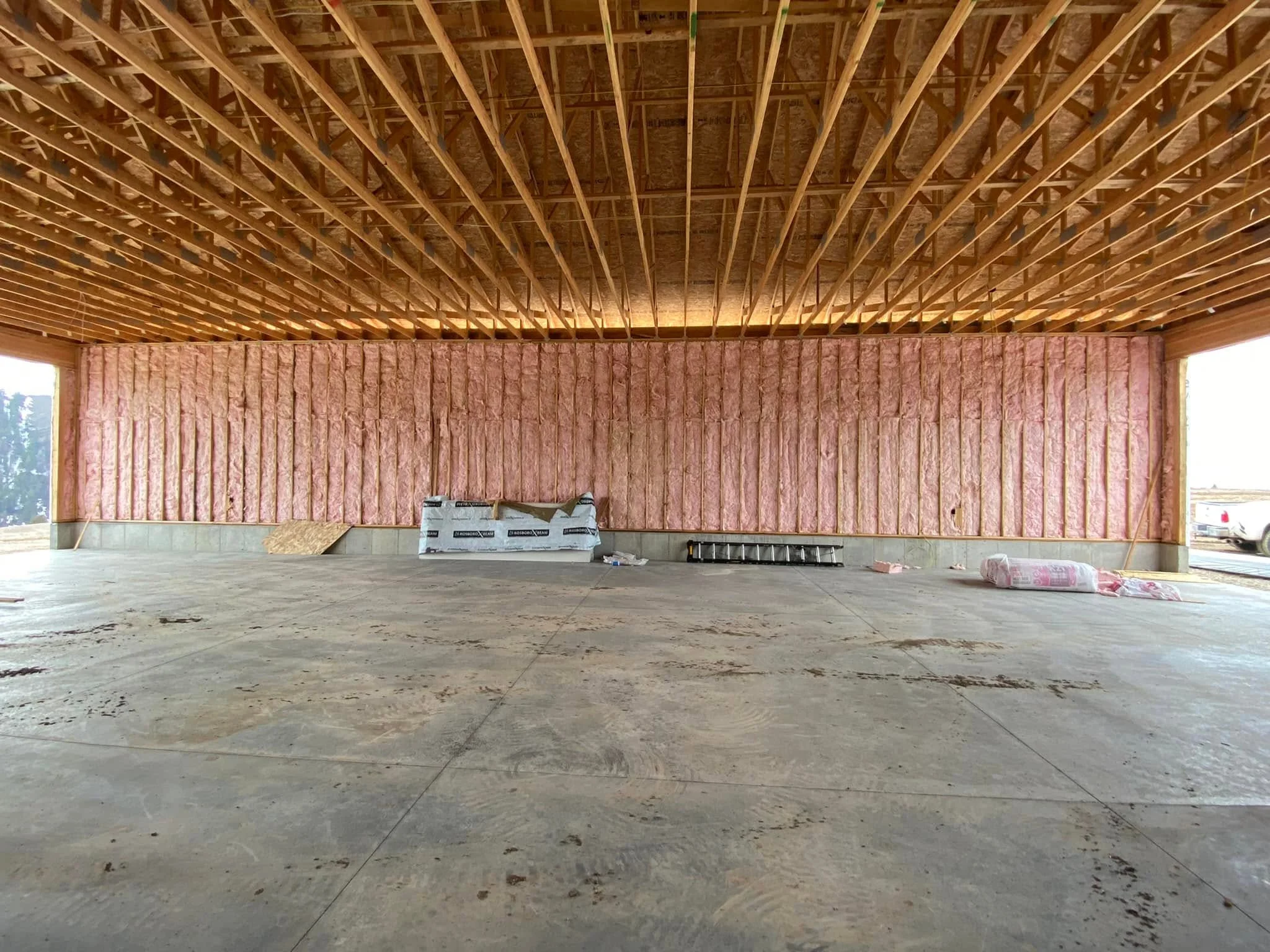
Traditional insulation covers fiberglass batts, rigid foam boards, and loose-fill cellulose. Fiberglass insulation comes in rolls or panels sized to fit between studs, with R-values ranging from 2.9 to 3.8 per inch. Cellulose, made mostly from recycled paper, packs into cavities for comparable thermal performance but tends to settle and lose density over time.
Both materials install with basic tools, a staple gun for batts or a blower for cellulose, and cost less upfront, which makes them popular for DIY projects. The trade-off is that gaps around edges and uneven framing let air seep through, especially in older homes. In dry climates, cellulose holds up reasonably well, but wet conditions usually call for added vapor barriers.
Key Benefits of Open-Cell Spray Foam Over Traditional Insulation
The clearest benefit of open-cell spray foam insulation is air-sealing performance, which traditional materials struggle to match without extra tape or caulk. Fiberglass and cellulose provide solid thermal resistance but leave air paths that reduce overall efficiency.
Here is a side-by-side comparison of the two approaches:
Aspect
Open-Cell Spray Foam
Traditional Insulation (Fiberglass/Cellulose)
R-Value per Inch
3.5-3.8
2.9-3.8 (batts), 3.2-3.8 (cellulose)
Air Sealing
Excellent, expands to fill gaps
Fair, requires separate sealing
Moisture Handling
Vapor permeable, low mold risk
Needs barriers, can trap moisture
Sound Absorption
High
Moderate
Weight
Light (0.5-0.8 lbs/ft3)
Heavier (1-2 lbs/ft3 for cellulose)
Cost per Sq Ft
$1.50-$3.00
$0.50-$1.50
Beyond air sealing, open-cell foam absorbs sound better than denser materials thanks to its flexible cell structure, which makes it a strong fit for homes near busy roads or shared walls. Research from the Oak Ridge National Laboratory has found spray foam can reduce air infiltration well beyond what batts achieve on their own, which translates into more even indoor temperatures and less strain on HVAC systems.
Performance Comparison: Open-Cell Foam vs Fiberglass and Cellulose
When homeowners search open-cell foam vs. fiberglass insulation or spray foam vs. cellulose insulation, they are usually trying to solve one of two problems: high energy bills or persistent drafts. Fiberglass and cellulose both provide workable thermal resistance for the price, but neither creates a true air barrier on its own.
Fiberglass batts perform best in simple, accessible wall cavities where installation can be done cleanly, though compression around wiring and outlets is a common source of lost R-value in the field. Cellulose fills irregular spaces better than batts do, but it settles over time and loses some of its density, which gradually reduces its effective coverage in walls and attics. Open-cell foam closes that gap by expanding into every crack, seam, and irregular corner during application. That is why homes with additions, older framing, or complex rooflines tend to see the biggest improvement after switching from batts to foam, a distinction covered in more depth in this side-by-side look at foam versus fiberglass performance.
Traditional fiberglass and cellulose remain reasonable choices for budget-conscious retrofits or areas with simple, accessible framing where a tight air seal is less critical.
Installation Differences
Spray foam installation requires professional equipment, mixing precision, and protective gear during application, since the process involves reactive chemicals. A standard home typically takes about a day to spray, plus prep time to cover windows, fixtures, and flooring. Once cured, it holds its shape for decades without sagging or settling.
Traditional insulation fits more easily into new construction. Homeowners can slide batts into open stud bays or rent a blower for attic cellulose. Compression is a common installation error that reduces effectiveness, though fixing it usually just means pulling out and repositioning the material.
In regions with wide temperature swings, from well below freezing in winter to hot, dry summers, spray foam tends to hold its seal more consistently against wind-driven moisture, while traditional materials often need more frequent inspection in those same conditions.
What Homeowner Reviews and Field Reports Say
Across contractor case studies and open-cell spray foam insulation reviews, a few themes recur. People consistently report fewer noticeable drafts within the first heating season, steadier room-to-room temperatures, and a quieter interior thanks to the sound-dampening properties of open-cell foam. Some reviews also note the higher upfront cost compared to fiberglass, as well as the need to hire a trained installer rather than handle it as a weekend project.
On the traditional insulation side, feedback tends to focus on affordability and ease of do-it-yourself installation, with fewer comments about long-term air sealing performance. A National Association of Realtors survey has also linked energy-efficient upgrades, including spray foam insulation, to homes selling somewhat faster, which reviewers often cite as a secondary benefit beyond monthly savings.
Long-Term Value and Considerations Before Deciding
Over time, open-cell foam tends to maintain its shape and resists pests better than untreated cellulose. It can also improve indoor air quality by limiting how much outside allergen-laden air enters through gaps. The main drawbacks are the higher initial cost and the need for professional installation, unlike DIY-friendly traditional options.
Traditional insulation degrades more slowly in dry conditions but compresses under weight over the years, which gradually reduces its effective R-value. Homeowners deciding between the two should also monitor attic humidity after any insulation upgrade, since even open-cell foam benefits from proper ventilation when humidity levels run high. Anyone comparing installers before signing a contract can start with a closer look at what qualifies a spray foam crew to do the job right.
How to Choose Between Open Cell Spray Foam and Traditional Insulation
Assess your home’s age and layout: Older homes with irregular framing or hard-to-reach cavities usually benefit more from foam’s expanding fill.
Check local building codes: Some areas require specific R-value minimums in attics, which affects how much material or thickness is needed.
Set a realistic budget: Traditional insulation costs less upfront, while spray foam typically pays back through utility savings over several years.
Evaluate your climate. Cold or highly variable climates tend to benefit more from foam’s superior air sealing.
Inspect for existing moisture issues: Address any dampness or leaks before installing either material, since trapped moisture undermines both options.
Get quotes from qualified installers: Compare total project costs, including labor and prep work, before making a final decision.
Key Takeaways
Open-cell spray foam insulation consistently edges out traditional insulation on air sealing, comfort, and noise reduction, especially in older or drafty homes. Traditional fiberglass and cellulose remain solid, budget-friendly choices for simpler projects with fewer air sealing demands. The right decision comes down to home age, climate, budget, and how much of a priority a tight air seal really is for the space being insulated.
Frequently Asked Questions
Does open-cell spray foam work in all climates?
It performs well in mixed and cold climates where vapor permeability helps prevent condensation. In very humid regions, closed-cell foam is sometimes a better fit, but open-cell still works with proper ventilation.
How much does installation disrupt daily life?
Prep typically takes a day, and spraying another day, though families can often stay home if the work area is sealed off. Traditional DIY installation usually causes less disruption overall.
Can homeowners remove open-cell foam later?
Removal involves cutting into drywall and scraping away the material, which is a significant job. Traditional batts or cellulose are much easier to pull out for future upgrades.
Is open-cell foam considered eco-friendly?
It uses less material long-term thanks to its sealing efficiency, which can reduce overall energy consumption. Cellulose, on the other hand, scores well on recyclability since it is largely made from recycled paper.
What R-value do I need for my region?
Recommended R-values for attics generally range from R-38 to R-60 depending on climate zone. Foam typically reaches these targets in a thinner layer than batts require.
I’m Skeeter Aimone, owner of High Country Solutions in Alpine, Wyoming, leading the company since 2019. I focus on quality installation, building science, and insulation solutions suited to harsh Wyoming and eastern Idaho conditions.