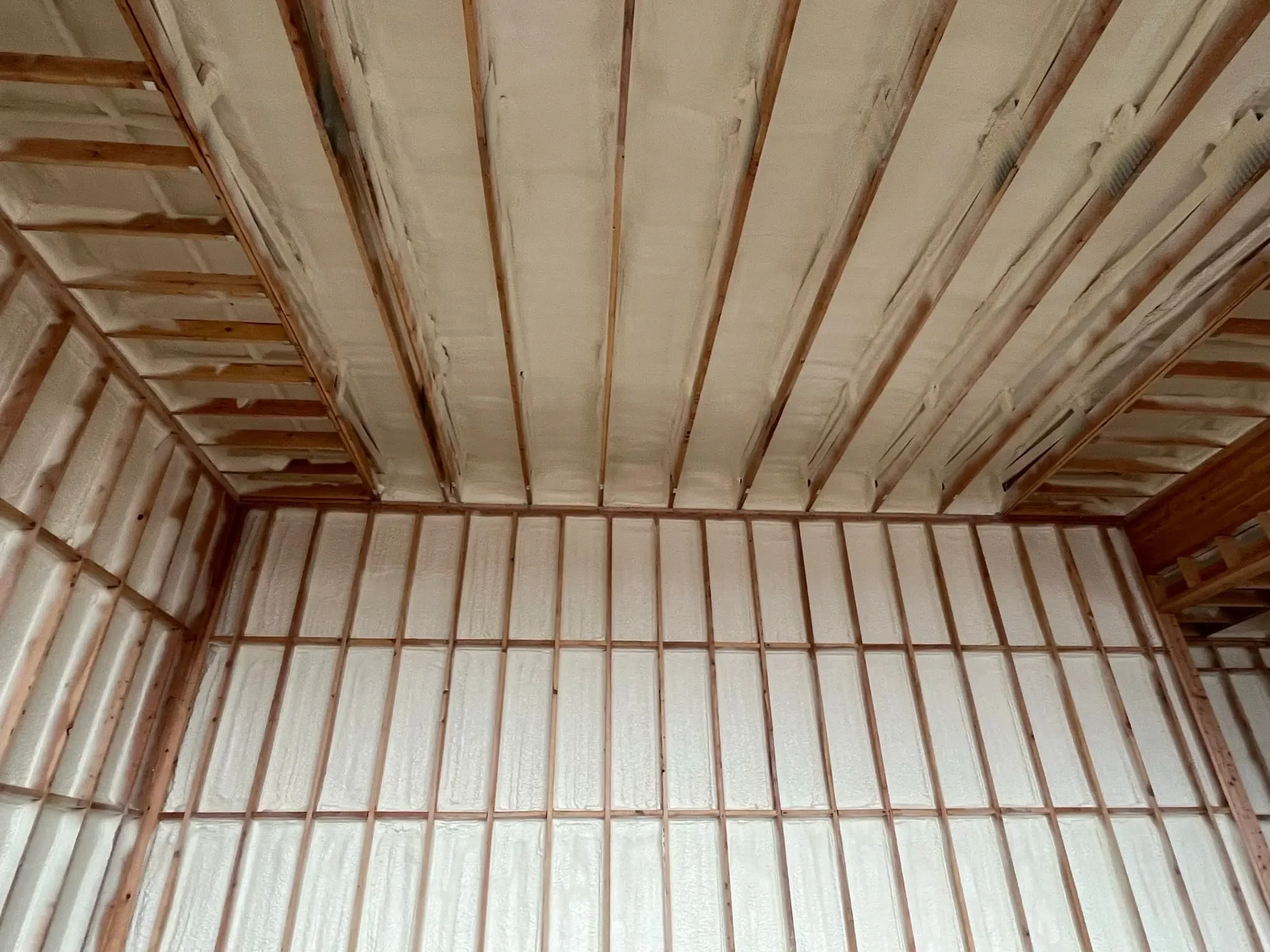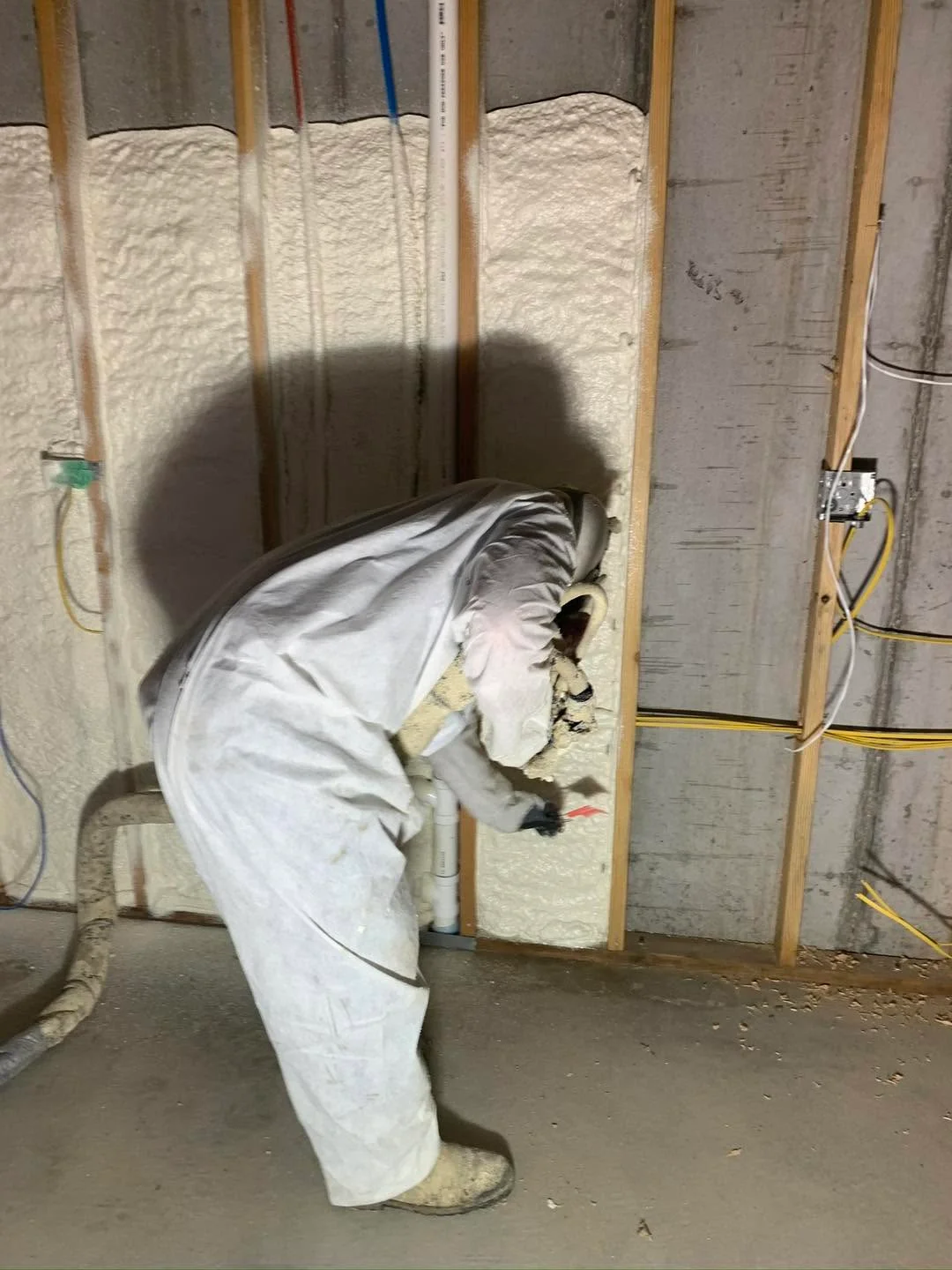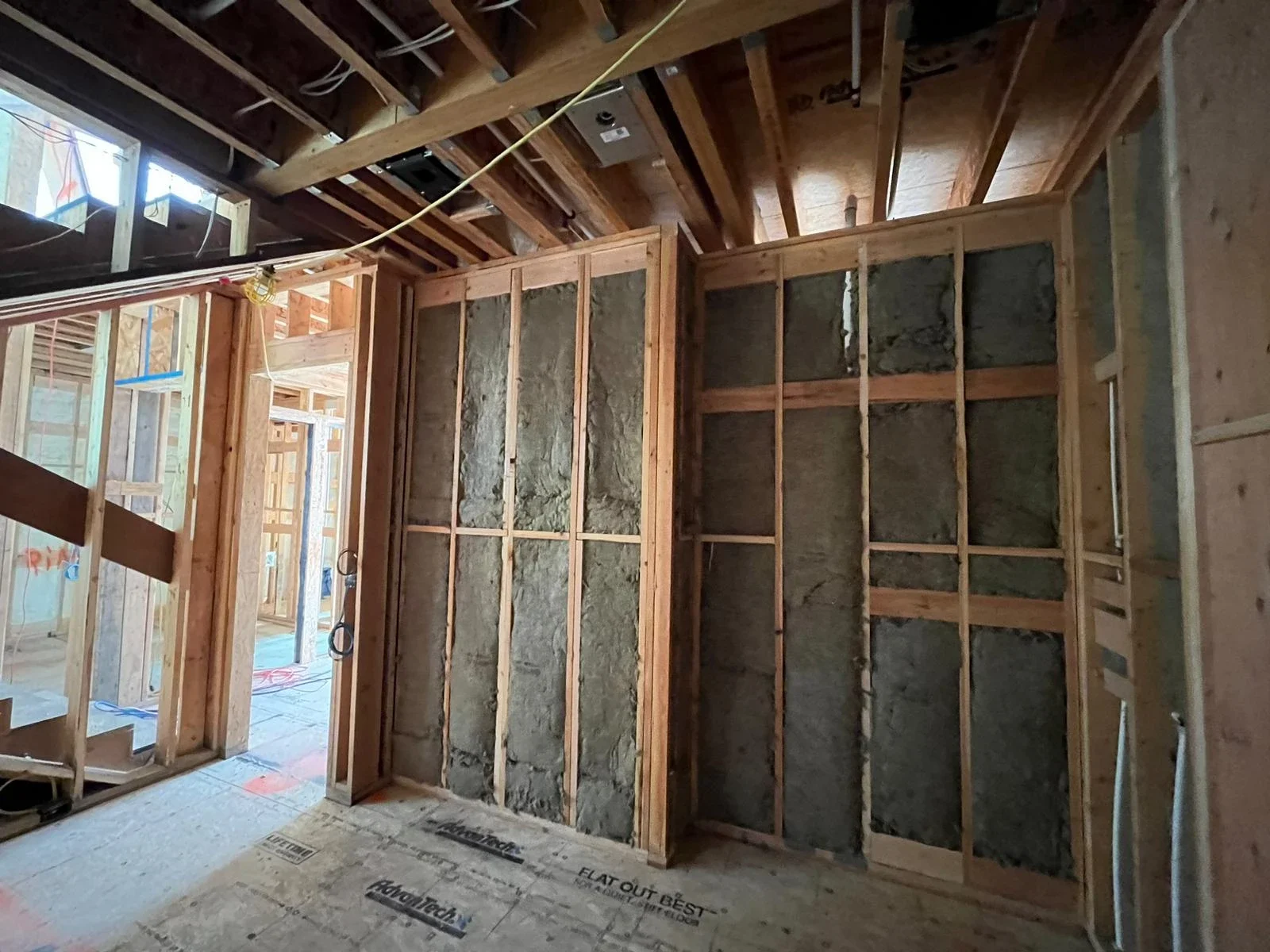
Mineral Wool vs Fiberglass Insulation: Which Option Is Better for Your Home?
Quick answer: In the mineral wool vs fiberglass insulation debate, mineral wool usually wins on fire resistance, moisture handling, sound…



Properly insulating a new home during construction is one of the most effective decisions a homeowner in Thayne, WY can make. Located in Star Valley, Thayne sits in a cold climate zone where winter temperatures regularly drop well below freezing, making high-performance insulation a necessity rather than a luxury. New construction insulation reduces heat flow through walls, ceilings, and floors by providing resistance to thermal energy transfer, thereby lowering heating costs and maintaining more consistent indoor temperatures. The right insulation strategy for a Thayne home depends on the building design, which areas of the home need insulating, the R-value targets set by building codes for cold climates, and whether the homeowner wants to exceed minimum code requirements for long-term savings and comfort. Working with experienced insulation professionals helps ensure those goals are met without compromising performance.
Thayne sits at an elevation of approximately 6,200 feet in Lincoln County, Wyoming, and falls squarely within IECC Climate Zone 6 on the Department of Energy’s climate map. This zone is classified as heating-dominated, meaning homes lose far more thermal energy during winter than they gain during summer. According to the DOE’s Energy Saver guide, Climate Zone 6 requires a minimum ceiling R-value of R-60 for uninsulated attics, R-30 for uninsulated floors, and R-20 plus R-5 continuous insulation for uninsulated wood-frame walls.
These are the minimum requirements. In a location where temperatures can remain below freezing for extended stretches, exceeding these minimums during new construction is a practical investment. As Wikipedia’s building insulation reference explains, approximately 40% of energy consumption in buildings is attributed to heating and cooling, and sufficient thermal insulation is the fundamental task that ensures a healthy indoor environment while reducing energy demands.
Comfort in a cold-climate home is not simply about setting the thermostat higher. It is about maintaining consistent temperatures across every room, eliminating cold spots near exterior walls, and preventing drafts that make a space feel colder than the actual air temperature. Insulation works by slowing three mechanisms of heat transfer: conduction through solid materials, convection through air movement, and radiation from warm surfaces to cooler ones. These principles are central to high-performance spray foam systems designed for cold-climate homes.
When a home in Thayne is built with proper cavity insulation, continuous exterior insulation, and thorough air sealing, the indoor environment stays at a steady, even temperature regardless of what is happening outside. Rooms far from the furnace feel just as warm as rooms directly above it. Floors above unheated crawl spaces or garages no longer pull heat from the living space. The DOE’s guide to insulating new homes notes that the performance of insulation depends heavily on installation quality, which is why working with experienced professionals during construction makes a measurable difference in real-world comfort outcomes.
In a heating-dominated climate like Thayne, the furnace runs frequently during winter. The more heat that escapes through the building envelope, the harder the system has to work, and the higher the energy bills climb. Proper new construction insulation creates a continuous thermal barrier around the conditioned living space, reducing the load on heating equipment and lowering energy consumption.
The DOE’s energy-efficient home improvement guidelines reference the 2021 International Energy Conservation Code (IECC) as the benchmark for building envelope performance. Homes built to or above these standards require less energy to maintain comfortable temperatures. When homeowners choose to exceed minimum code with higher R-values, continuous insulation on exterior walls, and meticulous air sealing, the reduction in heating demand becomes substantial over time.
Beyond monthly savings, efficient homes with high-quality insulation contribute to reduced carbon emissions, which is an increasingly important consideration for environmentally conscious buyers in the Thayne market.
The choice of insulation material depends on the area being insulated, the desired R-value, and the homeowner’s priorities around moisture resistance, fire safety, and installation method. Below is a comparison of the most common options used in new construction.
| Insulation Type | Best Application Areas | Key Strengths | R-Value per Inch | Limitations |
|---|---|---|---|---|
| Fiberglass batts | Wall cavities, attics, and floors | Widely available, cost-effective, fire-resistant | 2.9 – 3.8 | Can leave gaps if poorly installed, lower R-value per inch |
| Mineral wool | Walls, attics, sound partitions | Naturally fire resistant, excellent sound dampening | 3.0 – 3.7 | Higher material cost than fiberglass |
| Cellulose | Wall cavities (dense-packed), attics | High recycled content fills gaps effectively | 3.1 – 3.8 | Requires professional installation for dense-pack |
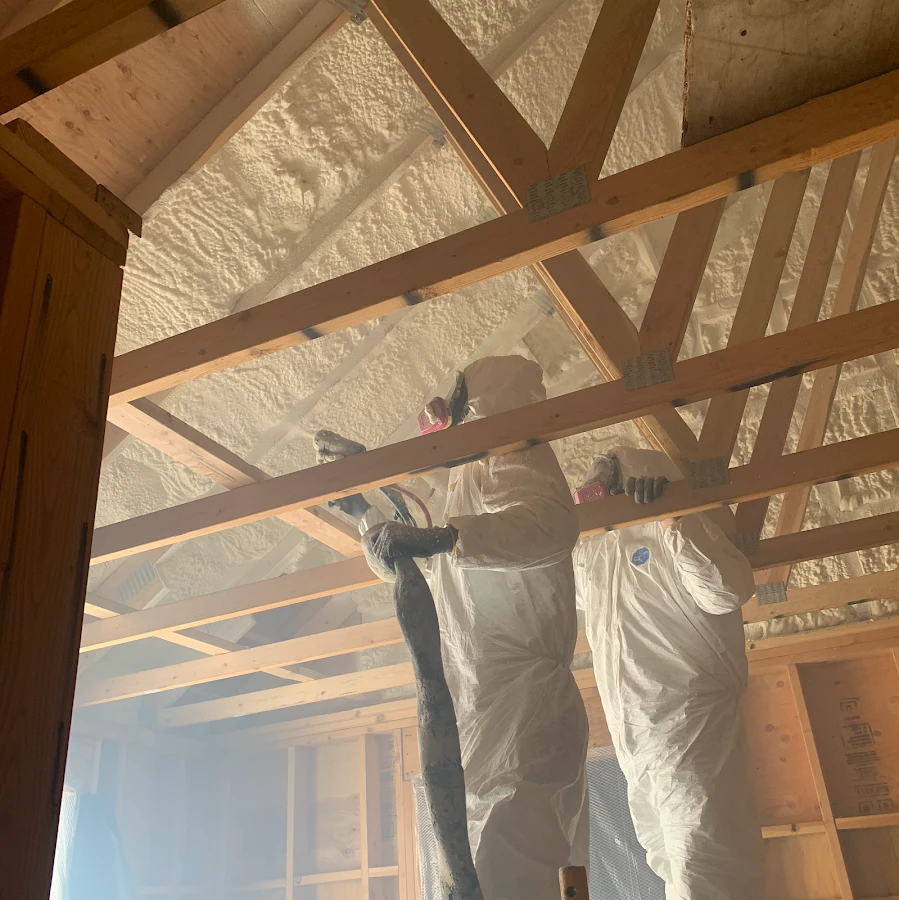
| Closed-cell spray foam | Rim joists, crawl spaces, vaulted ceilings | Acts as an insulation and vapor barrier, seals air leaks | 6.0 – 7.0 | Higher project cost requires a professional installer |
| Open-cell spray foam | Wall cavities, attics | Good air sealing, sound control | 3.5 – 3.7 | Not a vapor barrier, lower R-value than closed-cell |
| Rigid foam board | Exterior continuous insulation, foundations | High R-value adds a continuous thermal break | 3.8 – 6.5 | Must be covered with a thermal barrier per code |
The DOE’s insulation materials guide provides detailed information on each material, including fire resistance, recycled content, and recommended installation methods. For Thayne homes, many builders combine cavity insulation (such as fiberglass or mineral wool) with exterior continuous rigid foam insulation to meet or exceed the R-20 plus R-5 CI requirement while minimizing thermal bridging through studs and framing.
Energy-efficient features are increasingly important to homebuyers, and insulation is the foundation of an efficient home. A well-insulated house in Thayne offers tangible, documentable benefits that differentiate it from comparable properties built to minimum code. Lower heating bills, consistent comfort, reduced noise transmission, and fewer moisture problems all contribute to stronger buyer interest and higher perceived value.
The ENERGY STAR certified homes program reports that certified homes deliver better energy efficiency and performance compared to standard homes, with homeowners across the country reporting utility bills that are dramatically lower, even in larger homes. In a cold-climate market like Thayne, where heating costs are a major part of annual household expenses, a home with documented high-performance insulation and air sealing stands out as a better long-term investment.
Additionally, homes built with quality insulation tend to experience fewer problems with condensation, mold, and structural degradation over time, which protects the homeowner’s equity and reduces maintenance costs. Choosing the right new construction insulation strategy can deliver those long-term benefits while improving overall home performance.
| Homeowner Priority | Recommended Insulation Approach | Notes |
|---|---|---|
| Maximum energy savings | Closed-cell spray foam in walls and crawl spaces, fiberglass or cellulose in attic to R-60 or higher, continuous rigid foam on exterior | Highest upfront cost but greatest long-term reduction in heating bills |
| Balanced budget and performance | Mineral wool or fiberglass in wall cavities, blown-in attic insulation to R-60, R-5 to R-10 continuous exterior insulation | Meets or exceeds code without the premium of full spray foam |
| Moisture-prone areas | Closed-cell spray foam in crawl spaces, basement rim joists, and below-grade walls | Provides both thermal resistance and a vapor barrier in one application |
| Sustainability focus | Cellulose in walls and attic (82-85% recycled content), mineral wool for sound-critical areas | High recycled content with strong thermal performance |
Choosing the right team for your new construction insulation project in Thayne makes a significant difference in how your home performs for decades. Here are the indicators that you are working with professionals who will deliver results:
When you are building a new home in Thayne, WY, the insulation decisions you make during construction will affect your comfort, energy bills, and property value for as long as you own the home. Our team at High Country Solutions brings deep experience with new construction insulation, including closed-cell and open-cell spray foam, attic insulation, and complete building envelope solutions designed for cold climates. We work directly with builders and homeowners to ensure every cavity, joint, and penetration is properly insulated and sealed.
Reach out to us today to discuss your project.
Request a Quote | Schedule a Consultation
Call us at (307) 248-9063 or email [email protected] to get started. The earlier we are involved in your new construction project, the more effectively we can help you build a home that performs in Thayne’s demanding climate.
Thayne is in Climate Zone 6, which requires a minimum of R-60 in uninsulated attics and R-20 plus R-5 continuous insulation in uninsulated wood-frame walls per the 2021 IECC.
Closed-cell spray foam provides both high R-value per inch and an effective vapor barrier, making it particularly valuable in crawl spaces, rim joists, and vaulted ceilings where moisture control is a concern.
Air leakage through gaps, joints, and penetrations can account for more heat loss than conduction through the walls themselves, making sealing just as important as the insulation material itself.
Insulation and air sealing should be coordinated throughout the framing, mechanical rough-in, and drywall stages, with continuous insulation applied to exterior walls before siding is installed.
Homes with documented high-performance insulation and air sealing tend to attract stronger buyer interest in cold-climate markets because of their lower operating costs and improved comfort compared to code-minimum homes.