Is Spray Foam Insulation a Good Choice for Homes in Cold and Changing Climates in Alpine, WY?
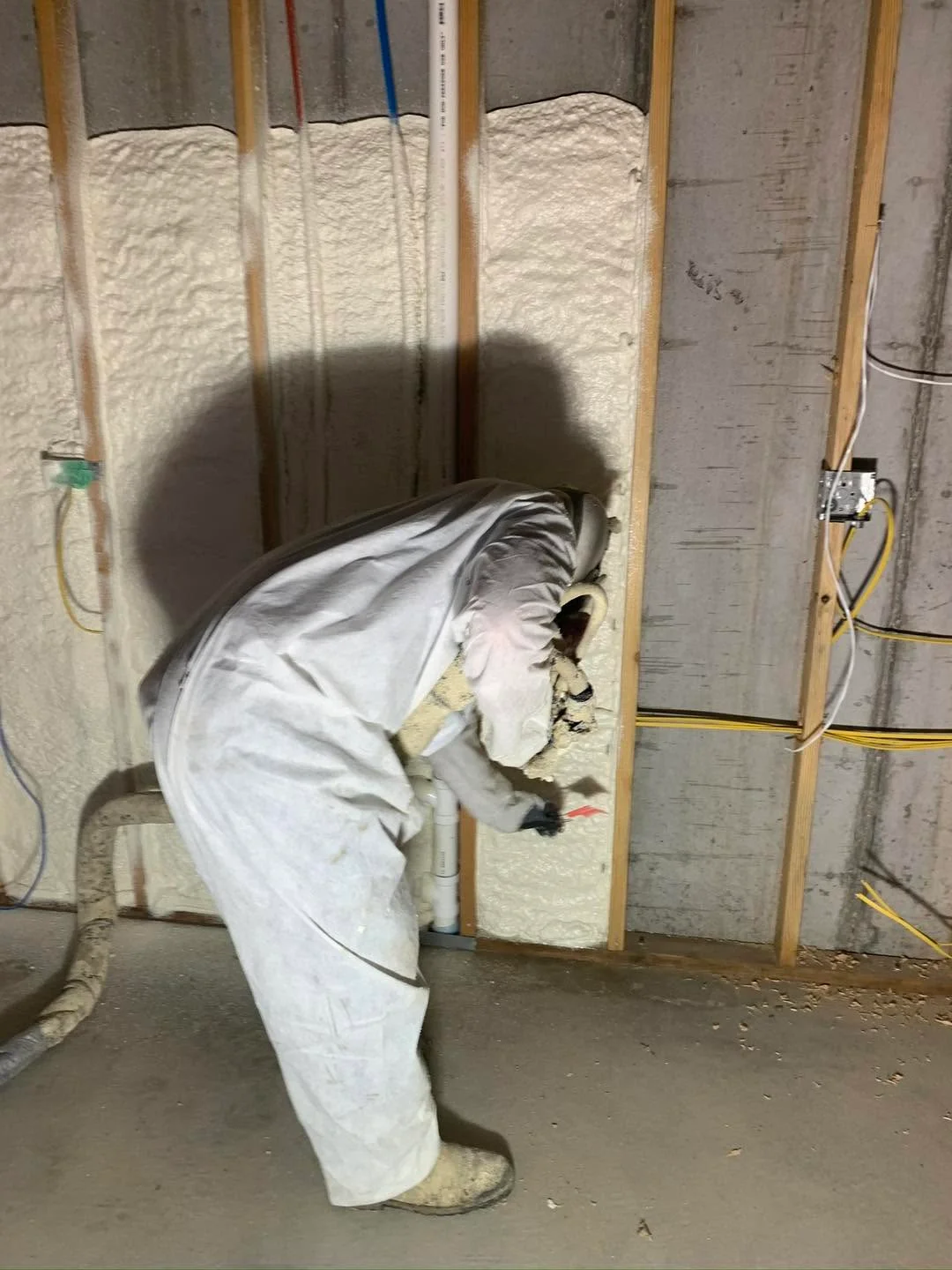
Yes, spray foam insulation is an excellent choice for homes in Alpine, WY, provided you choose the right material and…

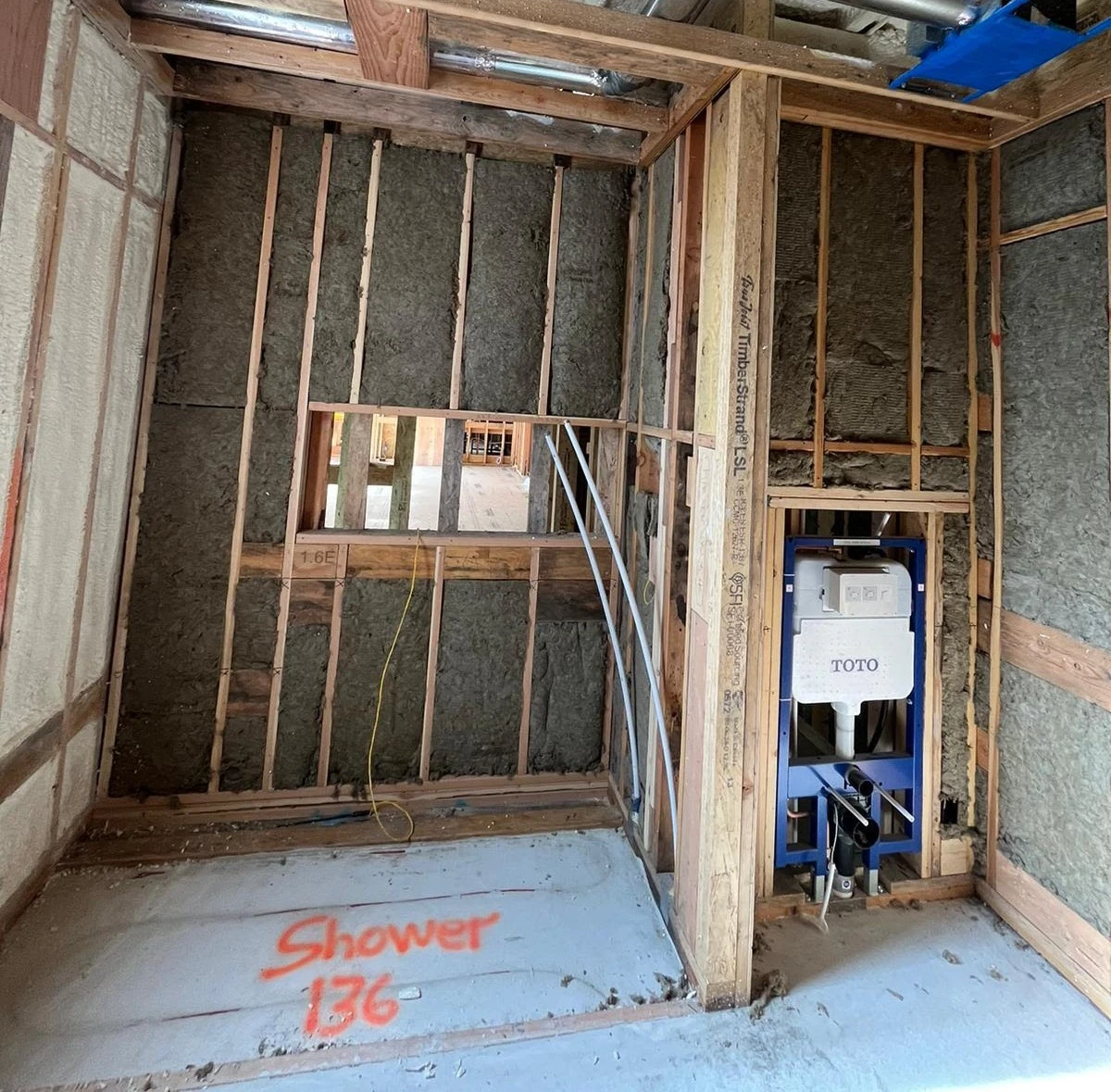
Mineral wool insulation is becoming the go-to choice for homeowners in Jackson Hole, WY because it addresses the specific demands of living in one of the coldest and most unforgiving climate zones in the lower 48 states. Jackson Hole sits in IECC Climate Zone 7, which demands high-performance insulation across every part of the building envelope, from ceilings requiring R-49 to walls needing a minimum of R-20 cavity insulation plus R-5 exterior sheathing. Mineral wool delivers the thermal resistance, fire protection, moisture management, and sound dampening that homeowners here need, and it does so without the chemical additives, sagging, or moisture vulnerability that plague other common insulation types. The right insulation material for any home depends on climate demands, fire safety priorities, and indoor air quality concerns, and for Jackson Hole residents, a mineral wool insulation guide can help homeowners understand why this material is gaining popularity.
Mineral wool, also called stone wool or rock wool, is produced by spinning molten basalt or industrial slag into fine fibers at roughly 1,600°C. The resulting material is pressed into batts, boards, or loose-fill forms that trap millions of tiny air pockets, creating an effective thermal barrier. According to Wikipedia, mineral wool has been used for thermal insulation and soundproofing since the 19th century, and its ability to partition air makes it an excellent insulator and sound absorber.
What separates mineral wool from fiberglass, cellulose, and spray foam comes down to four properties: fire resistance, moisture tolerance, structural rigidity, and indoor air quality profile.
| Property | Mineral Wool | Fiberglass | Cellulose | Spray Foam |
|---|---|---|---|---|
| Fire Resistance | Noncombustible to 700-850°C | Noncombustible with facings | Combustible (chemically treated) | Combusts around 700°F |
| Moisture Tolerance | Hydrophobic, drains water | Absorbs moisture, loses R-value | Absorbs moisture, can mold | Forms vapor barrier |
| Structural Rigidity | High density, friction fit, no sagging | Can sag and settle over time | Can settle in walls | Expands and fills gaps |
| Sound Dampening | Excellent mid/high frequency absorption | Moderate absorption | Good density for sound | Limited sound benefit |
| Indoor Air Quality | Inorganic, no off-gassing | Inorganic, potential dust | Organic, can support mold | Off-gassing during cure |
This combination of properties is why mineral wool has gained traction in cold-climate construction, and it is particularly well suited to the demands of Jackson Hole’s environment.
The International Energy Conservation Code assigns climate zones based on heating degree days, and Teton County sits squarely in Zone 7. According to the NAIMA Wyoming IECC Compliance Guide, which is based on U.S. Department of Energy data, Wyoming’s Climate Zone 7 counties, including Teton, Sublette, and Lincoln, carry the highest insulation requirements in the state.
The prescriptive requirements for Climate Zone 7 include:
| Building Assembly | Minimum R-Value Requirement |
|---|---|
| Ceilings / Attics | R-49 |
| Wood Frame Walls (cavity + sheathing) | R-20 + 5 or R-13 + 10 |
| Mass Walls | R-19/21 |
| Floors Over Unconditioned Space | R-38 |
| Basement Walls | R-15/19 |
| Crawl Space Walls | R-15/19 |
| Slab on Grade (edge) | R-10, 4 ft depth |
Jackson Hole’s winter temperatures regularly drop well below zero, with nighttime lows that can reach minus 20°F or colder during cold snaps. Homes in this climate lose heat through every gap, joint, and under-insulated assembly. Mineral wool batts with friction-fit edges create a tight seal within wall cavities, reducing air infiltration that would otherwise undercut the insulating value of the entire assembly. Understanding mineral wool insulation for heat loss can help homeowners choose the right solution for extreme cold conditions.
The International Code Council reports that meeting or exceeding current energy code envelope requirements can extend building habitability by as much as 120% during extreme cold events, which is directly relevant to homeowners facing prolonged sub-zero periods. Mineral wool’s ability to maintain its R-value in cold temperatures, combined with its rigidity that prevents gaps from forming over time, helps homes hold their heat when it matters most.
In Jackson Hole, where homes are often surrounded by forested areas and wildland-urban interface zones, fire resistance is not an abstract concern. Mineral wool offers passive fire protection that few other insulation materials can match.
Stone wool is noncombustible and can withstand direct exposure to temperatures between 700 and 850°C, as documented in Wikipedia’s mineral wool entry. It does not melt, emit toxic smoke, or spread flames. When installed in wall cavities and concealed spaces, mineral wool acts as a firestop that slows the spread of fire between rooms and between floors.
The IARC Monographs evaluation classifies stone wool and slag wool as Group 3, meaning they are “not classifiable as to carcinogenicity in humans.” This classification reflects that the commonly used vitreous fiber wools produced since 2000, including mineral wool insulation, do not pose a known cancer risk. For homeowners comparing materials, this is a meaningful distinction from spray foam insulation, which has been flagged by NIOSH for diisocyanate exposure risks during installation, and from cellulose, which is treated with chemical fire retardants and remains fundamentally combustible.
Jackson Hole receives significant annual snowfall, and the freeze-thaw cycle creates persistent moisture challenges for building envelopes. Snow accumulation on roofs, ice dams, condensation within wall cavities, and spring snowmelt all introduce water that must be managed carefully.
Mineral wool handles moisture differently from other insulation types. It is hydrophobic, meaning it repels liquid water, and it allows water vapor to pass through without trapping it. If mineral wool does get wet, it can dry out and retain most of its thermal performance, unlike fiberglass, which can lose significant R-value when moisture accumulates within the fibers. Homeowners looking for moisture-resistant solutions can explore insulation services in Jackson, WY for professional installation options.
Because mineral wool is entirely inorganic, it does not provide a food source for mold or mildew. Mold can grow on any surface given enough moisture and organic material, but mineral wool itself will not feed fungal growth. In a climate where roof leaks, condensation, and moisture intrusion are real risks over the life of a home, this resistance to mold provides long-term protection for both the building structure and indoor air quality.
Beyond thermal and fire performance, mineral wool offers strong acoustic properties that benefit homeowners in Jackson Hole. Its high density and fibrous structure make it an effective absorber of mid-range and high-frequency sound, which helps reduce noise transmission between rooms, between floors, and from the exterior.
This matters in ski town homes where households may include multiple generations, guests, or rental occupants. Mineral wool in interior walls and floor assemblies reduces sound transfer between bedrooms, bathrooms, and common areas. Between floors, mineral wool batts installed between floor joists can noticeably reduce the transmission of foot traffic and conversation noise. For homes near busy roads or with frequent visitor traffic, exterior wall assemblies with mineral wool provide an additional layer of sound dampening alongside thermal protection.
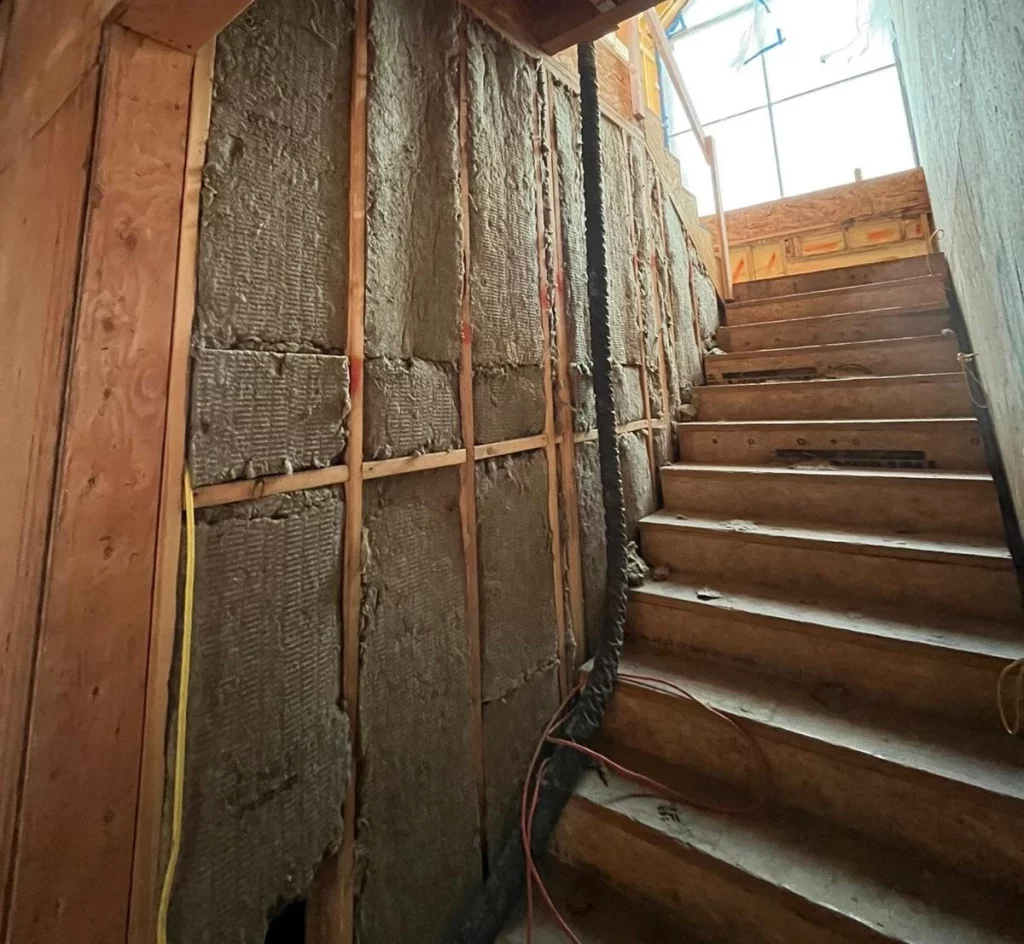
Different homes and projects call for different approaches to insulation. Here is how mineral wool fits various scenarios:
| Homeowner Scenario | Best Approach | Why Mineral Wool Works Well |
|---|---|---|
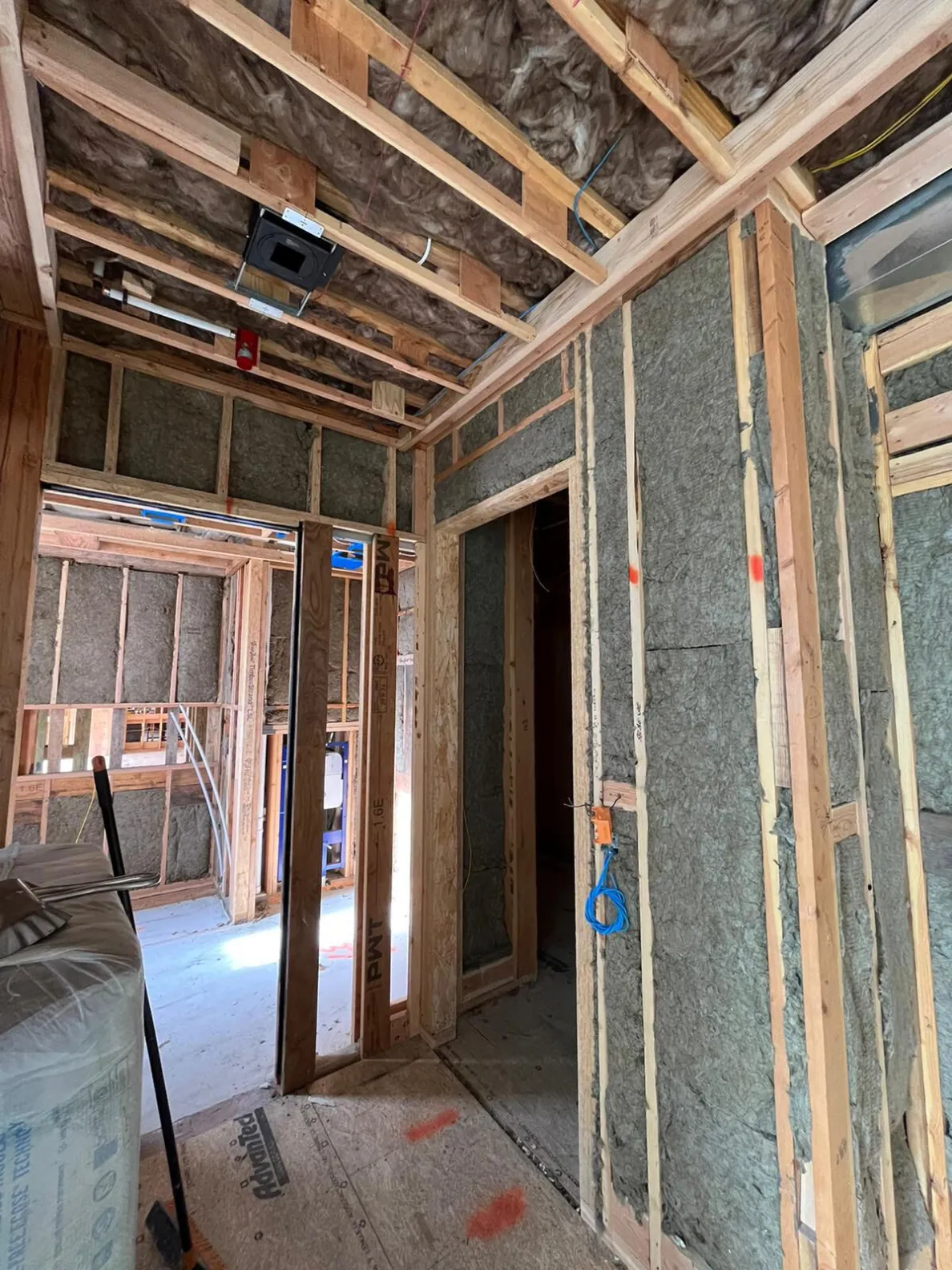
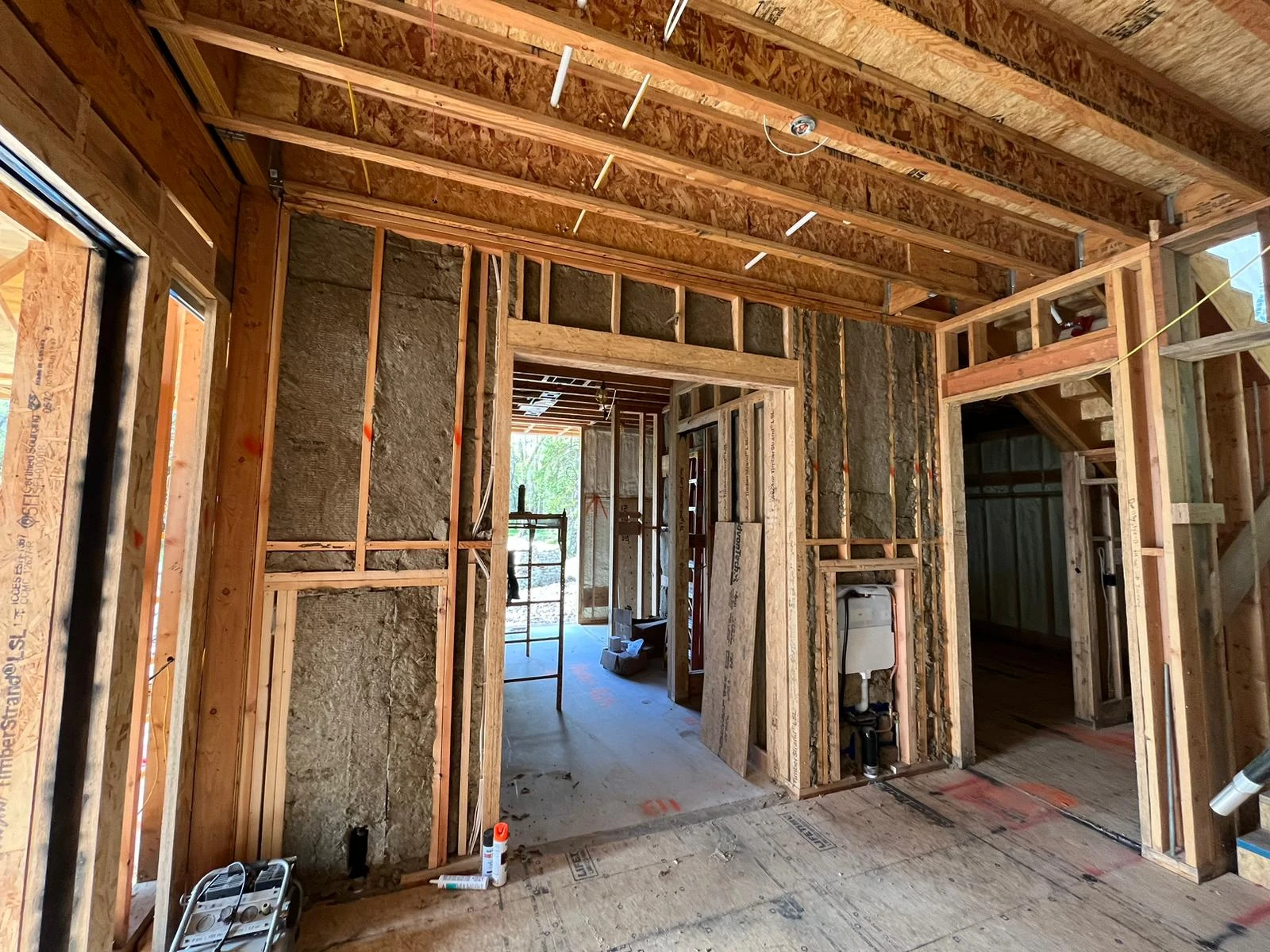
| New Construction | Full mineral wool in walls, ceilings, and floors | Meets or exceeds Zone 7 code requirements with a single material system |
| Remodel / Retrofit | Mineral wool in open wall cavities, attic floors | High density fills gaps effectively in retrofit applications |
| Multi-Story Homes | Mineral wool between floor joists for sound and thermal | Dual benefit of sound isolation and thermal separation between levels |
| Homes Near Wildland Areas | Mineral wool in all exterior walls and concealed spaces | Passive fire protection without additional chemical treatments |
| Homes with Moisture History | Mineral wool replacement in problem areas | Hydrophobic properties and inorganic composition resist mold and water damage |
Choosing mineral wool is only part of the equation. The quality of installation determines whether the material performs as designed. A qualified contractor will demonstrate clear communication about which R-values are required for each assembly in Climate Zone 7, explain how air sealing and insulation work together, and provide documentation showing compliance with the adopted energy code. They should discuss vapor retarder placement, not just insulation thickness, because moisture management in a Zone 7 climate requires careful attention to vapor drive direction. Our team at High Country Solutions evaluates every home as a complete system, from the roof assembly to the foundation, ensuring that mineral wool insulation is installed to deliver its full thermal, fire, and acoustic performance over the lifetime of the building.
High Country Solutions helps Jackson Hole homeowners navigate the specific insulation demands of Climate Zone 7 with professional mineral wool installation backed by local building science expertise. Whether you are building new, remodeling, or upgrading an under-insulated home, our team assesses your building envelope, identifies the right R-values for each assembly, and installs mineral wool to code-compliant standards that keep your home comfortable through the coldest months.
Request a Quote from our team to discuss your insulation project in detail, or Schedule an Insulation Assessment to have our professionals evaluate your current building envelope performance and identify where mineral wool can make the biggest difference. Call us at (307) 248-9063 or email [email protected] to get started.
Mineral wool and fiberglass offer similar R-value per inch, but mineral wool maintains its R-value more consistently over time because it does not sag, settle, or compress the way fiberglass can in wall cavities.
The IARC classifies mineral wool insulation as “not classifiable as to carcinogenicity,” and the material is inorganic, noncombustible, and does not off-gas chemicals, making it a safe choice for residential interiors.
Yes, mineral wool batts can be installed in any wall cavity that is opened during a remodel, and their friction-fit design helps them stay in place without additional fasteners in standard stud cavities.
Mineral wool is hydrophobic and repels liquid water, and if it does become wet, it can dry and regain its thermal performance, unlike fiberglass, which loses R-value when moisture accumulates in the fibers.
Mineral wool’s high density and fibrous structure absorb mid- and high-frequency sound effectively, making it a practical choice for reducing noise transmission between bedrooms, bathrooms, and common areas in multi-story homes.