Why Some Homes in Alpine Still Struggle With Heat Loss Without Mineral Wool Insulation?
Skeeter Aimone
April 16th, 2026
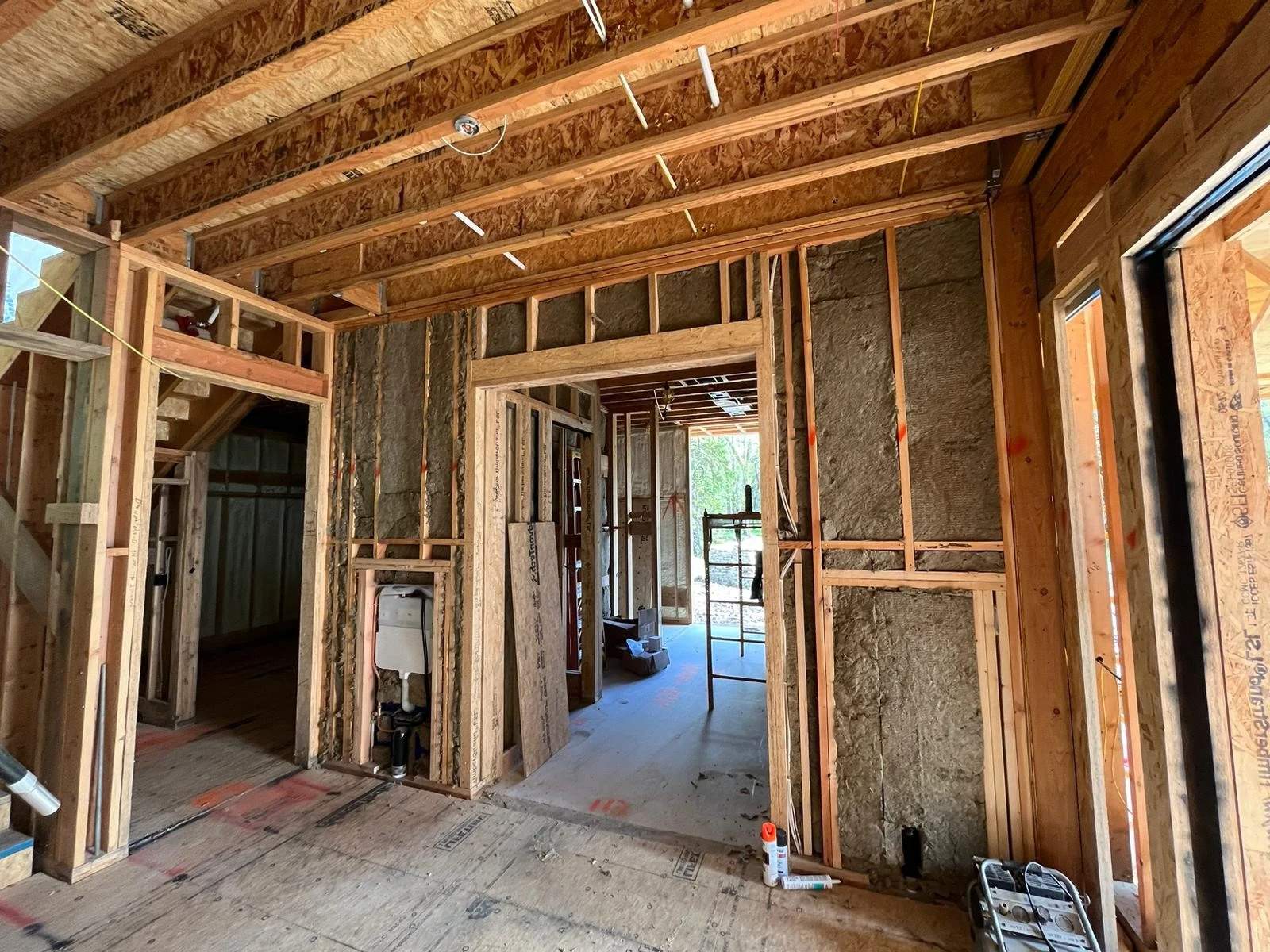
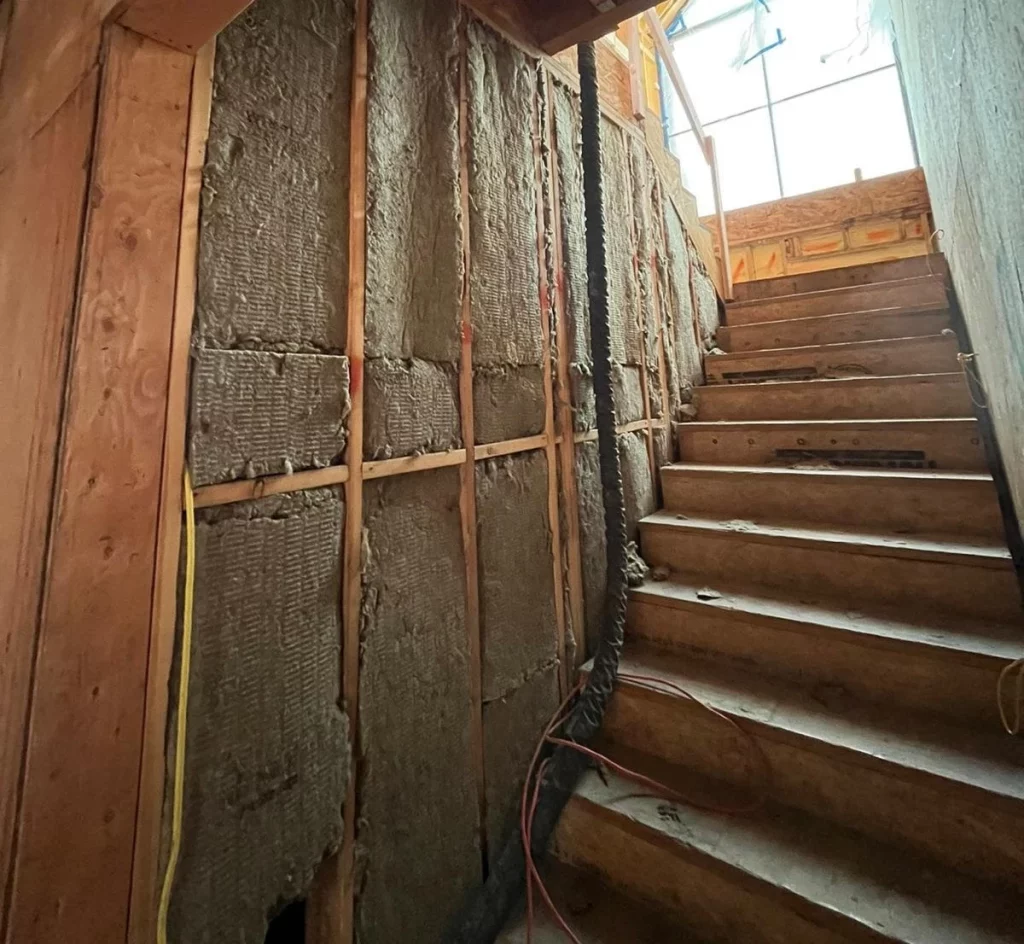
Homes in Alpine continue to lose significant heat during the winter months because many were built with traditional fiberglass batts or outdated insulation materials that cannot meet the thermal demands of a cold climate zone. Mineral wool insulation delivers roughly 22 to 37 percent higher R-value per inch compared to fiberglass, maintains its thermal performance at subzero temperatures, and provides a denser, more effective barrier against conductive and convective heat loss. Without upgrading to mineral wool or a comparable high-performance insulation, homeowners in Alpine face persistent energy waste, uneven indoor temperatures, and higher heating costs every winter. For a broader breakdown of insulation options and performance, see our mineral Wool insulation solutions overview.
TL;DR
Alpine, Wyoming, falls within IECC Climate Zones 6 and 7, where the Department of Energy recommends a minimum of R-60 attic insulation and R-20 cavity insulation with R-5 to R-20 continuous insulation for above-grade walls
Mineral wool delivers R-3.3 to R-4.3 per inch, outperforming standard fiberglass batts, which typically range from R-2.9 to R-3.2 per inch
Fiberglass insulation can lose up to 50 percent of its rated R-value when temperatures drop below minus 20 degrees Fahrenheit, a realistic scenario in Alpine winters
Mineral wool is naturally fire-resistant, non-combustible, and hydrophobic, meaning it repels water and resists mold growth better than fiberglass
Common heat loss pathways in Alpine homes include air leaks around framing, thermal bridging through studs, and poorly insulated attics, where heat rises and escapes
Proper installation matters as much as material choice: mineral wool installed with gaps, voids, or inset staples will still underperform its rated R-value
Homes built before modern energy codes often lack continuous insulation on the exterior, leaving walls vulnerable to convective loops and air infiltration
Alpine’s Climate Demands More Than Standard Insulation
Alpine sits at roughly 5,400 feet in elevation in Lincoln County, Wyoming, where winter temperatures regularly plunge well below freezing and wind chill factors make it feel far colder. The area falls within IECC Climate Zones 6 and 7, among the most demanding classifications in the continental United States. According to the U.S. Department of Energy, homes in these zones require R-60 insulation in uninsulated attics and R-20 cavity insulation with at least R-5 continuous insulation for wood-frame walls. Many older homes in Alpine were built with R-11 or R-13 fiberglass in the walls and R-19 to R-30 in attics, far below what the climate actually requires.
The temperature differential between indoor and outdoor environments in Alpine during January can easily reach 70 to 80 degrees or more. Every degree of difference drives heat through the building envelope, and when the insulation layer is inadequate, that heat transfer accelerates. The result is a heating system that runs constantly, uneven room temperatures, drafty zones near windows and exterior walls, and energy bills that reflect the gap between what the home needs and what its insulation actually provides.
How Heat Escapes Homes Without Adequate Insulation
Heat moves through buildings by three mechanisms: conduction through solid materials, convection through air movement, and radiation from warm surfaces to cooler ones. The Department of Energy explains that insulation primarily resists conductive and convective heat flow, but only when installed correctly and at sufficient thickness. In homes without high-performance mineral wool insulation, all three mechanisms create compounding losses.
Conductive heat loss occurs through framing members, window frames, and any solid path connecting the warm interior to the cold exterior. This is known as thermal bridging, and it is especially pronounced in 2×4 walls where wood studs represent a significant percentage of the wall area. Mineral wool’s higher density slows conductive transfer more effectively than lighter fiberglass materials.
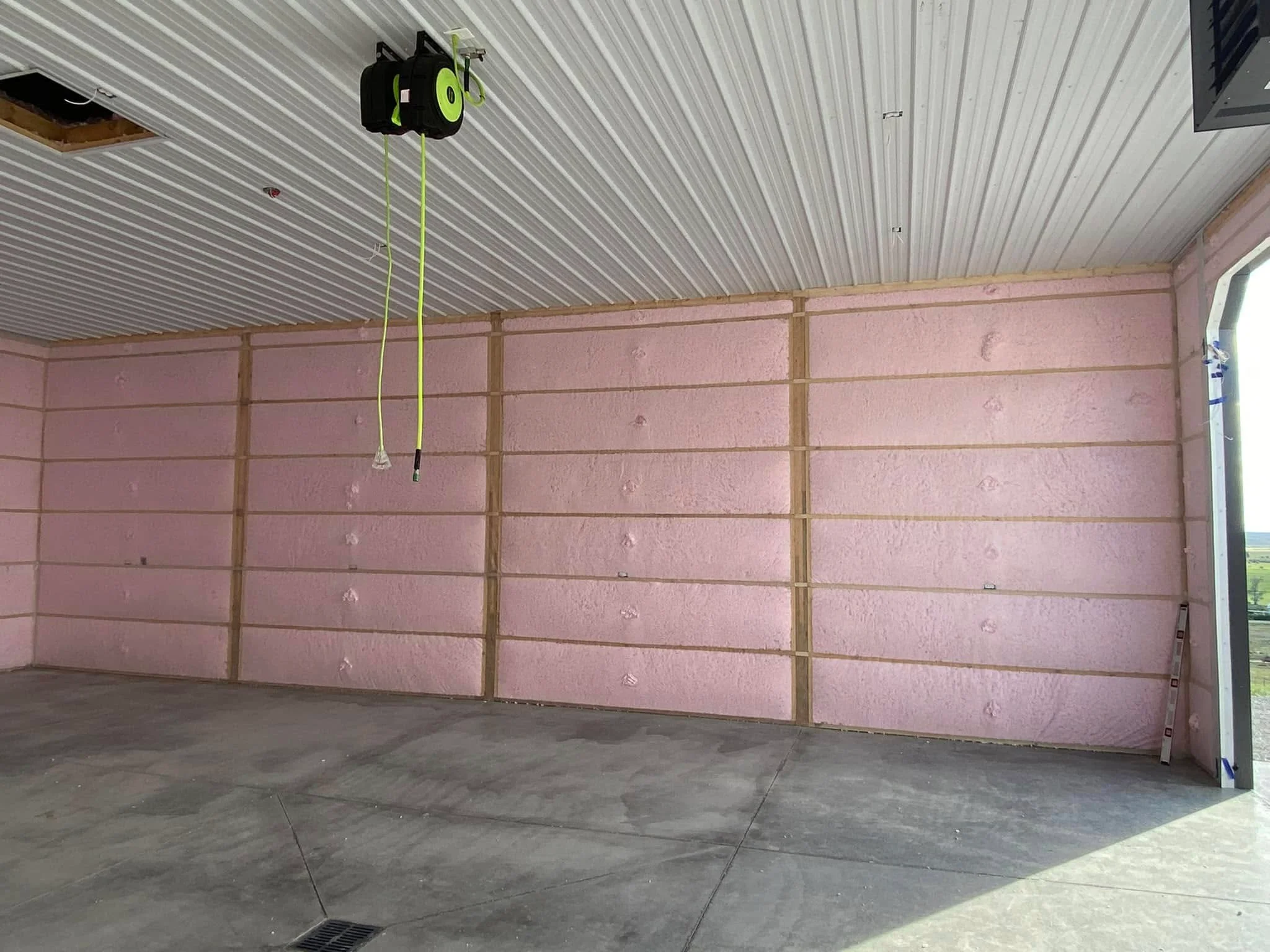
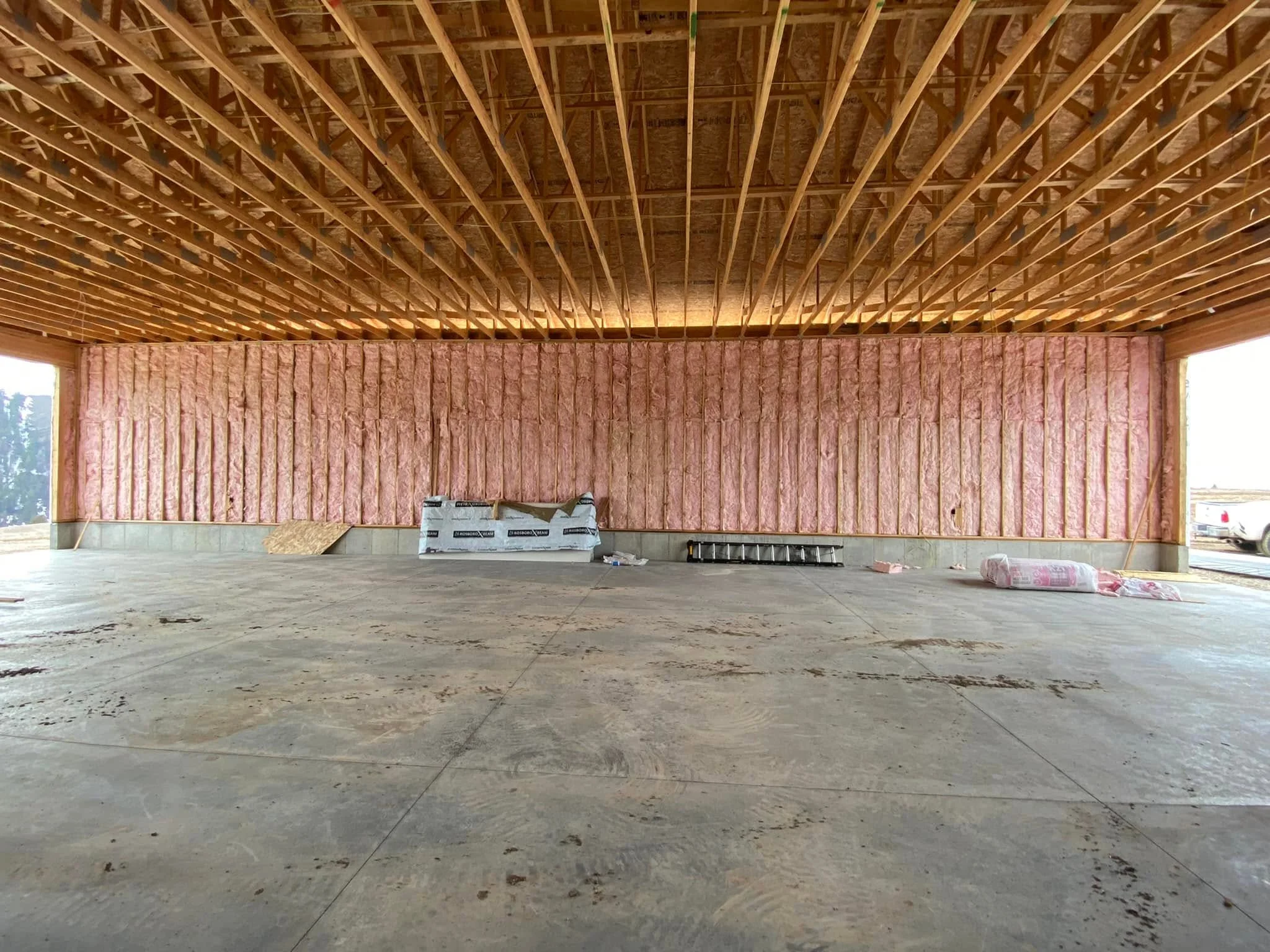
Convective heat loss happens when warm indoor air finds gaps around insulation, circulates through cavities, and carries heat to the exterior. Fiberglass and mineral wool batts both rely on air trapped within their fibers to resist convective flow, but fiberglass is more susceptible to air movement within the cavity because of its lower density. When batts are compressed, poorly fitted, or installed with inset staples, convective loops form within the wall cavity and the effective R-value drops well below the rated value. As documented by the Building Science Corporation, even cavity insulations that perform well in lab conditions can fail dramatically if airflow through them is not controlled.
Radiant heat loss is the transfer of thermal energy from warm surfaces like walls and ceilings directly to colder surfaces. Mineral wool’s dense fiber structure absorbs and reradiates less thermal energy compared to low-density alternatives, providing a modest but measurable improvement in radiant heat retention.
Mineral Wool vs. Fiberglass: Performance in Cold Climates
The performance gap between mineral wool and fiberglass becomes most apparent in cold climates like Alpine. While both materials are fibrous insulations designed to trap air within their structure, mineral wool offers several distinct advantages when temperatures drop.
Property
Mineral Wool
Fiberglass Batts
R-Value per Inch
R-3.3 to R-4.3
R-2.9 to R-3.2
Cold Temperature Performance
Maintains or improves R-value
Loses up to 50% below -20°F
Density
3.0 to 4.0 lbs/ft³
0.5 to 1.0 lbs/ft³
Fire Resistance
Non-combustible, melts above 2,000°F
Combustible, requires a facer
Moisture Resistance
Hydrophobic, repels water
Absorbs moisture when exposed
Sound Transmission Class (STC)
Superior sound dampening
Moderate sound dampening
Air Barrier Capability
Not an air barrier alone
Not an air barrier alone
Compression Recovery
Retains R-value when compressed
Loses R-value when compressed
Typical Wall Cavity R-Value (2×6)
R-23 to R-30
R-19 to R-21
According to This Old House, mineral wool provides an R-value of approximately 3.0 to 3.3 per inch and is highly resistant to fire, offering a safety advantage in addition to thermal performance. In a standard 2×6 wall cavity, mineral wool batts rated at R-23 or R-30 outperform fiberglass by a meaningful margin, and that advantage compounds over the course of a long Alpine winter.
The cold-temperature behavior is particularly important. Research published by building science organizations has shown that fiberglass insulation loses effectiveness in extreme cold, with R-values dropping significantly at temperatures below minus 20 degrees Fahrenheit, conditions that occur regularly in Alpine. Mineral wool, by contrast, performs as well or better the colder it gets, making it a more reliable choice for homes that face sustained subzero weather. As Green Building Advisor notes, mineral wool offers superior insulation with about a 22 to 37 percent higher R-value per inch compared to fiberglass, along with natural moisture resistance and fire safety benefits that are especially valuable in demanding cold climates.
Why Some Alpine Homes Still Use Outdated Insulation
Several factors explain why so many homes in Alpine continue to rely on fiberglass or even no insulation at all in certain assemblies.
Building age and code history. Homes built before the 1990s were often insulated to minimal standards, with R-11 or R-13 in walls and R-19 in attics. Energy codes have since been updated multiple times, but existing homes are not required to retrofit unless they undergo major renovation. The result is a large housing stock in Alpine that was never designed for the thermal demands of its climate zone.
Cost perception. Mineral wool typically costs 30 to 50 percent more per square foot than fiberglass. Builders and homeowners focused on upfront cost often choose fiberglass despite the clear long-term performance difference. Over a 20-year period in Alpine’s climate, the energy savings from mineral wool typically offset the initial premium, but the payback calculation is not always made.
Contractor familiarity. Many insulation contractors in rural Wyoming have decades of experience installing fiberglass and are less familiar with mineral wool installation techniques. Mineral wool is heavier and denser, requiring friction-fit installation in cavities and careful cutting around obstacles. Without proper training, installers may leave gaps that undermine performance.
Misleading marketing. As the Building Science Corporation has pointed out, some insulation manufacturers and salespeople make claims about their products that overstate real-world performance. A homeowner who is told that fiberglass performs just as well as mineral wool in a cold climate is receiving inaccurate information.
Real-World Scenarios: Alpine Homes and Heat Loss
These examples illustrate common situations our team encounters when assessing homes in the Alpine area.
Scenario
Home Type
Problem
Solution
Outcome
1980s Cabin Retrofit
1,200 sq ft log cabin
R-11 fiberglass in 2×4 walls, uninsulated attic floor
Blown-in mineral wool in walls to R-15, R-49 mineral wool batts on attic floor
35% reduction in propane use first winter, eliminated ice damming on roof
New Construction Shortfall
2,400 sq ft custom build
Builder installed R-19 fiberglass in 2×6 walls to cut costs
Replaced cavity insulation with R-23 mineral wool, added R-10 continuous mineral wool board on exterior
Met IECC Zone 7 requirements, homeowner reported consistent 70°F indoor temp at 15°F outside
Attic Heat Loss in Ranch Home
1,800 sq ft ranch
R-30 fiberglass in attic, visible air leaks at penetrations
Air-sealed all penetrations, added R-30 mineral wool layer over existing fiberglass
Heating system runtime reduced by 4 hours per day, saved approximately $800 in first heating season
Crawlspace Moisture and Loss
1,600 sq ft home with vented crawlspace
No crawlspace insulation, fiberglass in floor joists wet and sagging
Removed damaged fiberglass, installed R-15 mineral wool batts against crawlspace walls, sealed vents
Eliminated cold floors, resolved condensation issue, improved indoor air quality
Factors That Affect Insulation Performance in Cold Climates
Choosing the right material is only part of the equation. Several variables determine whether an insulation system actually delivers its rated performance in Alpine’s conditions.
Installation quality. As the Building Science Corporation’s research demonstrates, cavity insulations function as intended only when combined with proper air control layers and when convection within the cavity is eliminated. Mineral wool batts must be cut to fit tightly, friction-fit into cavities without gaps, and be backed by an appropriate air barrier. Inset stapling that creates channels behind the facing material is a common installation error that significantly reduces effective R-value.
Thermal bridging. Wood studs in a 2×6 wall conduct heat at approximately R-1.25 per inch, far less than the R-3.7 per inch that mineral wool provides in the cavity. In a standard wall with studs at 16 inches on center, thermal bridging through framing can reduce the effective whole-wall R-value by 15 to 25 percent. Adding continuous mineral wool board insulation to the exterior of the wall assembly addresses this problem by wrapping the framing with an uninterrupted thermal layer.
Air sealing. Mineral wool alone does not act as an air barrier. According to building science research, mineral wool board insulation installed on the exterior of framing can serve as the thermal control layer, but must be paired with a dedicated water control layer, air control layer, and vapor control layer. Without proper air sealing, convective air movement through and around the insulation will bypass the thermal resistance it provides.
Moisture management. Alpine’s cold winters create conditions where warm interior air meeting cold exterior surfaces can cause condensation within wall assemblies. Mineral wool is naturally hydrophobic, meaning it repels liquid water and drains rather than retaining moisture. This property helps prevent mold growth and insulation degradation that plagues fiberglass when it becomes damp.
Vapor diffusion. In Climate Zones 6 and 7, vapor drive is primarily from the interior outward during winter. Wall assemblies must be designed to allow drying in at least one direction. Mineral wool is vapor permeable, which means it supports moisture movement and drying, reducing the risk of trapped condensation within the assembly.
Actionable Strategies for Homeowners and Builders
For homeowners in Alpine considering an insulation upgrade, or builders planning new construction, these steps provide a clear path to better thermal performance.
Conduct a blower door test before upgrading insulation. This identifies the rate and location of air leaks so they can be sealed before new insulation is installed. Air sealing should always precede insulation work.
Prioritize attic insulation first. The attic is typically the single largest source of heat loss in any home because heat naturally rises. For Alpine homes in Zone 6 or 7, aim for R-60 total attic insulation. If existing insulation is R-19 or R-30, adding a layer of mineral wool batts or blown-in mineral wool is one of the most cost-effective upgrades available.
Upgrade wall assemblies with mineral wool and continuous insulation. When replacing siding or during a major renovation, install R-10 to R-20 mineral wool continuous insulation board over the wall sheathing before new cladding goes on. This eliminates thermal bridging and brings the wall assembly up to current code requirements.
Insulate basements and crawlspaces. Uninsulated basements and crawlspaces are a major source of heat loss and comfort complaints. Mineral wool batts rated for below-grade use can be installed against crawlspace and basement walls to address both thermal and moisture control.
Hire installers with specific mineral wool experience. Proper cutting, fitting, and friction installation of mineral wool batts requires technique. Ask contractors about their experience with mineral wool specifically and request references from cold climate projects.
Address mechanical systems together. Insulation upgrades that reduce the heating load may allow for a smaller, more efficient heating system. Have an HVAC contractor assess whether the existing system is properly sized for the improved envelope after insulation work is complete.
Ready to Fix Your Home’s Heat Loss?
At High Country Solutions, our team specializes in insulation solutions built for cold climates like Alpine, Wyoming. We assess every home individually and recommend the right combination of mineral wool, air sealing, and continuous insulation to match the demands of your climate zone. Whether you are building new, planning a renovation, or dealing with high energy bills in an older home, we can help.
Call us at (307) 248-9063 or email [email protected] to get started. Our team serves homeowners and builders throughout the Alpine area with honest recommendations and quality installation.
Frequently Asked Questions
Is mineral wool worth the extra cost over fiberglass for an Alpine home?
Yes. The higher R-value per inch, better cold temperature performance, fire resistance, and moisture repellent properties make mineral wool a clear choice for homes in Climate Zones 6 and 7. The energy savings over time typically offset the upfront cost difference.
Can I add mineral wool over my existing fiberglass insulation?
In most cases, yes. Mineral wool batts or loose-fill mineral wool can be installed over existing fiberglass in attics to reach the R-60 target recommended for Alpine’s climate zone. The existing insulation should be dry and in good condition before layering.
Does mineral wool require a vapor barrier in Alpine’s climate?
Mineral wool is vapor-permeable and does not require a separate vapor barrier in most wall assemblies. In Climate Zones 6 and 7, vapor control is typically managed at the interior surface with paint or a smart vapor retarder, while mineral wool allows the assembly to dry outward.
How long does mineral wool insulation last?
Mineral wool does not settle, degrade, or lose R-value over time when properly installed. It resists moisture, mold, and pests, and can last the lifetime of the building without replacement.
Can mineral wool be installed in a crawl space?
Yes. Mineral wool batts designed for below-grade applications can be installed against crawlspace walls and rim joists. The material’s hydrophobic properties make it well-suited for these potentially damp environments.
I’m Skeeter Aimone, owner of High Country Solutions in Alpine, Wyoming, leading the company since 2019. I focus on quality installation, building science, and insulation solutions suited to harsh Wyoming and eastern Idaho conditions.