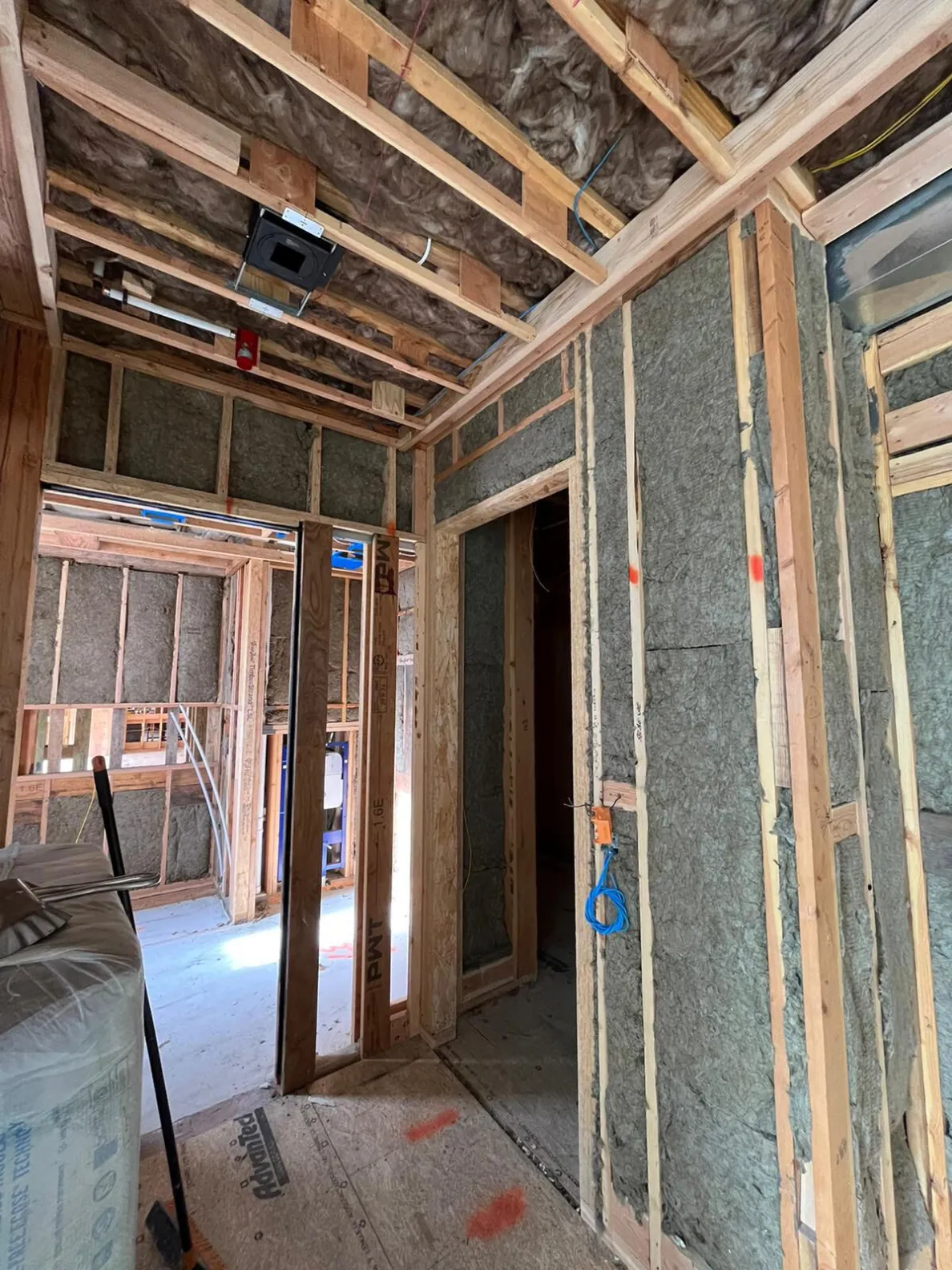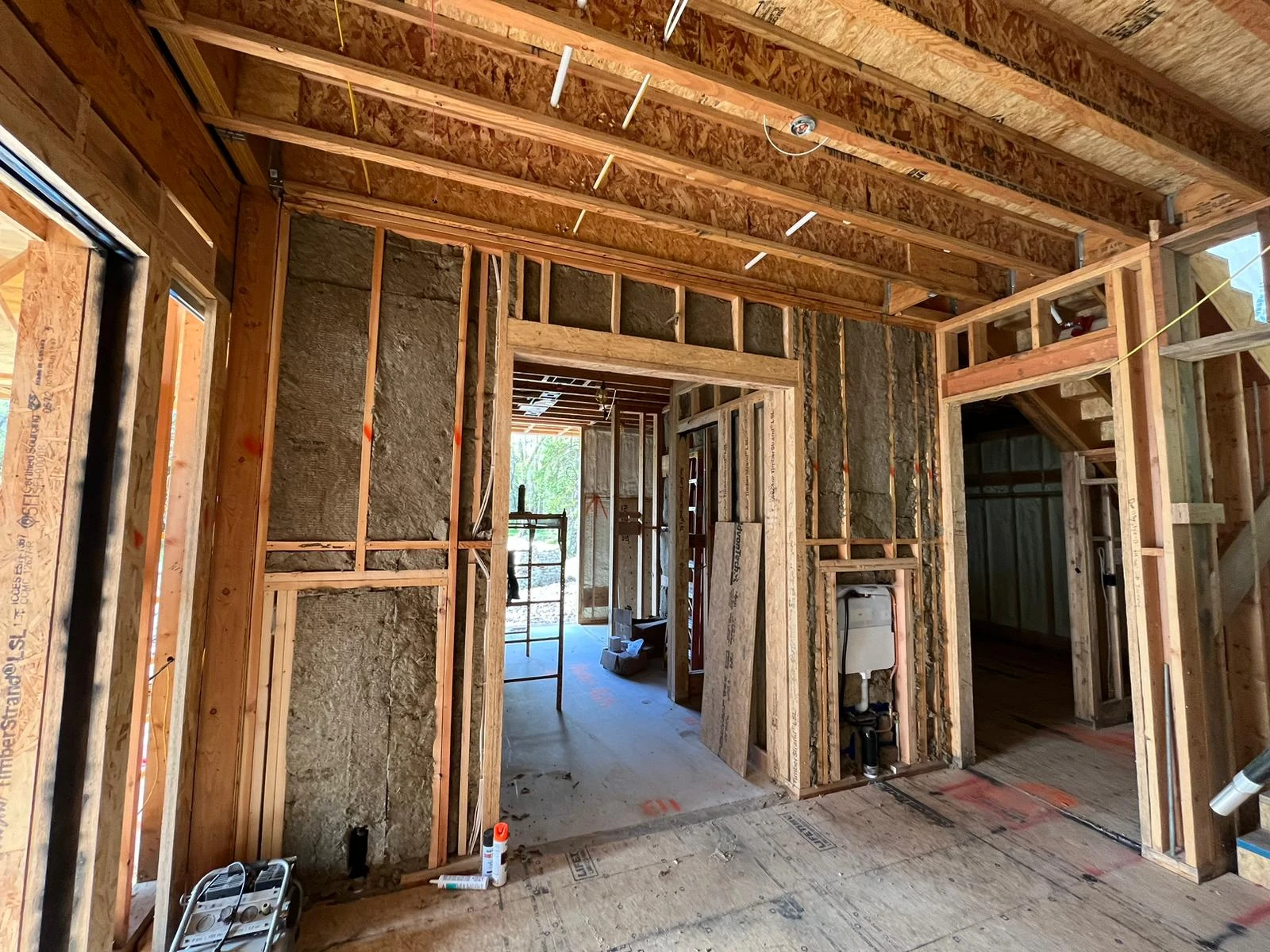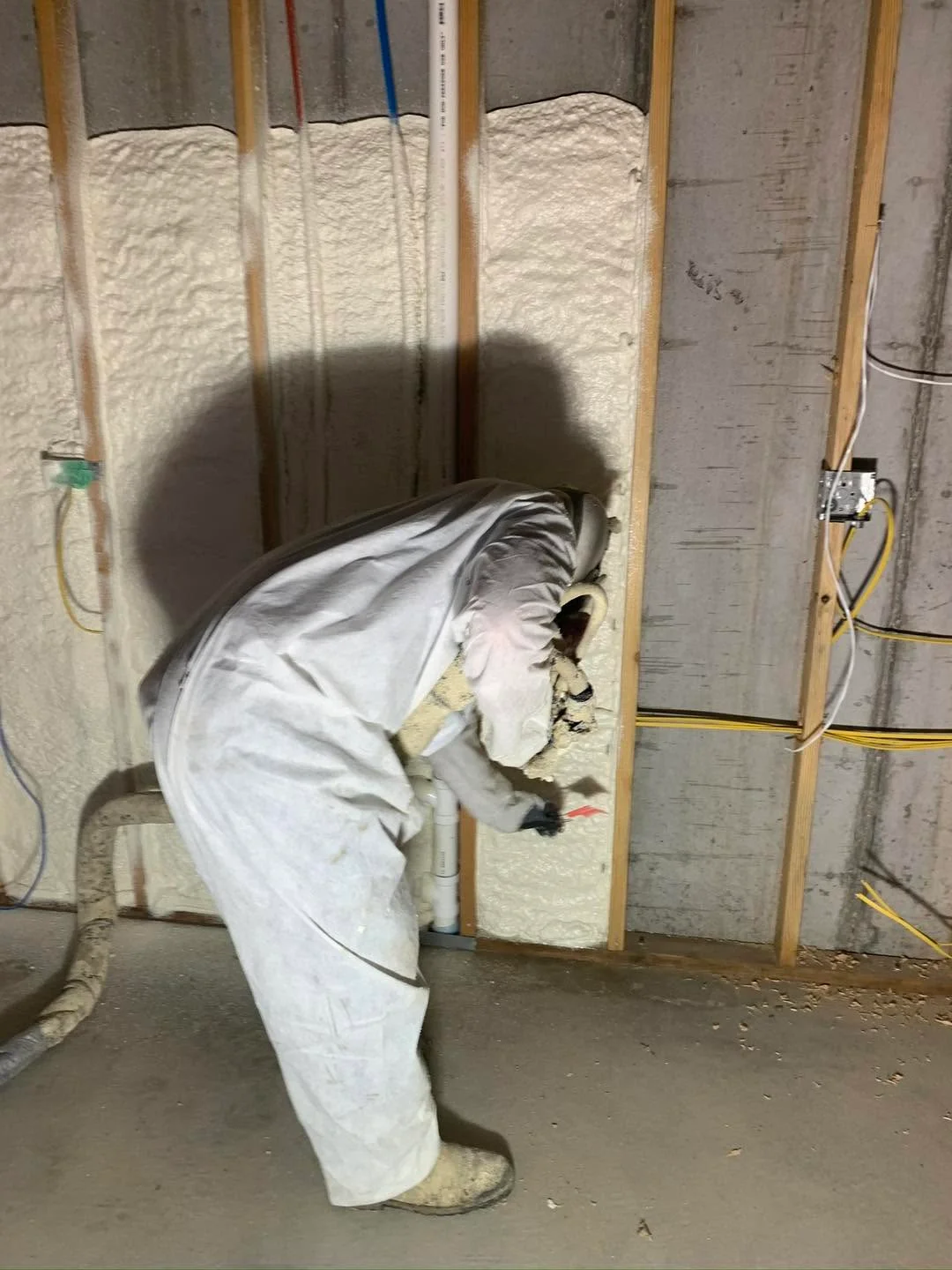
Is Spray Foam Insulation a Good Choice for Homes in Cold and Changing Climates in Alpine, WY?
Yes, spray foam insulation is an excellent choice for homes in Alpine, WY, provided you choose the right material and…


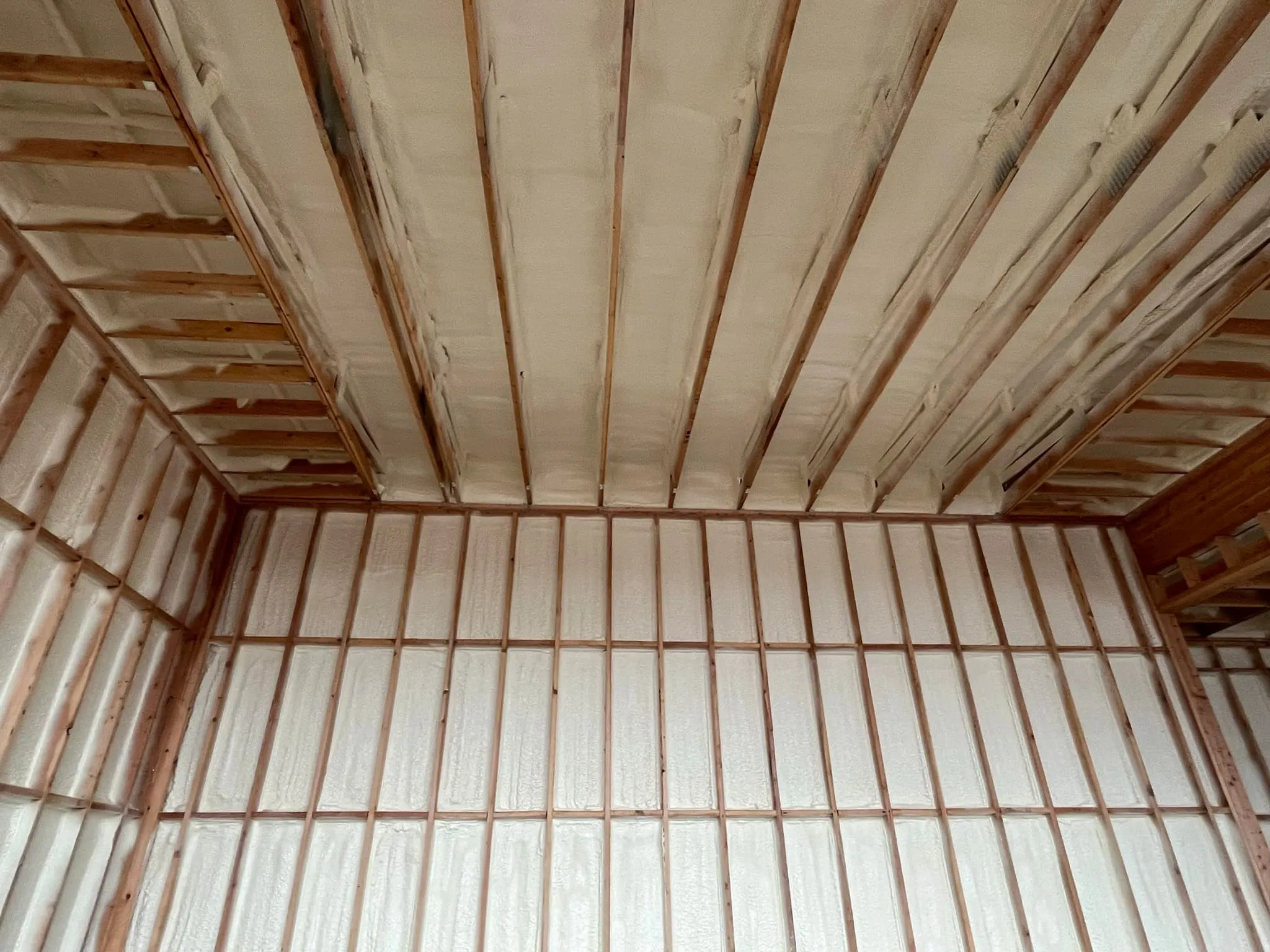
Upgrading your home’s insulation reduces energy bills by slowing heat transfer through your building envelope, which means your heating and cooling systems do not have to work as hard to maintain a comfortable indoor temperature. In Rexburg, Idaho, where winters bring average lows around 13°F and summers reach the mid-80s, the temperature swings between seasons place a heavy demand on HVAC systems year-round. According to the EPA, homeowners who seal air leaks and add insulation in attics, crawl spaces, and basements can save an average of 15% on heating and cooling costs, with even higher savings potential in northern climate zones like ours. The right insulation strategy for your home depends on several factors: your home’s age and construction type, which areas of the building envelope are under-insulated, the R-value requirements for our climate zone, and whether air sealing accompanies the insulation upgrade. Below, we break down exactly how insulation works in Rexburg’s climate, what types deliver the best results, and where to prioritize upgrades for the greatest return with insights from this home insulation guide.
Rexburg experiences a humid continental climate with very large seasonal temperature contrasts. Winters are cold and snowy, with average lows dipping to 13°F in January and annual snowfall totaling approximately 55 inches. Summers are warm, with average highs reaching 83°F in July. This wide swing between seasons means your home needs to resist heat loss for roughly six months of the year and manage heat gain during the other half. Builders can achieve better building performance by considering spray foam insulation for new construction.
The US Climate Data weather station for Rexburg reports an annual average high of just 56°F and an annual low of 32°F. These figures tell a clear story: your heating system works overtime for a substantial portion of the year. When your building envelope lacks sufficient insulation, that heated air escapes rapidly, forcing your furnace or heat pump to cycle on more frequently and consume more energy.
According to the Department of Energy’s Insulation Fact Sheet, heating and cooling account for 50 to 70% of the energy used in the average American home. Inadequate insulation and air leakage are identified as the leading causes of energy waste in most homes. For Rexburg homeowners, this means insulation is not an optional upgrade; it is one of the most direct ways to reduce monthly energy costs.
Insulation works by providing resistance to the flow of heat. Heat moves naturally from warmer spaces to cooler spaces. In winter, heat travels from your heated living areas toward the unheated attic, garage, and outdoors. In summer, heat moves from the hot exterior into your air-conditioned interior. Insulation slows this transfer by trapping small pockets of air within its material structure, reducing conduction and convection.
The effectiveness of insulation is measured by its R-value, which indicates thermal resistance. Higher R-values mean greater insulating power. According to Wikipedia’s building insulation reference, common insulation materials include fiberglass, cellulose, rock wool, polystyrene, and polyurethane foam, each with different R-values per inch of thickness. The material you choose, along with its thickness and density, determines the total R-value of the installation.
A critical concept to understand is that R-values are additive. If you layer R-13 batts in a wall cavity and add R-5 rigid foam sheathing on the exterior, the combined performance approaches R-18 for that assembly. However, the overall effectiveness also depends on proper installation. Compressed insulation, gaps around obstructions, and thermal bridging through framing all reduce real-world performance below the rated R-value.
The EPA’s methodology for estimating energy savings breaks results down by climate zone, and the data shows a clear pattern: northern homeowners save more. According to the ENERGY STAR methodology page, homes in Climate Zone 6 (which includes Rexburg’s region) see estimated savings of 14% on total utility bills and 18% on heating and cooling costs alone when air sealing and insulation improvements are made to meet 2012 IECC requirements.
| Climate Zone | Total Bill Savings | Heating & Cooling Savings |
|---|---|---|
| Zone 7-8 (Far North) | 15-16% | 18-19% |
| Zone 6 (Rexburg Area) | 14% | 18% |
| Zone 5 | 12% | 16% |
| Zone 4 | 12-13% | 17-20% |
| Zone 3 (South) | 8% | 14% |
| National Average | 11% | 15% |
These savings are higher in northern zones because the temperature differential between indoors and outdoors is greater for more months of the year, so the impact of reducing heat transfer is more pronounced. For a Rexburg household spending a significant portion of utility costs on heating, a 14-18% reduction is meaningful and compounds year after year.
Before investing in new insulation, it helps to understand where most homes lose energy. The ENERGY STAR “Why Seal and Insulate” guide notes that if you added up all the leaks, holes, and gaps in a typical home’s envelope, it would equal having a window open every day of the year. Here are the areas where Rexburg homes most commonly fall short:
Attics and attic floors: The attic is usually the first place to start. Heat rises, making the attic the primary escape route for heated air during winter. Many older homes in the Rexburg area have attic insulation depths well below current recommendations, or the insulation has settled and compressed over decades, reducing its effective R-value.
Walls above unconditioned spaces: Knee walls, walls adjacent to attics, and walls that face unconditioned garages are common weak points. These areas often have little or no insulation, even in homes where the main walls are insulated.
Basement rim joists and crawlspaces: The band joist area where the floor framing meets the foundation is notoriously under-insulated. In Rexburg’s cold climate, unconditioned basements and vented crawlspaces allow cold air to penetrate the floor above, making rooms above them feel drafty.
Ductwork in unconditioned spaces: If your heating ducts run through an uninsulated attic or crawlspace, a significant portion of the heat they carry is lost before it ever reaches your living spaces. Sealing and insulating ducts is a high-impact improvement.
Choosing the right insulation material depends on where it will be installed, the space available, and your budget. Here is a comparison of common insulation types and where they work best:
| Insulation Type | R-Value Per Inch | Best Applications | Pros | Cons |
|---|---|---|---|---|
| Fiberglass batts/rolls | 2.9-3.8 | Walls, attics, floors | Affordable, widely available, DIY-friendly | Can leave gaps if poorly installed, loses R-value when compressed |
| Blown-in cellulose | 3.1-3.8 | Attics, existing wall cavities | Fills gaps well, good sound dampening, recycled material | Can settle over time, heavier than fiberglass |
| Blown-in fiberglass | 2.2-2.7 | Attics, hard-to-reach areas | Lightweight, resists settling, non-corrosive | Lower R-value per inch than cellulose |
| Spray foam (open-cell) | 3.6-3.8 | Wall cavities, irregular spaces | Expands to fill gaps, good air sealing | Lower R-value per inch, not a vapor barrier |
| Spray foam (closed-cell) | 5.6-6.5 | Walls, crawlspaces, rim joists | High R-value per inch, acts as vapor barrier, adds structural strength | Higher cost, requires professional installation |
| Rigid foam board | 3.8-6.5 | Basement walls, exterior sheathing, rim joists | Good moisture resistance, consistent R-value | Requires protective covering for fire code |
For Rexburg homeowners, blown-in insulation is often the most practical choice for attic top-ups, while spray foam or rigid board works well for rim joists and basement walls where moisture resistance matters.
Insulation alone will not deliver its full potential unless you also address air leaks. The DOE Insulation Fact Sheet emphasizes that insulation reduces air movement only within the space it occupies. It does not stop air from leaking through gaps between the foundation and sill plate, around window and door frames, or through electrical and plumbing penetrations. A complete upgrade from insulation services in Rexburg, ID should include proper air sealing to maximize energy performance.
Air sealing should always happen before or at the same time as adding insulation, especially in the attic. Common air leak locations include:
Sealing these leaks before adding attic insulation prevents the insulation from hiding the problem and makes the new insulation far more effective.
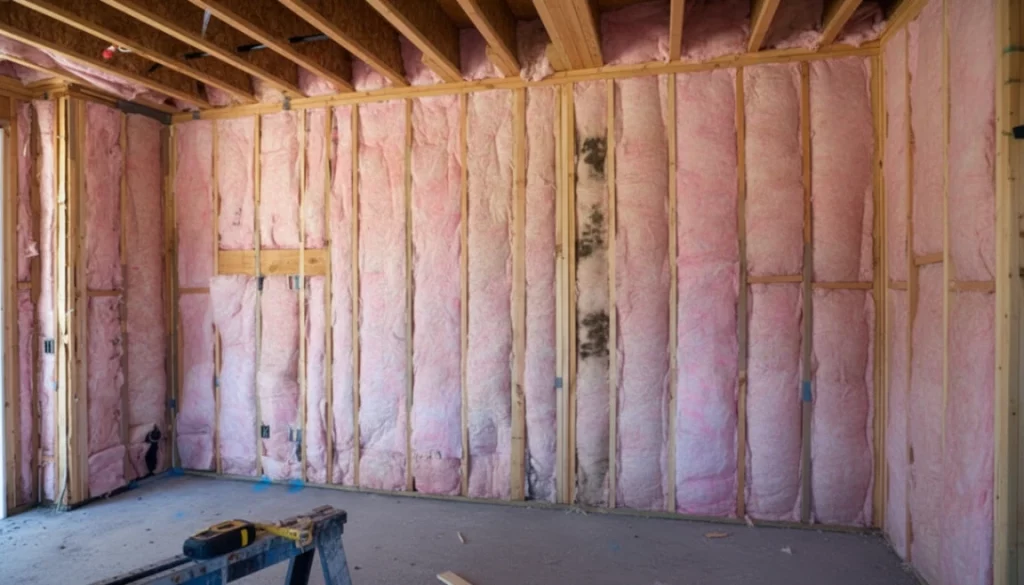
Homes built before the 1980s in the Rexburg area often have little more than a few inches of insulation in the attic, and may have no insulation in walls or basements at all. Start with an attic upgrade to address the largest source of heat loss, then move to rim joists and crawlspaces. Blown-in cellulose or fiberglass over existing attic insulation is the most cost-effective first step.
These homes typically have wall insulation but may still have inadequate attic insulation, especially if it has settled. Focus on bringing attic R-values up to current standards and sealing ductwork that runs through unconditioned spaces.
Even newer homes can benefit from air sealing and targeted insulation improvements, particularly at rim joists, knee walls, and around can lights. An energy audit can identify specific areas where upgrades will have the most impact.
Choosing a qualified insulation provider matters as much as choosing the right material. Look for these indicators:
At High Country Solutions, we help homeowners across the Rexburg area reduce their energy costs through professional insulation upgrades and air sealing services. Our team evaluates your home’s unique needs, identifies the areas where you are losing the most energy, and recommends solutions that deliver real, measurable savings. Whether your home needs an attic top-up, rim joist insulation, or a comprehensive building envelope improvement, we handle every project with attention to detail and proper installation practices.
Contact us today to get started. Reach our team at [email protected] or call (307) 248-9063 to discuss your project and schedule an assessment. We look forward to helping you create a more comfortable, energy-efficient home.
Request a Quote | Schedule an Insulation Assessment
Rexburg falls within Climate Zone 6, where the Department of Energy recommends attic insulation levels of R-49 to R-60 for optimal performance. Most existing homes in the area have significantly less, especially older construction.
Attic floor insulation with batts or rolls can be a feasible DIY project for experienced homeowners, but blown-in insulation, spray foam, and wall cavity insulation require specialized equipment and training for proper installation and safety.
Proper insulation installation includes attention to moisture control and ventilation. Air sealing should be paired with adequate ventilation strategies, and a qualified contractor will evaluate your home’s specific needs to prevent moisture issues.
Payback periods vary based on your current insulation levels, energy costs, and heating fuel type. In cold climates like Rexburg, heating-dominated homes typically see shorter payback periods because the savings from reduced heat loss are immediate and ongoing.
Federal tax credits through the Inflation Reduction Act cover 30% of insulation project costs, up to $3,200 per year. The EPA’s ENERGY STAR program provides a zip code-based tool to identify additional federal, state, and local incentives available in your area.