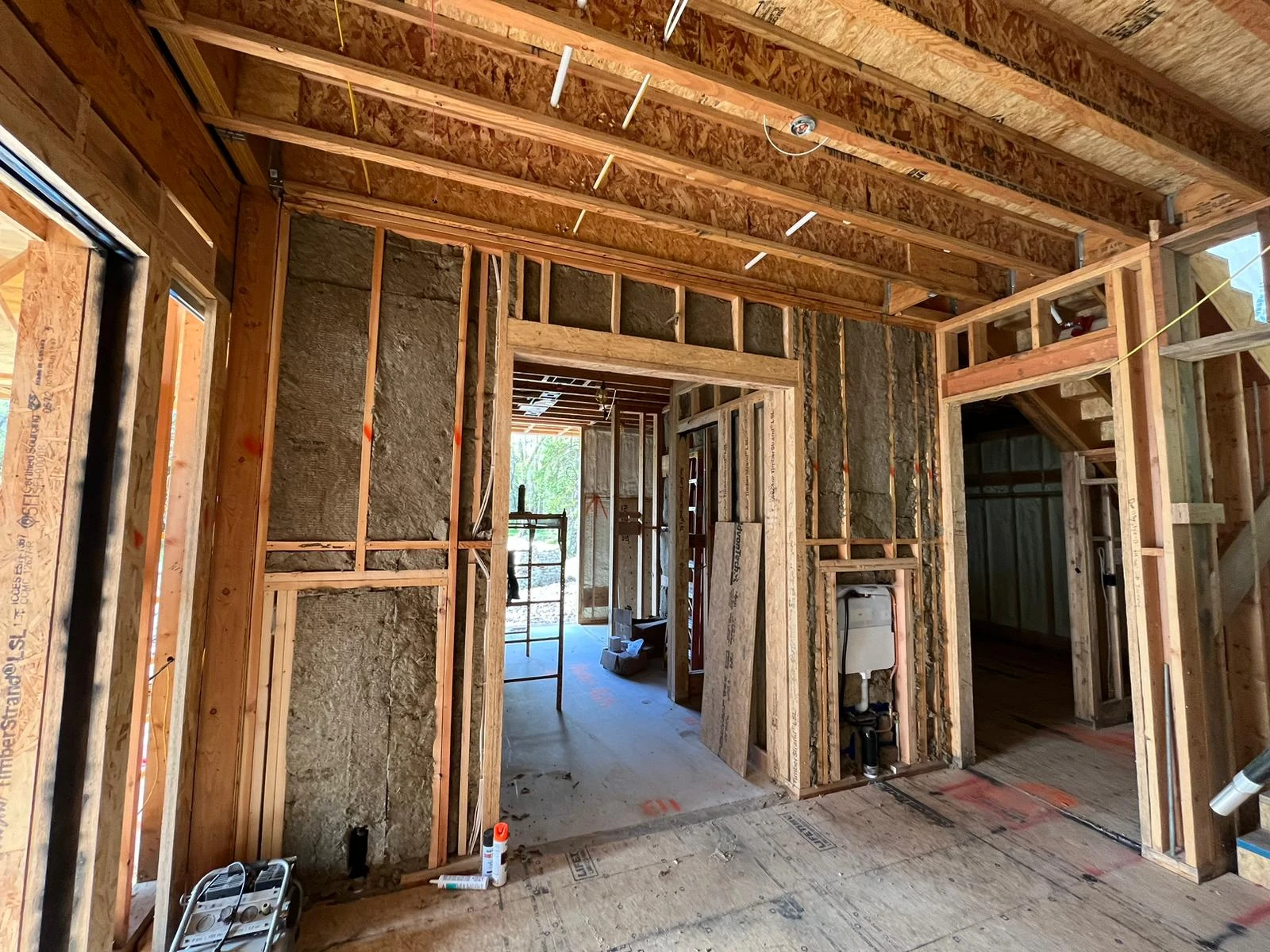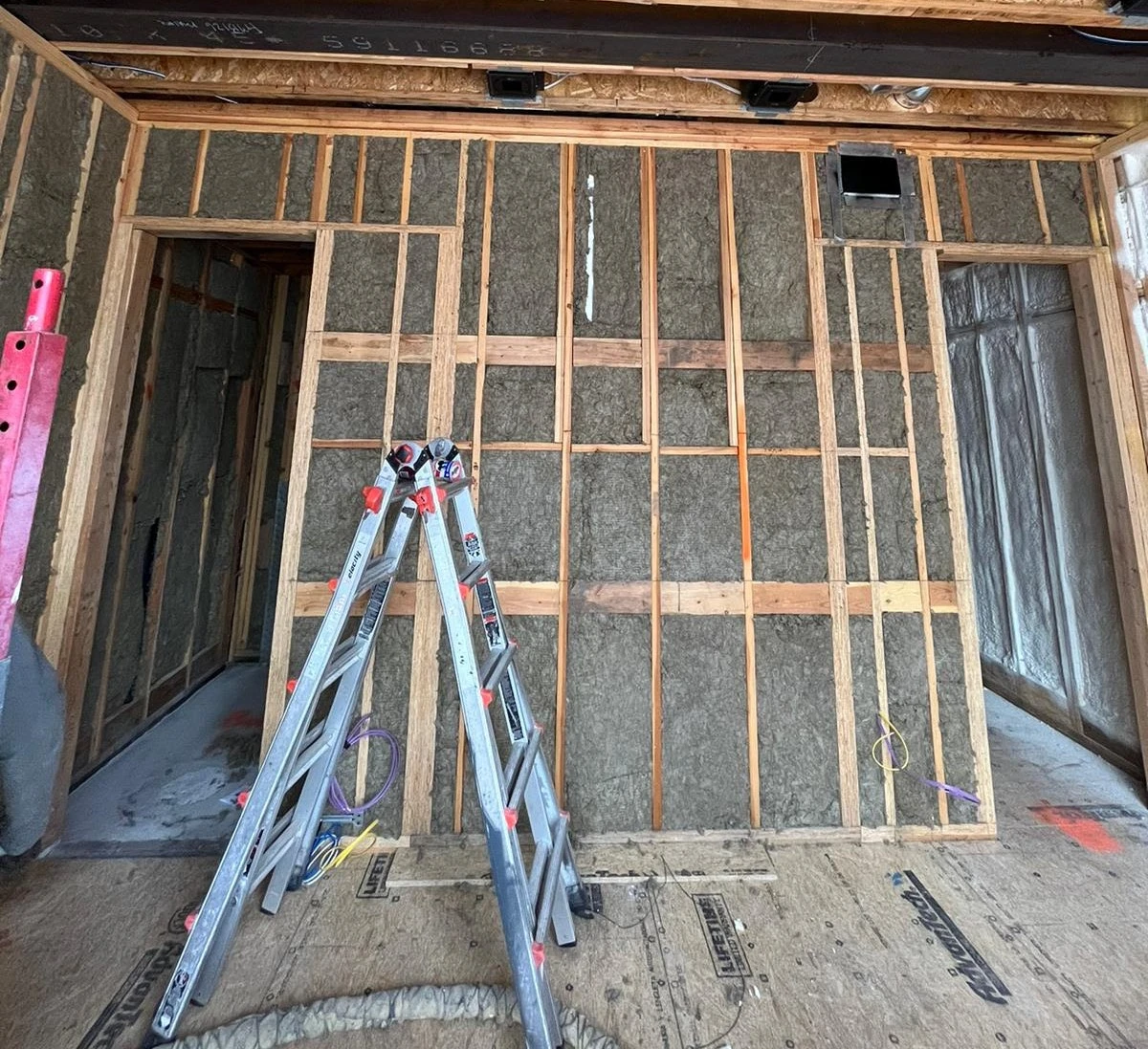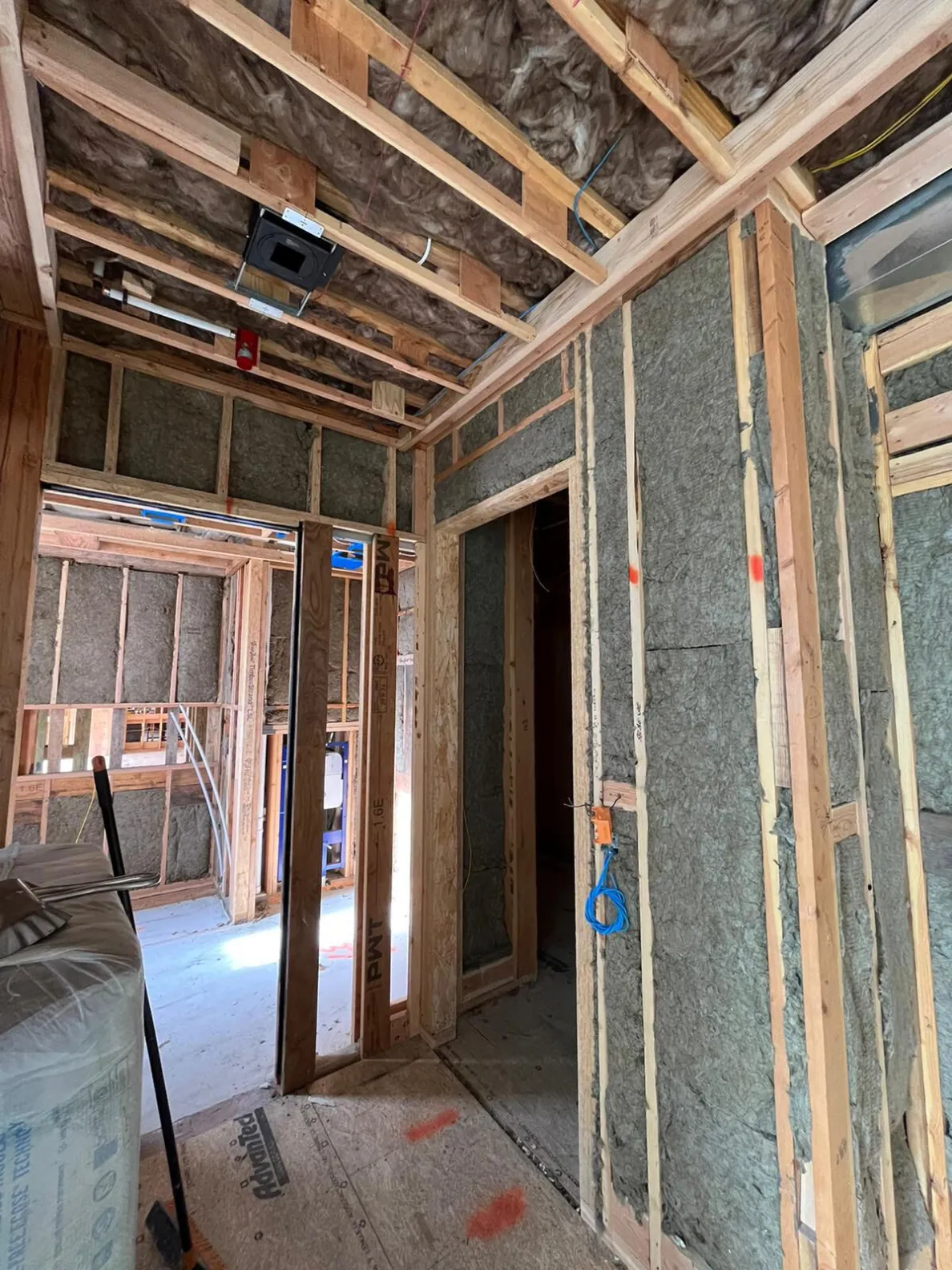
Why Are Homeowners in Thayne, WY Considering Mineral Wool for Insulation Upgrades?
Homeowners in Thayne, WY are turning to a mineral wool insulation guide because Star Valley winters push heating systems to their…


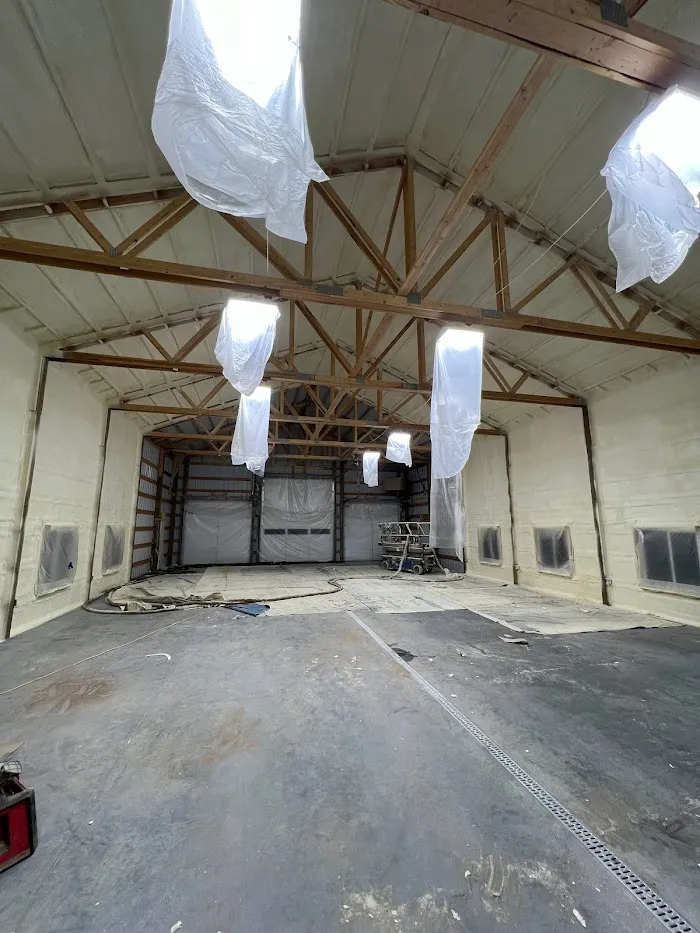
New construction builders in Victor, Idaho, are choosing spray foam insulation in 2026 because it solves three problems at once in one of the most demanding climates in the lower 48 states. Victor sits at roughly 5,700 feet in elevation, experiences winter temperatures that regularly plunge below zero, and receives over 100 inches of annual snowfall. In this environment, traditional fiberglass batt insulation alone often falls short of what builders and homeowners need. Spray foam delivers higher R-values per inch, creates a continuous air barrier, and manages moisture, all in a single application, as seen in this spray foam insulation contractor guide for builders in Alpine.
Victor is not a mild climate. According to Encyclopaedia Britannica’s climate data for Idaho, Idaho’s high mean elevation and interior location create dramatic temperature extremes, with January mean temperatures in mountain areas dropping to about 10°F and rapid temperature changes in excess of 20°F in a single hour. Victor specifically sees annual snowfall around 106 inches and temperatures ranging from roughly 6°F to 83°F over the course of a year.
These conditions place enormous stress on a building’s thermal envelope. Heat flows from warm spaces to cold spaces through conduction, convection, and radiation. In Victor’s long heating season, that means heat is constantly trying to escape through walls, ceilings, floors, and every tiny gap in the building shell. The colder it gets outside, the harder your insulation has to work.
Traditional fiberglass batts work by slowing conductive heat flow through trapped air pockets. They do a reasonable job when perfectly installed, but they have a fundamental limitation: they do not stop air movement. Gaps between batts and framing, compressed sections, and voids around electrical boxes all allow air to pass through, carrying heat with it, as explained in this new construction insulation mistakes guide for Victor, ID.
Spray polyurethane foam (SPF) takes a completely different approach. As Wikipedia documents in its overview of spray foam insulation, spray foam is created when two chemical components, an isocyanate and a polyol resin, react at the tip of a spray gun and expand up to 30 to 60 times their liquid volume. This expansion allows the foam to fill every cavity, gap, and irregular surface, creating a custom airtight seal within the building structure.
The U.S. Department of Energy confirms that spray foam installations “can yield a higher R-value than traditional batt insulation for the same thickness, and can fill even the smallest cavities, creating an effective air barrier.”
| Property | Closed-Cell Spray Foam | Open-Cell Spray Foam | Fiberglass Batts |
|---|---|---|---|
| R-Value Per Inch | R-5.1 to R-6.7 | R-3.4 to R-3.8 | R-2.2 to R-4.0 |
| Air Barrier | Yes | Yes (at 5.5″+) | No |
| Vapor Retarder | Yes | No (requires separate barrier) | No |
| Moisture Resistance | High | Low | Low |
| Structural Enhancement | Yes (increases racking strength) | Minimal | None |
| Fills Irregular Cavities | Yes | Yes | No |
| Professional Install Required | Yes | Yes | No (but recommended) |
The U.S. Department of Energy reports that energy losses from air leakage can exceed conductive losses in a well-insulated home. Wikipedia’s spray foam entry further notes that the DOE has found 40% of a home’s energy is lost through air infiltration via walls, windows, and doorways. In Climate Zone 7, where Victor sits, this air leakage drives up heating costs dramatically.
Spray foam addresses this by expanding into and sealing every gap, crack, and penetration. It conforms around wiring, plumbing, and ductwork, creating a continuous thermal boundary that fiberglass simply cannot match.
Under the IECC requirements for Idaho, homes in Climate Zone 7 need ceiling R-values of R-49 and wall R-values of R-21. In a standard 2×6 wall cavity (5.5 inches deep), fiberglass batts achieve roughly R-21 if perfectly installed. But real-world installations rarely achieve rated performance due to compression, gaps, and thermal bridging through studs.
Closed-cell spray foam at R-6 per inch achieves R-33 in that same 5.5-inch cavity, far exceeding code minimums. Even a hybrid approach, with a thin layer of closed-cell foam for air sealing followed by fiberglass, delivers substantially better real-world performance than fiberglass alone.
With over 106 inches of annual snowfall, moisture management is a major concern for Victor builders. Warm interior air escaping through wall assemblies can condense inside cold wall cavities, leading to mold, rot, and structural damage over time.
Closed-cell spray foam acts as both an air barrier and a vapor retarder when installed at the minimum required thickness. This dual function prevents warm, moist indoor air from reaching cold surfaces where condensation occurs. The Spray Polyurethane Foam Alliance notes that spray foam helps control moisture and can limit one of the key variables leading to mold growth, as explained in this spray foam insulation protection guide.
Less commonly discussed but relevant in Idaho’s wind-prone mountain environment: medium-density closed-cell spray foam increases wall racking strength. The foam bonds to the framing and sheathing, creating a stiffer, stronger wall assembly. This added durability is particularly valuable in Victor, where high-altitude weather patterns can bring strong gusts and heavy snow loads.
| Application | Recommended Type | Why |
|---|---|---|
| Exterior Walls | Closed-cell | Highest R-value per inch, vapor retarder, structural strength |
| Attic/Roof Deck | Closed-cell | Creates a conditioned attic, prevents ice dams, and air seals |
| Basement Walls | Closed-cell | Moisture resistance, vapor retarder, fills irregular surfaces |
| Interior Walls (Sound) | Open-cell | Sound-dampening, lower material cost, fills cavities well |
| Crawl Spaces | Closed-cell | Moisture resistance, air sealing in below-grade spaces |
| Rim Joists/Band Boards | Closed-cell | Air sealing, fills irregular framing, and a vapor retarder |
For most Victor new construction projects, closed-cell spray foam is the primary choice for exterior walls, attics, basements, and rim joists. Open-cell foam works well for interior sound-dampening applications where moisture resistance is not needed.
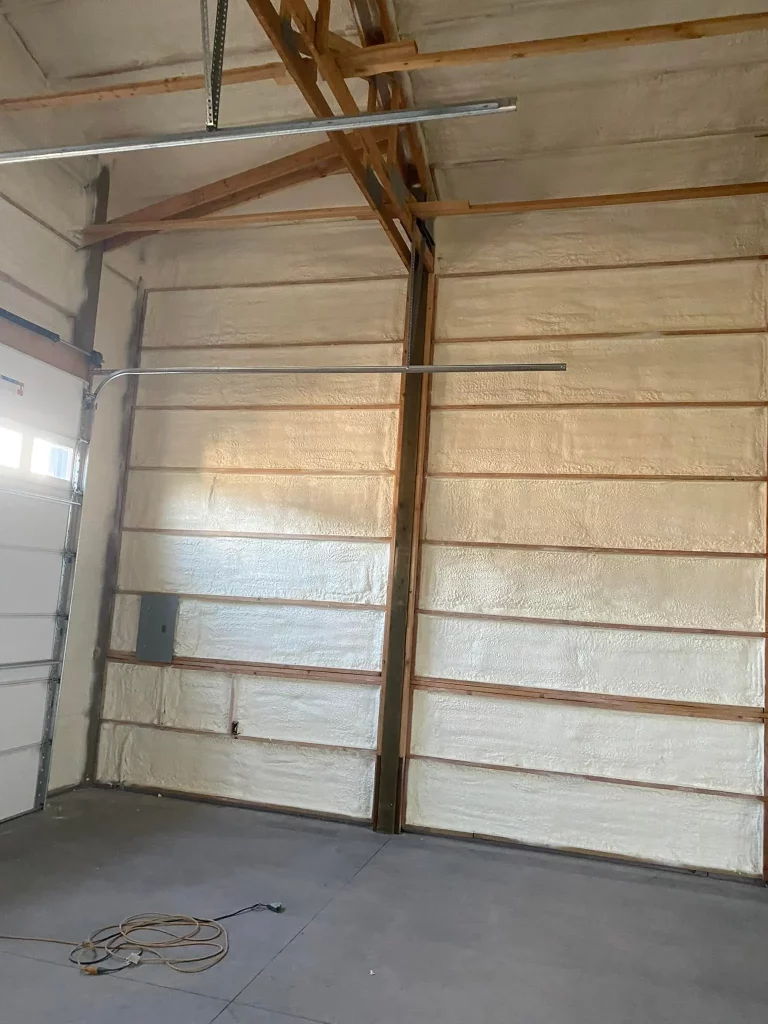
Custom home builders in Victor benefit most from whole-house closed-cell spray foam in walls, roof decks, and basements. This creates a fully conditioned building envelope, allows for smaller HVAC equipment, and delivers the energy performance that custom home buyers expect.
Production builders looking for a cost-effective approach can use a hybrid strategy: 1 to 2 inches of closed-cell spray foam for air sealing, supplemented with fiberglass batts for bulk insulation. This captures the air-sealing benefits of spray foam at a lower total material cost while still meeting code.
Remodelers and addition builders should use closed-cell spray foam in any exposed wall or ceiling cavities during renovation work, especially in older Victor homes where air leakage is likely severe. The foam’s ability to fill irregular cavities makes it ideal for retrofit applications.
Not all spray foam installations deliver equal results. Here is what to look for when evaluating a contractor for your Victor new construction project:
At High Country Solutions, we specialize in spray foam insulation for new construction projects throughout Victor and the surrounding Idaho and Idaho communities. Our team understands the specific demands of mountain climate building and codes, and we deliver installations that perform as specified. Whether you are building a custom home, a production development, or a commercial property, we provide the insulation expertise your project needs.
Request a Quote by calling us at (307) 248-9063 or emailing [email protected], and let our team put together a detailed proposal for your build.
Schedule a Consultation to discuss your project’s specific insulation requirements and learn which spray foam strategy will deliver the best long-term performance for your investment.
Yes. The energy savings from spray foam’s superior air sealing and higher R-values typically offset the added cost over time, and many builders can reduce HVAC system sizing, which helps close the cost gap.
Spray polyurethane foam is a thermoset plastic that does not settle, sag, or degrade over time. When properly installed, it performs effectively for the life of the building.
Yes. Spray foam meets or exceeds IECC requirements for Climate Zones 6 and 7, which cover Victor and most of Idaho. Closed-cell spray foam also serves as both an air barrier and a vapor retarder, simplifying code compliance.
Yes. Many builders use a hybrid approach with a thin layer of closed-cell spray foam for air sealing combined with fiberglass or mineral wool for bulk insulation, balancing performance and cost.
During installation, spray foam emits gases that require proper ventilation and respiratory protection for installers. Once cured, typically within 24 hours, the foam is inert and non-toxic.