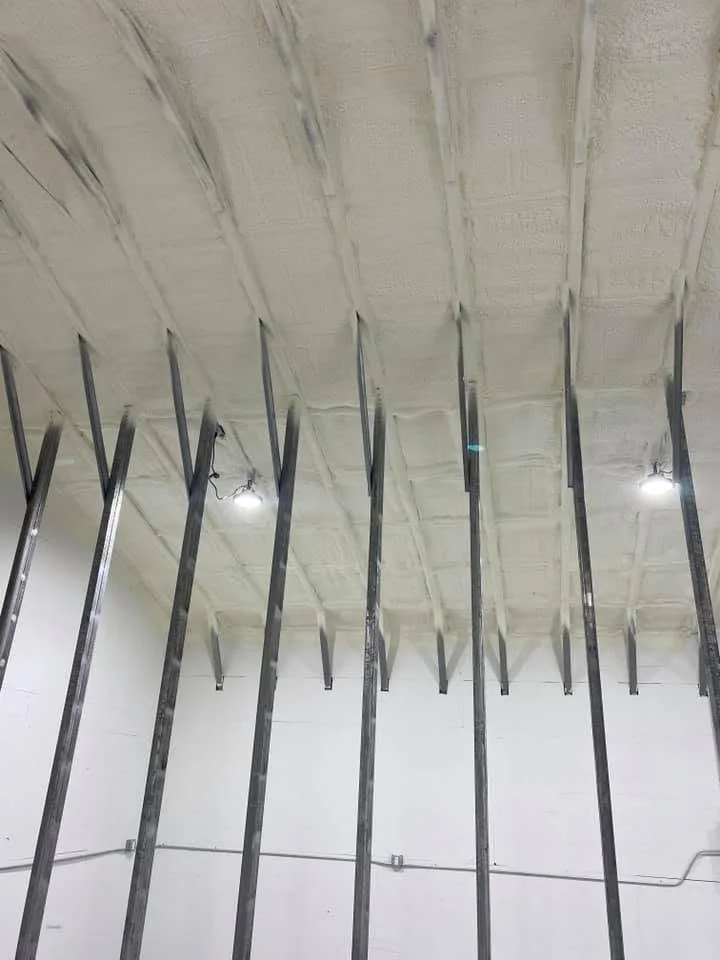
Should You Re-Insulate Interior Walls in Ammon, ID?
Skeeter Aimone
August 12th, 2025
Re-insulating interior walls in Ammon, Idaho makes the most sense for homes built before 1990, or for any household dealing with rooms that heat and cool unevenly, sound that carries from space to space, or utility bills that keep creeping upward. Spray foam insulation protection can help improve the performance of underfilled or underperforming wall cavities when your comfort goals include quieter rooms and steadier temperatures. Interior wall insulation pays off when your existing wall cavities sit empty, underfilled, or underperforming.
Most partition walls in older Ammon homes hold little to no insulation, which lets heat pass straight through the framing and leaves every conversation, TV show, and footstep audible on the other side of the wall. Spray foam insulation services can help fill those cavities, potentially reducing energy waste by 15–25% while noticeably quieting noise transfer between rooms. After years of hands-on work across southeastern Idaho’s climate, our team has learned that interior insulation delivers the strongest results when it targets a specific comfort or efficiency problem instead of serving as a blanket upgrade for every wall in the house.
This guide walks through the technical details, material choices, and practical questions that determine whether insulating interior walls makes sense for your Ammon property.
Interior Insulation Basics for Southeastern Idaho Homes
Interior partitions and exterior walls do different jobs, yet both can benefit from added insulation under the right conditions. Ammon’s continental climate pushes winter lows near -10°F and summer highs past 90°F, putting real stress on a home’s thermal envelope and exposing weak spots between rooms.
Climate Factors Unique to Ammon Homes
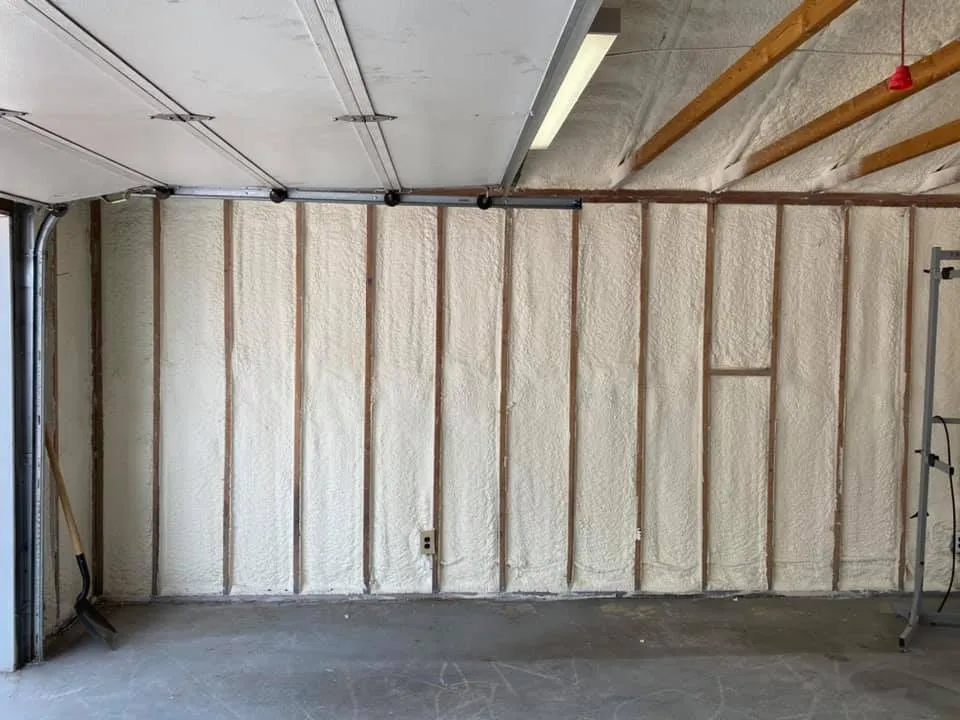
Spray foam insulation in Ammon, ID can help address comfort gaps caused by Southeastern Idaho’s dry air and wide temperature swings. Many homes framed during Ammon’s biggest growth decades, the 1970s and 1980s, were built without thermal separation between conditioned rooms and semi-conditioned areas such as garages, basements, and utility rooms.
Winter humidity in the region often sits between 30-40%, which makes temperature differences from room to room more noticeable. Internal wall insulation softens those swings and adds acoustic control, a benefit that matters a great deal in the open-concept floor plans common throughout newer Ammon subdivisions.
Professional Tip: Walk through your home with a digital thermometer. Temperature gaps of 5-7°F or more between rooms usually point to thermal bridging that interior insulation can correct.
Comparing Insulation for Interior Walls
Insulation Type
R-Value per Inch
Sound Control
Installation Method
Moisture Handling
Value for Cost
Open Cell Spray Foam
3.6-3.8
Excellent
Sprayed by professionals
Moderate
High
Closed Cell Spray Foam
6.0-6.5
Very Good
Sprayed by professionals
Excellent
Premium
Dense Pack Cellulose
3.2-3.8
Good
Blown into wall cavities
Good when treated
Moderate
Fiberglass Batts
3.1-3.4
Fair
DIY or professional fit
Poor once wet
Budget
Mineral Wool
3.0-3.3
Very Good
Cut and fitted
Excellent
Moderate to High
Performance Numbers Worth Knowing
Performance Factor
Typical Measurement
Why It Matters in Your Home
Sound Transmission Class (STC)
45-55 when filled
Cuts noise passing between rooms
Fire Resistance Rating
1-2 hours
Maintains household safety standards
Thermal Bridging Reduction
40-60% improvement
Evens out hot and cold spots
Air Leakage Control
0.02-0.05 ACH50
Limits drafts through the wall assembly
Moisture Vapor Permeance
1-50 perms
Reduces condensation risk inside cavities
The Department of Energy’s Consumer Guide to Home Insulation reports that proper insulation and air sealing can save homeowners up to 20% on heating and cooling costs. The Insulation Institute recommends an STC rating of at least 36 for interior walls between living spaces, a target that filled wall cavities reach far more easily than hollow ones.
Sound Control and Comfort Gains from Insulating Interior Walls
Interior wall insulation mainly solves two problems at once: sound travel and temperature imbalance. Filling a wall cavity dampens voices, media rooms, and laundry equipment on the other side, which matters most for bedrooms, home offices, and shared walls in multigenerational households. Homeowners weighing this exact tradeoff on Reddit’s r/HomeImprovement community repeatedly describe the same outcome: filled cavities take the hollow, echoing quality out of a wall and restore a sense of privacy.
Thermal gains show up wherever an interior wall separates conditioned space from an unconditioned zone such as a garage, crawl space, or unfinished basement. These boundary walls deserve insulation because they protect energy efficiency and prevent moisture from condensing on cold surfaces during Ammon’s long winters.
Professional Tip: Put your insulation dollars toward walls that divide different temperature zones first. Walls between two similar heated rooms offer sound benefits, but boundary walls deliver the biggest return.
How to Insulate Interior Walls Without Major Disruption
Retrofit work takes planning because finished walls offer few access points. Check our Google reviews to see what local customers say about our insulation services. Dense pack cellulose blown through small holes fills cavities with minimal mess, though it demands professional equipment and a practiced hand. Spray foam delivers stronger air sealing but usually requires more opening and preparation.
Removing drywall sections allows full cavity access but expands the project to include repairs and finishing. Plenty of Ammon homeowners schedule this route during planned remodels so the insulation work pairs with other upgrades already on the calendar.
Timing often decides the method. New construction and gut renovations accept any material, while occupied homes get the most value from injection techniques that leave daily life mostly untouched.
What to Weigh Before You Insulate Interior Walls
Start by defining the problem in measurable terms. Temperature differences between rooms, specific noise complaints, and month-over-month energy costs give you a baseline for judging whether the project worked.
Study your wall construction before committing. Older homes often hide modified framing, added wiring, or plumbing runs that complicate the job, and a professional evaluation surfaces these obstacles before work begins rather than after.
Think about how long you plan to stay. Interior insulation improvements keep paying off year after year, but short-term residents may not recover the full investment. That said, quiet, comfortable walls carry real appeal in Ammon’s competitive housing market.
Set aside budget for related work such as electrical adjustments, drywall patching, and paint touch-ups, which frequently accompany interior wall projects and can shift the overall economics.
A popular Quora discussion among builders explains why most new construction leaves interior partitions empty, reserving insulation for bedrooms and shared walls rather than treating it as a code requirement. That reality is exactly why older homes benefit so much from a targeted upgrade.
High Country Solutions Interior Insulation Services
Specialized interior applications demand experienced hands to perform as designed, and every project starts with a free quote:
Dense Pack Cellulose Installation: Precision injection fills wall cavities without settling or gaps, delivering steady thermal and acoustic performance.
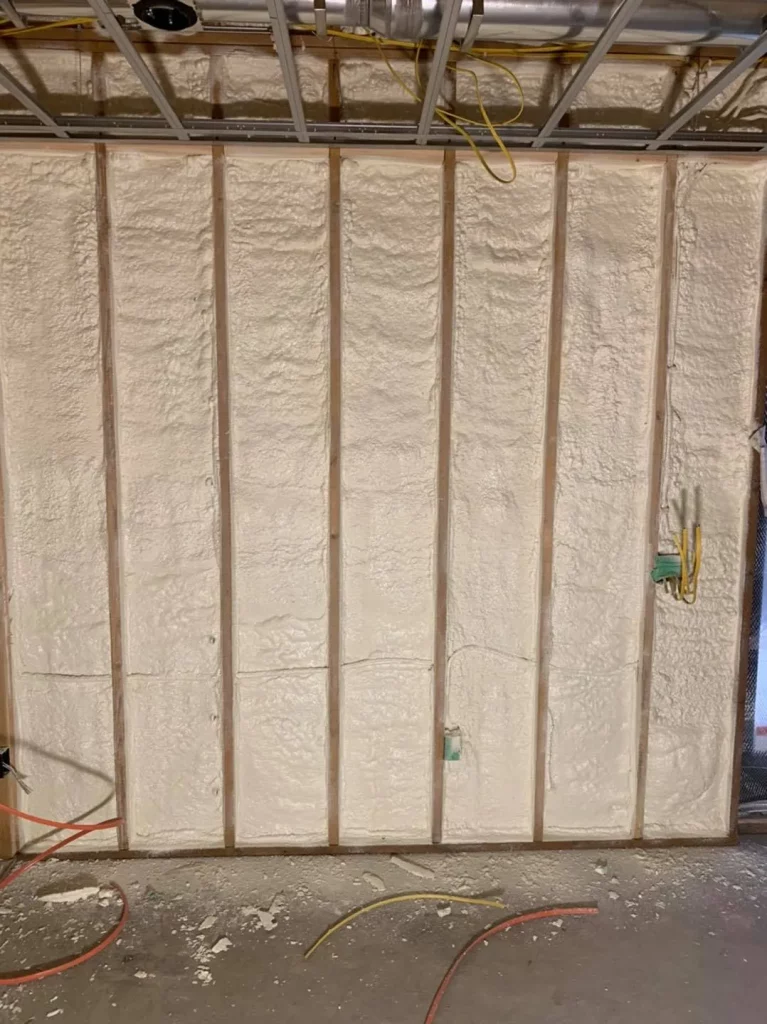
Open Cell Spray Foam Applications: Powerful air sealing paired with strong sound dampening for partition walls and thermal boundary walls.
Blown-In Insulation Systems: Cost-effective coverage for multiple wall cavities with minimal disruption, handled with professional-grade equipment.
Air Sealing Services: Thorough sealing of electrical penetrations, gaps, and thermal bridges that make interior insulation work even better.
Common Questions About Interior Wall Insulation
Which walls deserve attention first?
Start with thermal boundary walls, the ones dividing heated rooms from garages, basements, or other unconditioned areas, because they produce the largest energy savings. Partitions between similar rooms add value mainly through sound control.
Will insulation interfere with my existing wiring?
Professional installers usually route around existing wiring without changes. Older knob-and-tube wiring may need an electrician’s attention before any material goes into the cavity.
Can wall insulation create moisture trouble?
Correct material choices and careful installation prevent it. Vapor-permeable materials such as cellulose let moisture move naturally, while air sealing keeps humid air out of the cavity in the first place.
What kind of improvement should I expect?
Typical projects produce 3-5°F better consistency between rooms, 10-15 decibels less noise transfer, and 12-18% gains in HVAC efficiency.
Key Takeaways for Ammon Homeowners
Interior wall insulation works best as a focused fix for identified comfort or efficiency gaps, not a general upgrade applied everywhere. Concentrate on thermal boundary walls and the problem areas your own measurements reveal.
Match the material to your priorities, balancing sound control, thermal performance, and the access limits of your home’s construction. A professional assessment keeps the solution aligned with your situation and budget.
Treat interior work as one piece of a larger efficiency plan that might also cover attic insulation, exterior walls, or HVAC tuning. Coordinating projects multiplies the overall gains and stretches every dollar further.
Request a Free Quote for Interior Insulation in Ammon
Choosing the right approach starts with knowing how your home is built and what you want it to feel like. ENERGY STAR offers R-value guidance by climate zone, but only an on-site evaluation can match those recommendations to your actual wall assemblies.
High Country Solutions provides interior insulation assessments that examine thermal boundaries, acoustic needs, and access constraints, and every visit includes a free, no-obligation quote. Contact our team at [email protected] or call (307) 248-9063 to schedule your evaluation and get a clear picture of the best upgrade options for your home.
FAQS
Do interior walls have insulation?
Most Ammon homes built before 1990 have little or none, especially in the partitions between bedrooms and living areas.
Do interior walls need insulation?
Codes rarely require it, but it becomes worthwhile for walls beside garages, basements, or any space where noise or temperature gaps bother you.
How do I know if my walls need re-insulation?
Watch for uneven temperatures between rooms, sound that carries too easily, or rising energy bills. A thermometer check showing gaps above 5°F is a strong signal.
Which areas should I insulate first?
Prioritize walls between conditioned rooms and unconditioned spaces like garages, basements, or utility rooms, then move on to bedrooms and shared walls where privacy matters.
What results can I expect after re-insulating?
Homeowners typically see 3-5°F better consistency between rooms, 10-15 decibels less noise transfer, and lower HVAC runtime throughout the year.
I’m Skeeter Aimone, owner of High Country Solutions in Alpine, Wyoming, leading the company since 2019. I focus on quality installation, building science, and insulation solutions suited to harsh Wyoming and eastern Idaho conditions.