What Problems Can Mineral Wool Insulation Help Solve in Residential Buildings?
Quick answer: The main benefits of mineral wool insulation in a house come down to five problems: rooms that lose…


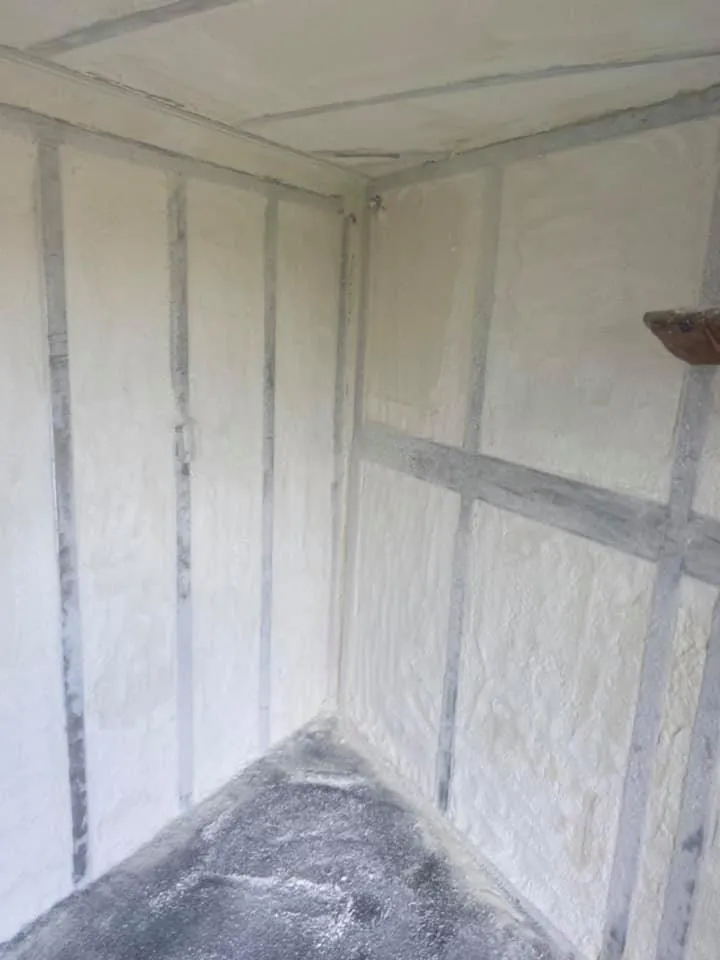
Every builder in Victor, ID needs to understand that hiring a spray foam insulation contractor is not just about getting the best price. Spray polyurethane foam (SPF) is one of the most effective insulation and air-sealing materials available, but it involves specialized chemicals, strict safety protocols, and performance requirements specific to cold-climate zones. The right contractor will understand Idaho’s energy code, the differences between open-cell and closed-cell foam, proper application techniques, and the health and safety measures that protect everyone on the job site while providing spray foam insulation protection throughout the life of the building. The wrong hire can result in code failures, moisture damage, indoor air quality problems, and costly callbacks. This guide covers what matters most so you can make an informed decision.
Victor sits in Teton County, which the Idaho Energy Code classifies within Climate Zone 6, one of the colder zones in the state. Effective January 1, 2021, all residential and commercial building projects in Idaho must comply with the 2018 International Energy Conservation Code with Idaho amendments. For builders using the prescriptive compliance path, this means:
Spray foam can help builders meet these requirements efficiently because of its high R-value per inch compared to fiberglass or cellulose. Closed-cell spray foam delivers roughly R-6 to R-7 per inch, while open-cell delivers roughly R-3.5 to R-3.8 per inch. This higher density makes closed-cell particularly useful in limited-depth cavities where achieving the target R-value with other materials would be difficult, helping builders win more bids in Victor, ID by delivering higher-performing, code-compliant homes.
Idaho also mandates envelope testing under RESNET/ICC Standard 380 or ASTM protocols, conducted by a certified tester. The home must demonstrate no more than 3 air changes per hour at 50 Pascals of pressure. Spray foam’s air sealing properties make it one of the most effective insulation types for passing this requirement.
The type of spray foam your contractor recommends matters enormously in a cold climate like Victor. Here is how the two primary types compare for building applications in Climate Zone 6:
| Characteristic | Open-Cell Spray Foam | Closed-Cell Spray Foam |
|---|---|---|
| R-value per inch | ~3.5 to 3.8 | ~6.0 to 7.0 |
| Density | Low (0.5 lb/ft³) | High (1.7 to 2.0 lb/ft³) |
| Vapor barrier | Vapor permeable | Class II vapor retarder |
| Air sealing | Effective air seal | Superior air seal |
| Moisture control | Does not block vapor drive | Helps control interior moisture |
| Structural reinforcement | None | Adds shear and racking strength |
| Best applications | Interior partition walls, sound dampening | Exterior walls, crawl spaces, rim joists, cathedral ceilings |
For builders in Victor, closed-cell spray foam is generally the stronger choice for exterior walls, crawl spaces, and rim joist areas because it acts as both an insulator and a vapor retarder. In Climate Zone 6, vapor control is a serious concern. Moisture from the interior can condense within wall cavities during cold winters, and closed-cell foam helps prevent that moisture from reaching cold surfaces where condensation occurs. Open-cell foam can still serve a purpose in interior walls, sound-dampening assemblies, and above-grade applications where vapor permeability is desired.
Spray polyurethane foam insulation contains isocyanates, a class of highly reactive chemicals that the EPA identifies as a leading attributable chemical cause of occupational asthma. According to the EPA’s health and safety guidance, exposure to isocyanates can cause skin and eye irritation, asthma, lung damage, sensitization, and other respiratory problems. Sensitization is particularly dangerous because once a person becomes sensitized, even very low concentrations can trigger severe reactions, and there is no recognized safe exposure level for sensitized individuals.
The EPA also warns that curing rates depend heavily on ambient conditions like temperature and humidity. In Victor, where winter temperatures regularly drop well below freezing, off-season spray foam application requires careful planning. Improper mixing, incorrect proportioning, or spraying in conditions that are too cold can result in incomplete curing, which leads to off-gassing of unreacted chemicals and compromised insulation performance.
Builders should require the following safety practices from any SPF contractor:
The CPSC’s consumer fact sheet recommends that homeowners and building occupants vacate the premises for at least 24 hours after spray foam application, and that builders verify the contractor has appropriate training, insurance, and licenses before work begins.
Not every insulation contractor is qualified to install spray foam. The EPA’s safer workplace practices guide emphasizes that applicators should receive hands-on classroom training on the safe use of SPF, understand how to manage curing conditions, and be prepared to communicate clearly with building owners about the installation process and re-occupancy timelines.
When evaluating a spray foam contractor for your next Victor build, we recommend the following checklist:
Based on what we see working with builders across cold climate regions, the most frequent errors fall into a few predictable categories:
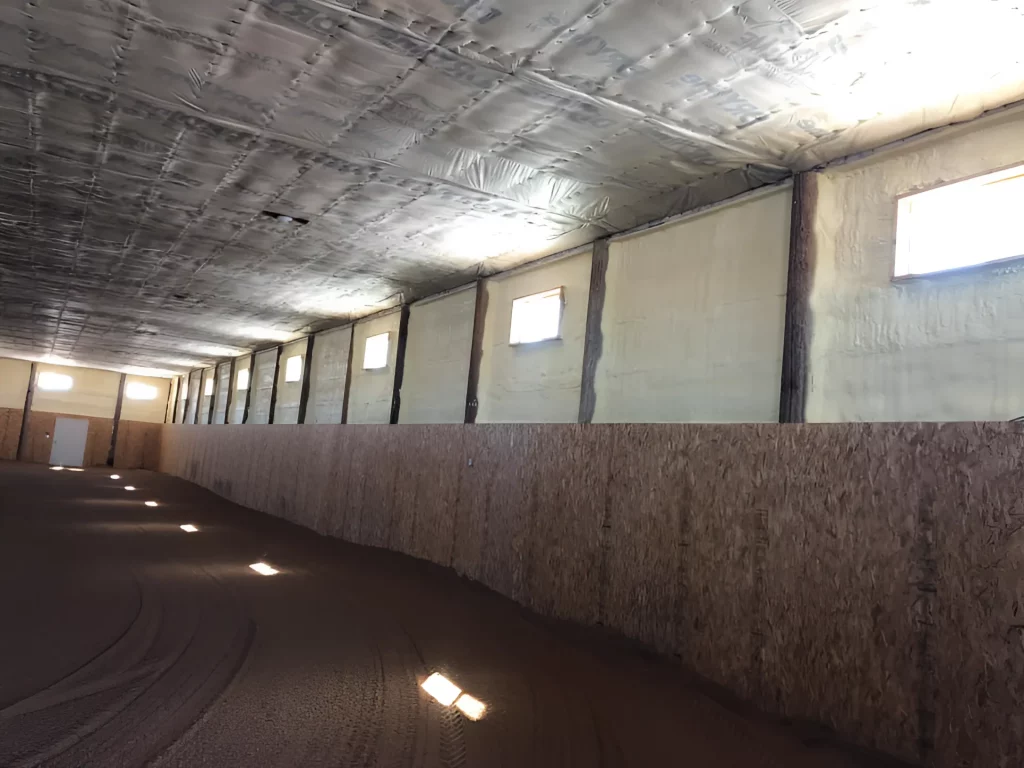
Each of these mistakes can result in callbacks, failed inspections, or worse, long-term building performance issues that surface months or years after the project is complete.
A qualified spray foam installer will demonstrate several qualities before any work begins. They will walk the project with you and discuss which foam type fits each application. They will provide product literature and Safety Data Sheets without being asked. They will explain their ventilation plan, their re-occupancy protocol, and what conditions they need for a proper cure. They will discuss the Idaho energy code requirements for Climate Zone 6 and how their work will help you pass the blower door test. Their proposal will be specific about product, application thickness, and target R-values rather than vague about materials or scope. These are the same qualities builders look for when choosing a spray foam contractor for builders in Victor, ID.
At High Country Solutions, we provide spray foam insulation services for builders and homeowners across the Victor, ID area. Our team understands Idaho’s energy code requirements for Climate Zone 6 and works with you to specify the right product for every application in your project. We follow EPA-recommended safety protocols, use quality materials, and communicate clearly throughout every phase of the job.
Request a Quote | Schedule a Consultation
Reach our team at [email protected] or call (307) 248-9063 to discuss your project. We are here to help you build tighter, warmer, and code-compliant homes in Teton Valley.
Spray foam can be installed in cold weather, but the contractor must maintain substrate and ambient temperatures within the manufacturer’s recommended range for proper curing. In many cases, this means using temporary heating and enclosure.
Yes. Under the 2018 IECC as adopted by Idaho, new homes must undergo envelope testing and demonstrate no more than 3 air changes per hour at 50 Pascals.
Not always. Closed-cell is preferred for exterior walls, rim joists, and crawl spaces in Climate Zone 6 due to its vapor-retarding properties. Open-cell can still work well for interior partition walls and sound control applications.
Federal guidance from the EPA and CPSC recommends a minimum of 24 hours, though the actual re-occupancy time depends on the specific product, ventilation, and conditions. The contractor should provide this timeline before work begins.
Look for manufacturer-specific training, SPFA Professional Certification Program credentials, or equivalent hands-on classroom instruction. Always verify insurance and any required Idaho contractor licenses.