What Problems Can Mineral Wool Insulation Help Solve in Residential Buildings?
Quick answer: The main benefits of mineral wool insulation in a house come down to five problems: rooms that lose…


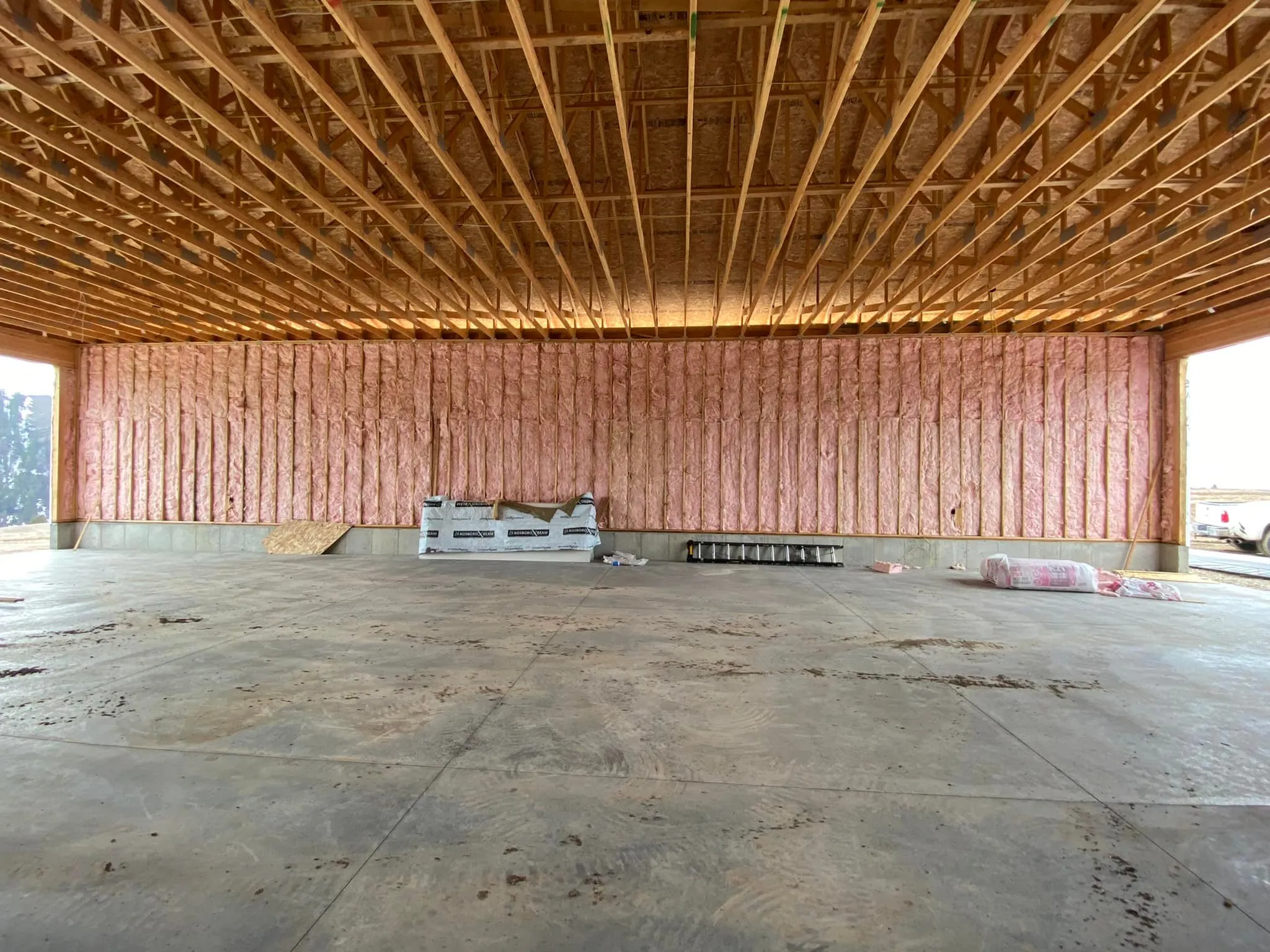
Fiberglass insulation continues to be one of the most widely used insulation materials for homes in Thayne, WY, and for good reason. Sitting at nearly 5,900 feet in elevation within Wyoming’s Star Valley, Thayne experiences long, cold winters that demand reliable thermal performance from every layer of a home’s building envelope. Fiberglass insulation delivers consistent R-value performance, is naturally fire-resistant, resists moisture and mold growth, and fits the standard framing dimensions found in most local homes. For homeowners weighing their options between fiberglass batts, blown-in fiberglass, and other materials like spray foam or cellulose, the right choice depends on the specific area being insulated, the existing conditions of the home, and long-term comfort goals. A detailed fiberglass insulation guide can help compare materials and identify the best fit for each application.
Thayne sits at an elevation of 5,900 feet in the northern portion of Star Valley, surrounded by forested mountains and open ranchland. Winters are cold and extended, with heating demands dominating a home’s energy usage for much of the year. At this altitude and latitude, heat loss through walls, attics, and floors represents the single largest source of energy waste in under-insulated homes. Working with local spray foam experts can help homeowners address these losses and improve year-round comfort.
The Department of Energy places most of Wyoming in Climate Zone 6 or 7, which are among the coldest zones in the continental United States. For these zones, the DOE recommends attic insulation values of R-49 to R-60 for uninsulated attics, and floor insulation values of R-30 to R-38. Fiberglass insulation, particularly in blown-in or high-density batt form, is well-suited to meet these requirements in standard framing cavities.
Properly insulating a home at this elevation does more than reduce energy bills. It also reduces the strain on heating equipment, extends the lifespan of HVAC systems, and creates more even temperatures from room to room. In a place like Thayne, where temperatures can swing dramatically between day and night, consistent indoor comfort depends heavily on the quality of insulation installed in key areas of the home. Many homeowners achieve these benefits through fiberglass insulation upgrades that improve efficiency and comfort over the long term.
Fiberglass insulation is made from extremely fine glass fibers that are spun or blown from molten glass and arranged into a texture similar to wool. The material traps many small pockets of air between the glass fibers, and these air pockets are the actual insulating mechanism. According to Wikipedia’s article on glass wool, gases possess poor thermal conduction properties compared to solids, and trapping air in small cells that cannot effectively transfer heat through natural convection creates strong thermal resistance.
The effectiveness of insulation is measured by its R-value, which describes the material’s resistance to conductive heat flow. The higher the R-value, the better the thermal performance. The Department of Energy notes that an insulating material’s R-value depends on its type, thickness, and density, and that overall performance also depends on proper installation without compression, gaps, or voids.
Fiberglass is available in several forms that serve different purposes in a home:
Choosing the right insulation material means understanding the tradeoffs between cost, performance, installation complexity, and suitability for specific areas of the home. The table below compares fiberglass to other common insulation types.
| Insulation Type | R-Value Per Inch | Best Application Areas | Fire Resistance | Installation Complexity |
|---|---|---|---|---|
| Fiberglass batts/rolls | R-2.9 to R-3.8 | Standard walls, attics, and floors | Non-combustible | Low to moderate |
| Blown-in fiberglass | R-2.2 to R-3.8 | Attics, enclosed wall cavities | Non-combustible | Requires professional equipment |
| Cellulose (loose-fill) | R-3.1 to R-3.8 | Attics, walls (dense-pack) | Treated with fire retardants | Requires professional equipment |
| Closed-cell spray foam | R-6.0 to R-7.0 | Walls, crawlspaces, rim joists | Requires thermal barrier cover | High requires certification |
| Mineral wool batts | R-3.3 to R-4.2 | Walls, attics, fire-rated assemblies | Naturally non-combustible | Low to moderate |
The Department of Energy describes blanket insulation, primarily fiberglass, as the most common and widely available type of insulation. It is suited for standard stud and joist spacing that is relatively free from obstructions, and is relatively inexpensive compared to foam-based alternatives.
Fiberglass is made from glass, which is inherently non-combustible. Unlike some insulation materials that require added chemical fire retardants, fiberglass does not burn or contribute to the spread of flames. For homes in rural areas like Thayne, where fire department response times may be longer, and wood-stove heating is common, this built-in fire resistance adds a meaningful layer of protection. Batts with special flame-resistant facing are also available for basement walls and other locations where insulation may be left exposed.
According to research cited on Wikipedia, fiberglass is highly resistant to mold growth. Testing has shown that mold only develops on fiberglass under exceptional circumstances, specifically sustained relative humidity of 96% or higher, or when the material is fully saturated. In typical home environments, fiberglass will not support mold colonization. This is particularly relevant in Thayne, where snowmelt and seasonal humidity shifts can create moisture challenges in attics and crawlspaces.
The Department of Energy notes that most fiberglass products contain 40% to 60% recycled glass content. The material is made by melting sand and recycled glass at extremely high temperatures and spinning it into fibers. This manufacturing process, combined with the long service life of fiberglass insulation, means it delivers decades of energy savings while making use of post-consumer and post-industrial recycled materials.
Fiberglass insulation is also used for soundproofing and acoustic control. The fibrous structure absorbs sound energy rather than reflecting it, reducing noise transmission through walls, floors, and ceilings. In a valley community like Thayne, where homes may be close together, and sound can carry across open spaces, this secondary benefit adds to everyday comfort.
Even the best insulation material will underperform if installed incorrectly. The DOE emphasizes that the maximum thermal performance of insulation is dependent on proper installation. The most common mistakes we see in Thayne-area homes include:
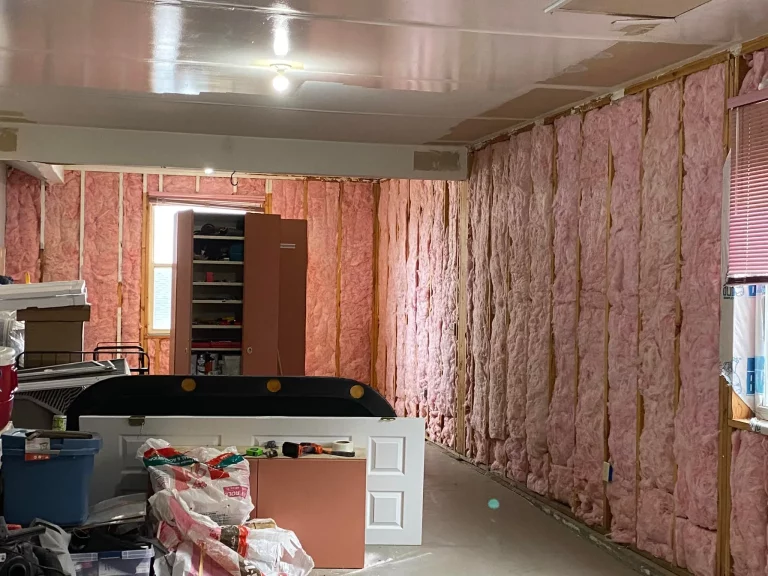
Not every home or every project area calls for the same insulation strategy. The table below offers guidance based on common Thayne home scenarios.
| Home Scenario | Recommended Approach | Reasoning |
|---|---|---|
| Older home, under-insulated attic | Blown-in fiberglass over existing insulation | Fills irregular spaces, reaches recommended R-49 to R-60, with minimal disruption |
| New construction with standard framing | High-density fiberglass batts | Fits 2×4 and 2×6 cavities, cost-effective, easy inspection |
| Retrofit with finished walls | Blown-in fiberglass or dense-pack cellulose | Installed through small holes without removing drywall |
| Basement or crawlspace with moisture concerns | Rigid foam or closed-cell spray foam | Provides moisture resistance and air sealing in below-grade conditions |
| Pole barn or outbuilding | Fiberglass blankets or blown-in | Covers large open areas economically, suited for non-conditioned spaces |
Choosing the right insulation contractor matters as much as choosing the right material. Here are the indicators that separate a qualified installer from an unreliable one:
At High Country Solutions, we help homeowners across Thayne and the surrounding Star Valley area make smart insulation decisions that reduce energy waste and improve year-round comfort. Our team evaluates your home’s current insulation levels, identifies air leakage points, and recommends the best materials and methods for your specific situation. Whether you need blown-in attic insulation, fiberglass batt installation, or a full insulation replacement, we handle every project with care and precision. Reach out to us at [email protected] or call (307) 248-9063 to get started.
Request a Quote | Schedule an Insulation Assessment
For most of Wyoming (Climate Zones 6-7), the Department of Energy recommends R-49 to R-60 in uninsulated attics. If you already have 3 to 4 inches of existing insulation, you should add enough to reach at least R-49 total.
Fiberglass is classified as not carcinogenic to humans by the International Agency for Research on Cancer. When properly installed and covered with drywall or facing, fiberglass does not pose health risks in occupied living spaces.
Fiberglass insulation does not settle, decay, or lose R-value over time when installed correctly. It can last the lifetime of the home without needing replacement, though adding more on top may be beneficial as building standards improve.
Yes, insulating floors above unconditioned crawlspaces or basements with fiberglass batts reduces heat loss through the floor assembly. In cold climates like Thayne, floor insulation combined with air sealing makes a noticeable difference in comfort.
Fiberglass does not provide a food source for pests. Unlike cellulose insulation, which is made from paper, fiberglass has no organic material that rodents or insects would consume, making it a less attractive habitat for nesting.