Best Fiberglass Insulation Upgrades for Improving Overall Home Comfort
Skeeter Aimone
April 16th, 2026
Fiberglass insulation remains one of the most practical and cost-effective ways to upgrade home comfort, reduce energy waste, and create more consistent indoor temperatures. The right upgrade depends on your climate zone, existing insulation levels, budget, and which areas of your home are underperforming. Common fiberglass insulation upgrades include adding blown-in fiberglass to attics, upgrading wall cavity insulation with dense-pack blown fiberglass, layering high-density fiberglass batts over existing insulation, and addressing basement and crawlspace insulation. Each approach targets different parts of the building envelope and delivers distinct comfort improvements. To plan effectively, review fiberglass insulation upgrade strategies for homes.
TL;DR
The U.S. Department of Energy estimates homeowners can save up to 20% on heating and cooling costs by adding insulation to attics, floors, and crawl spaces
ENERGY STAR recommends attic insulation levels between R-49 and R-60, depending on your climate zone, for maximum comfort and efficiency
Fiberglass batt insulation costs roughly $0.30 to $1.50 per square foot for materials, making it one of the most affordable upgrade options
Air sealing should always come before or alongside insulation upgrades, as gaps and leaks can undermine even high R-value installations
Blown-in fiberglass is ideal for retrofitting existing walls and attics where framing obstacles make batts impractical
High-density fiberglass batts deliver higher R-values per inch (up to R-4.3 per inch) compared to standard batts (R-2.9 to R-3.8 per inch)
The EPA estimates that combined air sealing and insulation can save homeowners an average of 15% on heating and cooling costs
Understanding Fiberglass Insulation and R-Value
Before planning any upgrade, it helps to understand how fiberglass insulation works and why R-value matters. R-value measures thermal resistance, or how well a material resists heat flow. The higher the R-value, the better the insulation performs. According to the U.S. Department of Energy, the most common insulation materials work by slowing conductive and convective heat flow, and fiberglass is one of the most widely used materials for this purpose.
Fiberglass insulation comes in several forms, each suited to different upgrade scenarios:
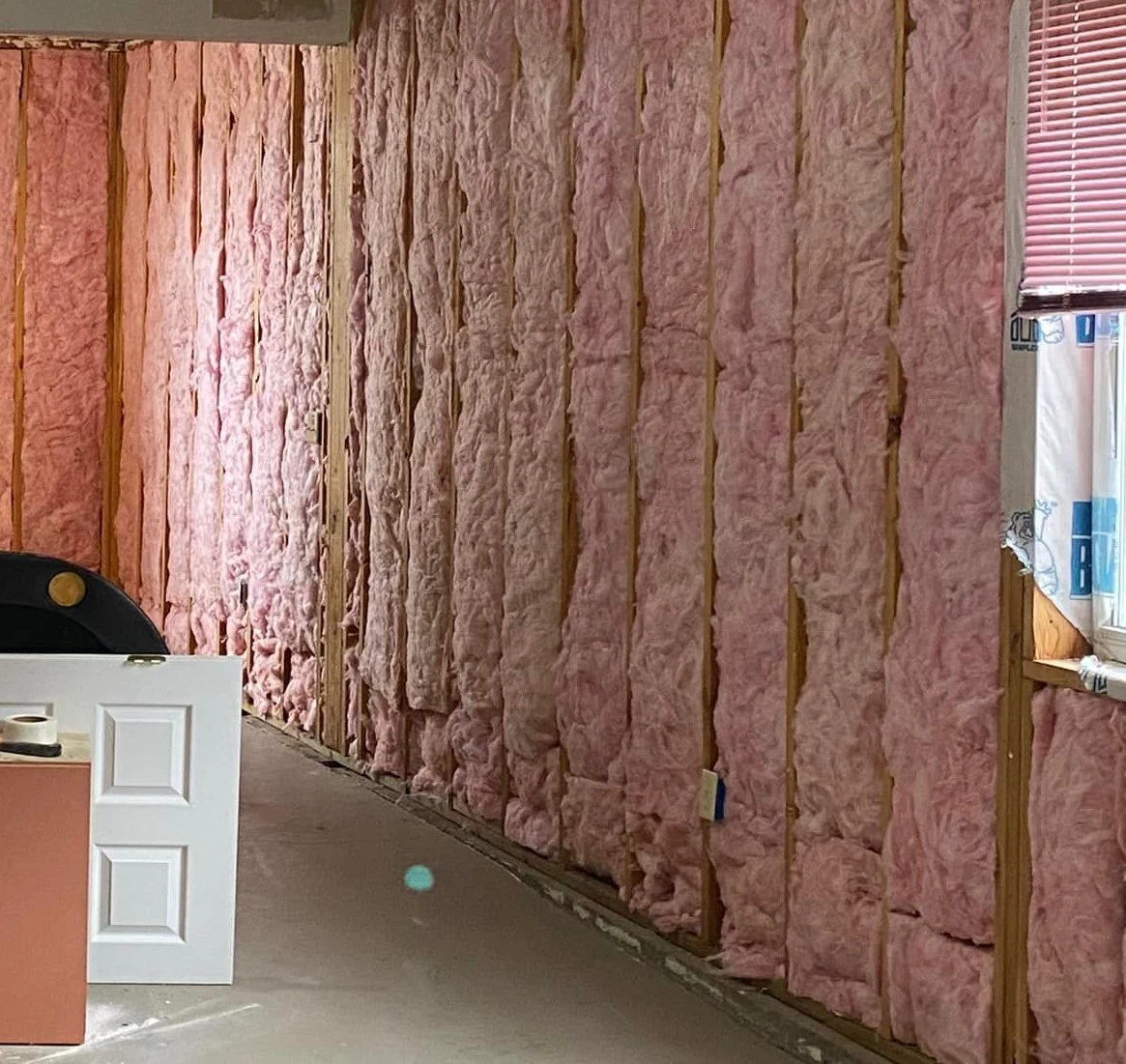
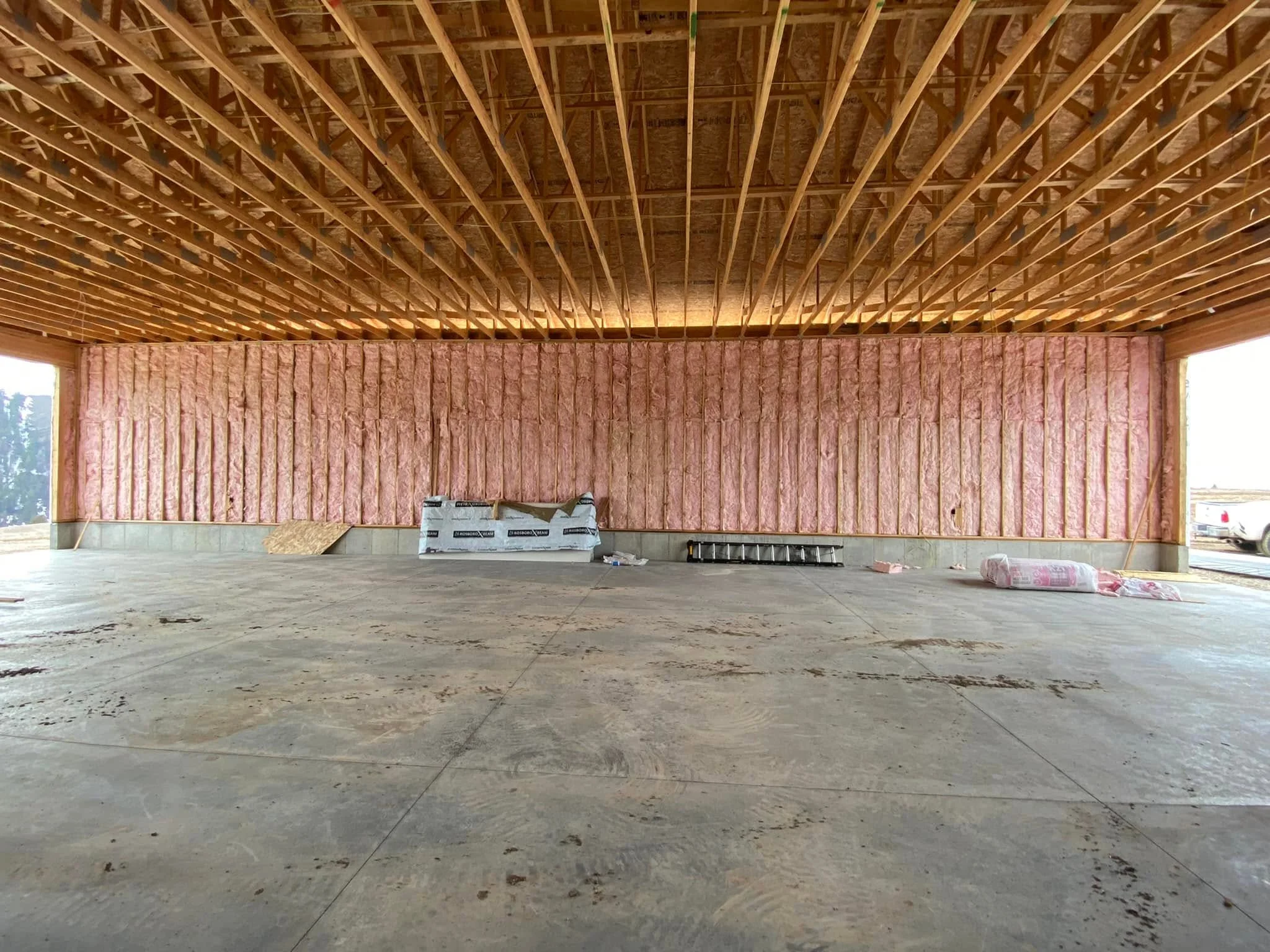
Batts and rolls: Pre-cut or continuous flexible blankets fitted between studs, joists, and beams. Best for accessible, standard-framed areas.
Blown-in (loose-fill): Small glass fibers blown into wall cavities and attic floors using specialized equipment. Best for retrofitting finished areas and irregular spaces.
High-density batts: Compressed fiberglass products with higher R-values per inch. Best for maximizing thermal performance in limited cavity depths.
The effectiveness of any insulation depends heavily on proper installation. Compressed fiberglass, gaps between batts, and missing coverage all reduce real-world performance below the rated R-value.
Recommended R-Values by Climate Zone
Your climate zone determines how much insulation you actually need. The ENERGY STAR Recommended Home Insulation R-Values chart provides clear targets for retrofitting existing wood-framed buildings:
Climate Zone
Attic (Uninsulated)
Attic (3-4 Inches Existing)
Wood-Frame Wall
Floor
1 (Hot)
R30-R49
R19-R38
R13
R13
2 (Warm)
R49-R60
R38-R49
R13
R13
3 (Mixed)
R49-R60
R38-R49
R20
R19
4 (Mixed/Cold)
R60
R49
R20+R5 CI
R19
5-6 (Cold)
R60
R49
R20+R5 CI
R30
7-8 (Very Cold)
R60
R49
R20+R5 CI
R38
CI stands for continuous insulation, which is applied to the exterior of the wall assembly. These targets help homeowners understand whether their current insulation levels are adequate or if an upgrade would deliver meaningful comfort improvements.
Top Fiberglass Insulation Upgrades Ranked by Impact
1. Attic Floor Insulation with Blown-In Fiberglass
For most homes, the attic is the single highest-impact area to upgrade. Heat rises, so an under-insulated attic allows significant energy loss in winter and heat gain in summer. Blown-in fiberglass is the most practical solution for attic upgrades because it conforms to irregular joist spacing, covers obstructions like wiring and ductwork, and installs quickly over existing insulation. For more details, see fiberglass.
Typical installation depths for blown-in fiberglass range from 10 to 16 inches, depending on the target R-value. In colder climate zones, reaching R-60 may require 16 inches or more of blown fiberglass. This upgrade typically costs between $1.00 and $2.20 per square foot installed.
2. Layering High-Density Batts Over Existing Attic Insulation
Homes with 3 to 4 inches of older attic insulation can benefit significantly from adding high-density fiberglass batts perpendicular to the existing layer. This cross-hatched approach eliminates gaps and seams in the original installation while boosting the total R-value. The Department of Energy’s Types of Insulation guide notes that batts are suited for standard stud and joist spacing and are relatively inexpensive, making them a practical choice for layered attic upgrades.
High-density batts with R-values of R-30 or R-38 can bring an underperforming attic up to current standards. The key is ensuring the new layer does not compress the existing insulation, which would reduce its effective R-value.
3. Wall Cavity Dense-Pack Blown Fiberglass
Many older homes have walls with little or no insulation. Dense-pack blown fiberglass can be installed through small holes drilled in the wall exterior or interior, filling cavities behind finished drywall or plaster. This upgrade addresses one of the most stubborn comfort issues: cold walls in winter and heat transfer through exterior-facing rooms.
Dense-pack installation compresses the fiberglass to a higher density than standard blown applications, achieving approximately R-3.5 to R-4.2 per inch. A standard 2×4 wall cavity (3.5 inches deep) can reach R-13 to R-15 with proper dense-pack installation.
4. Basement and Crawlspace Insulation
Basement walls and crawlspaces are frequently overlooked insulation targets. Uninsulated basement walls allow heat to escape through the foundation, creating cold floors above and drafts near the floor line. Fiberglass batts with R-13 to R-19 values, or rigid fiberglass board in some applications, can dramatically improve comfort on the first floor.
Crawlspace insulation requires attention to moisture control. Fiberglass batts installed between floor joists should include a vapor barrier facing toward the conditioned space. In damp crawlspaces, encapsulation combined with insulation on the crawlspace walls may be more effective than insulating the floor above.
5. Duct and HVAC System Insulation
Fiberglass insulation is also used to insulate HVAC ductwork running through unconditioned spaces like attics and crawlspaces. Duct insulation prevents heated or cooled air from losing temperature before reaching living spaces. According to the EPA’s resources on residential energy efficiency, certified homes incorporate efficient insulation and sealed duct systems that reduce energy waste by at least 15% compared to standard construction.
Rigid fiberglass duct board or fiberglass duct wrap with R-6 to R-8 ratings is standard for residential duct insulation. This upgrade is especially impactful in homes where ductwork runs through extreme-temperature spaces.
Fiberglass Upgrade Comparison
Upgrade Type
Best For
Typical R-Value Added
Installed Cost Range (Per Sq Ft)
Installation Complexity
Blown-in attic
Homes with thin or uneven attic insulation
R-30 to R-60
$1.00-$2.20
Moderate (professional equipment needed)
High-density batt layering
Attics with 3-4 inches of existing insulation
R-19 to R-38
$0.90-$1.80
Low to moderate
Dense-pack wall fill
Older homes with uninsulated walls
R-13 to R-15
$1.50-$3.00
High (requires drilling and specialized equipment)
Basement wall batts
Cold floors, drafty lower levels
R-13 to R-19
$1.50-$2.50
Moderate
Duct insulation
HVAC ducts in unconditioned spaces
R-6 to R-8
$2.00-$4.00
High (HVAC professional recommended)
Real-World Scenarios
Home Type
Upgrade Strategy
Approximate Investment
Comfort Outcome
1970s ranch home, mixed climate, R-11 attic
Blown-in fiberglass to R-49 over existing insulation
$1,200-$2,000
Reduced upstairs temperature swings, 15% lower heating bills
1990s two-story, cold climate, no wall insulation
Dense-pack blown fiberglass in all exterior walls
$3,000-$5,500
Eliminated cold wall surfaces, even temperatures across floors
1960s home with vented crawlspace
Fiberglass batts in crawlspace ceiling + vapor barrier
$1,500-$2,800
Warmer first-floor floors, reduced drafts, less moisture
New construction, hot climate
High-density R-15 batts in walls, R-49 blown attic
Faster heating/cooling response, reduced energy waste
How to Evaluate a Fiberglass Insulation Upgrade
Before committing to any insulation project, ask these questions:
What is my current insulation level in each area (attic, walls, basement, crawlspace)?
What climate zone am I in, and what R-value does ENERGY STAR recommend for my zone?
Are there air sealing issues that should be addressed before or during insulation?
Does the installer have experience with the specific fiberglass application I need?
Will the upgrade require removing existing insulation, and is there any moisture damage or pest activity to address first?
Common Mistakes to Avoid
Skipping air sealing: Insulation without air sealing allows drafts to continue. Seal gaps, cracks, and penetrations before adding insulation.
Compressing existing insulation: Adding weight on top of existing fiberglass reduces its R-value. Use the correct installation depth and avoid stacking heavy materials over old insulation.
Blocking ventilation: In vented attics, insulation must not block soffit vents. Install proper baffles to maintain airflow from eaves to ridge.
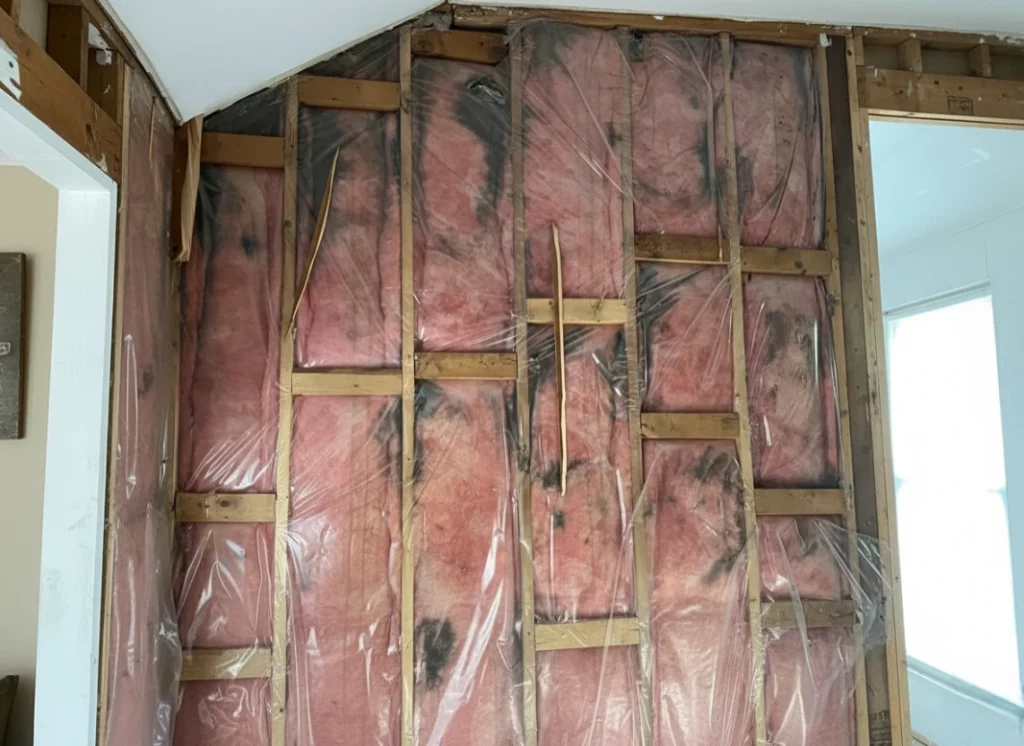
Ignoring moisture issues: Fiberglass that gets wet loses insulating value and can support mold. Fix roof leaks and moisture problems before insulating.
Choosing the wrong R-value: Over-insulating in mild climates has diminishing returns. Match your R-value to your climate zone for the best cost-to-comfort ratio.
Using faced batts in the wrong location: Vapor barrier facings should face the conditioned space in heating climates. In mixed climates, unfaced batts or correct vapor retarder placement matter.
Recommendations by Homeowner Profile
Budget-Conscious Homeowners
Start with the attic. Blown-in fiberglass over existing insulation delivers the most comfort improvement per dollar spent. Focus on reaching at least R-38 to R-49, depending on your zone. This single upgrade often produces the most noticeable temperature consistency and energy savings.
Homeowners with Persistent Comfort Complaints
If you experience cold walls, uneven temperatures between rooms, or high energy bills despite having some attic insulation, wall cavity insulation with dense-pack blown fiberglass is likely the next step. Combine this with air sealing around windows, doors, and rim joists for comprehensive comfort improvement.
Homeowners Planning a Major Renovation
If siding is being replaced, take the opportunity to add continuous exterior insulation (R-5 to R-10 rigid fiberglass or foam board) beneath the new cladding. This eliminates thermal bridging through studs and dramatically improves wall performance.
New Construction and Major Additions
Specify high-density fiberglass batts with R-15 or R-21 values in 2×6 walls, along with R-49 to R-60 blown fiberglass in attics. The incremental cost during construction is minimal compared to retrofitting later.
Signs You Have the Right Insulation Strategy
Your contractor recommended air sealing as part of the insulation project, not just adding material
The proposed R-value targets match or exceed ENERGY STAR recommendations for your climate zone
The installer explained how they will handle obstacles like wiring, ductwork, and ventilation
You received a written estimate that specifies R-value, material type, and coverage area
The plan addresses moisture control and ventilation requirements specific to your home
The contractor inspected your current insulation and identified specific problem areas before recommending solutions
Ready to Upgrade Your Home’s Comfort?
High Country Solutions helps homeowners identify the most impactful fiberglass insulation upgrades for their specific home, climate, and budget. Our team evaluates your current insulation levels, identifies air sealing opportunities, and recommends the right approach to deliver lasting comfort and energy savings.
Reach us at [email protected] or call (307) 248-9063 to get started with a personalized insulation plan. We serve homeowners who want real comfort improvements, not just more insulation in the attic.
Frequently Asked Questions
What is the most cost-effective fiberglass insulation upgrade for an existing home?
Adding blown-in fiberglass to the attic typically delivers the best return on investment. Most homes are under-insulated in the attic, and the upgrade is relatively affordable at $1.00 to $2.20 per square foot installed.
Can I install fiberglass batt insulation myself?
Yes, fiberglass batts are one of the few insulation types suitable for DIY installation in accessible areas like open attics and unfinished walls, though proper fit around obstacles and correct vapor barrier orientation are essential for good performance.
How long does fiberglass insulation last?
Fiberglass insulation typically lasts 50 to 80 years or more when installed correctly and kept dry. It does not settle, degrade, or lose R-value over time like some other materials.
Does adding more insulation always mean better comfort?
No. Beyond the R-value recommended for your climate zone, additional insulation delivers diminishing returns. Air sealing, moisture control, and proper ventilation often matter more than exceeding target R-values.
Should I remove old insulation before adding new fiberglass?
Not always. If the existing insulation is dry, intact, and free of pests, you can typically install new insulation over it. However, damaged, wet, or contaminated insulation should be removed before proceeding.
Sources
U.S. Department of Energy – Insulation – Comprehensive overview of how insulation works, R-value explanations, and recommended insulation levels by climate zone for new and existing homes.
U.S. Department of Energy – Types of Insulation – Complete reference covering fiberglass batts, blown-in insulation, and other insulation types with installation methods, advantages, and best-use scenarios.
U.S. EPA – Local Residential Energy Efficiency – Federal data on residential energy efficiency standards, including the requirement that ENERGY STAR-certified homes be at least 15% more efficient than standard construction.
I’m Skeeter Aimone, owner of High Country Solutions in Alpine, Wyoming, leading the company since 2019. I focus on quality installation, building science, and insulation solutions suited to harsh Wyoming and eastern Idaho conditions.