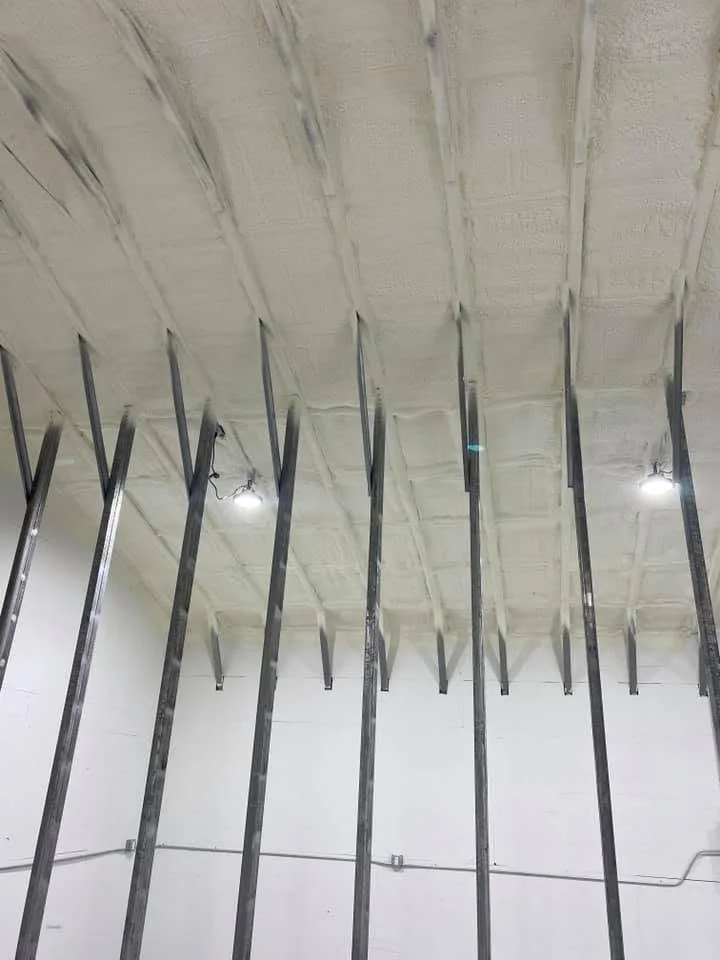
When Blown-In Insulation Is the Right Upgrade for Older Homes in Idaho Falls, ID?
Skeeter Aimone
April 16th, 2026
Blown-in insulation is the right upgrade for most older homes in Idaho Falls when the existing insulation has settled, thinned, or was never installed to current standards. Homes built before 1990 in this area commonly have attic insulation rated well below the R-49 to R-60 that ENERGY STAR recommends for Climate Zone 5, and blown-in materials like cellulose or fiberglass can fill those gaps without the teardown that batt insulation would require. The best approach depends on your home’s specific weaknesses, whether you need attic-only coverage or wall cavity fills, and what your budget allows for materials and professional installation.
TL;DR
Idaho Falls sits in IECC Climate Zone 5, requiring R-49 to R-60 in attics and R-30 in floors for existing homes
Older homes in the area often have R-11 to R-19 attic insulation, far below current standards
Blown-in insulation fills irregular cavities and gaps better than batts, making it ideal for retrofitting wall cavities and attics in pre-1990 construction
Professional installation typically costs $1.00 to $3.50 per square foot, with a full attic upgrade on a 1,500 sq ft home ranging from $1,500 to $5,250
Homeowners can expect 15-25% savings on heating and cooling costs when upgrading from inadequate to code-level insulation
Cellulose (R-3.2 to R-3.8 per inch) outperforms fiberglass (R-2.9 to R-3.3 per inch) on a per-inch basis, but both meet code when installed at proper depth
Air sealing should always be completed before adding blown-in insulation to prevent trapping moisture in wall cavities
Why Idaho Falls Homes Face a Unique Insulation Gap
Idaho Falls experiences long, cold winters with average January lows around 14°F and summer highs pushing into the upper 80s. That temperature swing places the city firmly in IECC Climate Zone 5, a cold-climate classification that demands higher insulation values than most older homes were built to meet. The Idaho Energy Code specifies a minimum of R-38 for attic spaces in Climate Zone 5, but ENERGY STAR recommends going further with R-49 to R-60 for existing homes to maximize efficiency.
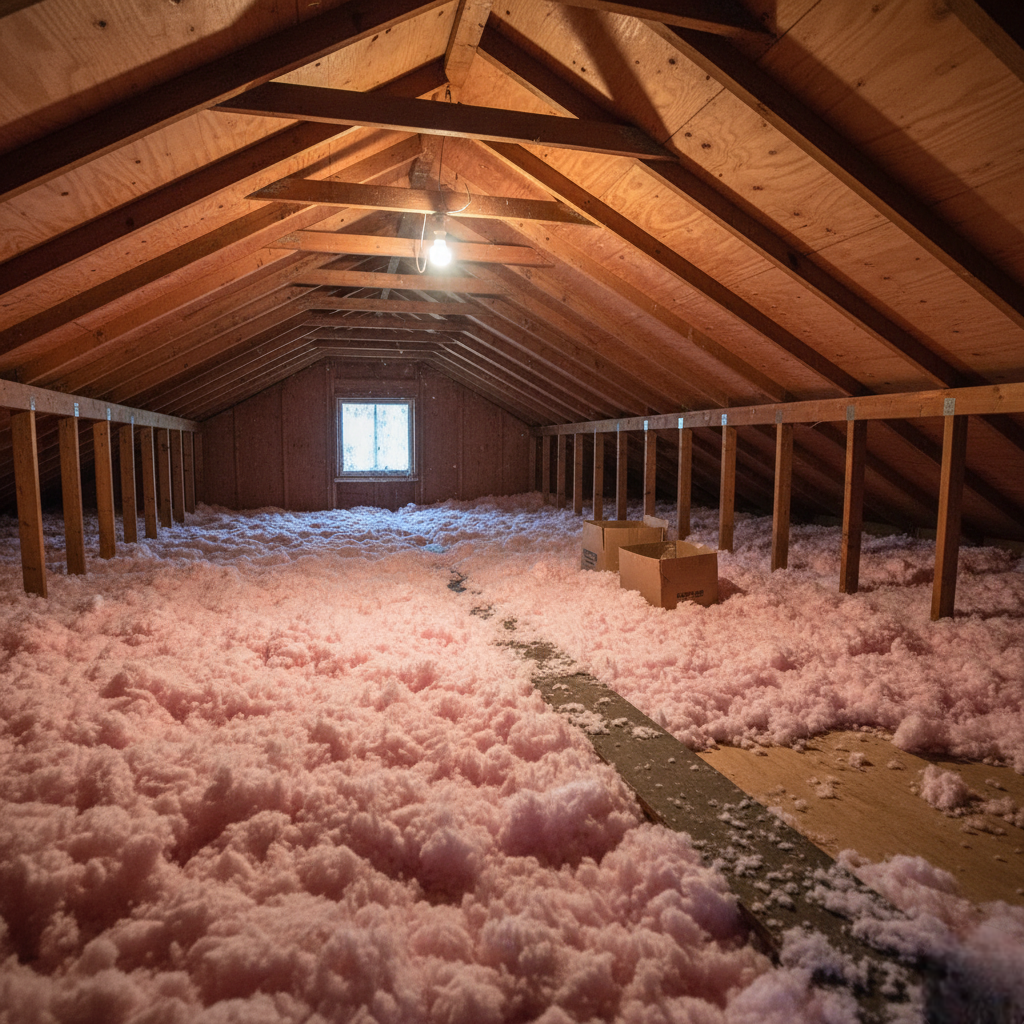
Homes built in Idaho Falls before modern energy codes took effect frequently contain nothing more than a few inches of loose-fill mineral wool or fiberglass in the attic, often settling to an effective R-10 or less over decades. Walls in homes from the 1950s through 1980s may have no wall cavity insulation at all, or thin batts that leave gaps around framing, electrical boxes, and plumbing penetrations. These deficiencies create steady heat loss through the building envelope, which is why homeowners notice cold rooms near exterior walls and watch heating bills climb through the winter months. To fix these gaps efficiently, consider blown-in insulation upgrades for older homes.
The U.S. Department of Energy confirms that, unless a home was specially constructed for energy efficiency, adding insulation will almost certainly reduce energy bills. For older Idaho Falls homes, that gap between what exists and what is recommended is especially wide.
What Makes Blown-In Insulation the Right Choice for Retrofitting
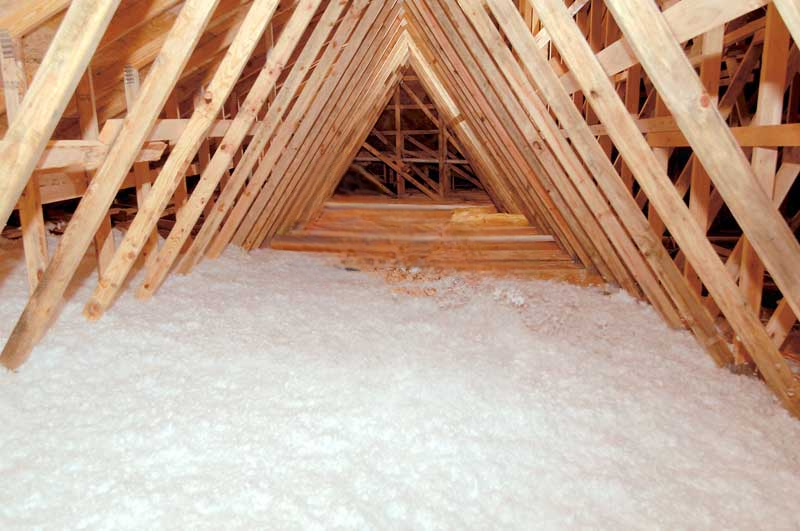
Blown-in insulation works through a hose-and-blower system that distributes loose material into cavities and across flat surfaces. Two primary materials are used:
Cellulose: Made from recycled paper treated with fire retardants, delivering R-3.2 to R-3.8 per inch. It fills gaps tightly and has slightly better sound-dampening qualities.
Fiberglass: Spun glass fibers blown loose, delivering R-2.9 to R-3.3 per inch. It is moisture-resistant and lightweight.
For retrofit applications, both materials offer advantages that pre-cut batts cannot match. Blown-in insulation flows around obstructions like wiring, plumbing runs, and framing irregularities, creating a more continuous thermal barrier. When dense-packed into closed wall cavities through small holes drilled in the exterior or interior, it eliminates air pockets that batts leave behind. For more detail, see blown-in insulation for wall cavities.
The DOE’s climate region guide identifies much of eastern Idaho as heating-dominated, meaning heat retention through winter months is the primary performance metric. Blown-in insulation addresses this directly by sealing the thermal envelope where older homes lose the most energy.
Blown-In vs. Other Insulation Methods for Older Homes
Insulation Type
Best Application
Installation Method
R-Value Per Inch
Ideal For
Blown-in Cellulose
Attics, wall cavities, hard-to-reach areas
Hose and blower machine
R-3.2 to R-3.8
Complete retrofits on pre-1980 homes
Blown-in Fiberglass
Attics, open floor cavities
Hose and blower machine
R-2.9 to R-3.3
Moisture-prone areas like crawlspaces
Fiberglass Batts
Open stud bays, new construction
Hand-fitted between the framing
R-2.9 to R-3.8
Remodels with exposed wall cavities
Spray Foam
Rim joists, basements, and small gaps
Sprayed as a liquid, expands and cures
R-3.7 to R-6.5
Air sealing combined with insulation
Rigid Foam Board
Basement walls, foundation exteriors
Cut and fastened mechanically
R-3.8 to R-6.5
Below-grade and continuous insulation
Blown-in insulation stands out for retrofit work because it requires minimal demolition. Attics can be topped off without removing existing material, and wall cavities can be filled through small access holes that are patched afterward. This keeps project timelines short, typically one to two days for an average Idaho Falls home.
Signs Your Older Idaho Falls Home Needs a Blown-In Insulation Upgrade
Not every older home needs the same approach. Here are specific indicators that blown-in insulation is the right solution for your situation:
Uneven temperatures between rooms. If some rooms stay warm while others on the same floor feel drafty, insufficient or missing wall insulation is often the cause. Blown-in dense-pack fills those cavities evenly.
High heating bills relative to similar homes. Compare your winter energy costs with those of neighbors in comparable houses. If yours run consistently higher despite similar HVAC systems, the building envelope is likely the weak point.
Ice dams are forming on the roof. Ice dams indicate heat is escaping through the attic and melting snow on the roof surface. Adding blown-in insulation to the attic floor reduces this heat transfer.
Visible insulation settling in the attic. If you can see the tops of ceiling joists through your existing attic insulation, the material has compressed or was never deep enough. Blown-in can be layered over existing material to reach the recommended depth.
Home built before 1980 with no insulation upgrades. Homes from this era in Idaho Falls frequently lack wall insulation entirely and have only minimal attic coverage. A blown-in upgrade addresses both areas with minimal disruption.
Cost Expectations and Return on Investment
Blown-in insulation costs in the Idaho Falls area typically fall between $1.00 and $3.50 per square foot installed, depending on material choice, access difficulty, and whether air sealing work is included. For a 1,500 square foot home, a full attic upgrade might cost $1,500 to $5,250, while adding wall cavity insulation could add $1,000 to $3,000, depending on the number of exterior walls.
Project Scope
Typical Cost Range
Expected Payback
Attic top-off to R-49
$1,500 to $3,500
3 to 6 years
Full attic replacement to R-60
$2,500 to $5,250
4 to 7 years
Wall cavity dense-pack
$1,500 to $3,500
5 to 9 years
Combined attic and walls
$3,000 to $8,000
4 to 8 years
The Insulation Institute’s IECC compliance guide for Idaho notes that homes meeting or exceeding current energy code requirements see measurable reductions in energy consumption. In a heating-dominated climate like Idaho Falls, the return on insulation investment often outperforms HVAC upgrades because it reduces the load on existing heating equipment rather than requiring new equipment to handle the same thermal losses.
Which Insulation Material Fits Your Idaho Falls Home
Home Scenario
Recommended Material
Reasoning
Attic with existing insulation
Blown-in fiberglass
Lightweight, layers well over existing material, moisture-resistant
Empty wall cavities
Dense-pack cellulose
Higher R-value per inch fills narrow 2×4 cavities effectively, better air sealing
Exposed attic with moisture concerns
Blown-in fiberglass
Does not absorb water, resists mold growth
Homes near agricultural areas
Cellulose
Treated with borates that also resist pests
Sound control priority
Cellulose
Denser material provides better sound-dampening between rooms
Both materials meet Idaho’s energy code requirements when installed at the proper depth. The decision often comes down to the specific conditions in your home and the recommendations of a qualified insulation contractor who has inspected the space. For local guidance, explore blown-in insulation in Idaho Falls.
Signs You Have Found the Right Insulation Contractor
Choosing the right installer matters as much as choosing the right material. Look for these indicators when evaluating contractors in the Idaho Falls area:
They perform a pre-installation inspection that includes checking existing insulation depth, identifying air leaks, and assessing ventilation needs in the attic
They recommend air sealing before insulating rather than simply blowing material over problems
They provide a written scope of work specifying the R-value target, material type, and exact areas to be treated
They carry proper licensing and insurance specific to insulation work in Idaho
They explain the differences between materials without pushing one product exclusively
They offer a warranty on both materials and workmanship
A quality contractor will also discuss attic ventilation after the upgrade, since adding insulation changes the temperature dynamics in the attic space. Proper ventilation prevents moisture buildup and extends the life of your roofing materials.
Federal Tax Credits Available for Insulation Upgrades
The federal government offers tax credits for energy-efficient home improvements, including insulation upgrades that meet specified R-value requirements. For Idaho Falls homeowners in Climate Zone 5, the insulation must meet or exceed the ENERGY STAR recommended levels to qualify. This can offset 30% of project costs up to an annual cap, making the upgrade more affordable than the upfront price suggests. Check current IRS guidelines for the most up-to-date credit amounts and eligibility requirements before starting your project.
Get a Professional Assessment for Your Idaho Falls Home
High Country Solutions helps Idaho Falls homeowners determine exactly where their older homes are losing energy and which insulation upgrade will deliver the best results. Our team evaluates existing insulation levels, identifies air sealing needs, and recommends the right blown-in solution for your specific home and budget.
Reach us directly at (307) 248-9063 or email [email protected]. We serve homeowners throughout Idaho Falls and the surrounding region with honest assessments and professional installation. Do not wait for another heating season to arrive with underperforming insulation.
Frequently Asked Questions
How do I know if my older home in Idaho Falls has enough insulation?
Check your attic depth. If you can see the ceiling joists, you likely have less than R-19 and need an upgrade. For wall insulation, an energy assessment or thermal imaging is the most reliable method.
Can blown-in insulation be installed over existing fiberglass batts in the attic?
Yes. Blown-in cellulose or fiberglass can be installed directly over existing batt insulation as long as the existing material is dry, undamaged, and free of mold or pest contamination.
How long does a blown-in insulation upgrade take for a typical Idaho Falls home?
Most attic-only upgrades are completed in 4 to 8 hours. Adding wall cavity insulation through exterior drilling typically takes 1 to 2 days, depending on the home’s size and access.
Does blown-in insulation settle over time and lose effectiveness?
Modern blown-in materials are treated to resist settling. Cellulose settles less than 5% over its lifetime when installed at the proper density, and fiberglass is even more stable. Choosing an experienced installer ensures proper density from the start.
Is blown-in insulation safe for homes with older wiring?
Cellulose is treated with fire retardants that make it more fire-resistant than wood framing. However, if your home has knob-and-tube wiring, that should be evaluated and likely replaced before adding any insulation, as it poses a separate fire hazard regardless of insulation type.
I’m Skeeter Aimone, owner of High Country Solutions in Alpine, Wyoming, leading the company since 2019. I focus on quality installation, building science, and insulation solutions suited to harsh Wyoming and eastern Idaho conditions.