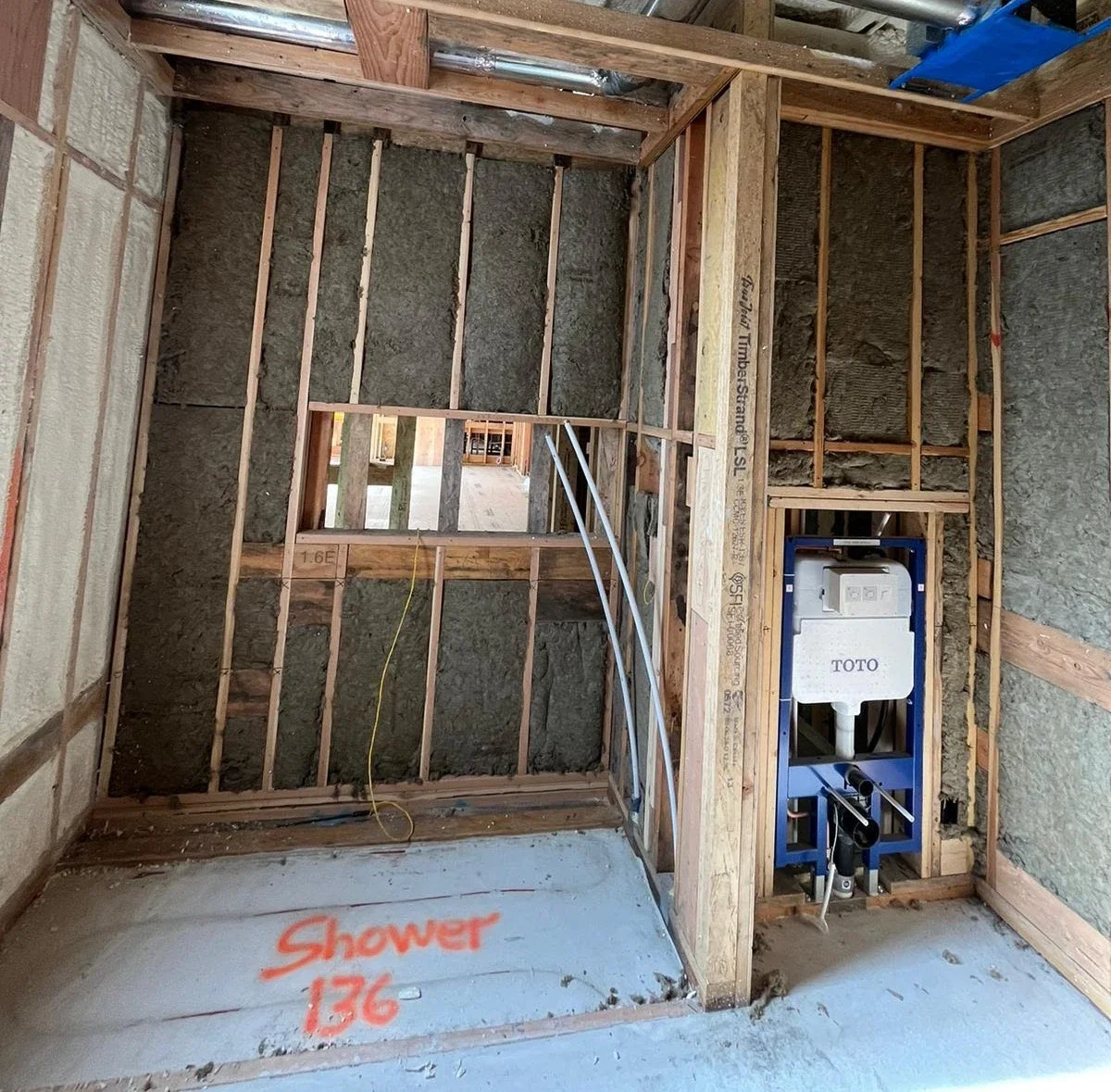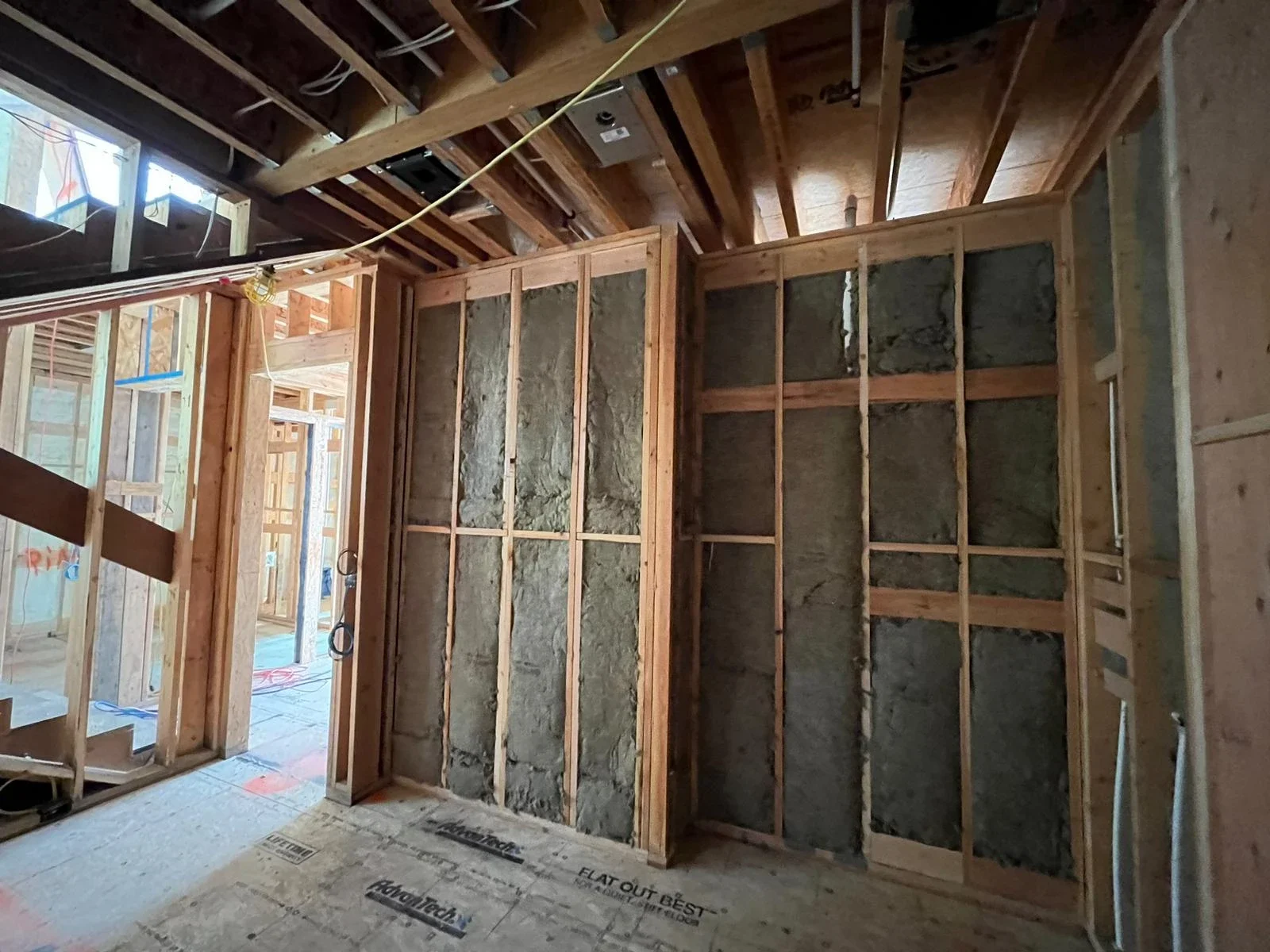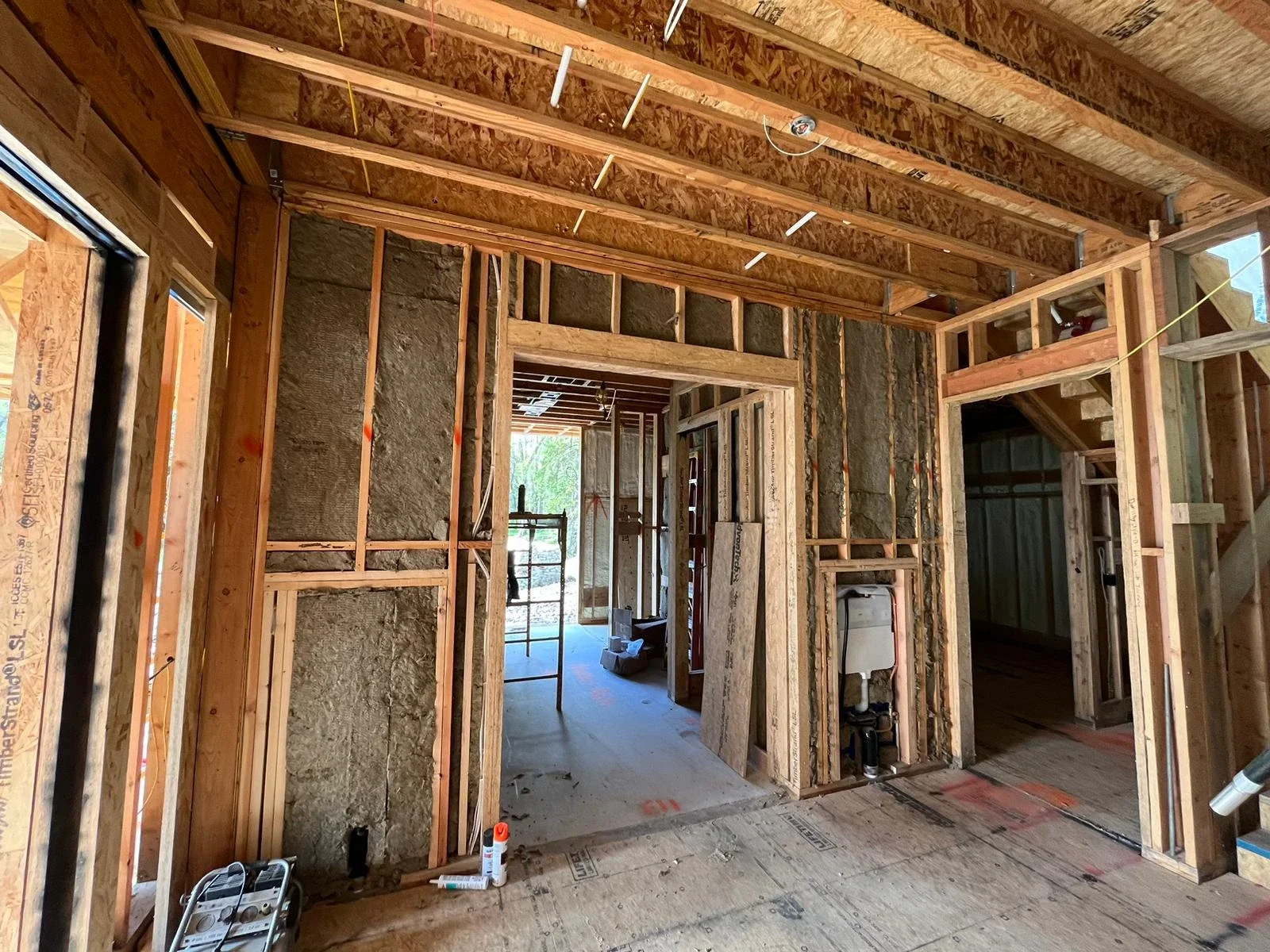
What Problems Can Mineral Wool Insulation Help Solve in Residential Buildings?
Quick answer: The main benefits of mineral wool insulation in a house come down to five problems: rooms that lose…


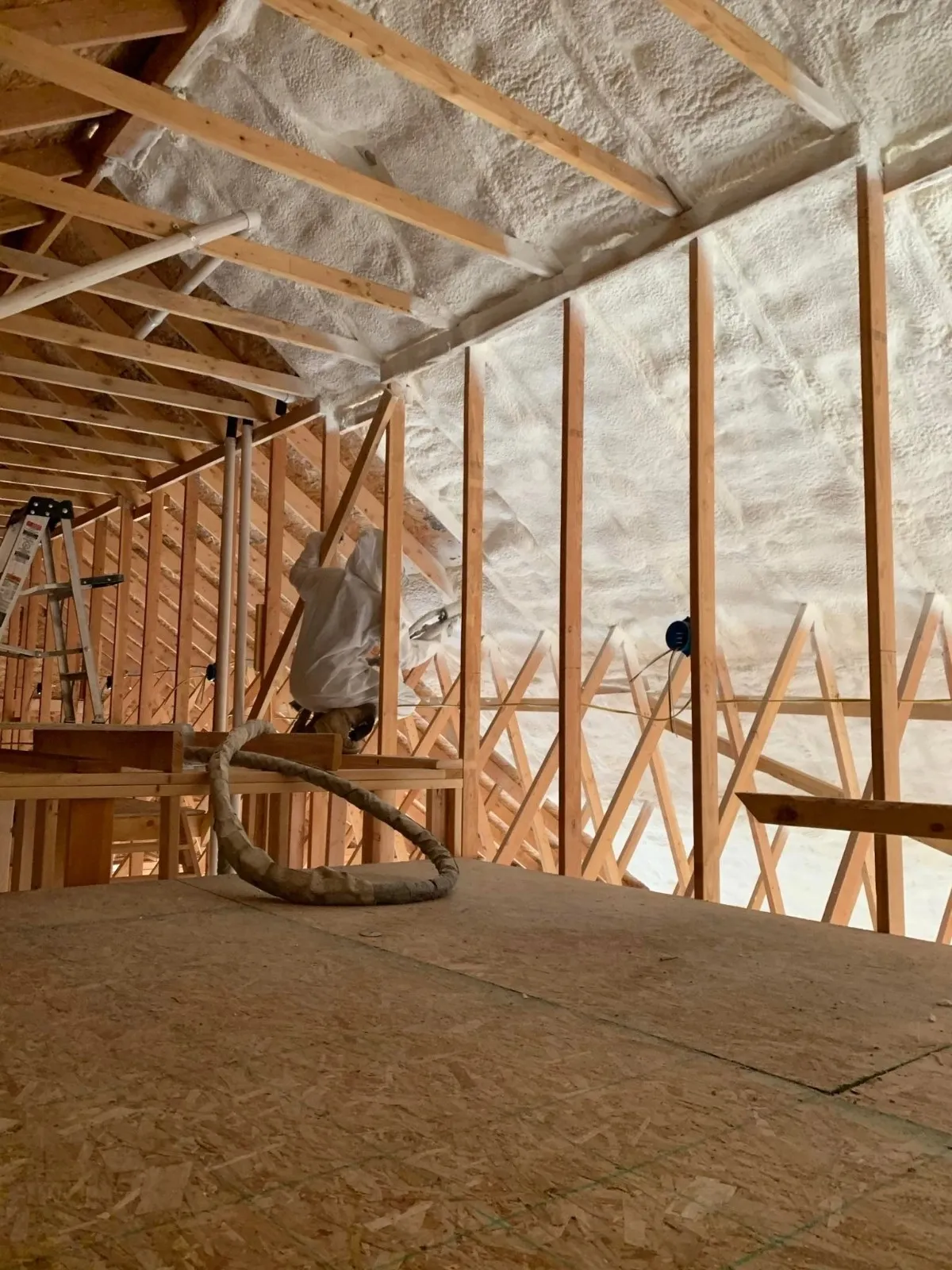
The difference between a one-and-done insulation subcontractor and a partner builders call on every project comes down to three things: showing up when promised, applying the right product for the local climate, and eliminating callbacks through proper air sealing. In a heating-dominated market like Driggs, Idaho, where long winters and heavy snow loads push energy systems to their limits, builders cannot afford insulation that falls short of code or performance expectations. The right spray foam insulation contractor understands these demands and consistently delivers results that protect the builder’s reputation and keep homeowners happy long after move-in day. Working with trusted insulation specialists helps builders maintain quality standards and avoid costly callbacks.
Driggs sits in Teton County at an elevation of roughly 6,000 feet, where winter temperatures regularly drop well below freezing and heating loads dominate energy use for six to seven months of the year. Under Idaho’s adopted energy code, the state follows IECC Climate Zone 5 requirements, which mandate specific minimum R-values for every part of the building envelope. Meeting these standards is easier with a focus on building envelope protection and long-term thermal performance.
| Component | Climate Zone 5 Minimum R-Value |
|---|---|
| Ceiling (vented attic) | R-38 |
| Wood frame wall | R-20 or R-13 + R-5 CI |
| Floor over unconditioned space | R-30 |
| Basement wall | R-15/19 |
| Crawl space wall | R-15/19 |
| Slab edge | R-10, 2 ft depth |
These are not suggestions. Missing any one of these targets means a failed inspection and a stalled build schedule. A contractor who knows these numbers by heart, who shows up with the right materials and thickness targets for each assembly, is the one builders trust on the next project.
Beyond code compliance, the building science in a cold climate like Zone 5 demands attention to air sealing and moisture control. The Department of Energy identifies air leakage as a leading cause of energy waste and moisture problems, noting that reducing uncontrolled air movement is one of the most cost-effective ways to improve building durability and occupant comfort. When warm indoor air escapes through gaps in the insulation envelope during a Driggs winter, it condenses inside wall cavities and attic spaces, creating conditions for mold, rot, and structural damage. Spray foam addresses this problem directly because it expands to fill gaps, bonds to substrates, and creates a continuous air barrier as part of the insulation installation itself.
Not every spray foam application calls for the same product. Builders working in Driggs need a contractor who can explain the differences and recommend the right approach for each building assembly. According to the Spray Polyurethane Foam Alliance, both open-cell and closed-cell spray foam can meet or exceed R-value requirements in every climate zone, but they perform very differently in practice.
| Property | Open Cell Spray Foam | Closed Cell Spray Foam |
|---|---|---|
| R-value per inch | 3.6 to 3.8 | 5.7 to 7.0 |
| Air barrier | Yes (at sufficient thickness) | Yes (even at thin applications) |
| Vapor retarder | No | Class II vapor retarder |
| Density | Low (semi-rigid) | Medium (rigid) |
| Expansion | Fills cavities completely | Limited expansion, higher strength |
| Best applications | Interior walls, attics, sound control | Rim joists, crawl spaces, basement walls, and metal buildings |
For a typical Driggs new construction project, our team often recommends a combination approach. Closed-cell foam goes where moisture resistance and structural rigidity matter most, such as rim joists, crawl space walls, and basement rim areas. Open cell foam fills wall cavities and attic flat areas where its higher expansion rate ensures complete coverage and its sound-dampening properties add value. This dual-product strategy allows builders to optimize performance without overspending on materials where it is not needed. Proper new construction spray foam planning helps ensure each part of the building receives the right insulation system.
Callbacks are the silent profit killer for builders. Every warranty call tied to insulation represents a trip back to a job site, an unhappy homeowner, and a dent in the builder’s reputation. The Climate Innovation Center, a zero-energy demonstration building project, demonstrated that meticulous attention to insulation and air sealing details across hundreds of wall transitions, rim joists, and roof connections was necessary to achieve superior airtightness. Their building envelope commissioning agent conducted multiple air and water leakage tests and provided installation guidance to subcontractors throughout the process. That level of coordination is what separates an insulation contractor who generates callbacks from one who eliminates them.
Our approach follows a similar philosophy of getting the details right the first time. We focus on the transitions and penetrations that other contractors skip: the rim joist between foundation and first floor framing, the top plate where walls meet attic spaces, around window and door rough openings, and at plumbing and electrical penetrations. The Department of Energy’s IECC guidance specifically calls out these locations as priority air sealing points where spray foam excels because it expands to fill irregular shapes and adheres permanently to framing materials.
When spray foam is applied correctly, it creates a monolithic seal that does not sag, settle, or gap over time. This means the air barrier installed on day one of the insulation phase remains intact for the life of the building. For builders, this translates into fewer complaints about cold spots, drafts, or high energy bills, and that means fewer reasons for homeowners to question the quality of the build.
In a market like Teton Valley, where buyers range from year-round residents to second-home owners seeking mountain retreats, energy performance is a selling point that sets builders apart. The EPA’s ENERGY STAR methodology estimates that homeowners can save an average of 15% on heating and cooling costs, or about 11% on total energy costs, by properly air sealing and insulating their homes. In Northern Climate Zone 5, where Driggs is located, those savings are even higher, reaching approximately 12% on total household energy bills and 16% on heating and cooling specifically.
According to Wikipedia’s spray foam reference, spray polyurethane foam insulation blocks all three forms of heat transfer: conductive, radiant, and convective. Its air sealing capability is particularly significant because the U.S. Department of Energy has reported that up to 40% of a home’s energy loss is attributable to air infiltration through walls, windows, and doorways. When a builder can point to a spray foam insulation package as the reason a home stays comfortable through sub-zero Driggs nights without overworking the heating system, that becomes a tangible selling point.
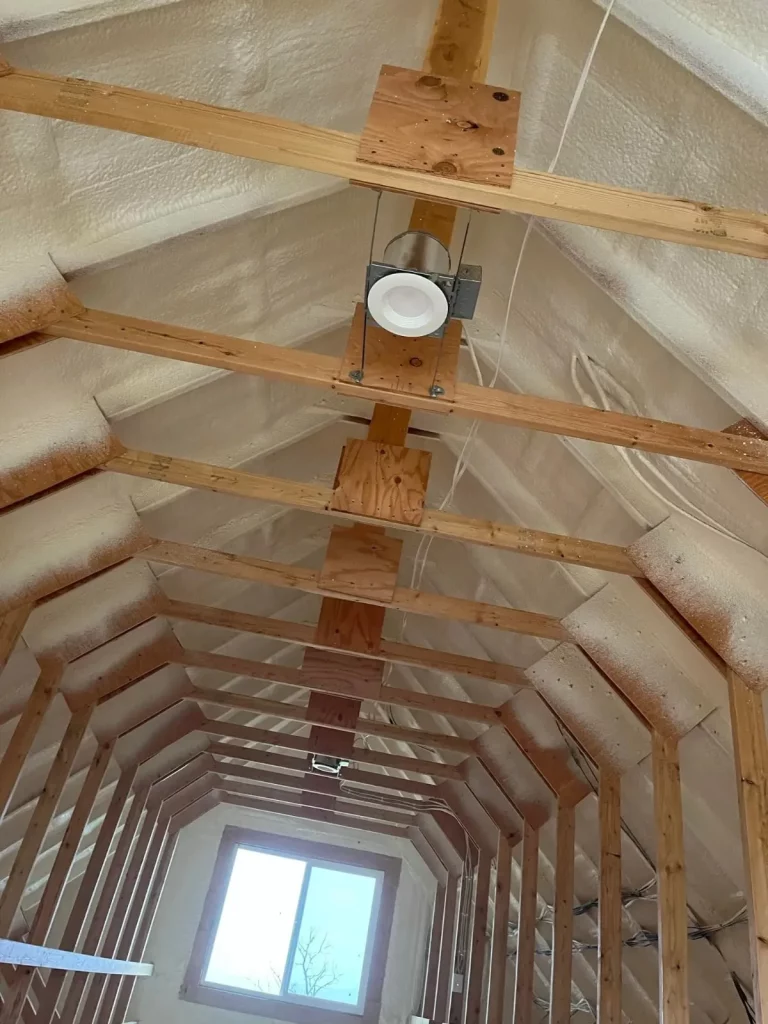
Not every insulation contractor operates at the same level. Here are the indicators that separate a reliable partner from a problem:
When a builder finds a contractor who checks these boxes, the relationship shifts from transactional to strategic. The builder stops shopping around for insulation bids and starts calling the same team on every project, because the cost of switching to an unknown contractor is higher than the value of any marginal savings.
High Country Solutions delivers professional spray foam insulation services that help builders in Driggs, ID, meet code, reduce callbacks, and deliver homes that perform in one of the most demanding climates in the region. Our experienced team handles every project with the attention to detail that keeps your timeline on track, and your homeowners satisfied long after move-in. Whether you need closed-cell foam for a basement crawl space or open-cell foam for a custom home attic, we bring the right product and the right process to every job.
Request a Quote | Schedule a Project Consultation
Call us at (307) 248-9063 or email [email protected] to discuss your next build. We respond quickly because we know your schedule does not wait.
It depends on the building assembly. Closed-cell spray foam works best for rim joists, crawl spaces, and basement walls because it provides a vapor retarder and a higher R-value per inch. Open-cell spray foam is a strong choice for interior wall cavities and attics, where its higher expansion rate ensures full cavity fill and adds sound dampening.
Spray foam achieves code-required R-values in thinner applications than fiberglass or cellulose, which is helpful in assemblies with limited cavity depth. It also serves as an air barrier, which satisfies the mandatory air leakage control requirements in Idaho’s adopted IECC Chapter 4 provisions.
Yes. The EPA estimates that proper air sealing and insulation can save homeowners an average of 15% on heating and cooling costs, with savings in northern Climate Zone 5 reaching approximately 12% on total energy bills. Spray foam addresses both insulation and air sealing in a single application.
Look for a contractor who communicates proactively, provides clear timelines, and has a track record with other local builders. A reliable partner treats your schedule as their own and coordinates with other trades to keep the project moving.
Closed-cell spray foam acts as a Class II vapor retarder when installed at the proper thickness, which helps control moisture movement through the building envelope. Both open and closed cell foam seal air leaks that would otherwise allow warm, moist indoor air to reach cold surfaces and condense inside wall or ceiling assemblies.