Mineral Wool vs Fiberglass Insulation: Which Option Is Better for Your Home?
Quick answer: In the mineral wool vs fiberglass insulation debate, mineral wool usually wins on fire resistance, moisture handling, sound…


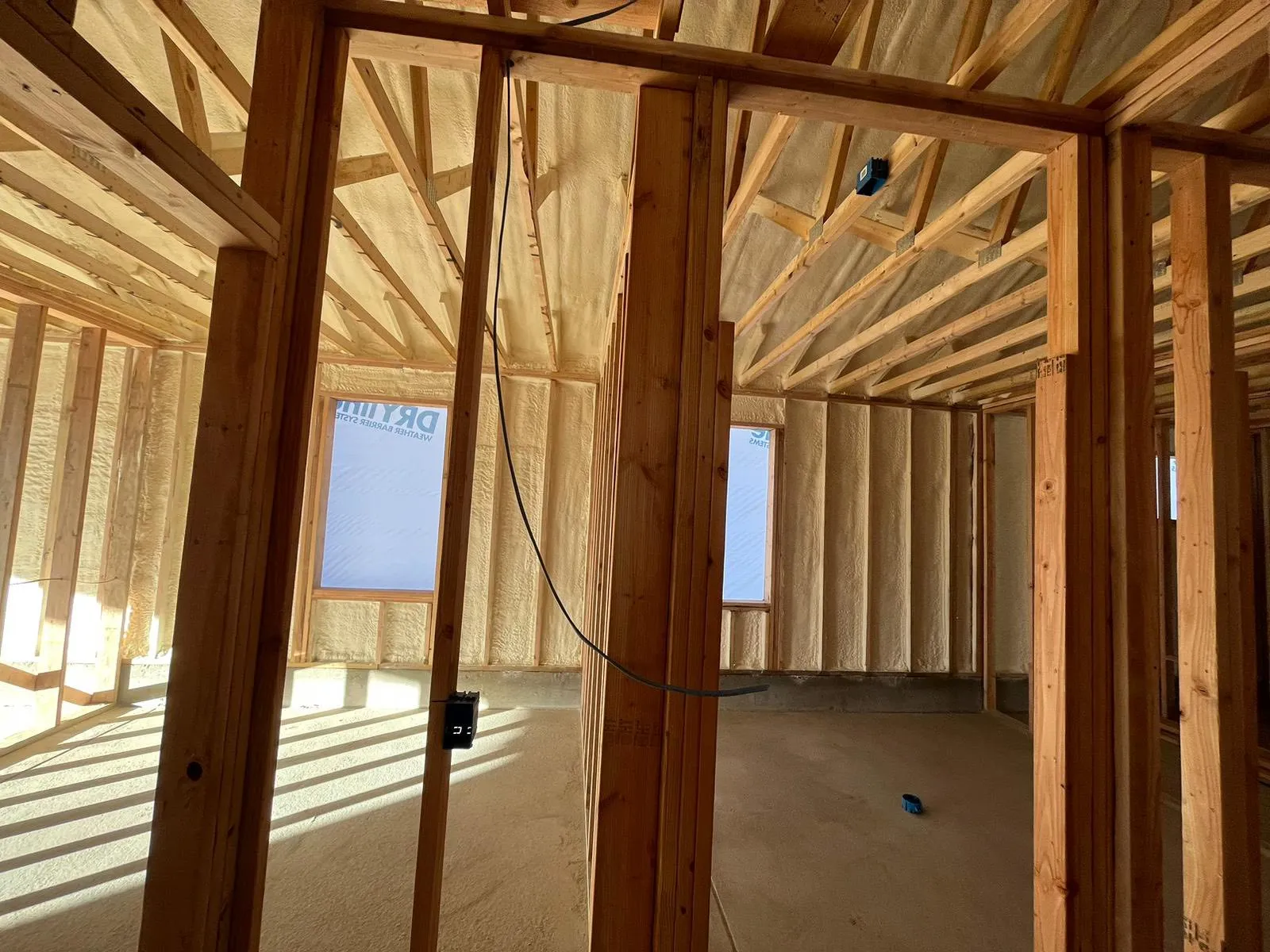
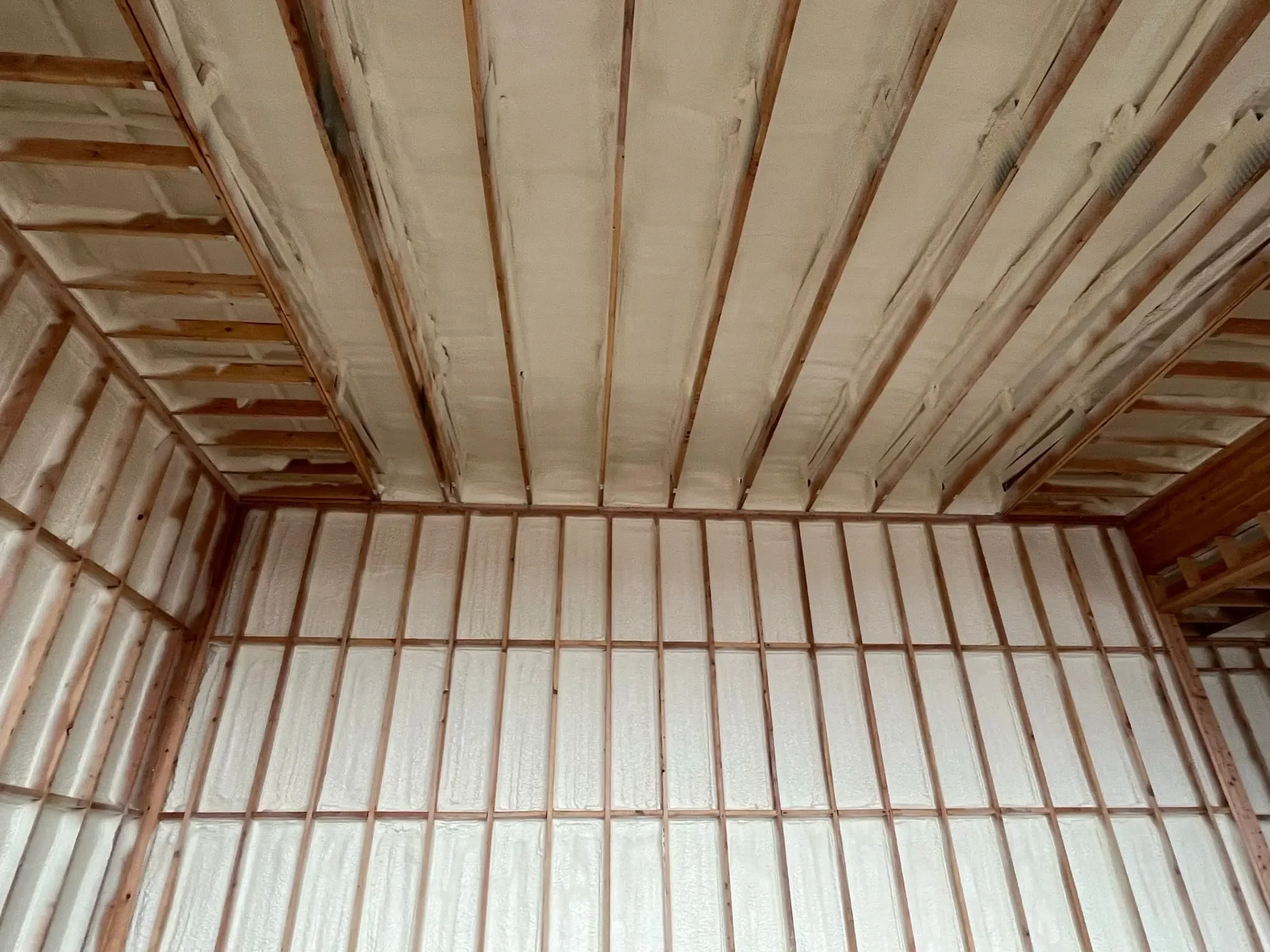
Spray foam insulation delivers a combination of thermal performance, air sealing, and moisture resistance that few other insulation materials can match, making it a strong investment for homeowners in Thayne. The material expands on application to fill gaps, cracks, and cavities completely, creating both an insulating layer and an effective air barrier in a single step. According to the U.S. Department of Energy, insulation that fills building cavities and reduces airflow saves energy, and foam insulation can yield a higher R-value than traditional batt insulation at the same thickness. U.S. Department of Energy – Types of Insulation. Whether you are building new, retrofitting an older home, or insulating a pole barn, the right spray foam application depends on your project goals, climate zone, and budget. Open cell and closed cell formulations each serve specific purposes, and understanding those differences is the first step toward making a smart investment for your Thayne property while ensuring long-term building protection.
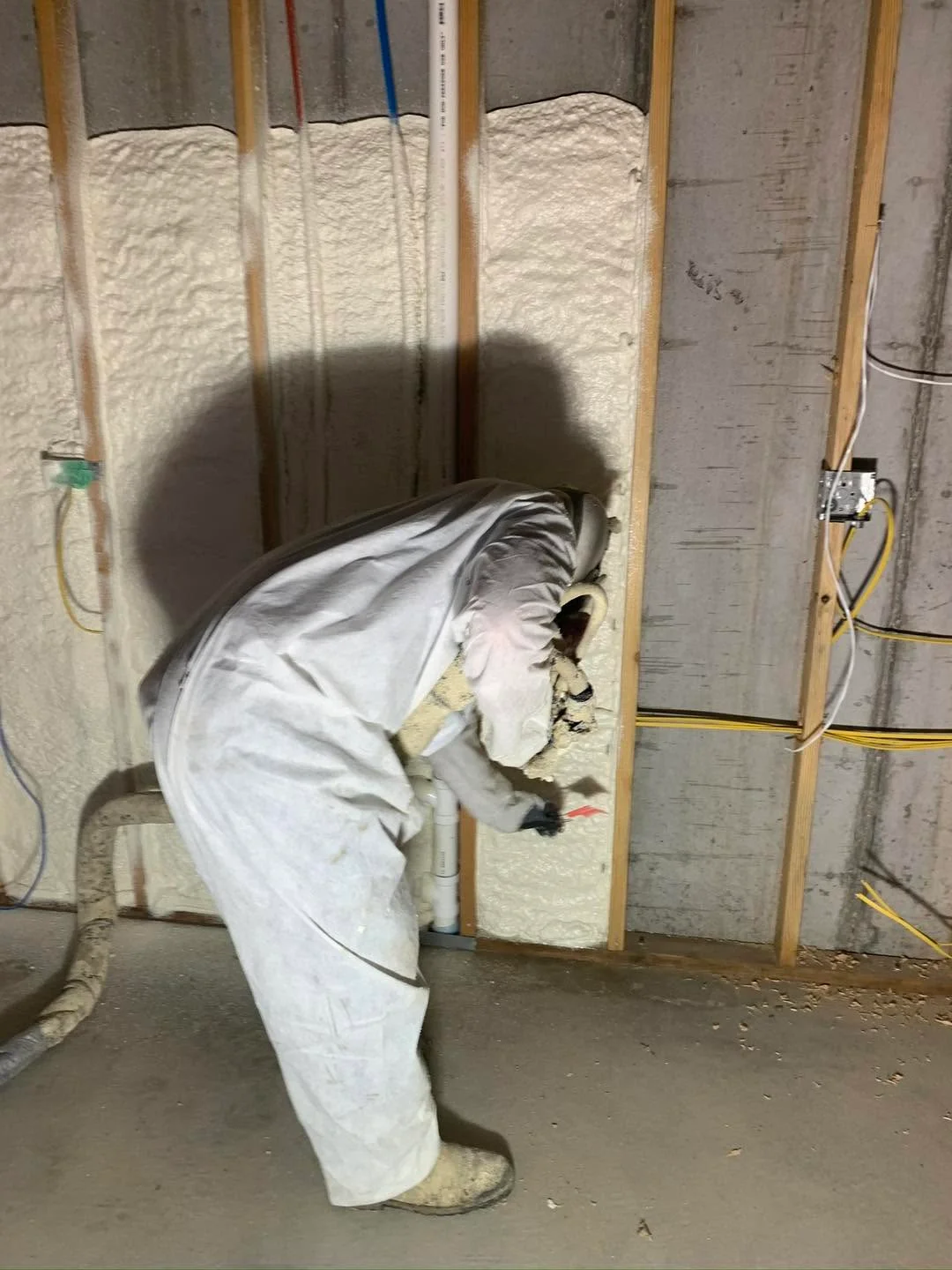
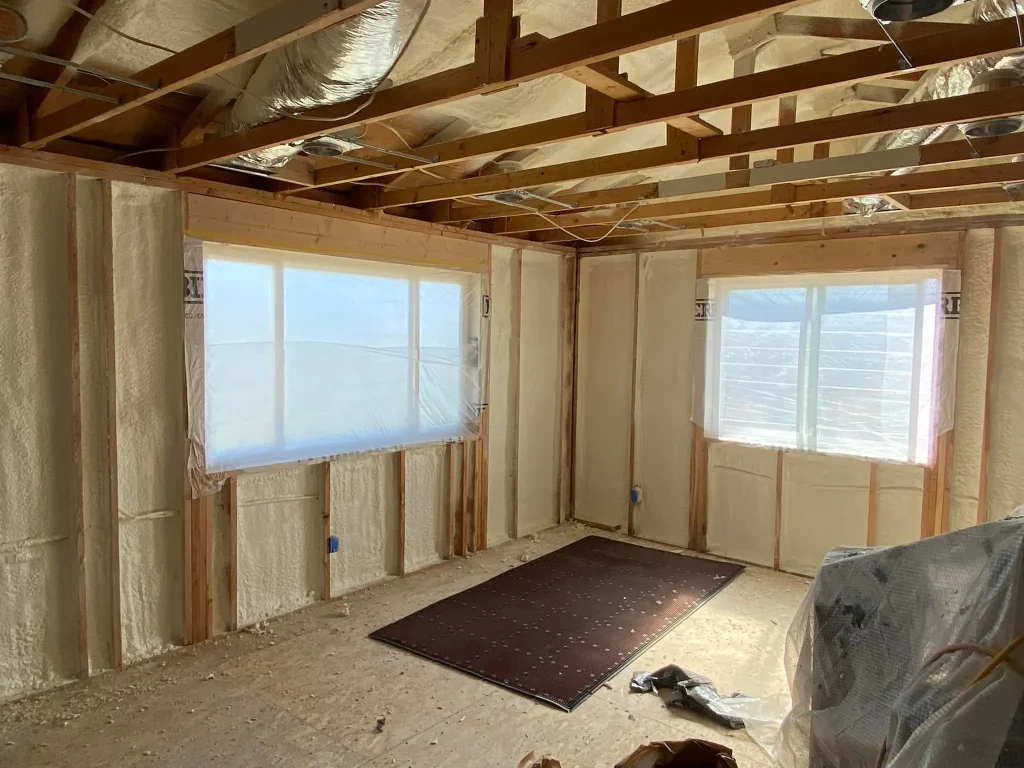
Spray foam insulation starts as a liquid mixture of two chemical components that are combined at the application nozzle. When sprayed, the material expands rapidly and hardens into a solid foam that conforms to the shape of any cavity. This expansion is what sets spray foam apart from fiberglass batts, mineral wool, and loose-fill cellulose. While traditional insulation materials are cut to fit between studs and joists, often leaving small gaps and voids, spray foam expands to fill every crack, penetration, and irregular space in the building envelope, providing whole-home insulation protection against air leakage and moisture intrusion.
The Department of Energy explains that insulation works by slowing conductive, convective, and radiant heat flow. U.S. Department of Energy – Insulation. The higher the R-value, the greater the insulating effectiveness. Spray foam achieves high R-values in thinner applications compared to many traditional materials, which matters in wall cavities with limited depth, such as 2×4 framing.
Beyond thermal resistance, spray foam creates an air barrier. The DOE’s air sealing guidance notes that reducing air leakage is a cost-effective way to cut heating and cooling costs, improve durability, and increase comfort. U.S. Department of Energy – Air Sealing Your Home. When spray foam seals and insulates simultaneously, homeowners eliminate the need for separate caulking, weatherstripping, and housewrap steps in many applications.
The two primary types of spray polyurethane foam insulation serve different purposes, and selecting the right one depends on where it will be installed and what performance properties the project requires.
| Property | Open Cell Spray Foam | Closed Cell Spray Foam |
|---|---|---|
| Density | Low density, spongy texture | High density, rigid structure |
| R-Value per Inch | Approximately R-3.5 to R-3.7 | Approximately R-6 to R-7 |
| Air Barrier | Yes, when applied at the proper thickness | Yes, acts as both an air and a vapor barrier |
| Moisture Resistance | Absorbs water, not for below-grade use | Resists moisture and water infiltration |
| Expansion | Expands significantly to fill cavities | Expands less but denser |
| Sound Dampening | Excellent acoustic properties | Good, but less effective than open cell |
| Best Applications | Interior walls, attics, and ceiling cavities | Basements, crawlspaces, exterior walls, and metal buildings |
According to the DOE’s insulation materials guide, closed-cell foam has a greater R-value and provides stronger resistance against moisture and air leakage, while open-cell foam is lighter and less expensive but should not be used below ground level. U.S. Department of Energy – Insulation Materials. For Thayne homeowners, closed-cell foam is often the preferred choice for rim joists, foundation walls, and any area exposed to moisture, while open-cell foam performs well in above-grade wall cavities and vented attics.
The financial return on spray foam insulation comes from measurable energy savings over time. The DOE states that unless your home was specially constructed for energy efficiency, you can probably reduce your energy bills by adding more insulation, and even adding insulation to a newer home can pay for itself within a few years. U.S. Department of Energy – Adding Insulation to an Existing Home.
For Thayne homes, where winter temperatures can drop significantly, and heating systems work hard for months at a time, the combination of high R-value insulation and air sealing is especially impactful. Every gap, crack, and penetration that spray foam seals means less conditioned air escaping and fewer drafts entering the living space. Over a typical heating season, those small reductions compound into meaningful savings on utility bills.
Beyond monthly energy costs, spray foam contributes to long-term value in several ways:
Attics are one of the most common sources of energy loss in any home. Heat rises and escapes through poorly insulated attic floors, and in the summer, radiant heat from the roof transfers into living spaces below. Spray foam applied to the attic floor or roofline seals air leaks around penetrations, ductwork, and framing while providing high thermal resistance. For Thayne homes with existing insulation that has settled, compressed, or been damaged by pests, spray foam can be installed after insulation removal to restore full thermal performance.
Many Thayne properties include pole barns, workshops, and outbuildings that are used year-round but lack adequate insulation. Spray foam is particularly effective for these structures because metal buildings and pole barns have numerous air leaks at seams, joints, and around doors and windows. Closed-cell spray foam applied to walls and ceilings seals those leaks, adds structural rigidity, and creates a comfortable, conditioned space for work, storage, or livestock. Working with experienced spray foam contractors ensures these benefits are fully realized in demanding Wyoming conditions.
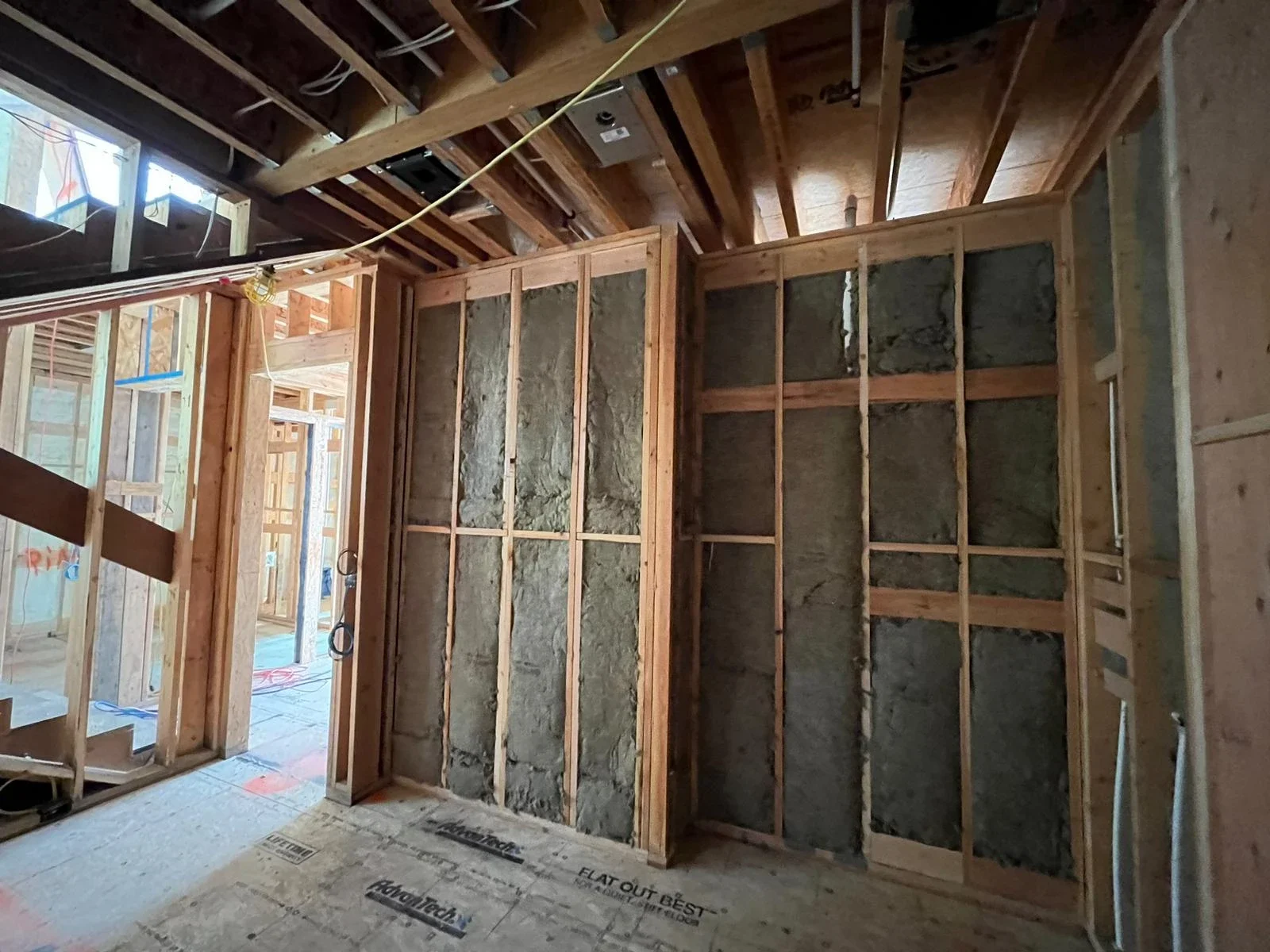
Older homes in Thayne often have little more than fiberglass batts in wall cavities, with significant gaps around electrical boxes, plumbing penetrations, and window framing. Spray foam can be injected into existing wall cavities through small access holes, expanding to fill voids that traditional insulation left behind. This retrofit approach is especially effective when combined with attic air sealing, creating a more complete building envelope without major renovation.
Choosing the right installer matters as much as choosing the right material. Here are the qualities that separate experienced professionals from the rest:
High Country Solutions provides professional spray foam insulation services for homes, pole barns, and commercial buildings throughout the Thayne area. Our experienced team assesses each project individually, recommends the right foam type for your specific needs, and delivers clean, efficient installations that perform for years to come. Whether you are building new, retrofitting an older home, or insulating an outbuilding, we handle every project with the attention to detail it deserves.
Request a Quote | Schedule an Insulation Assessment
Call us at (307) 248-9063 or email [email protected] to get started. Our team is ready to help you make your Thayne home more comfortable, energy efficient, and durable with the right spray foam solution.
Properly installed spray foam insulation is designed to last the lifetime of the building. The material does not settle, compress, or degrade over time like some loose-fill insulation types.
Because spray foam creates such an effective air barrier, some homes may need updated mechanical ventilation to ensure adequate fresh air intake. Your installer should assess this during the initial evaluation.
In some cases, spray foam can be applied over existing insulation, but it depends on the condition and type of the existing material. An assessment of the current insulation is needed before determining the best approach.
There may be a temporary odor during and immediately after application while the foam cures. Proper ventilation during the curing period typically resolves this within 24 to 48 hours.
Attics, rim joists, crawlspaces, basement walls, and exterior wall cavities typically show the greatest improvement. Pole barns and metal buildings also benefit significantly from spray foam’s air sealing and insulation properties.