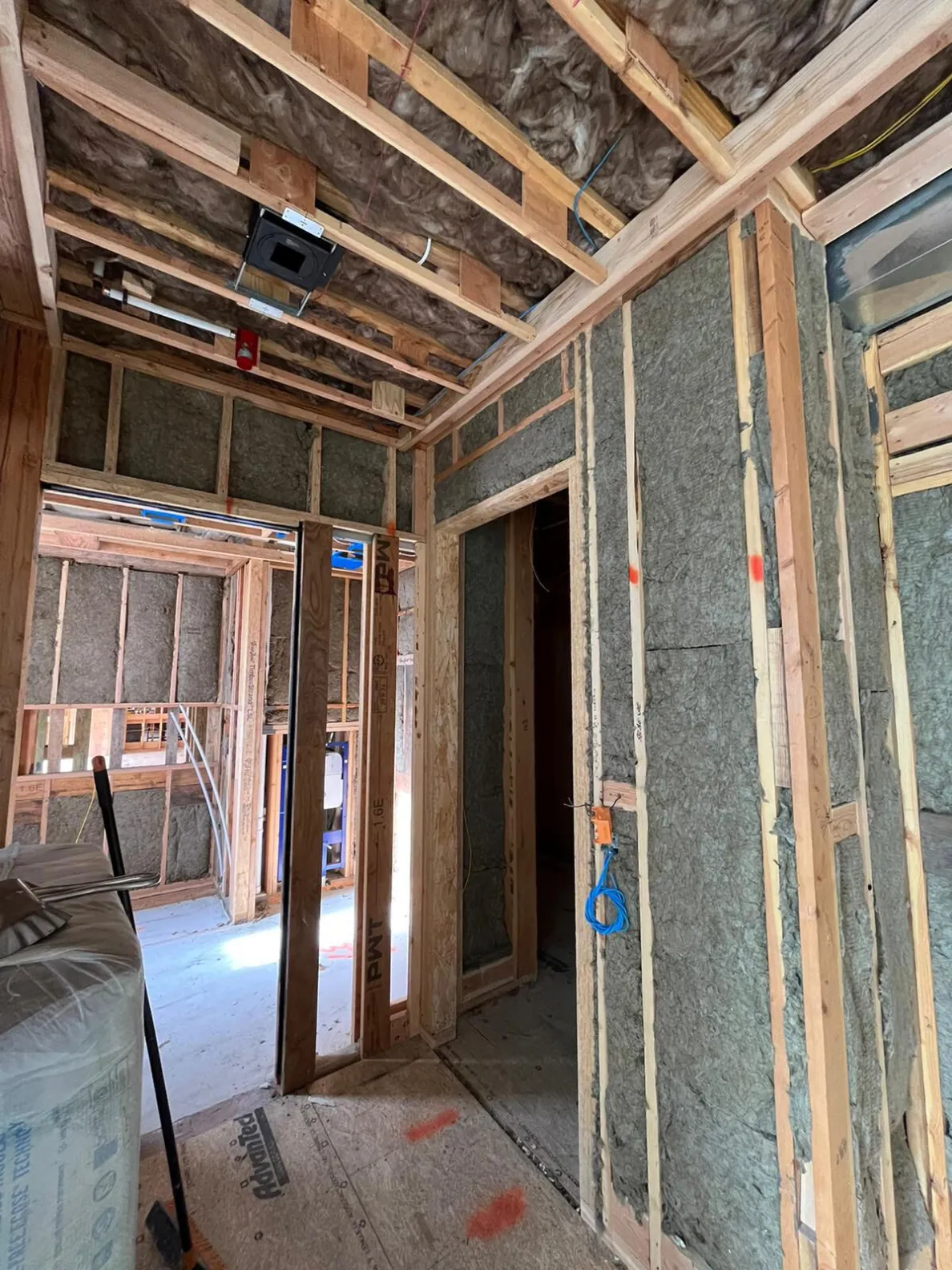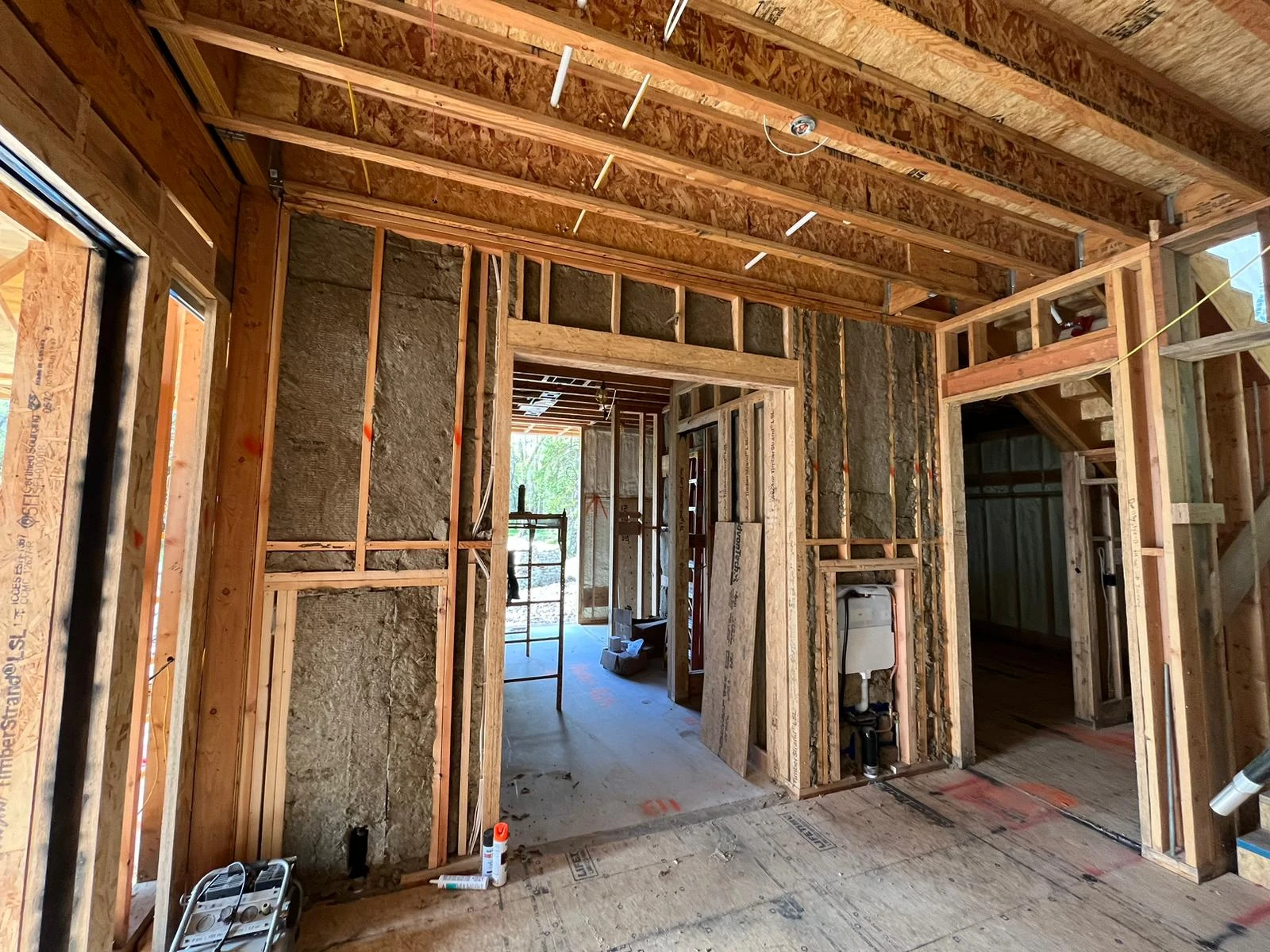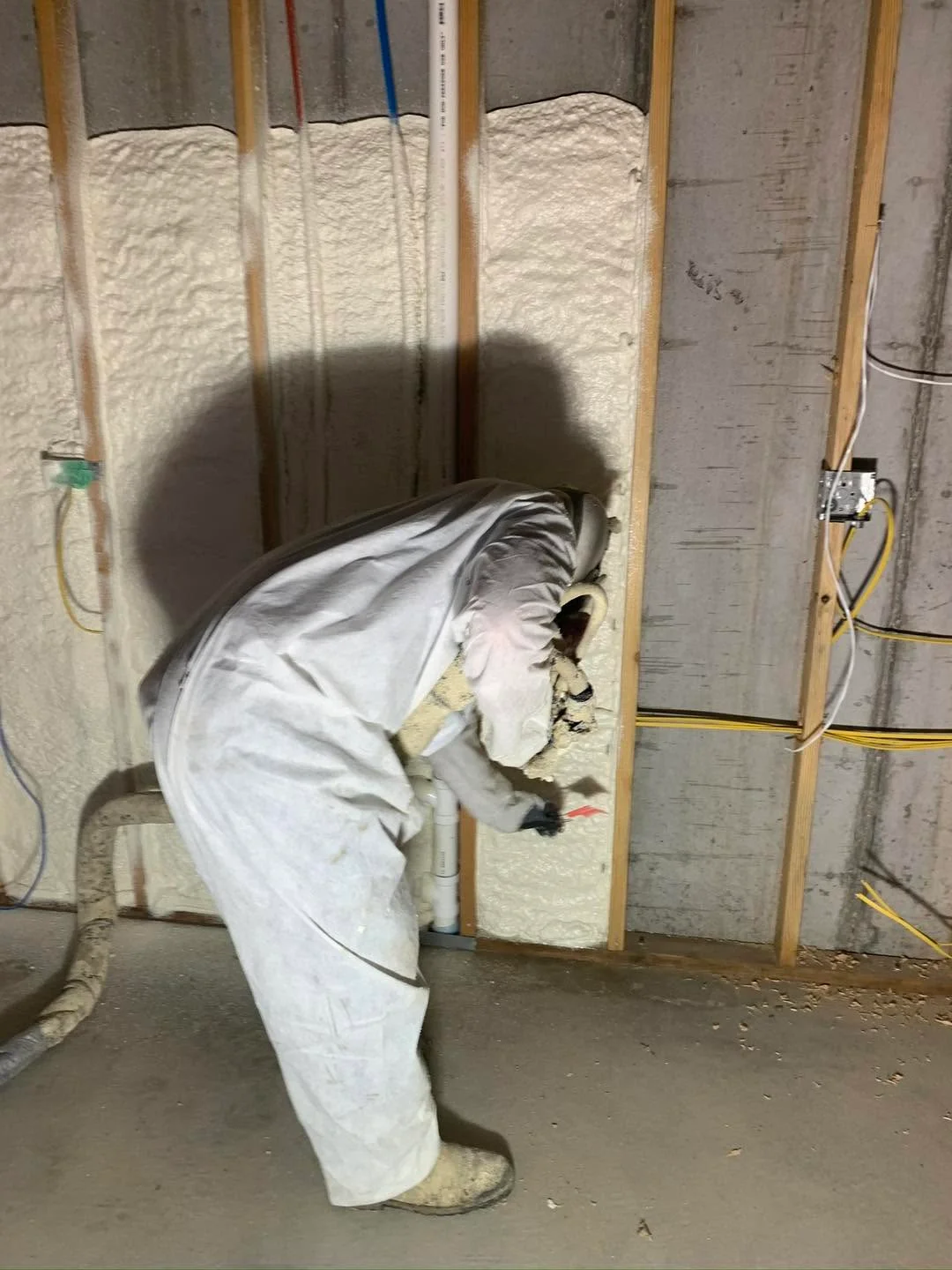
Is Spray Foam Insulation a Good Choice for Homes in Cold and Changing Climates in Alpine, WY?
Yes, spray foam insulation is an excellent choice for homes in Alpine, WY, provided you choose the right material and…


Yes, spray foam insulation is an excellent choice for homes in Alpine, WY, provided you choose the right material and ensure professional application. Spray foam insulation protection is especially important in Alpine’s challenging climate, where significant temperature swings and high-altitude weather patterns can affect home comfort. Using the correct material, specifically closed-cell spray foam, creates a high-performance barrier that helps keep homes comfortable and structurally sound in cold climates.
Alpine’s climate presents a specific set of hurdles for residential building envelopes. According to the Building Science Corporation, managing moisture in cold and spray foam insulation for changing climates is just as important as preventing heat loss. When you live in an area that regularly experiences harsh winters and significant temperature fluctuations, your home’s insulation must do more than just resist heat transfer.
It must also manage vapor pressure. In cold climates, warm air from inside your home carries moisture toward the exterior. If this air leaks into your wall cavities or attic, it hits cold surfaces, condenses, and can lead to mold or structural rot. Alpine homes deal with these freeze-thaw cycles consistently, which makes air sealing a mandatory part of any residential spray foam insulation strategy in Alpine, WY.
Not all insulation performs the same way. The two primary types, open-cell and closed-cell, have different physical properties that dictate how they behave in a mountain environment.
| Feature | Open-Cell Foam | Closed-Cell Foam |
|---|---|---|
| Density | Lightweight, spongy | Dense, rigid |
| Vapor Barrier | Permeable (allows moisture) | Impermeable (blocks moisture) |
| R-Value | Lower (approx. R-3.5 per inch) | Higher (approx. R-6 to R-7 per inch) |
| Best Use | Interior wall soundproofing | Exterior walls, roofs, basements |
Open-cell foam acts like a giant sponge. While it is good at filling gaps, it allows moisture to pass through unless it is paired with an additional vapor retarder. In a climate like Alpine, that is often a recipe for trapped moisture. Closed-cell foam, however, is a high-density material that acts as both an air barrier and a vapor barrier in one application.
For most spray foam insulation for homes in Alpine, WY, closed-cell spray foam is the superior choice because it addresses the two biggest threats: energy loss and moisture damage.
Because closed-cell foam is rigid, it also adds structural reinforcement to the wall assembly. This is particularly valuable in high-altitude areas where structures may face significant wind loads or heavy snow accumulation on roofs. By sealing every crack and crevice, closed-cell foam prevents the stack effect, where warm air escapes through the top of your house, pulling cold, dry air in at the bottom. This continuous seal is the most effective way to maintain consistent indoor temperatures when the mercury drops well below freezing outside.
Many homeowners worry that they have to wait for summer to insulate, but you can successfully install insulation in Alpine during the winter. It requires a spray foam insulation contractor in Alpine, WY, who uses specialized equipment and understands how to handle materials in sub-zero temperatures.
Professional crews use winter-grade chemical blends designed to react properly even when the ambient air is cold. The most important factor is the temperature of the substrate, the wood or metal surface where the foam is being sprayed. If the substrate is too cold, the foam will not bond correctly. Installers use heaters and specialized rig settings to ensure the surfaces are at the correct temperature before they begin. As long as the team has the right experience with mountain-climate installations, winter projects are perfectly viable.
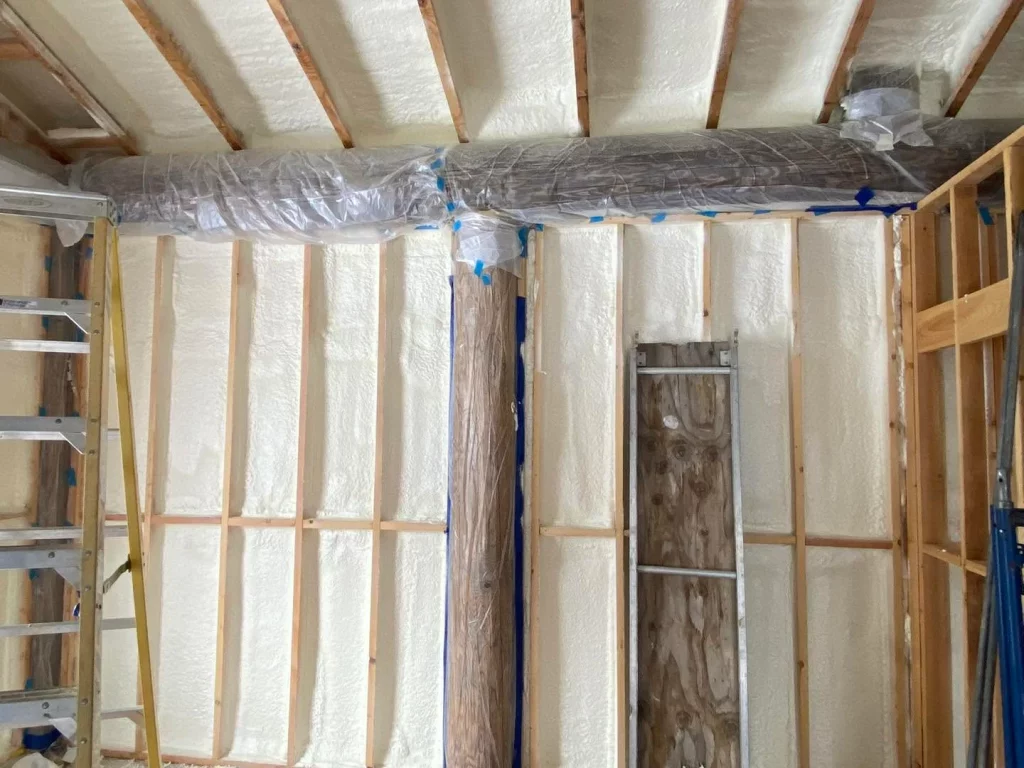
Insulation is an upfront cost, but in Alpine’s severe winters, it functions as a long-term investment. Homes with poor insulation lose heat rapidly, which forces your heating system to run longer and work harder.
When you eliminate air leaks with closed-cell foam, you are not just hitting a target R-value; you are significantly lowering the heating load of the building. Over time, the energy savings often offset the higher initial price compared to traditional materials like fiberglass. Additionally, because the foam does not settle or sag over time, you avoid the performance degradation that eventually affects loose-fill or batt insulation.
There are a few myths that persist about spray foam that often confuse homeowners during the planning stage.
The effectiveness of spray foam insulation is heavily dependent on the person behind the gun. Even the best closed-cell foam will fail if it is applied too thin, if the mixing ratio is incorrect, or if the installer misses hidden gaps in the framing.
High Country Solutions specializes in the specific demands of the Alpine, WY climate. We understand the building codes and the environmental conditions that make our local homes unique. Whether you are insulating a new build or looking to upgrade an existing home that feels drafty during the winter, we have the experience to ensure your insulation provides the energy efficiency and protection you need.
If you are ready to stop heat loss and improve your home’s comfort, contact us at (307) 248-9063 or email [email protected] to discuss your project.
Yes, when installed by trained professionals following safety protocols. The area is evacuated during spraying and curing, with proper ventilation ensuring safe re-occupancy shortly after.
Most residential projects are completed within one to three days. The timeline depends on the total square footage and the complexity of the home architecture.
Yes, it is excellent for basements. Closed-cell foam provides a thermal barrier and is impervious to moisture that often migrates through concrete in alpine climates.
Yes, by sealing air leaks and providing high R-value insulation, it significantly reduces heat loss, which allows your furnace to run less during severe winters.
Closed-cell foam acts as a vapor barrier and adds structural strength, both of which are critical for preventing moisture buildup and rot in cold climates.