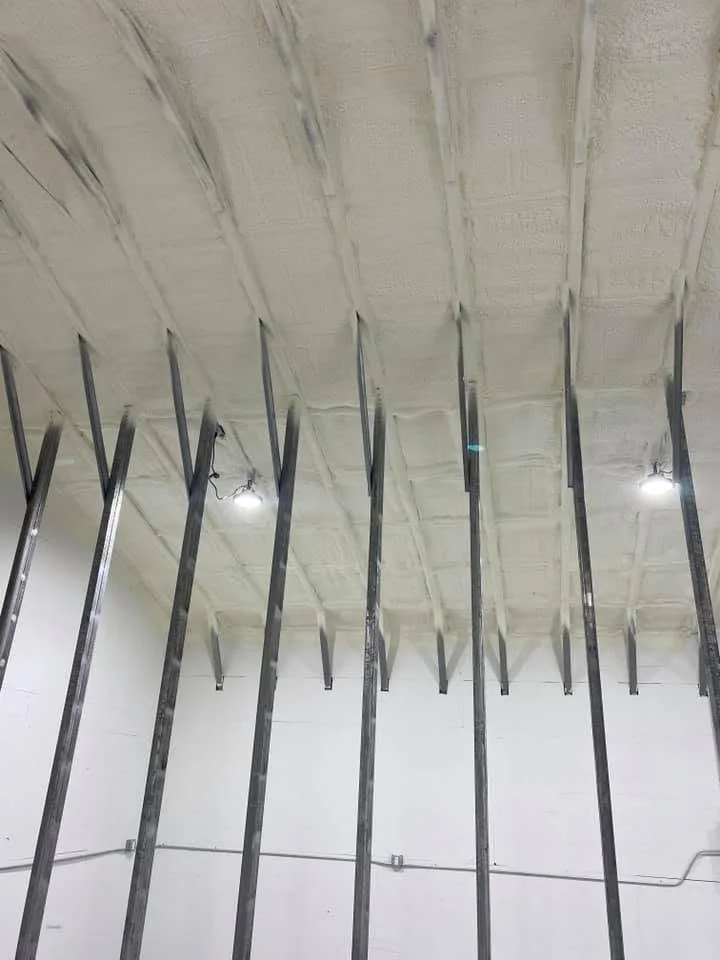
Health Risks Associated with Old or Contaminated Insulation
Skeeter Aimone
September 26th, 2025
Can old insulation make you sick? In many homes, the honest answer is yes. Insulation Homeowners Guide explains common insulation concerns and what property owners should consider when dealing with aging materials. Aging materials such as asbestos, mold, and fiberglass break down over time and shed fibers or spores into the air your family breathes every day. That contact can trigger breathing trouble, skin reactions, and, with years of exposure, lasting lung disease. Humid weather makes things worse by feeding mold growth inside damp attics and wall cavities. A prompt inspection and removal of suspect material stops a small problem before it turns into a medical one.
This guide walks through the biggest risks, the warning signs, and the practical steps that protect your household. Years of our field inspections show contamination turning up most often in homes built before 1980. The same worry fills community boards on Reddit and Quora, where homeowners describe itchy arms after attic visits, musty smells after storms, and coughs that clear up the moment they leave the house.
Common Old Types of Insulation That Cause Problems
Plenty of older neighborhoods still run on insulation installed decades ago, and a handful of old insulation types show up again and again in homes built before 1980. Asbestos appeared in insulation products until the late 1970s, blended in for fire resistance. Vermiculite, a pebble-like pour-in material, filled countless mid-century attics, and much of it came contaminated. The U.S. Environmental Protection Agency explains that a single mine near Libby, Montana supplied more than 70 percent of the vermiculite sold in America between 1919 and 1990, and that supply carried asbestos, often under the Zonolite brand. Fiberglass batts, still common today, shed irritating particles as they settle and age. Cellulose, made from shredded recycled paper, soaks up moisture and grows mold when it stays damp.
A fast way to spot trouble is checking for dusty, crumbly, or gravelly material in the attic. Pebble-shaped gray or silver flakes point to vermiculite. During hot, sticky summers, untreated cellulose packs down and becomes an ideal host for fungus. Bonus tip: Sniff for a musty smell during rainy stretches. That odor usually means moisture is trapped in the insulation, and contaminated insulation is close behind.
Insulation Type
Common Era
Main Health Concern
Climate and Local Factor
Asbestos-based
Pre-1980
Asbestosis, lung cancer, mesothelioma
Humidity speeds fiber release
Vermiculite
1950s-1980s
Hidden asbestos exposure
Common in mid-century ranch homes
Fiberglass
1970s onward
Skin and airway irritation
Dust builds up in stale attics
Cellulose
1980s onward
Mold growth
Soaks up heavy storm moisture
Key Health Risks of Contaminated Insulation
Contaminated insulation carries its own set of health hazards, and each material behaves differently once it starts to break down.
Asbestos fibers scar lung tissue over time. People exposed for years can develop mesothelioma, a rare cancer tied directly to this material. Federal health agencies note there is no known safe level of asbestos exposure, and disease may not appear until decades after contact, with smoking making the risk worse.
Mold in wet insulation releases spores that set off allergies and asthma attacks. Insulation exposure symptoms from mold usually start mild, like a cold that lingers for weeks. Damp indoor spaces are linked to coughing, wheezing, and breathing irritation, according to the Centers for Disease Control and Prevention. Black mold like Stachybotrys spreads fast on soaked cellulose in humid regions. Anyone with a weakened immune system faces the greatest danger.
Fiberglass particles cause immediate itching on the skin and in the eyes, and repeated inhalation can bring on bronchitis-like symptoms. The U.S. Department of Housing and Urban Development tracks hazards in aging housing stock, where older material lingers because renovation rates lag in rural areas. Children and older adults react to exposure fastest. Bonus tip: Watch for unexplained wheezing after anyone spends time in the attic or crawlspace.
Regional and Environmental Factors
Humid, storm-prone regions with thick vegetation deal with constant water damage and high indoor moisture. Residential insulation contractor services can help homeowners address insulation concerns caused by moisture, leaks, and aging materials. Homes thrown up during the post-WWII boom often used asbestos with zero modern safeguards. Storms and roof leaks soak insulation and create hidden mold pockets inside walls.
Building codes updated in the 1990s banned asbestos, but legacy material remains in place. State health departments, including the Arkansas Department of Health, report a steady rise in indoor air quality complaints tied to deteriorating housing. Long, hot summers bake attics and break insulation down faster, releasing contaminants into moving air.
Practical lesson from our inspections: crawlspaces under older homes hide some of the worst contamination, made worse by poor drainage. Cleaning up those spots first cuts overall exposure in a big way.
Things to Consider Before Making a Decision
Start with the age of the house. Structures over 40 years old almost certainly contain outdated material. Factor in family health history, especially allergies or lung conditions, which raise the stakes. Budget for professional lab testing, because DIY kits miss low-level contamination.
Weigh the cost of doing nothing. Medical bills from chronic exposure often outpace removal expenses. Local specialists who understand humidity challenges can pair removal with ventilation upgrades. Safe, modern insulation also boosts resale appeal in any market.
Timing matters too. Book inspections during dry months so disturbed spores do not spread through a wet house. The table below ties each warning sign to a smart first move:
Warning Sign
Likely Source
Health Effect to Watch
Smart First Step
Pebble-like gray flakes in the attic
Vermiculite with asbestos
Scarring, mesothelioma risk
Keep out, book a lab test
Musty smell after rain
Wet cellulose growing mold
Allergies, asthma flare-ups
Fix the moisture source first
Itchy skin, red eyes upstairs
Loose fiberglass fibers
Dermatitis, airway irritation
Wear gloves, goggles, respirator
Brown stains on ceilings
Roof leak soaking batts
Spores entering living space
Open the cavity and inspect
Health Risks Associated with Old or Contaminated Insulation
So, is old insulation dangerous? Only when it is disturbed, degraded, or wet. Sealed, dry material in a vented attic poses far less risk than crumbly debris near duct leaks. Homeowners also ask: can you get sick from insulation without ever touching it? HVAC ducts are the usual path. The first symptoms of insulation exposure often look like a mild cold that never quite goes away, which is why testing beats guessing.
Key Takeaways
For anyone still asking whether old insulation can make you sick, the evidence says the risk is real, especially in homes past the 40-year mark. Old material carries dangers from asbestos, mold, and loose fibers, and breathing takes the hardest hit. Humidity and storm damage make every problem worse. Regular checks and quick action protect long-term health. Judge each house by its build date, its moisture history, and the needs of the people living in it, then match the fix to the actual problem.
Next Steps for Home Safety
Schedule an assessment to find risks hiding in attics or walls. High Country Solutions offers a free quote, so there is no cost to find out where you stand. Reach our team at [email protected] or (307) 248-9063. Start with a walkthrough that pinpoints issues tied to moisture or ventilation, and skip steps you do not need. Contact details above connect you with experienced advice shaped to your home.
Frequently Asked Questions About Insulation Risks
What Insulation Exposure Symptoms Show Up First?
A nagging cough, unexplained fatigue, and skin rashes after handling attic material are the usual early signs.
Is Old Insulation Dangerous Even If Nobody Goes Up to the Attic?
Risk drops but never hits zero, since fibers drift through ceiling penetrations and duct leaks. Lab testing confirms exactly what the material contains.
Can You Get Sick from Insulation Particles Moving Through the HVAC System?
Yes, spores and fibers ride ductwork into every room. Clean the ducts after any removal so contaminants stop circulating.
What Old Types of Insulation Have Safer Modern Replacements?
Closed-cell spray foam and mineral wool handle humidity well and resist mold. Choose products rated for a damp climate.
Is Insulation a Biological Hazard After a Roof Leak or Flood?
Wet cellulose and fiberglass can start growing mold within a day or two, so yes, is insulation a biological hazard becomes a fair question the moment water enters the cavity. Dry it out fast or plan on replacing it.
Is Black Mold on Insulation Dangerous for a Family Living in the Home?
Yes, spores from black mold can trigger allergies, asthma attacks, and infections in people with weakened immune systems.
I’m Skeeter Aimone, owner of High Country Solutions in Alpine, Wyoming, leading the company since 2019. I focus on quality installation, building science, and insulation solutions suited to harsh Wyoming and eastern Idaho conditions.