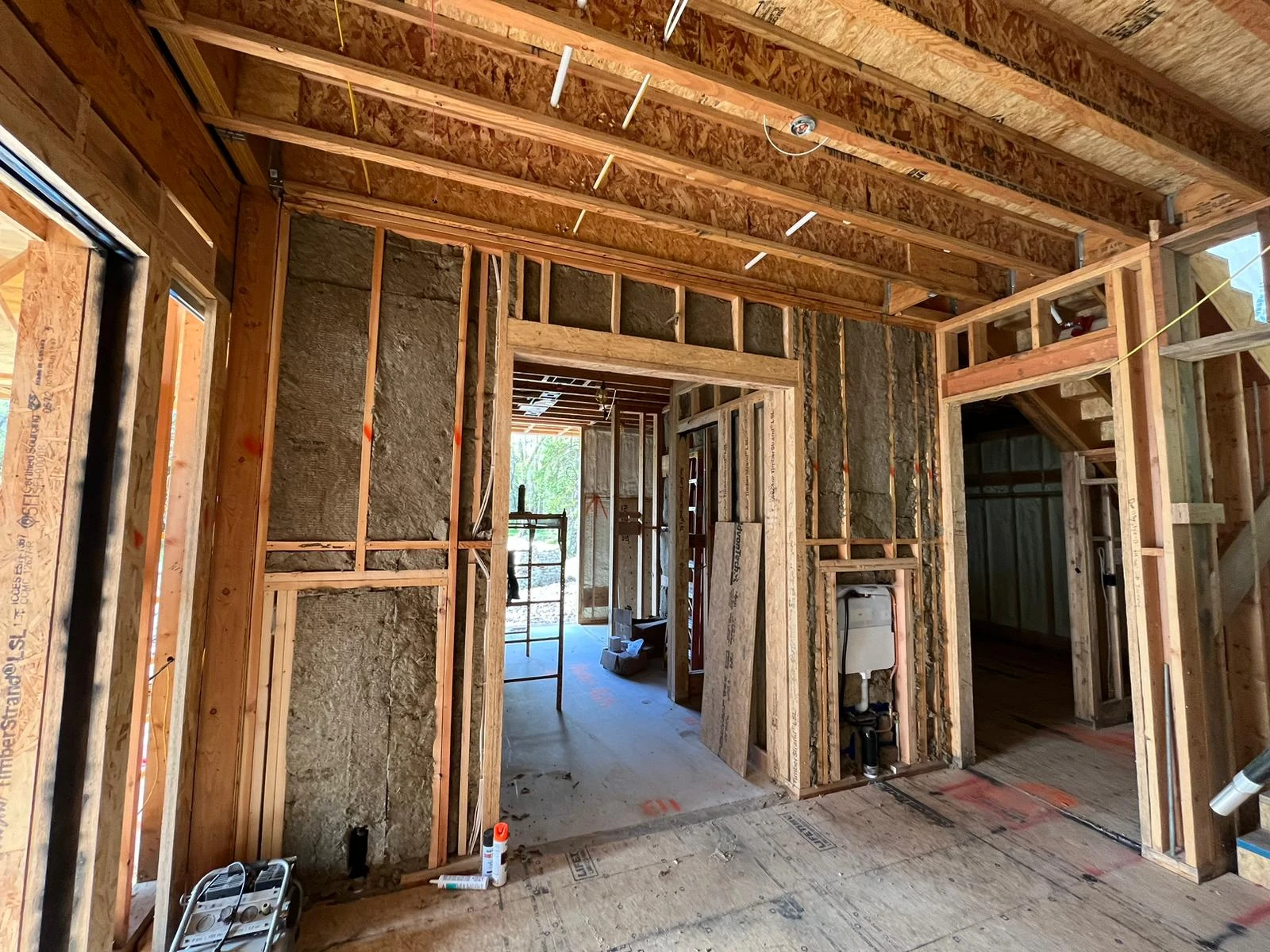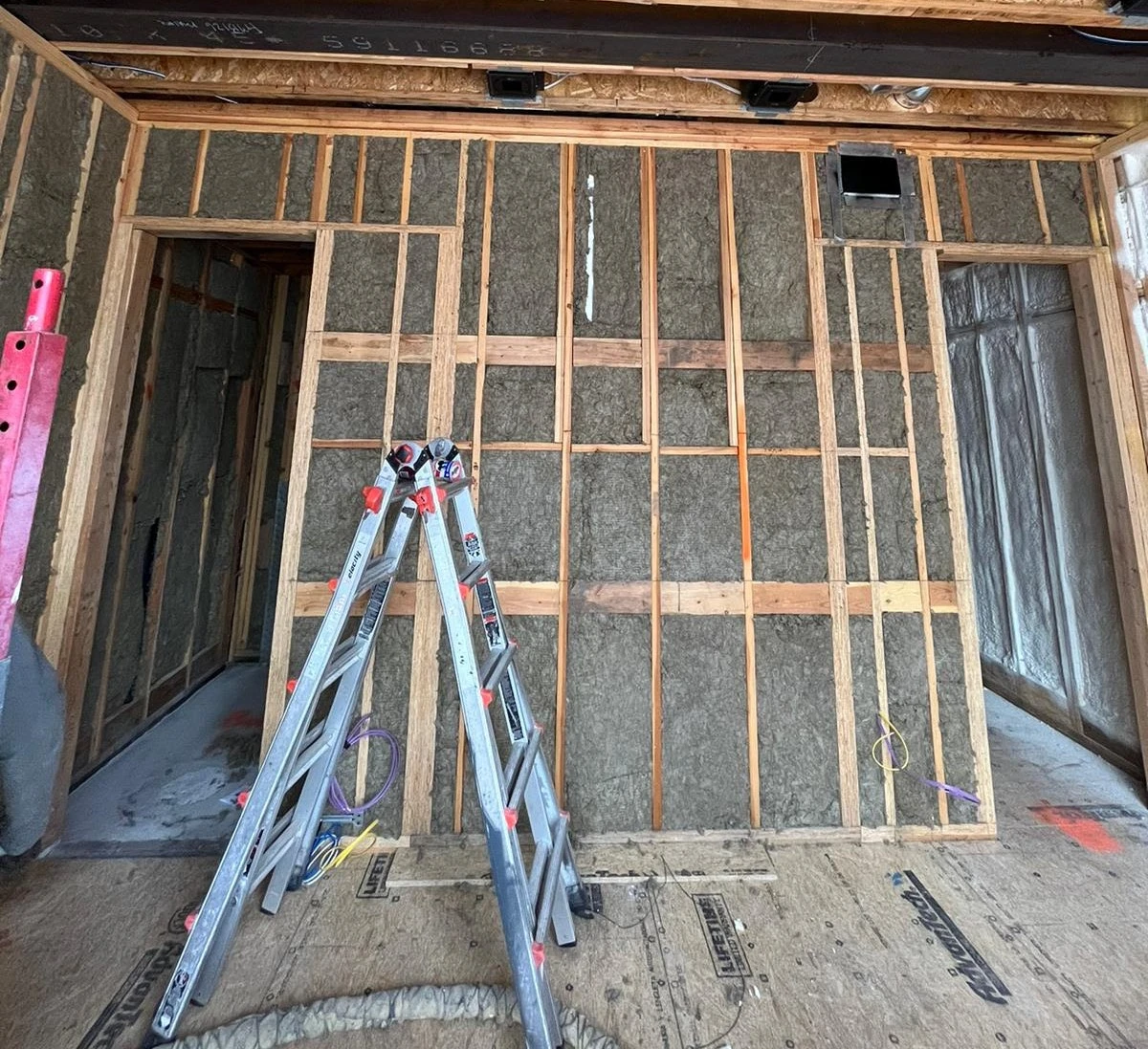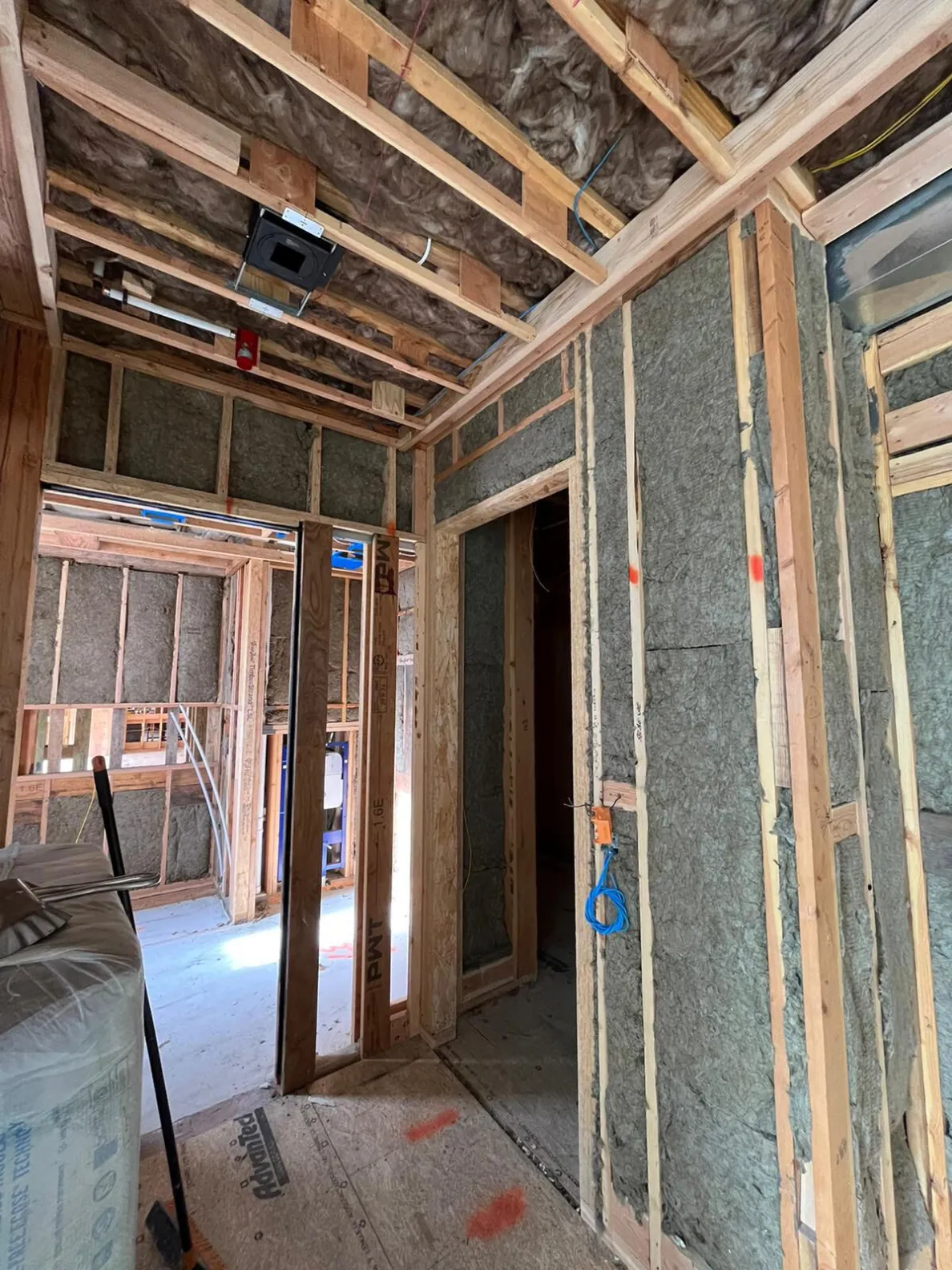
Why Are Homeowners in Thayne, WY Considering Mineral Wool for Insulation Upgrades?
Homeowners in Thayne, WY are turning to a mineral wool insulation guide because Star Valley winters push heating systems to their…


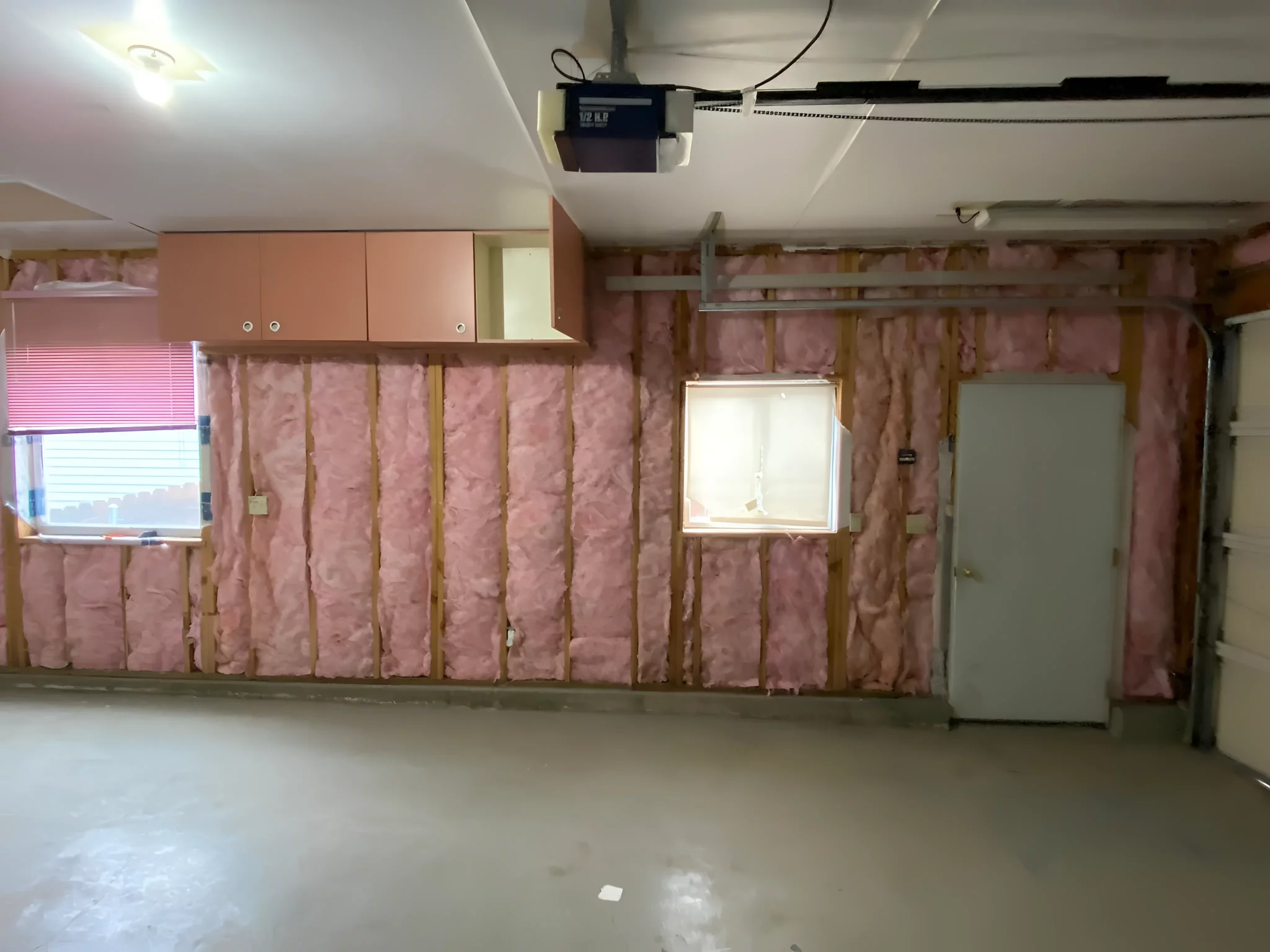
Professional spray foam insulation combines two of the most demanding building science tasks, air sealing and moisture management, into a single continuous application. When applied by trained installers, spray polyurethane foam expands into cracks, gaps, and cavities that traditional insulation materials like fiberglass or cellulose simply cannot reach. According to the U.S. Department of Energy, the liquid-to-expanding foam process fills voids responsible for uncontrolled air leakage, making spray foam’s performance superior to other typical insulation types that are far less able to block airflow. The result is a tighter building envelope, reduced energy loss, and meaningful protection against the moisture-related problems that compromise indoor air quality and structural durability. The right product choice, application method, and climate-specific strategy all factor into how well spray foam delivers on those promises, as covered in this home insulation guide for homeowners.
Air leakage occurs when outside air enters and conditioned air leaves a building uncontrollably through cracks and openings. The Department of Energy’s guide to air sealing describes this as a leading cause of energy waste, comfort complaints, and moisture damage. When humid outdoor air enters a wall cavity during summer or warm indoor air escapes into cold cavities during winter, condensation forms on the first cool surface it reaches. Over time, that hidden moisture degrades insulation, promotes mold growth, and rots structural framing.
Spray foam addresses air leakage at its source. The two-part liquid mixture, consisting of polymeric MDI and a blend of polyol resins, surfactants, fire retardants, and catalysts, is sprayed into cavities where it expands and cures into a solid mass. The expanding foam conforms to irregular shapes, penetrates narrow gaps around plumbing and electrical runs, and bonds to surrounding framing. According to the DOE Building America spray foam guide, both open-cell and closed-cell formulations are excellent at air sealing, a once-overlooked but critical aspect of insulated assemblies.
This air sealing capability is what separates spray foam from conventional materials. Fiberglass and cellulose can slow conductive heat flow, but they do not block air movement through the building envelope. Spray foam does both in a single step.
Most people assume vapor barriers are the primary defense against moisture problems in walls. The DOE’s moisture control guide calls this a myth, noting that vapor barriers only retard moisture due to diffusion, while the vast majority of moisture enters building cavities as water vapor carried by air currents. Air movement accounts for more than 98% of all water vapor movement in building cavities, making thorough air sealing the most effective moisture control strategy available.
Spray foam’s air-impermeable nature directly targets this primary moisture pathway. Once cured, the foam eliminates the cracks, penetrations, and voids that allow humid air to infiltrate. This has a cascading effect: with air leakage eliminated, condensation risk drops dramatically, insulation retains its thermal performance, and structural components stay dry, which also improves the effectiveness of soundproof insulation solutions in Victor, ID.
The DOE’s guide to vapor retarders explains that effective moisture control must include air-sealing gaps in the structure, not just the use of a vapor retarder. Spray foam provides the air sealing component and, depending on the formulation, may also serve as the vapor retarder itself.
The two categories of spray polyurethane foam serve different functions and suit different applications. Understanding their physical properties is essential for selecting the right product.
| Property | Open-Cell SPF | Closed-Cell SPF |
|---|---|---|
| Density | ~0.5 lb/cubic foot | ~2.0 lb/cubic foot |
| R-Value per inch | R-3.6 | R-6.1 |
| Air permeance | Air-impermeable | Air-impermeable |
| Vapor permeance (typical) | 5-10 perms | Less than 1 perm |
| Water absorption | Absorbs and holds liquid water | Hydrophobic, does not absorb |
| Expansion ratio | ~150x original volume | ~35-50x original volume |
| Best for | Wall cavities, cathedral ceilings | Below-grade, band joists, hot-humid climates |
Open-cell foam is lighter, less expensive, and expands to fill larger cavities in a single pass. It air-seals effectively but allows vapor to pass through, which means it can dry in both directions. Closed-cell foam is four times denser, delivers nearly double the R-value per inch, and functions as a vapor retarder at typical installed thicknesses. It is also structurally rigid and has been shown to improve racking strength in wall assemblies.
The same foam product that works well in one climate can cause serious problems in another. The DOE Building America guide provides detailed recommendations based on climate conditions.
Cold climates: Open-cell foam is preferred for frame wall cavities because it air-seals and allows any residual interior moisture to dry outward. However, interior vapor retarders such as vapor-retardant primer or multiple coats of latex paint remain critical. Closed-cell foam is also effective, but its vapor-impermeable nature means wall assemblies cannot dry to the exterior, so a minimum thickness of 1.5 to 2 inches is recommended to keep the interior surface above the dew point.
Hot-humid climates: Closed-cell foam is the preferred choice for frame walls because it provides a vapor-impermeable layer directly behind the exterior sheathing, blocking exterior moisture from entering the cavity. Open-cell foam is acceptable only when exterior drainage planes are well executed and HVAC systems run consistently enough to manage interior dehumidification.
Below-grade and foundations: Closed-cell foam is preferred. Open-cell foam is explicitly not acceptable for below-grade applications because its moisture-permeable nature allows water absorption that can damage finishes and structural components.
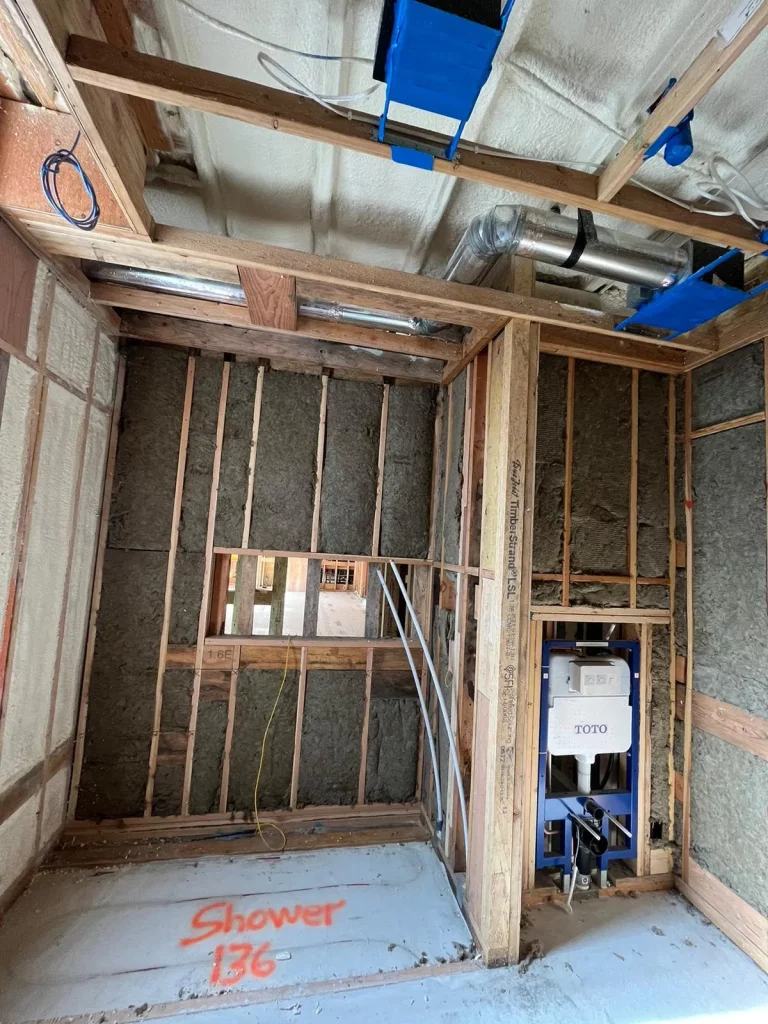
Even high-quality materials underperform when installation errors occur. The most frequent problems we see include:
| Scenario | Recommended Foam Type | Key Considerations |
|---|---|---|
| New construction, cold climate walls | Open-cell or closed-cell | Interior vapor control required with open-cell; drying potential matters |
| New construction, hot-humid walls | Closed-cell preferred | Block exterior moisture; avoid double vapor retarders |
| Basement or crawlspace walls | Closed-cell only | Below-grade moisture resistance is essential |
| Cathedral ceilings, cold climate | Open-cell acceptable, closed-cell preferred | Roof deck vapor control and thermal barrier coverage |
| Attic floor sealing | Either type | Excellent air sealing at penetration points; pair with blown-in insulation |
| Band joist and rim joist | Closed-cell preferred | Small area, high impact on air infiltration; concealed spaces simplify thermal barrier |
| Flash-and-batt hybrid | Closed-cell flash layer | Minimum 1.5 inches in most climates; thicker in extreme cold |
Choosing a professional installation team is as important as selecting the right foam product. Here are indicators of a qualified contractor:
At High Country Solutions, our team provides professional spray foam installation tailored to your building’s specific needs and local climate conditions. We evaluate every assembly, select the right product, and apply it with precision to deliver lasting moisture control and air sealing performance.
Request a Quote | Schedule an Assessment
Contact us at [email protected] or call (307) 248-9063 to discuss your project. Our team is ready to help you build a tighter, drier, and more efficient building envelope.
Closed-cell spray foam at typical thicknesses functions as a Class II vapor retarder, eliminating the need for an additional vapor barrier in most applications. Open-cell foam does not, so supplemental vapor control like vapor-retardant paint may still be required depending on climate zone and assembly design.
Spray foam can be installed in existing homes, particularly in accessible areas like attics, crawlspaces, rim joists, and basements. Wall cavity retrofit requires specific injection methods and is more limited than new construction applications.
Spray foam improves indoor air quality by sealing out humid outdoor air, pollutants, and allergens. However, because it creates a tight building envelope, mechanical ventilation becomes necessary to maintain fresh air circulation and prevent moisture buildup from indoor activities.
Not always. Closed-cell foam offers higher R-value per inch and vapor resistance, but open-cell foam provides better sound damping, lower installed cost, and allows assemblies to dry through vapor diffusion. The best choice depends on the application, climate, and budget.
When properly installed, spray polyurethane foam is a permanent building material that does not settle, sag, or degrade over time. It maintains its air sealing and insulating properties for the life of the building.