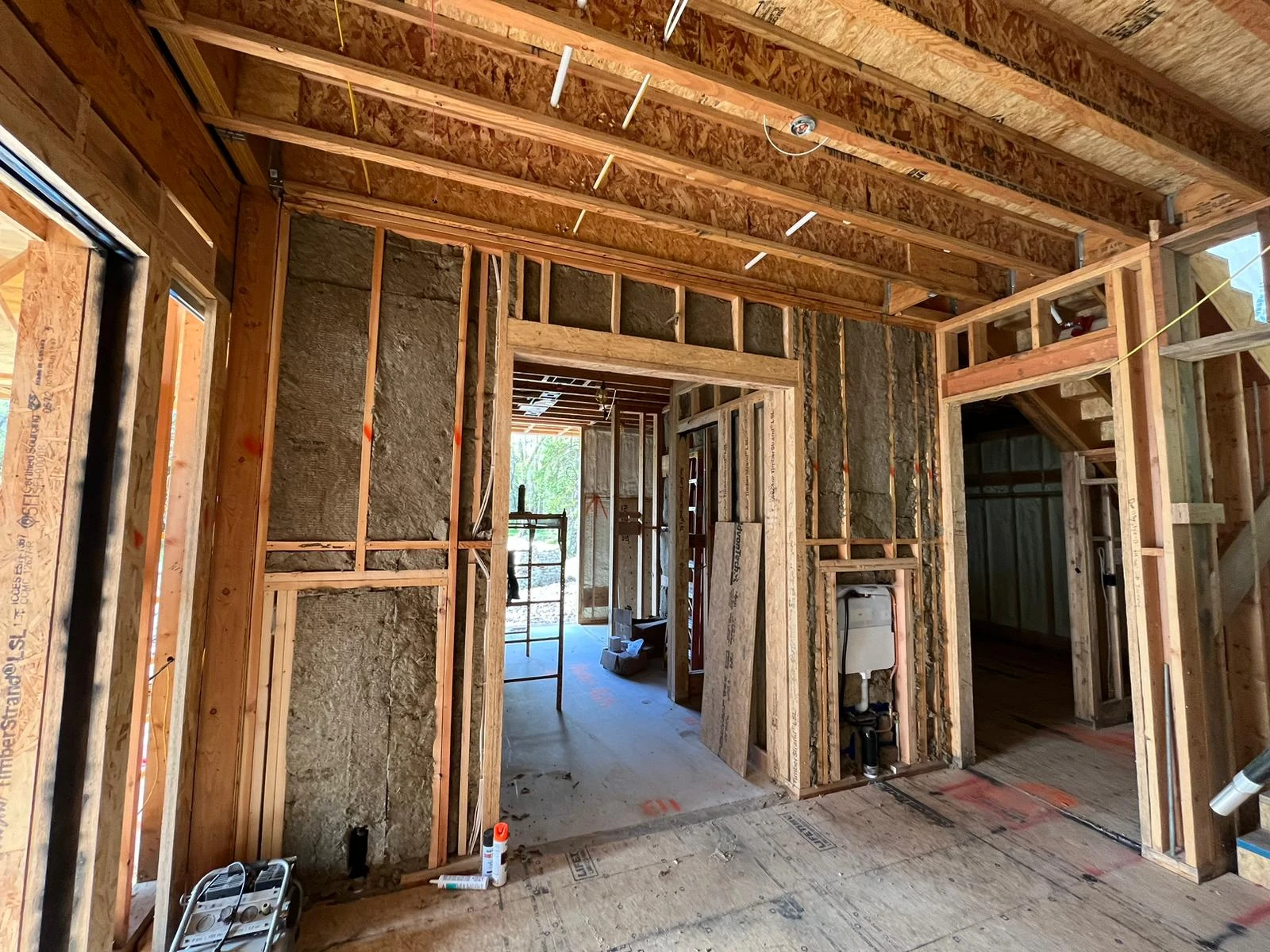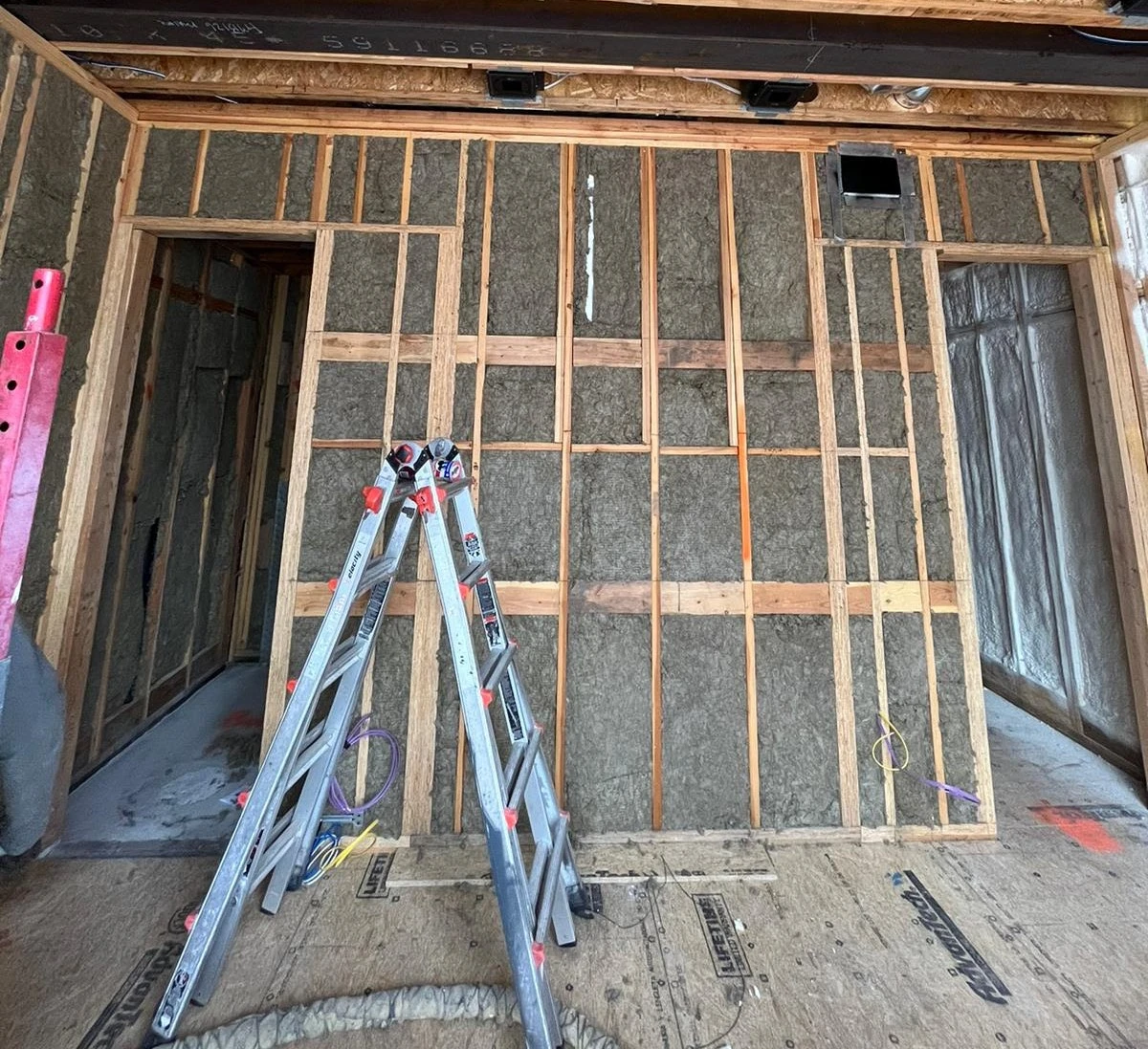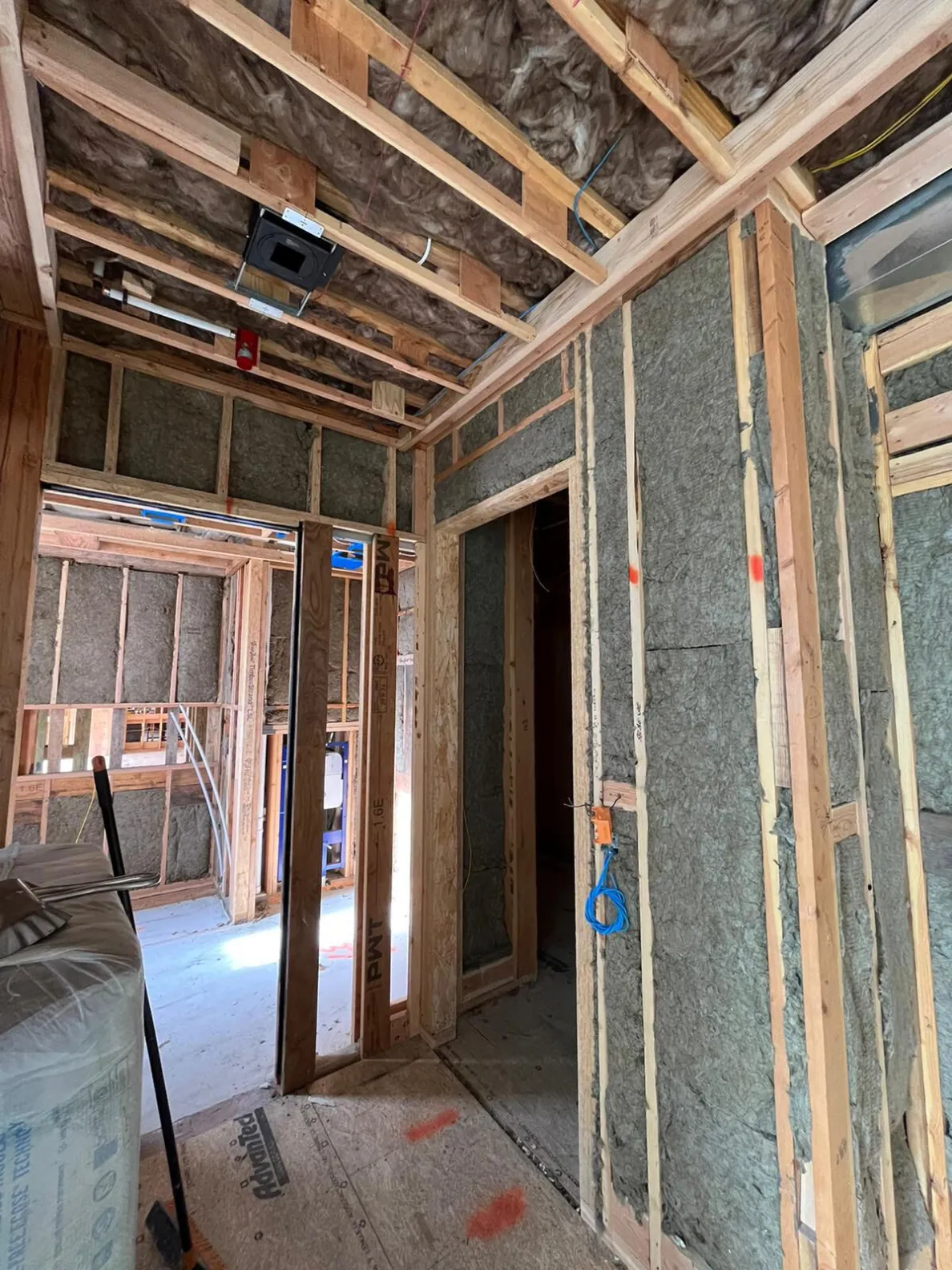
Why Are Homeowners in Thayne, WY Considering Mineral Wool for Insulation Upgrades?
Homeowners in Thayne, WY are turning to a mineral wool insulation guide because Star Valley winters push heating systems to their…


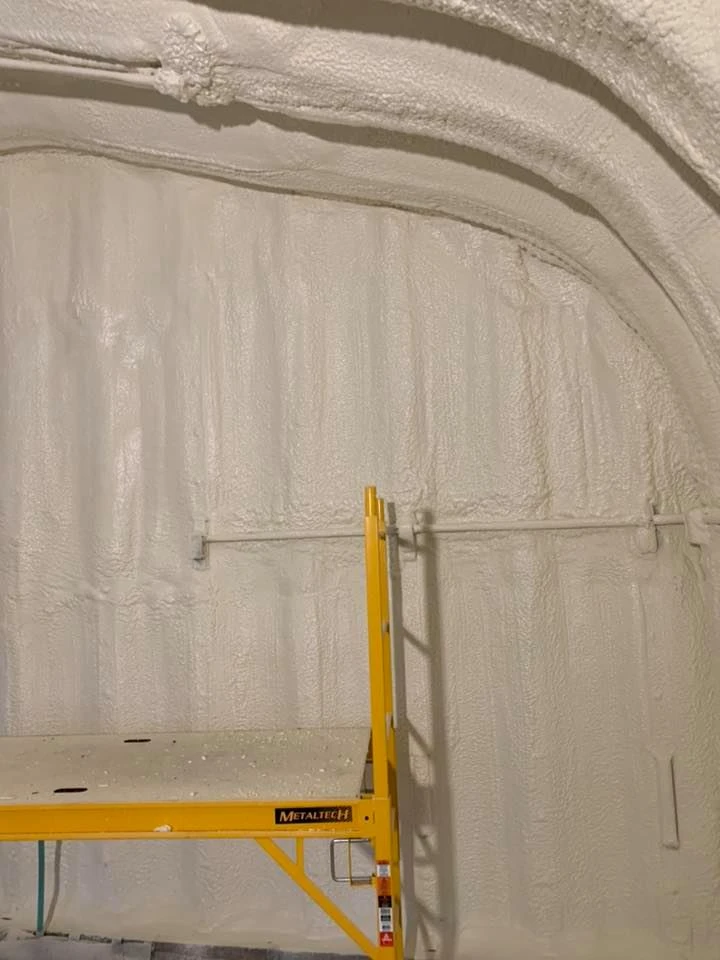
Open-cell spray foam delivers roughly half the R-value per inch of closed-cell foam (approximately R-3.5 to R-3.8 vs. R-6 to R-7 per inch), absorbs moisture rather than blocking it, and expands far more during application, making it better suited for interior cavities and sound-dampening projects. Closed-cell spray foam is denser, acts as a vapor retarder, adds structural rigidity to walls, and packs significantly more thermal resistance into thinner cavities, making it the stronger choice for basements, crawl spaces, exterior sheathing, and any area exposed to moisture. The right pick depends on the building assembly, climate zone, available cavity depth, and whether moisture control is a primary concern. According to the U.S. Department of Energy, closed-cell foam has a greater R-value and provides stronger resistance against moisture and air leakage, while open-cell foam is lighter, less expensive, and should not be used below ground level where it could absorb water, as explained in this open-cell spray foam complete guide.
Both open-cell and closed-cell spray foams are polyurethane-based insulation materials applied as a liquid that expands and cures on contact. The chemical difference comes down to what happens inside each microscopic bubble as the foam cures.
Open-cell foam uses water or carbon dioxide as the blowing agent. As the foam expands, the cell walls rupture, leaving interconnected air pockets. This gives the material a soft, almost spongy texture. Because the cells are filled with ordinary air, the R-value stays stable over the life of the insulation and does not experience thermal drift. The DOE notes that low-density, open-cell foams are similar to conventional polyurethane but more flexible and vapor-permeable.
Closed-cell foam uses a low-conductivity gas (such as HFC-245fa) as the blowing agent. The cells remain intact and sealed, trapping the gas inside. This is what gives closed-cell foam its higher R-value per inch, its rigidity, and its moisture resistance. However, the DOE explains that the R-value of closed-cell polyurethane can drop over time as some of the low-conductivity gas escapes and air replaces it, a process called thermal drift. Most of this drift occurs within the first two years, after which the R-value stabilizes.
| Performance Factor | Open-Cell Spray Foam | Closed-Cell Spray Foam |
|---|---|---|
| R-Value per Inch | ~R-3.5 to R-3.8 | ~R-6 to R-7 |
| Density | 0.4 to 1.2 lbs/ft³ | 1.5 to 3.0 lbs/ft³ |
| Vapor Permeability | Vapor-permeable (breathable) | Acts as vapor retarder at ~1.5 to 2 inches |
| Moisture Resistance | Can absorb water; not for below-grade use | Hydrophobic; blocks liquid water intrusion |
| Expansion Ratio | 100 to 120x original volume | 30 to 35x original volume |
| Structural Strength | None | Can double or triple wall racking strength |
| Sound Attenuation | Superior sound absorption | Moderate sound dampening |
| Air Sealing | Excellent | Excellent |
| Thermal Drift | None (air-filled cells) | Moderate (first 2 years) |
| Ideal Cavity Depth | Needs deeper cavities for equivalent R-value | Achieves high R-value in thin cavities |
Open-cell foam excels in above-grade wall cavities, cathedral ceilings with adequate depth, and bonus rooms where sound transmission between spaces is a concern. Its expansion rate means it fills irregular cavities and hard-to-reach voids thoroughly, sealing air leaks that traditional batt insulation often misses. Because it is vapor-permeable, it allows any trapped moisture in the wall assembly to dry through the insulation rather than trapping it against the framing, as discussed in this open-cell vs closed-cell spray foam interior guide.
In spaces where cavity depth is not a constraint, open-cell foam provides excellent air sealing and sound attenuation at a lower material cost. It is a strong choice for interior partition walls between living spaces and mechanical rooms, and for attic floor applications in mixed-humid climates where drying potential matters.
Closed-cell foam is the better choice whenever the building assembly encounters moisture, whether from ground contact, flooding risk, or high indoor humidity in cold climates. At approximately 1.5 to 2 inches of thickness, closed-cell foam functions as a Class II vapor retarder as defined by the International Residential Code, which helps prevent condensation within wall and ceiling assemblies.
In basement rim joists, crawl space walls, and below-grade applications, closed-cell foam provides both thermal insulation and a moisture barrier in a single application. Its structural reinforcement is an additional benefit in wall assemblies, where studies have shown it can double or triple racking strength. For buildings with 2×4 framing in colder climate zones, closed-cell foam can achieve required R-values within the limited cavity depth, something open-cell foam cannot match.
ENERGY STAR’s recommended R-values by climate zone show that colder regions (Zones 5 through 8) may require R-19 to R-30 in floor assemblies, which makes closed-cell foam’s higher R-value per inch particularly valuable where cavity space is limited.
Both open-cell and closed-cell spray foam require professional installation. The EPA classifies spray polyurethane foam into categories that all require personal protective equipment, including supplied-air respirators, eye protection, and chemical-resistant clothing. The isocyanates in Side A of the foam chemistry are highly reactive and can cause asthma, sensitization, and lung damage if inhaled during application.
NIST research published in Building and Environment found that flame retardants such as TCPP are present in measurable concentrations in indoor environments after application, and that proper ventilation and isolation of the spray area are essential for occupant safety. The EPA recommends establishing enclosures to isolate the spray area, using fans to direct airflow across the spray zone, exhausting filtered air outside the building, and continuing ventilation after application.
After installation, all spray foam must be covered with an approved thermal barrier, typically half-inch gypsum board, to meet fire code requirements. Building occupants should not re-enter the space until the manufacturer-recommended curing time has passed, which is typically at least 24 hours.
| Scenario | Property Type | Recommended Option | Key Reasoning |
|---|---|---|---|
| Basement rim joist insulation | New construction home in Climate Zone 5 | Closed-cell | Moisture resistance, vapor retarder, high R-value in shallow rim joist cavity |
| Interior partition walls between offices | Commercial office build-out | Open-cell | Superior sound absorption, lower material cost for large wall area |
| Unvented attic assembly | Existing home retrofit in Climate Zone 4 | Closed-cell | Vapor retarder prevents condensation on roof sheathing, thin cavity depth |
| bonus room over garage | New construction residential | Open-cell | Fills irregular framing, seals air leaks, dampens sound from garage below |
| Crawlspace encapsulation | Existing home with moisture issues | Closed-cell | Hydrophobic properties block ground moisture and humidity |
| Cathedral ceiling with deep rafters | Custom home in Climate Zone 6 | Either, depending on rafter depth | Open-cell if 10+ inches of depth available; closed-cell if rafter depth is limited |
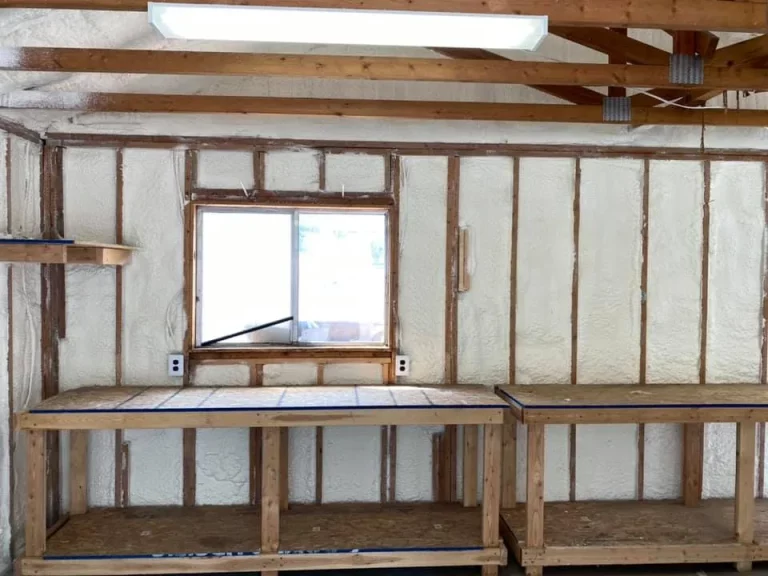
Open-cell spray foam is a good fit when:
Open-cell spray foam is NOT a good fit when:
Closed-cell spray foam is a good fit when:
Closed-cell spray foam is NOT a good fit when:
Choosing between open-cell and closed-cell spray foam is not a one-size-fits-all decision. Our team at High Country Solutions evaluates every project’s climate zone, building assembly, cavity depth, moisture exposure, and budget before recommending a specific foam type and application method. We handle residential and commercial projects from initial assessment through professional installation, using certified applicators and full PPE to ensure both performance and safety.
Call us at (307) 248-9063 or email [email protected] to discuss your project. We will identify the right foam type for your building and provide a detailed scope of work before any material touches your walls.
No. Open-cell foam is vapor-permeable and can absorb water, which makes it unsuitable for below-grade or moisture-prone applications. Closed-cell foam should be used in basements and crawlspaces.
At approximately 1.5 to 2 inches of thickness, closed-cell foam typically qualifies as a Class II vapor retarder under the IRC. However, some building codes may require additional vapor retarder depending on the climate zone and assembly, so always verify local code requirements.
Most manufacturers recommend a minimum of 24 hours before re-occupancy without PPE. NIST research shows that chemical concentrations, including flame retardants, can remain elevated for hours to days depending on ventilation, application volume, and foam type.
Yes, and this is common on well-designed projects. Closed-cell is often applied to moisture-prone areas like basements and rim joists, while open-cell is used in above-grade wall cavities and sound-control applications where cavity depth allows it.
Yes. All spray foam insulation must be covered with an approved thermal barrier, typically half-inch gypsum board, per building code requirements. This protects the foam from ignition in the event of a fire.