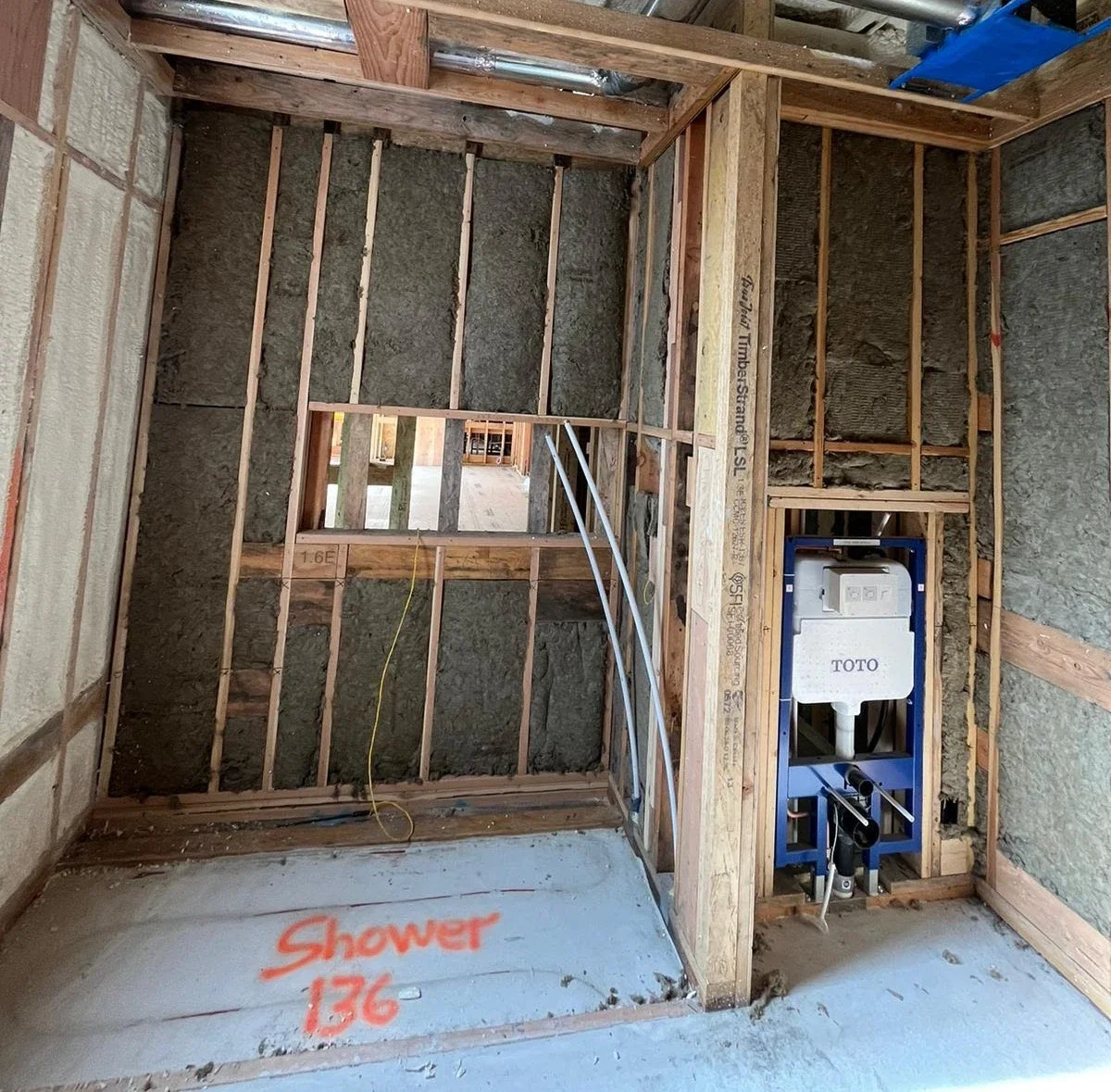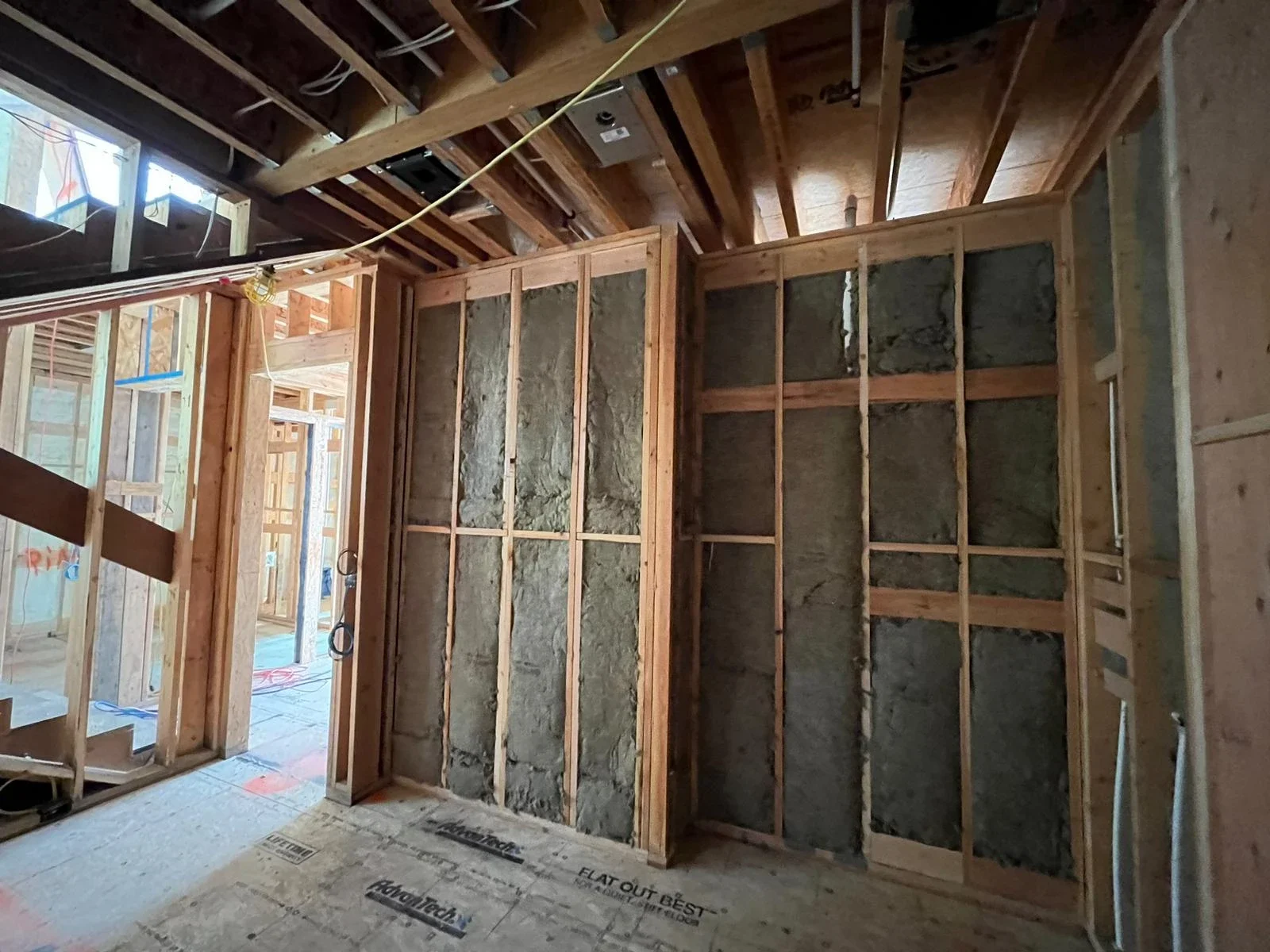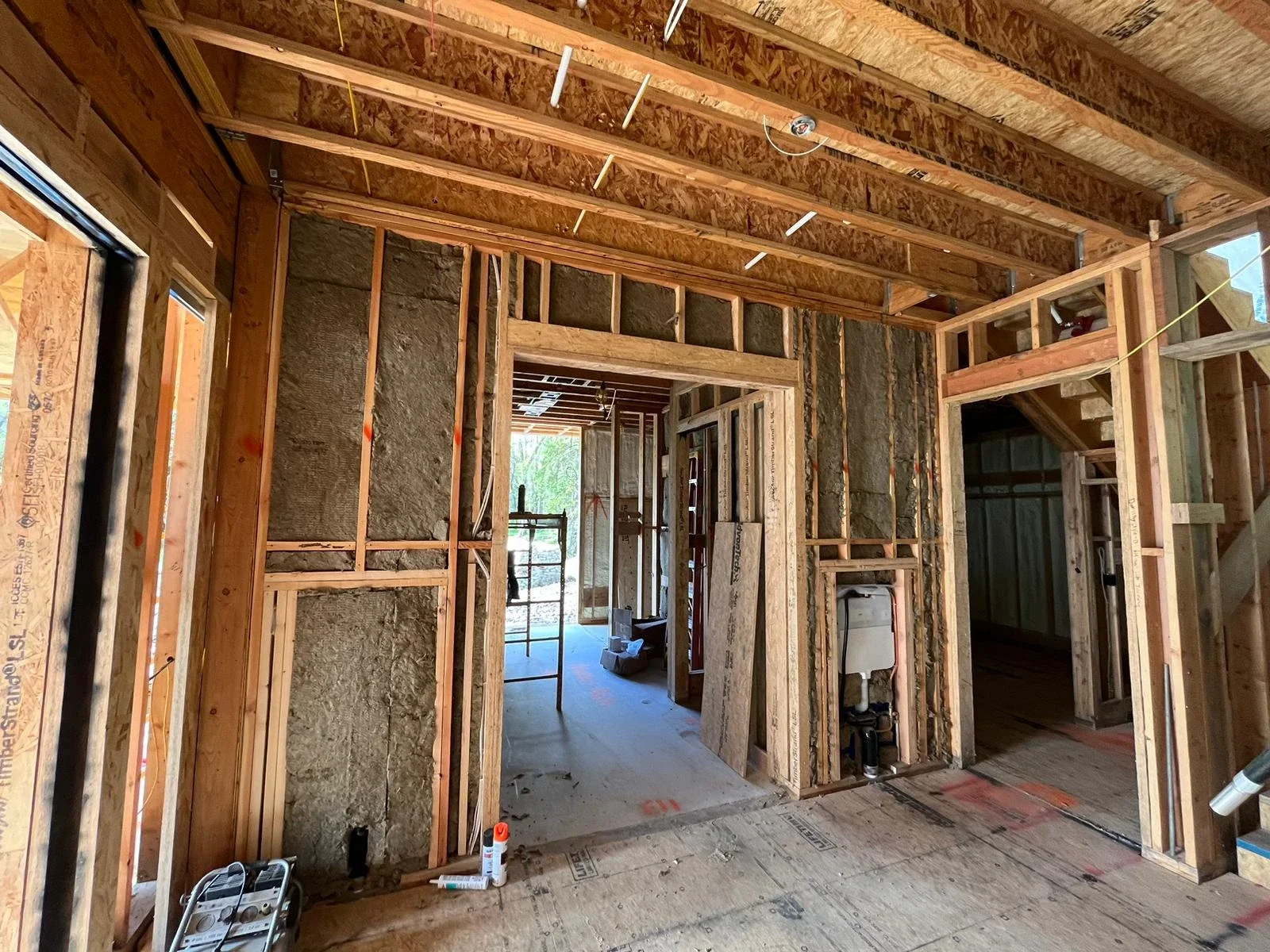
What Problems Can Mineral Wool Insulation Help Solve in Residential Buildings?
Quick answer: The main benefits of mineral wool insulation in a house come down to five problems: rooms that lose…


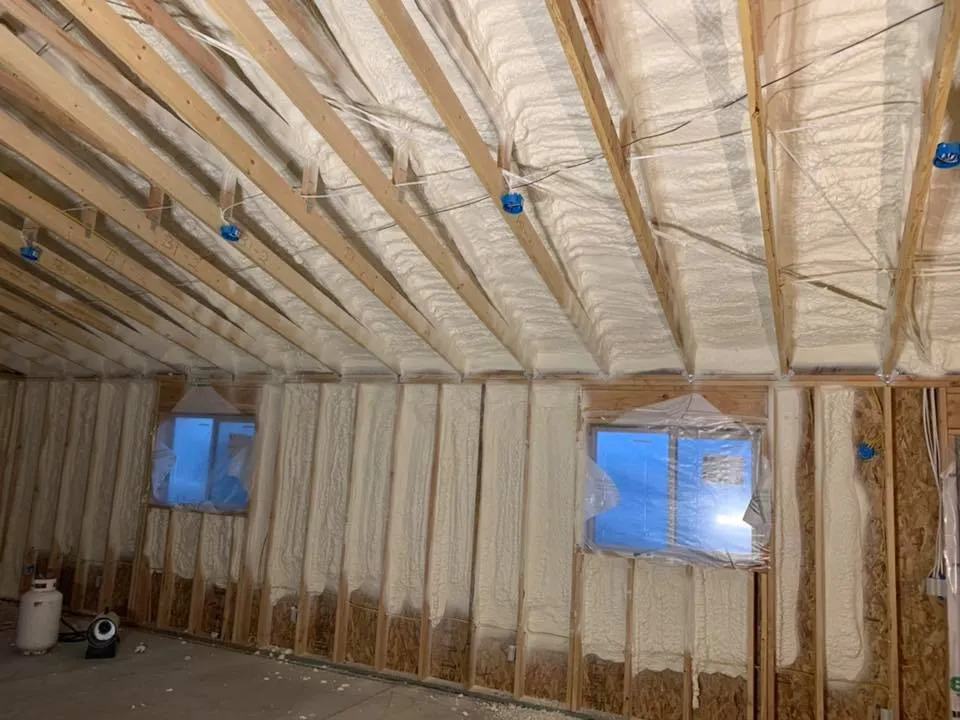
Open-cell spray foam insulation is a popular choice for Franklin homeowners looking to improve energy efficiency, but it is not the right solution for every area of every home. Understanding how open-cell spray foam works, where it performs well, and where it can cause serious problems is essential before committing to an installation. The material offers strong air sealing at a lower material density, though it absorbs water and does not serve as a vapor barrier, which makes application planning critical in Florida’s warm, humid climate. A thorough open-cell spray foam guide can help homeowners avoid costly mistakes and choose the right applications.
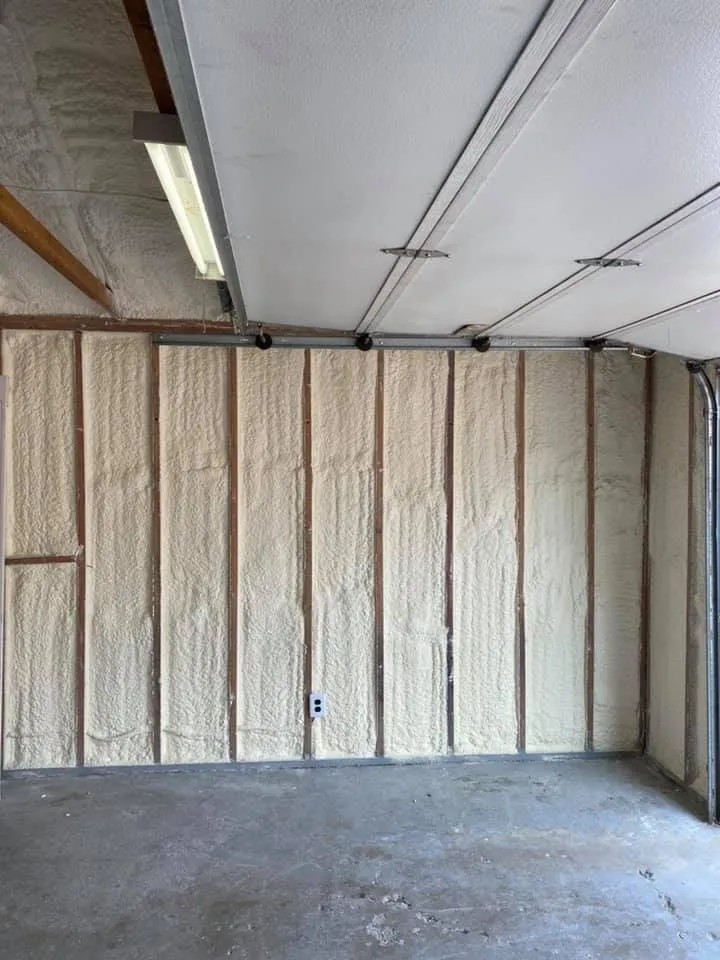
Open-cell spray foam is a polyurethane-based insulation material applied as a liquid that expands and cures into a spongy, flexible solid. According to the U.S. Department of Energy, open-cell foam cells are not as dense and are filled with air, which gives the insulation its characteristic spongy texture and a lower R-value per inch compared to closed-cell alternatives DOE – Types of Insulation.
Because the foam expands to fill gaps, cracks, and irregular cavities, it provides an effective air barrier that traditional batt insulation cannot match. The Energy Department notes that sprayed foam applications “can yield a higher R-value than traditional batt insulation for the same thickness, and can fill even the smallest cavities, creating an effective air barrier.”
Low-density, open-cell polyurethane foams use air as the blowing agent and have an R-value that remains stable over time, meaning the material does not experience the thermal drift that some closed-cell foams undergo as blowing gases escape. DOE – Insulation Materials.
Not every area of a Franklin home is a candidate for open-cell spray foam. The right application depends on the specific conditions of each space. The DOE explicitly states that “open-cell foam is lighter and less expensive but should not be used below ground level where it could absorb water”.
| Application Area | Open-Cell Suitability | Key Considerations |
|---|---|---|
| Attic floors and rafters | Excellent | Provides air sealing and sound dampening; ideal for irregular framing |
| Interior wall cavities | Excellent | Fills gaps around wiring and plumbing; good sound control between rooms |
| Knee walls | Very Good | Effective for vertical walls adjacent to attic spaces |
| Exterior walls (above grade) | Good with proper moisture planning | Requires correct vapor retarder placement for Florida’s humid climate |
| Cathedral ceilings | Good | Must allow adequate space between the roof deck and the ceiling for the required R-value |
| Basements and crawlspaces | Not Recommended | Risk of moisture absorption in below-grade or high-humidity environments |
For Franklin homeowners, attics and interior wall cavities are the most common and practical applications for open-cell spray foam. These areas benefit from the air sealing properties without the moisture exposure risks that basements and below-grade foundations present.
Moisture management is one of the most important factors when choosing insulation, and this is where open-cell spray foam demands careful planning. Open-cell foam is vapor-permeable, meaning it allows water vapor to pass through rather than blocking it. The DOE describes open-cell foam as “water vapor permeable” and notes it “remains flexible, and is resistant to wicking of moisture.” Understanding open-cell vs. closed-cell performance is essential when managing humidity and moisture risks.
In Florida’s warm, humid climate, this permeability can work in your favor or against you depending on placement and the broader moisture control strategy of your home. According to the DOE’s guidance on moisture control, air movement accounts for more than 98% of all water vapor movement in building cavities, making thorough air sealing far more important than vapor retarders alone for controlling moisture DOE – Moisture Control.
Some building codes do not recognize sprayed foam insulation as a vapor barrier, which means an additional vapor retarder may be required depending on your climate zone and application. The DOE advises that “some building codes don’t recognize sprayed foam insulation as a vapor barrier, so installation might require an additional vapor retarder”.
Franklin homeowners frequently ask whether open-cell or closed-cell spray foam is the better choice. The answer depends on the application, budget, and performance requirements of each specific project.
| Factor | Open-Cell Spray Foam | Closed-Cell Spray Foam |
|---|---|---|
| R-value per inch | Lower (R-3.5 to R-3.7) | Higher (R-6.0 to R-7.0) |
| Density | Low, lightweight | High, denser |
| Moisture resistance | Absorbs water, not a vapor barrier | Resists water, acts as a vapor barrier |
| Air sealing | Effective air barrier | Effective air barrier plus structural strength |
| Sound dampening | Superior sound absorption | Moderate sound absorption |
| Best applications | Attics, interior walls, above-grade cavities | Below-grade, exterior sheathing, flood-prone areas |
| Installation cost | Lower material cost, less weight | Higher material cost, more weight |
Closed-cell foam provides greater R-value per inch and stronger moisture resistance, which makes it the preferred choice for basements, below-grade walls, and any area where direct water contact is possible. Open-cell foam excels where sound dampening, air sealing, and cost efficiency are the primary goals, such as in attic retrofits and interior partitions.
Building codes require that all foam insulation materials be covered with an approved thermal barrier for fire safety. The DOE specifies that “following installation, an approved thermal barrier equal in fire resistance to half-inch gypsum board must cover all foam materials.”
This requirement means that exposed spray foam must never be left visible in occupied living spaces without proper covering. For Franklin homeowners, this typically means drywall must be installed over any foam-insulated wall or ceiling surface before the space can be considered finished and code-compliant.
Choosing a qualified spray foam installer makes a significant difference in both performance and safety. The DOE recommends obtaining written cost estimates from several contractors for the R-value you need, asking about the installer’s experience with the specific product, and confirming whether air sealing services are included.
Look for these indicators of a qualified installer:
Different Franklin homes benefit from different insulation strategies depending on age, construction type, and existing conditions.
| Home Type | Recommended Approach | Key Notes |
|---|---|---|
| New construction | Open-cell foam in wall cavities and attics | Maximum coverage with easy access; pair with proper mechanical ventilation |
| Retrofit (older home) | Open-cell foam in attics and accessible wall cavities | Prioritize air sealing first; budget may require a phased approach |
| Home with existing batt insulation | Removal and replacement with open-cell foam | Old insulation should be removed where damaged or compressed before new foam is applied |
| Home with vaulted ceilings | Professional assessment required | Limited rafter space may require closed-cell foam for adequate R-value in a thinner profile |
For homes with vaulted ceilings or limited attic access, a professional assessment is especially important because the available cavity depth may not provide enough space for the thickness of open-cell foam required to meet target R-values.
To ensure your home is properly protected, it is helpful to understand where to insulate in a home and the specific requirements for vapor barriers or vapor retarders based on your local climate.
High Country Solutions specializes in open-cell and closed-cell spray foam insulation for Franklin homeowners, serving areas including zip codes 33478 and 33458. Our team provides professional installation with a focus on proper moisture management, code compliance, and long-term energy performance. Whether you are building new or retrofitting an existing home, we assess your specific needs and recommend the right approach for every space. Reach out to us at (307) 248-9063 or email [email protected] to discuss your project.
Request a Quote | Schedule an Insulation Assessment
Open-cell spray foam typically cures within 24 hours, though full off-gassing may require additional ventilation time before re-occupying the space.
In most cases, old insulation should be removed before applying spray foam, particularly if the existing material is damaged, compressed, or has been exposed to moisture.
Yes, the open-cell structure absorbs sound effectively, making it a strong option for reducing noise transmission between rooms and from the attic above.
Once fully cured, open-cell spray foam is inert and does not release particles. Homeowners with respiratory concerns should follow the installer’s guidance on ventilation during and after application.
Open-cell foam can absorb and retain water, which reduces its insulating effectiveness and can lead to mold growth if not dried thoroughly, which is why it should not be used in below-grade or moisture-prone applications.