Mineral Wool vs Fiberglass Insulation: Which Option Is Better for Your Home?
Quick answer: In the mineral wool vs fiberglass insulation debate, mineral wool usually wins on fire resistance, moisture handling, sound…


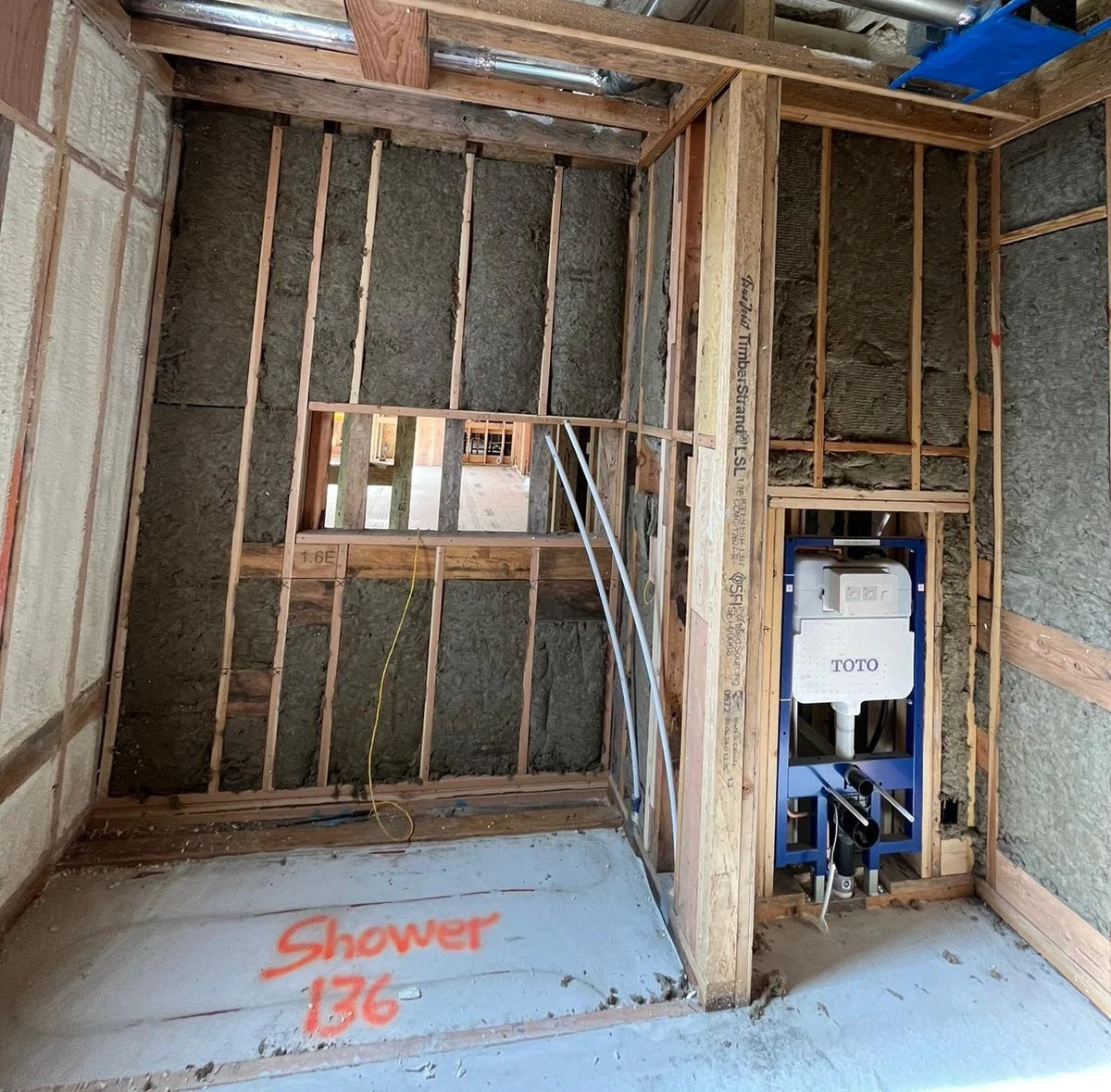
Mineral wool outperforms fiberglass insulation in Franklin, Idaho’s cold, dry Climate Zone 6B conditions in every measurable category except upfront price. Mineral wool delivers a higher R-value per inch, resists moisture absorption without losing thermal performance, provides built-in fire protection without chemical additives, and maintains its shape and density over decades of freeze-thaw cycling. Fiberglass remains the lower-cost option for large projects where budget constraints matter most, but for long-term energy savings, durability, and building safety in Franklin’s harsh winters, mineral wool delivers better lifetime value. Our team at High Country Solutions has worked extensively with both materials in cold-climate applications, and the performance gap becomes especially clear when you factor in Franklin’s extended heating season and the 7,000+ heating degree days the region accumulates annually. Insights from our mineral wool insulation guide help explain why material selection matters so much in these demanding conditions.
Franklin County sits in southeastern Idaho near the Utah border, within the Bear Lake Valley. The DOE classifies Franklin County as Climate Zone 6B, meaning “cold” with a dry moisture regime. Winter temperatures routinely drop well below freezing, and the region accumulates significant heating degree days each year. Homes in this zone face prolonged exposure to cold air masses that track south through the basin, creating sustained heating demand from October through April.
In this climate, insulation performance is not a luxury. It directly determines monthly heating costs, occupant comfort, and the long-term durability of the building envelope. The insulation material you choose needs to handle temperature swings, resist moisture from indoor-outdoor pressure differences, and maintain its R-value for decades without settling, compressing, or degrading.
The single most important metric for insulation in cold climates is R-value per inch. This determines how much thermal resistance you can pack into standard wall cavities.
| Performance Metric | Mineral Wool | Fiberglass |
|---|---|---|
| R-value per inch | 3.0 to 3.3 | 2.2 to 2.7 |
| R-value in 2×4 wall (3.5″) | R-15 | R-11 to R-13 |
| R-value in 2×6 wall (5.5″) | R-23 | R-19 to R-21 |
| Density | High | Low to Medium |
| Settling over time | Minimal | Possible |
| Thermal drift resistance | Strong | Susceptible |
Mineral wool’s higher R-value per inch means you get more insulating power from the same cavity depth. In a standard 2×4 framed wall, mineral wool at R-15 gives you roughly 15-23% more thermal resistance than fiberglass at R-13. In a 2×6 wall, the gap widens further with mineral wool at R-23 versus fiberglass at R-19 or R-21. According to Green Building Advisor, this advantage comes from mineral wool’s denser fiber structure, which traps air more effectively and resists convective heat loss within the cavity.
Moisture management is a major concern in Franklin’s climate zone, where indoor-outdoor temperature differences drive condensation risks inside wall and ceiling assemblies.
| Moisture Factor | Mineral Wool | Fiberglass |
|---|---|---|
| Water absorption | Hydrophobic, repels water | Absorbs and holds moisture |
| R-value when wet | Maintains performance | Drops significantly |
| Mold and mildew support | No food source for growth | Can support mold when damp |
| Long-term structural integrity | Retains shape for decades | Can settle and sag |
Mineral wool is inherently hydrophobic. Water beads up and rolls off its surface rather than being absorbed into the fiber matrix. If a wall cavity gets damp from condensation or a minor leak, mineral wool dries out and continues insulating. Fiberglass, when exposed to moisture, can compress, clump, and lose a significant portion of its R-value. It can also create conditions that support mold growth when it remains damp for extended periods. In Franklin’s cold climate, where condensation is a persistent risk, mineral wool’s moisture resistance provides a meaningful durability advantage and helps reduce heat loss in homes.
Fire safety is not optional in cold-climate construction, particularly in rural areas where fire response times may be longer.
| Fire Factor | Mineral Wool | Fiberglass |
|---|---|---|
| Fire resistance rating | Non-combustible | Combustible (melts at high temps) |
| Temperature tolerance | Above 1,800 degrees F | Melts around 1,000 degrees F |
| Chemical fire retardants are needed | No | Yes |
| Smoke production | Zero smoke developed | Varies by product |
The DOE confirms that mineral wool does not require additional chemicals to achieve fire resistance. It is naturally non-combustible because it is made from basalt and slag, materials that are already fireproof at their origin. Fiberglass batts typically include chemical fire retardants in their binders and facings, and the glass fibers themselves will soften and melt at temperatures that mineral wool handles without any degradation. For homeowners in Franklin concerned with fire safety, mineral wool adds a meaningful layer of passive protection.
While thermal performance drives most insulation decisions in cold climates, sound attenuation matters in multi-family construction, home offices, and rooms with shared walls.
| Acoustic Factor | Mineral Wool | Fiberglass |
|---|---|---|
| NRC (Noise Reduction Coefficient) | 0.95 to 1.0 | 0.90 to 0.95 |
| STC (Sound Transmission Class) | 45 to 52 | 43 to 45 |
| Density advantage | Higher density blocks sound better | Lower density, less mass |
Mineral wool’s higher density gives it a slight edge in blocking sound transmission. This advantage is most noticeable in interior partitions, home theater walls, and multi-family party walls. In exterior wall applications in Franklin, the acoustic benefit is secondary to thermal performance.
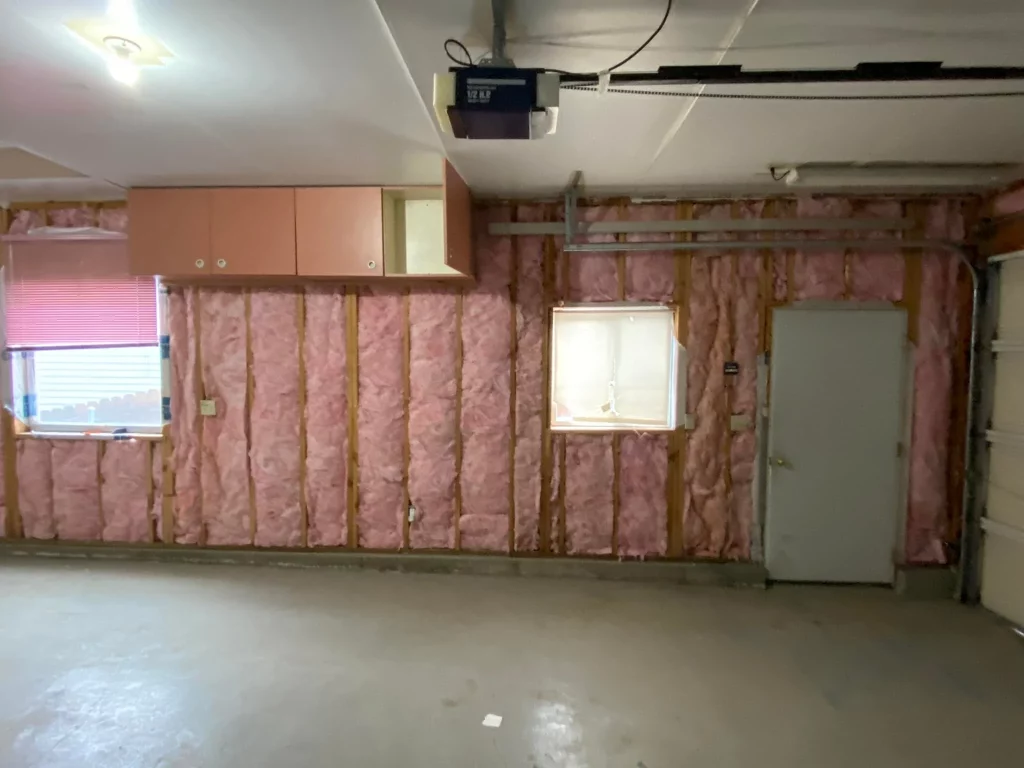
The Insulation Institute, representing NAIMA manufacturers, makes an important point that many homeowners overlook: the type of insulation material has a relatively small impact on energy savings compared to three other factors. Correct installation, proper air sealing, and getting the most R-value per dollar spent are what actually determine whether your insulation performs as intended.
A perfectly installed fiberglass job will outperform a poorly installed mineral wool job every time. Gaps, voids, compression, and missing air seals undermine any material’s performance. Mineral wool does offer an installation advantage in that its rigid, friction-fit design makes it harder to leave gaps in stud cavities, but neither material compensates for sloppy workmanship.
| Scenario | Property Type | Recommended Option | Why |
|---|---|---|---|
| New construction 2×4 walls | Single-family home | Mineral wool | Higher R-15 in standard cavity, better fire resistance, and moisture management |
| Attic retrofit on existing home | Ranch-style home, 1,500 sq ft | Fiberglass blown-in or mineral wool batts | Large open area, weight less critical, attic insulation project |
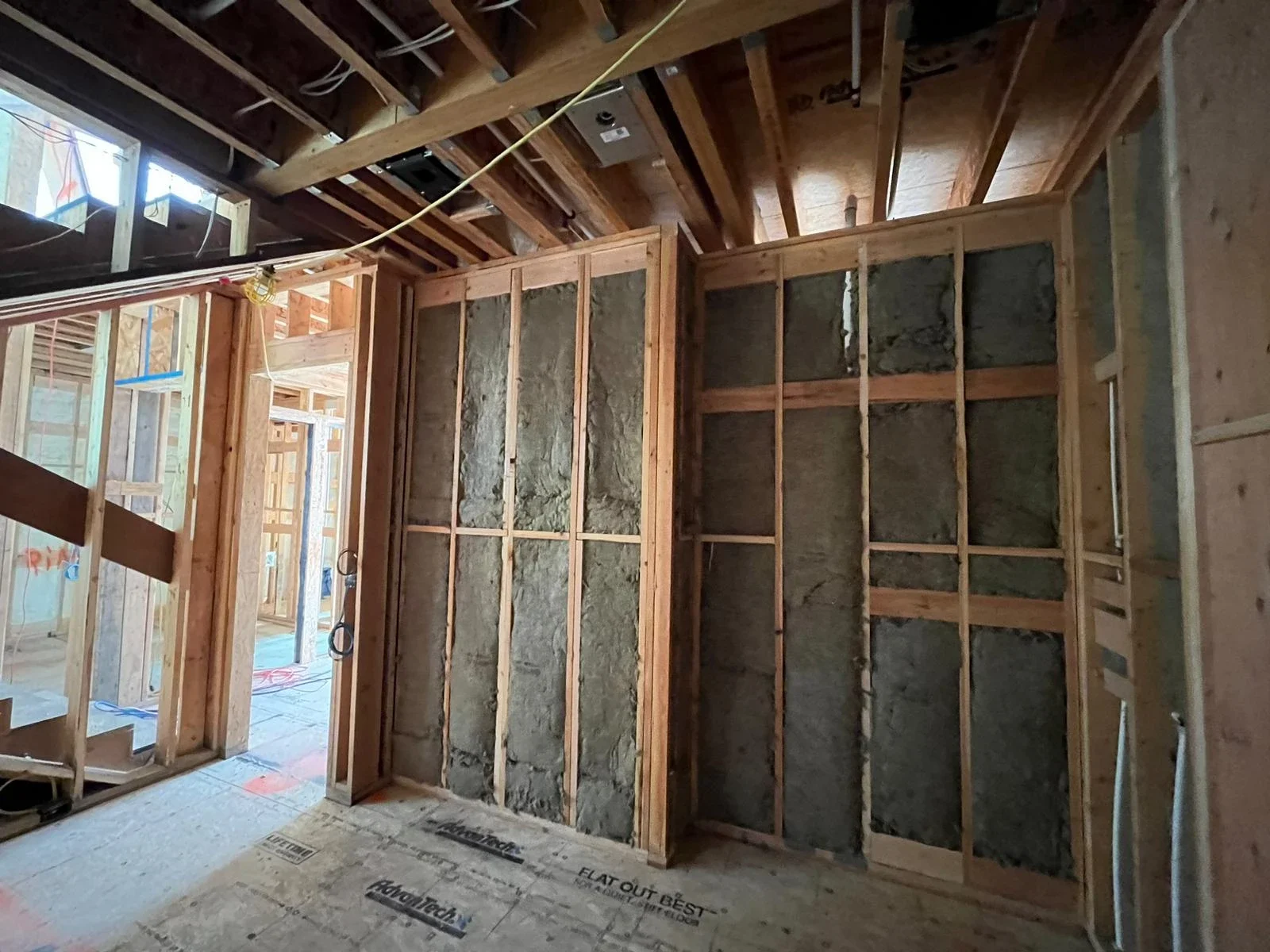
| Basement wall insulation | Walkout basement | Mineral wool | Moisture resistance in below-grade applications, fire safety |
| Pole barn workshop | Agricultural outbuilding | Either, depending on the budget | Large cavities, less concern with R-value per inch |
| Interior partition walls | Home office conversion | Mineral wool | Superior sound blocking between rooms |
Several variables affect which material makes the most sense for a specific project in Franklin:
Choosing between mineral wool and fiberglass is not just about comparing R-values on paper. It depends on your building’s construction, your budget, your exposure to moisture, and how you use the space. Our team at High Country Solutions evaluates every project individually and recommends the material and approach that delivers the best long-term performance for your specific situation. We have experience working in cold-climate conditions like Franklin’s and understand what it takes to keep homes comfortable and efficient through harsh Idaho winters.
Request a Quote | Schedule an Insulation Assessment
Call us at (307) 248-9063 or email [email protected] to discuss your project. We will help you make the right call for your property.
For new construction or major renovations where wall cavity depth is limited, mineral wool delivers measurably higher R-value per inch, better moisture resistance, and built-in fire protection that justifies the investment in cold climates.
Yes, fiberglass meets code requirements when installed correctly in the right depth, but it must be paired with proper air sealing and vapor management to perform well in Zone 6B conditions.
Mineral wool batts are typically installed unfaced, meaning a separate vapor retarder is needed on the warm-in-winter side of the wall assembly to manage moisture migration in cold climates.
Mineral wool is generally the better choice for basement walls due to its hydrophobic properties, resistance to mold growth, and ability to maintain R-value even if exposed to occasional moisture.
Mineral wool maintains its shape, density, and R-value for decades without settling. Fiberglass can sag and settle over time, especially in walls, which reduces its effective thermal performance.