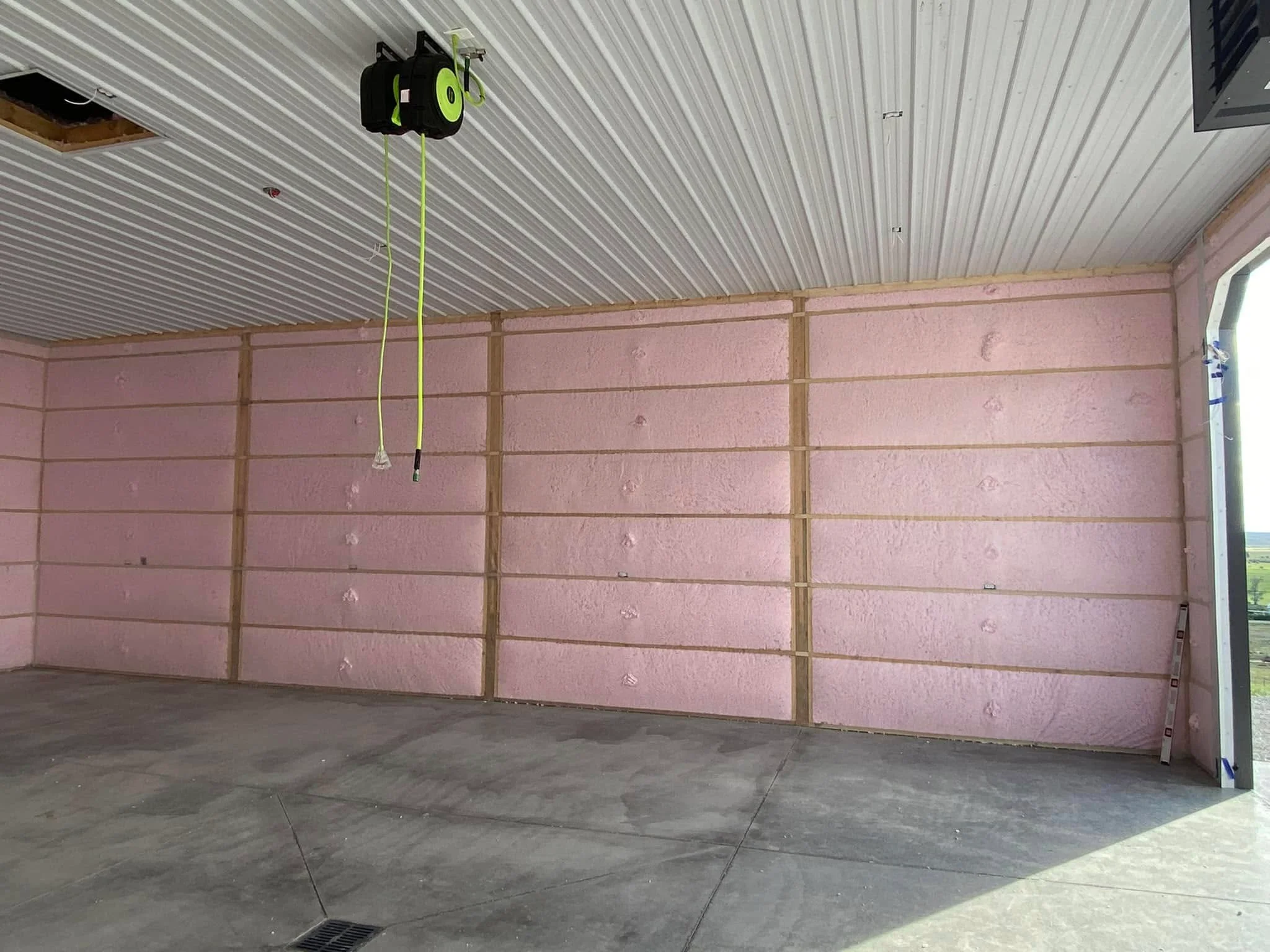
Why Are Homeowners in Thayne, WY Considering Mineral Wool for Insulation Upgrades?
Skeeter Aimone
September 15th, 2026
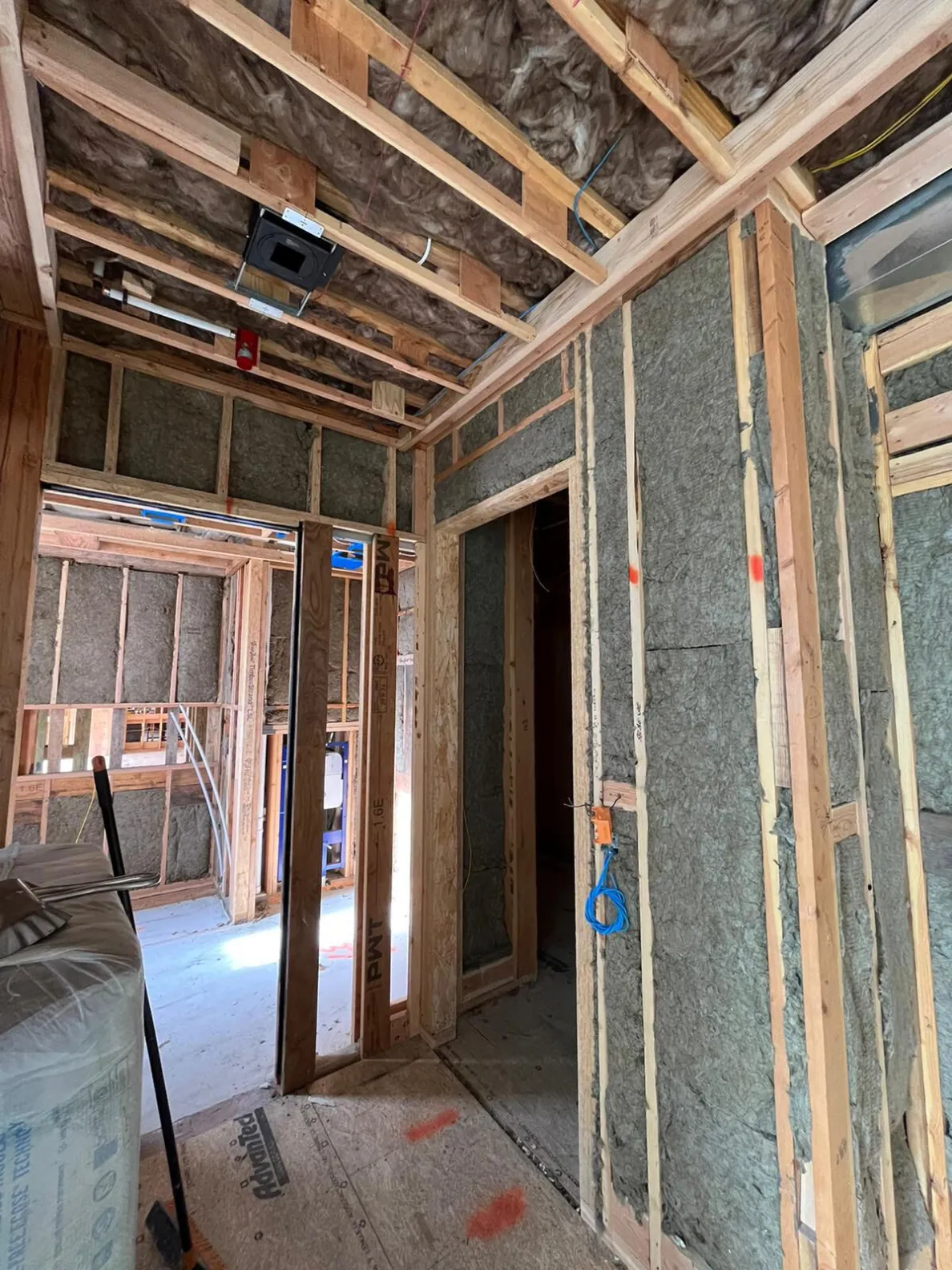
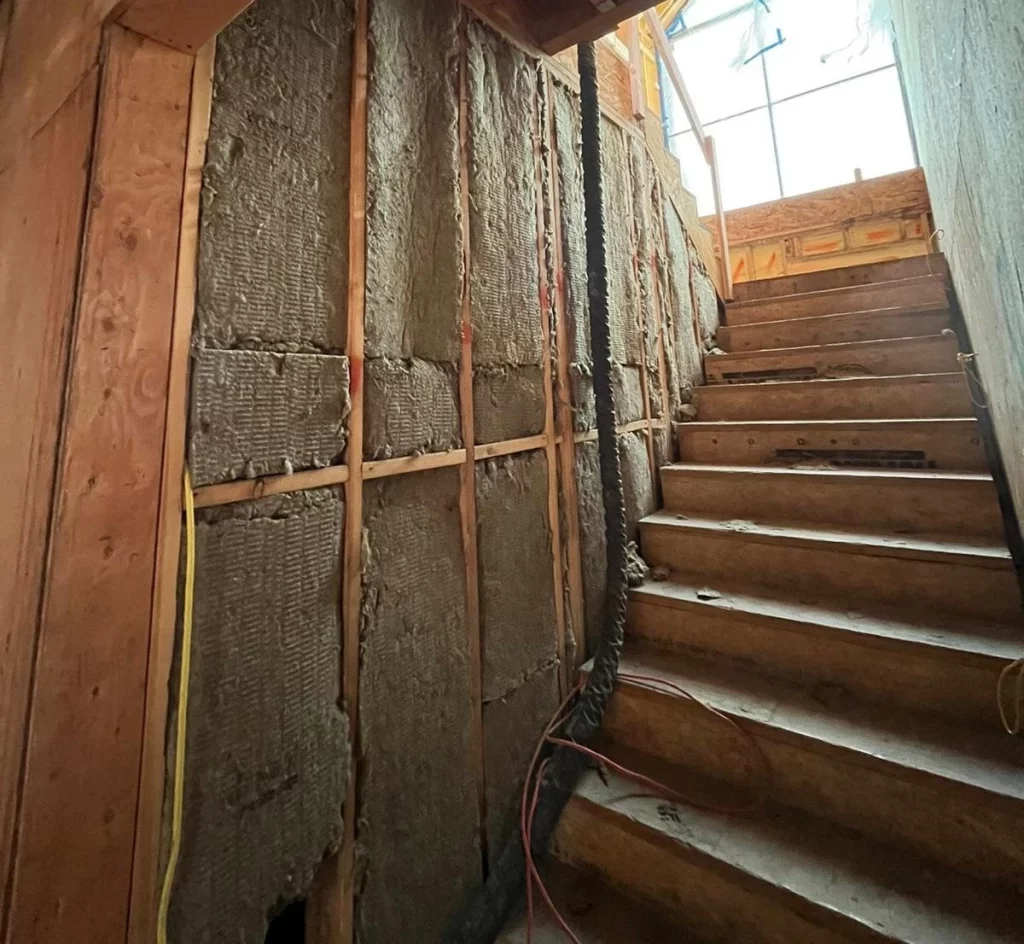
Homeowners in Thayne, WY are turning to a mineral wool insulation guide because Star Valley winters push heating systems to their limits, and mineral wool bundles high thermal performance with non-combustible fire resistance and sound control in a single material. With January lows in the western valleys averaging near -5°F and more than 9,900 annual heating degree days recorded at Afton, the nearest long-term weather station, undersulated attics and rim joists bleed heat for eight to nine months a year. Mineral wool works especially well for attic top-ups, exterior continuous insulation, and interior walls where fire and noise matter, while spray foam, fiberglass, and cellulose still serve specific situations. The right choice depends on your home’s construction, existing insulation levels, and goals, so we recommend reviewing the comparison below before deciding.
TL;DR
Thayne sits in one of the coldest inhabited pockets of Wyoming. Afton, in the same Star Valley, averages 9,915 heating degree days (base 65°F), and western valley January minimums run near -5°F, so insulation upgrades deliver more heating savings here than in most of the country.
Mineral wool is made by spinning molten rock at about 1,600°C into fibers, which gives stone wool a heat resistance of 700-850°C compared with 230-260°C for glass wool, a major reason it is used in passive fire protection.
Its thermal conductivity of 0.030 to 0.045 W/(m·K) works out to roughly R-3 to R-5 per inch depending on density, so it fills 2×4 and 2×6 cavities efficiently without settling.
The Department of Energy reports that adding insulation to attics, floors, crawl spaces, and rim joists, plus air sealing, can cut heating and cooling costs by up to 20%, or up to 10% of total home energy costs.
Under the 2021 IECC, the coldest climate zones call for R-60 ceilings and wall assemblies like R-20 cavity fill plus R-5 continuous exterior insulation, which mineral wool batts and boards can reach directly.
Mineral wool is not an air barrier. Pairing it with caulking, weatherstripping, and sealed penetrations matters more than adding R-value alone.
Fire resistance is a real differentiator in Wyoming’s wildland-urban interface areas, where NIST research shows embers and flame contact drive home ignitions.
Handling requires gloves, eye protection, and long sleeves, since mineral wool fibers can cause temporary skin itching.
Why Thayne’s Climate Makes Insulation Decisions Different
Mineral wool insulation solutions are relevant in Star Valley, where conditions differ from much of Wyoming. The Wyoming Climate Atlas describes how cold air drains into protected valleys at night, so valley floors like ours routinely read well below 0°F while nearby mountainsides sit warmer. The atlas notes that in January, generally the coldest month, minimum temperatures across most of Wyoming range from 5°F to 10°F, but in the western valleys the mean drops to about -5°F. Freezing temperatures or colder exceed 228 days per year in Wyoming’s mountains, and places like Star Valley have one of the shortest growing seasons in the state.
The numbers from the atlas make the case for insulation quality. Afton’s long-term record shows 9,915 annual heating degree days at base 65°F, among the highest readings in Wyoming’s station list. Every one of those degree days is an hour your furnace runs to replace heat your envelope loses. In a heating-dominated climate like this, the Wyoming Climate Atlas data confirms that insulation and airtightness are the highest-leverage upgrades a Thayne homeowner can make, ahead of nearly any equipment change.
What Mineral Wool Is and Why It Performs
Mineral wool, also called stone wool or rock wool, is any fibrous material formed by spinning or drawing molten mineral or rock materials such as slag and ceramics. According to Wikipedia’s mineral wool entry, stone wool is produced by heating rock to about 3,000°F (roughly 1,600°C) and spinning the molten liquid into fine fibers, a process first commercialized in 1871. The individual fibers conduct heat well, but when pressed into batts and boards, they trap air in millions of pockets, which makes the material an excellent insulator and sound absorber.
Three performance traits explain the current interest in Thayne:
Fire performance. Stone wool withstands temperatures of 700-850°C, compared with 230-260°C for glass wool, and it is a standard material in passive fire protection, firestops, and drywall assemblies. It does not burn or feed flame spread through a wall cavity.
Thermal value per inch. With thermal conductivity between 0.030 and 0.045 W/(m·K), mineral wool delivers roughly R-3 to R-5 per inch depending on product density, enough to hit high targets in standard cavities.
Sound absorption. The same dense fibrous structure that traps air absorbs sound energy, which homeowners notice on shared walls, media rooms, and bedrooms facing the highway.
There is also a health clarification worth making. The IARC review cited by Wikipedia classifies modern insulation-grade stone and slag wool fibers produced since 2000 as Group 3, “not classifiable as to carcinogenicity in humans.” The practical concern during installation is temporary skin itching, which gloves and long sleeves solve.
How Mineral Wool Compares to Other Insulation Options
The Department of Energy’s Guide to Home Insulation identifies the main residential types: batts and rolls, loose fill, spray foam, rigid board, and reflective products. Here is how they stack up for a Thayne retrofit:
Insulation Type
Thermal Performance
Fire Behavior
Sound Control
Best Use in Thayne Homes
Mineral wool batts/boards
R-3 to R-5 per inch, no settling
Non-combustible, withstands 700-850°C
Excellent
Attic top-ups, walls, rim joists, exterior continuous layers
Fiberglass batts
R-13 in a standard 2×4 cavity per DOE
Melts at 230-260°C
Moderate
Budget cavity fills where fire rating is not the driver
Loose fill (fiberglass, cellulose, mineral wool)
Used to reach R-30 to R-60 in attics
Varies by material
Good in dense applications
Uninsulated attic floors
Open-cell spray foam
R-12.6 at 3.5 inches
Requires ignition barriers
Good plus air sealing
Irregular cavities needing combined air seal and insulation
Closed-cell spray foam
R-6.5 at 1 inch
Requires ignition barriers
Good plus air sealing
Rim joists, foundations, moisture-prone assemblies
The honest summary: spray foam wins where you need air sealing and insulation in one step, fiberglass wins on first cost, and mineral wool wins when you want strong R-value, fire resistance, and sound control together, which is exactly the combination Thayne’s climate and building stock reward. See our Google reviews to learn about local customer experiences.
Where Mineral Wool Delivers the Most Value in a Thayne Home
The DOE’s insulation and air-sealing credit guidance notes that northern climate zones with long, cold winters are “heating dominated,” and its 2021 IECC table calls for R-60 ceilings and wall assemblies such as R-20 cavity fill plus R-5 continuous exterior insulation in the coldest zones. We see five applications where mineral wool fits those targets best:
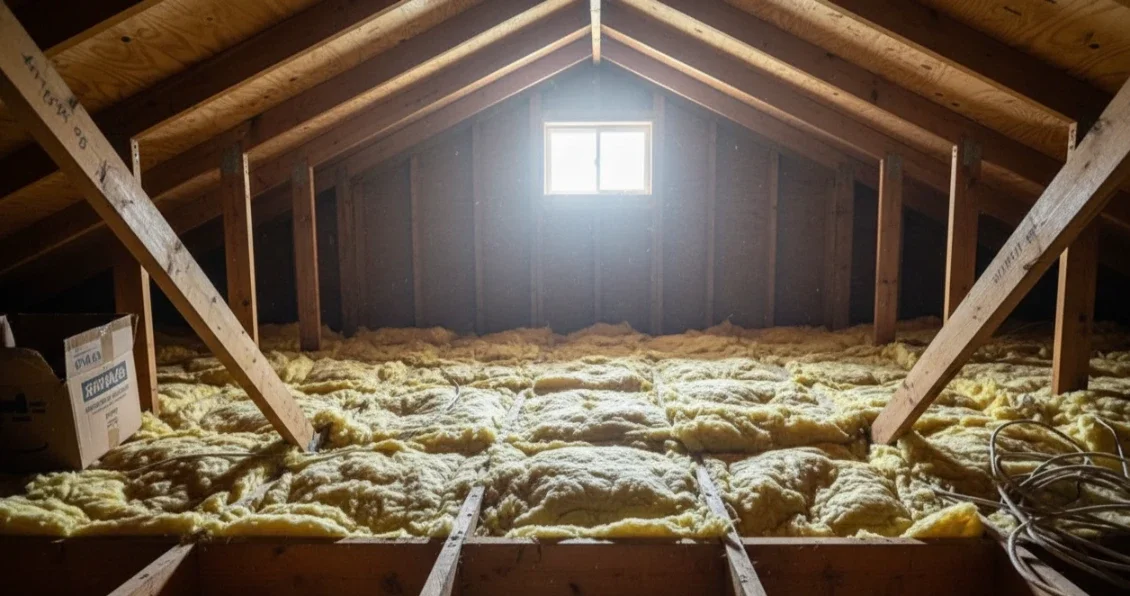
Attic top-ups. Loose-fill or batt mineral wool laid over existing insulation moves an under-insulated attic toward R-60, the biggest single lever on winter bills.
Exterior continuous insulation. Rigid mineral wool boards installed under new siding add R-value while bridging every stud, and DOE notes the energy savings payback of that upgrade runs 5 to 10 years with immediate comfort and noise gains.
Rim joists and band boards. DOE points out that walls and rim joists make up more than 40% of a home’s envelope area, and cut mineral wool wedges seal these leak-prone cavities cleanly.
Interior partition walls. Around furnace rooms, utility spaces, and bedrooms, mineral wool adds fire separation and quiet at the same time.
Wildfire-aware assemblies. NIST’s wildland-urban interface fire research program documents how embers ignite vulnerable home assemblies; non-combustible insulation is one more layer of passive protection for homes near timber and sage fuel beds.
As a bonus, insulation and air-sealing improvements that meet the 2021 IECC may qualify for federal energy-efficiency tax credits, so it pays to document what you install.
Common Mistakes to Avoid
Skipping air sealing. Mineral wool is not an air barrier. DOE shows caulking and weatherstripping pay for themselves in a year or less, so seal before you insulate.
Chasing R-value while ignoring the attic hatch, can lights, and duct chases. These penetrations are often the real leak points in Star Valley homes.
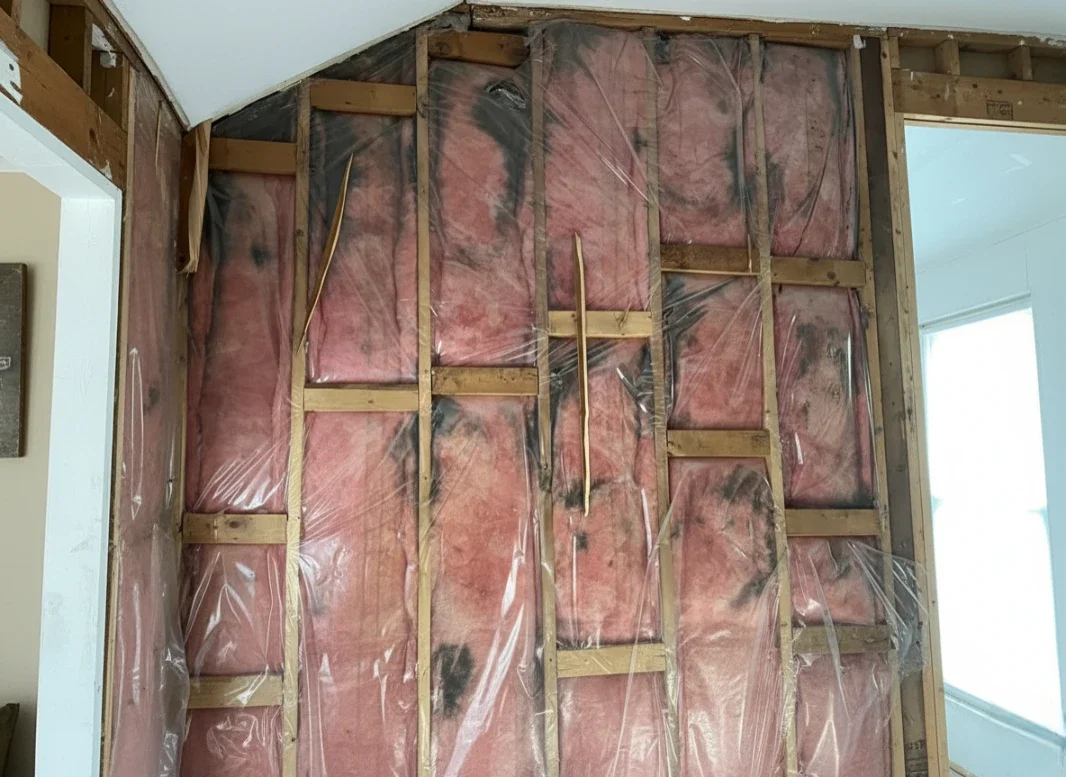
Handling fibers unprotected. Gloves, long sleeves, goggles, and a dust mask prevent the temporary itching that Wikipedia documents.
Blocking attic ventilation. Baffles at the eaves keep airflow intact under new insulation.
Mixing materials without a plan. Fiberglass over unsealed air leaks underperforms batt for batt, so sequence the work: seal, then insulate.
Recommendations by Audience
Homeowner Situation
Recommended Approach
Key Notes
Older Thayne home with low attic insulation
Loose-fill or batt mineral wool top-up to R-60
Largest winter savings; combine with hatch and penetration sealing
Re-siding project planned
Exterior mineral wool continuous boards plus cavity fill
Siding removal is the low-cost access window
Home near timber or sage fuel beds
Mineral wool in walls and rim joists
Adds non-combustible layer alongside defensible-space work
Noise-sensitive households
Mineral wool in interior partitions
Density absorbs sound between bedrooms and living areas
Mixed-use shops and garages
Hybrid: mineral wool in walls, foam at rim joists
Match material to moisture and air-sealing needs
Signs You’ve Found the Right Approach
Your provider assesses the whole envelope, including blower-door-style leak checks, before quoting R-value.
Recommendations match Star Valley’s heating degree days, not a generic national template.
Air sealing is priced and sequenced alongside insulation, not treated as an afterthought.
The crew explains material choices, fire behavior, and ventilation impacts in plain language.
Written documentation supports tax credit eligibility under the 2021 IECC.
Ready to Cut Your Heating Bills in Thayne, WY?
High Country Solutions installs mineral wool, fiberglass, cellulose, and spray foam insulation across Thayne and the surrounding Star Valley communities, and we build every quote around our region’s heating degree days, not national averages. Our team will evaluate your attic, walls, and rim joists, show you where your heat is going, and match the right material to each assembly. Call us at (307) 248-9063 or email [email protected], then request a quote or schedule an insulation assessment:
Talk with our team before the next cold snap settles into the valley.
FAQs
Is mineral wool worth it in an older Thayne home?
Usually yes for attics and rim joists, because Star Valley’s 9,900-plus heating degree days make every added R-value work longer and harder than in milder climates.
Does mineral wool settle or lose R-value over time?
Batts and rigid boards hold their thickness and air-trapping structure for the life of the assembly, and the material is also available as loose fill for attic floors.
Can I install mineral wool myself?
Attic top-ups are manageable for careful DIYers with gloves, long sleeves, and eye protection, but wall cavities, rim joists, and continuous exterior boards are best left to our crew for correct fit and air sealing.
Is mineral wool actually fireproof?
Stone wool is non-combustible and withstands 700-850°C, which is why it is standard in passive fire protection, though no insulation makes a home fireproof on its own.
How much can I expect to save on heating costs?
The Department of Energy estimates adding insulation and sealing air leaks can save up to 20% on heating and cooling costs, or up to 10% on total energy costs, with the largest gains in heating-dominated climates like ours.
Wikipedia – Mineral Wool – Reference overview of mineral wool composition, manufacturing at 1,600°C, stone wool heat resistance of 700-850°C, sound absorption, thermal conductivity, and IARC safety classification.
NIST – Wildland Urban Interface Fire Research – National Institute of Standards and Technology research on how wildland-urban interface fires ignite homes through ember exposure and flame contact.
I’m Skeeter Aimone, owner of High Country Solutions in Alpine, Wyoming, leading the company since 2019. I focus on quality installation, building science, and insulation solutions suited to harsh Wyoming and eastern Idaho conditions.
fire-resistant insulation, home insulation upgrades Thayne WY, insulation upgrade options, mineral wool benefits, Mineral Wool Insulation, mineral wool insulation Thayne WY, mineral wool insulation upgrades, mineral wool thermal performance, mineral wool vs fiberglass, residential insulation Thayne WY, soundproof insulation