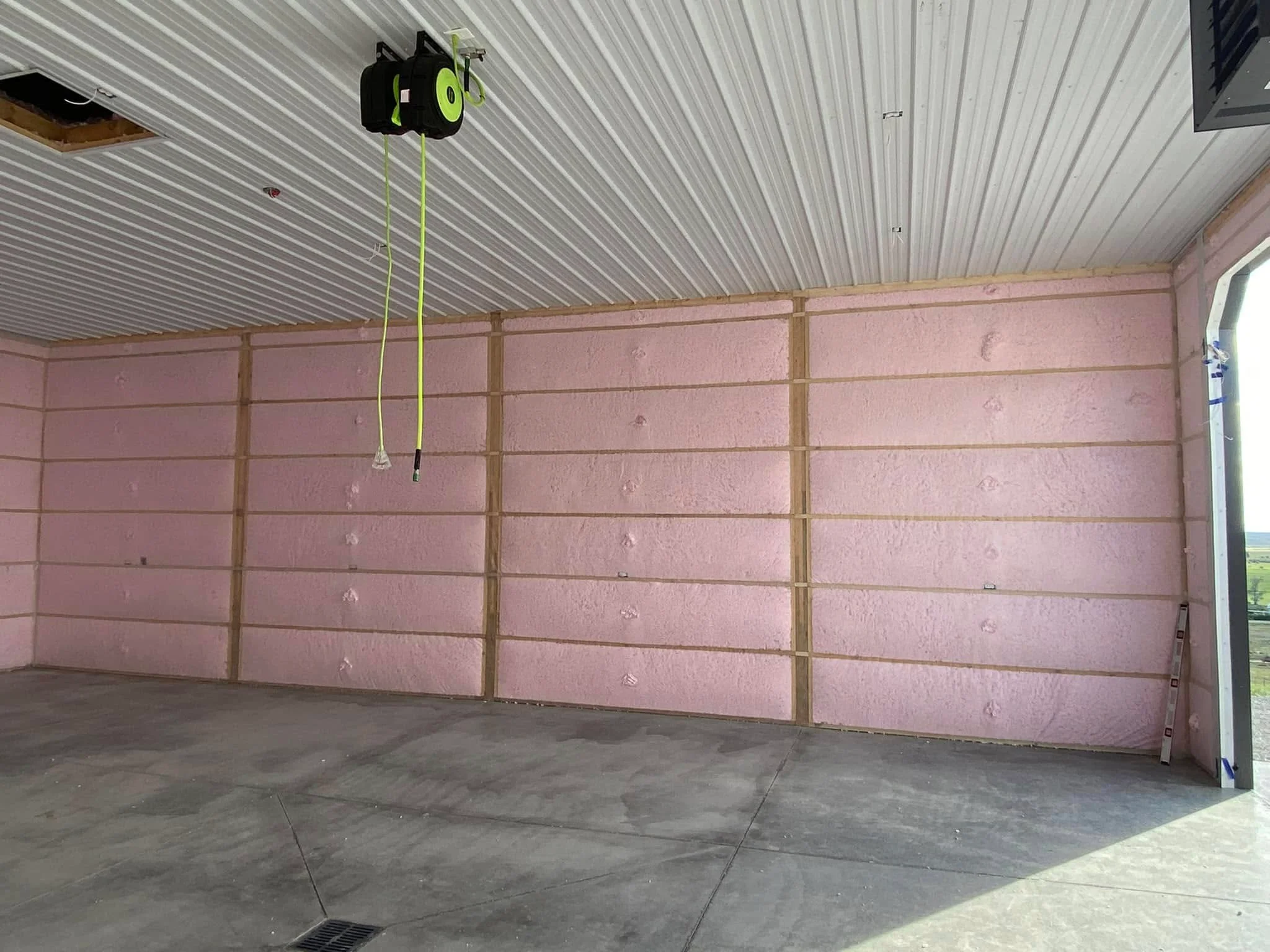
What Problems Can Mineral Wool Insulation Help Solve in Residential Buildings?
Skeeter Aimone
October 14th, 2026
Quick answer: The main benefits of mineral wool insulation in a house come down to five problems: rooms that lose heat or cool air, noise moving between rooms, fire spreading through hidden wall cavities, damp areas where other insulation soaks up water, and batts that sag over time. It won’t fix air leaks, roof leaks, or a tight budget, so it works best as part of a planned job.
TL;DR
Stiff batts friction-fit between studs and stay put, so you get fewer gaps and cold spots.
Dense fibers absorb airborne noise inside walls and floors.
It won’t burn, and the residential code accepts mineral wool batts as fireblocking.
It sheds water instead of soaking it up, but it is not a vapor barrier.
It costs more than fiberglass and can irritate skin during install.
What Mineral Wool Is and Why It Acts Differently
Before we get into problems, it helps to know what you’re putting in the wall. Mineral wool is made by melting rock (often basalt) and steel-mill slag, then spinning it into fibers.
It’s sold as batts, rigid boards, and loose-fill. The U.S. Department of Energy says it usually contains about 75% post-industrial recycled content. It’s also heavier and denser than fiberglass, and that density explains most of what follows.
The Problems Mineral Wool Insulation for Homes Can Solve
Homeowners complain about the same issues over and over. Here’s how mineral wool insulation for homes handles each one, and where it falls short.
Rooms That Won’t Hold Heat or Cool Air
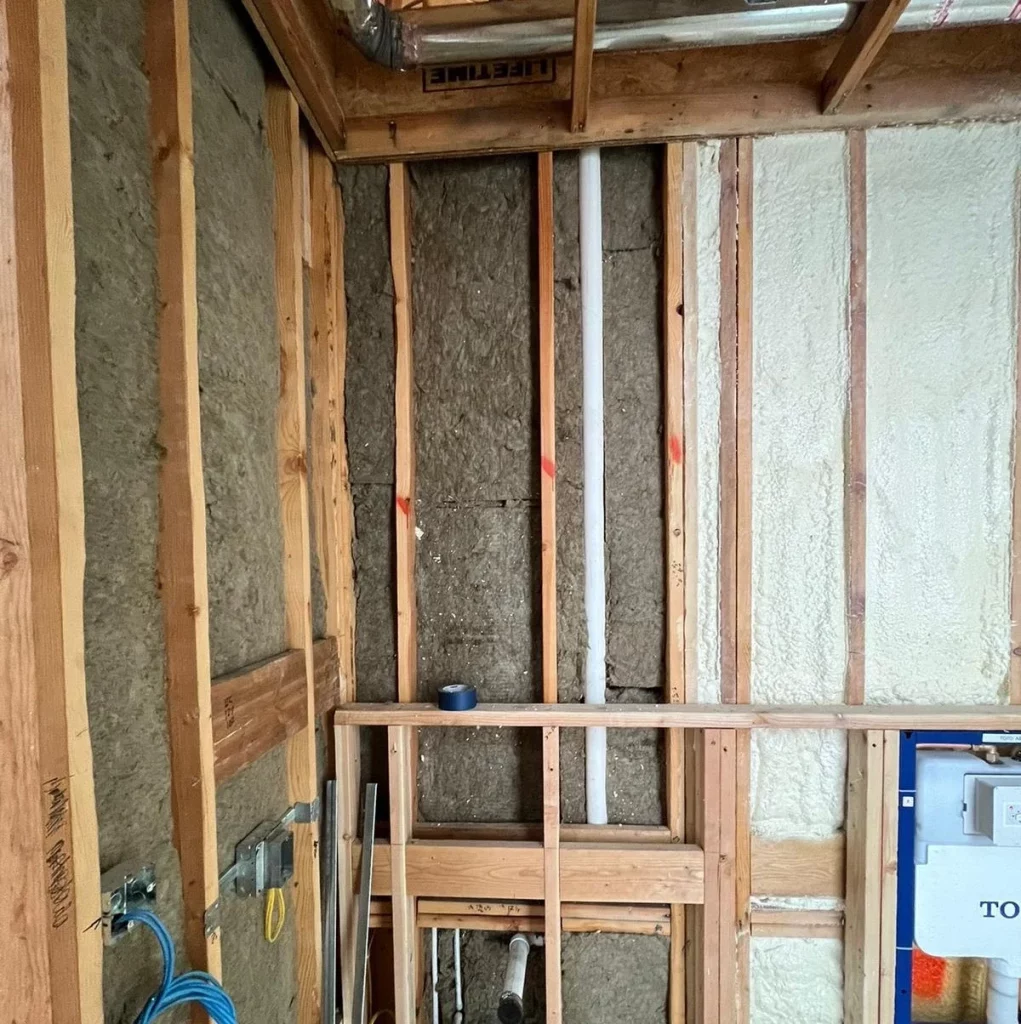
Mineral wool batts for 2×4 walls are commonly rated R-15, while standard fiberglass batts for the same wall are often R-11 or R-13. The DOE notes that 2×4 walls can take R-13 or R-15 batts, and 2×6 walls can take R-19 or R-21.
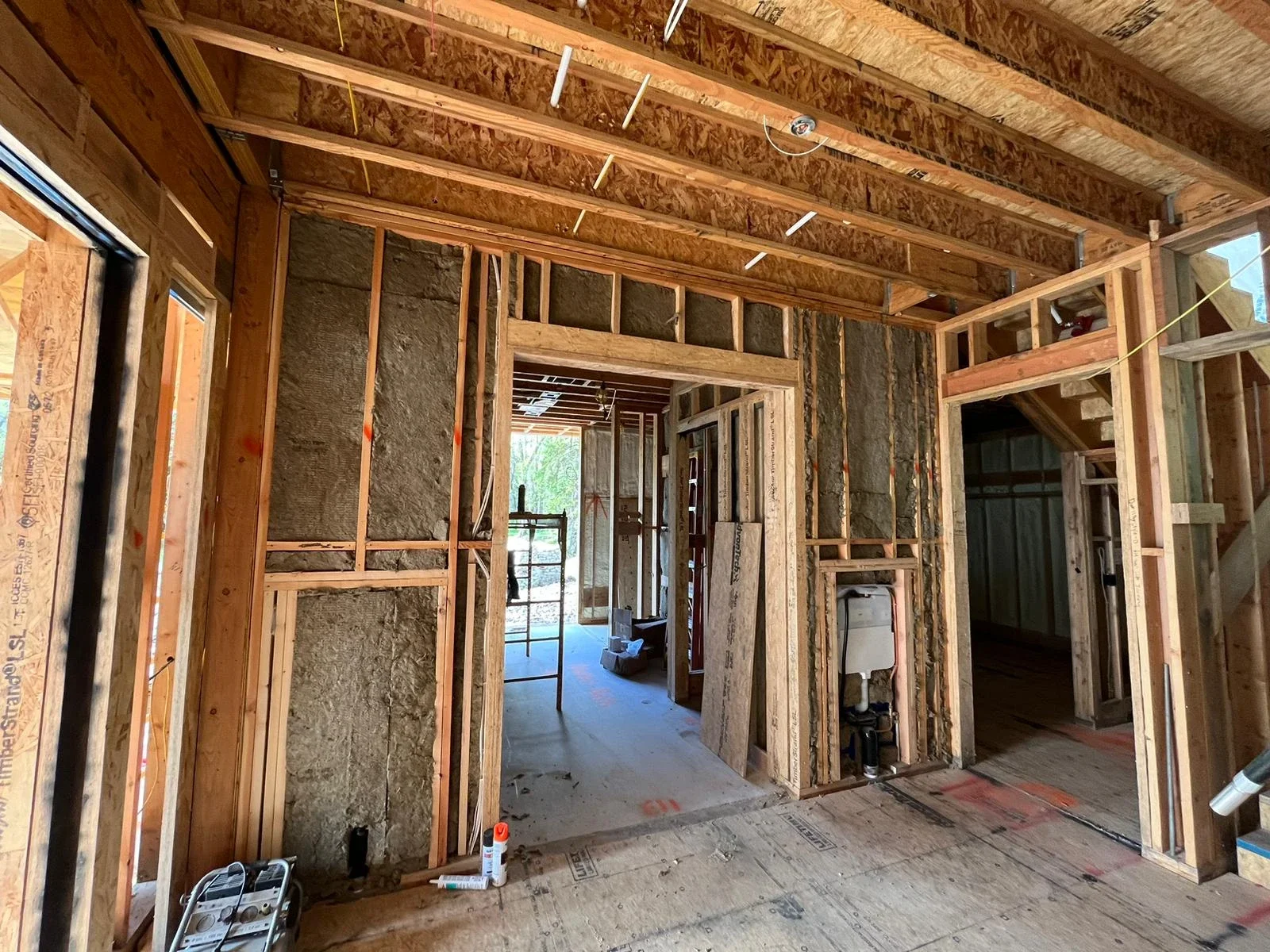
The bigger win is fit. Mineral wool is stiff, so it presses against the studs and doesn’t slump. Gaps around batts let heat slip past, and that shows up as cold walls in winter and higher energy bills.
Noise Between Rooms and From Outside
Mineral wool soundproofing works because the dense fibers absorb airborne sound inside the cavity. That makes it a good fit for bedroom walls, bathrooms, home offices, and floors between stories.
Be realistic, though. It helps with voices and TV noise, but it does little for footsteps or impact noise. Sound also leaks through outlets, doors, and gaps, so for big gains you’ll often need extra drywall or resilient channels too.
Fire Spreading Through Hidden Cavities
Mineral wool fire resistance comes from the rock it’s made of, so the fibers don’t burn. Under section R302.11.1 of the International Residential Code, as summarized by the City of Blaine, MN, mineral wool batts count as an approved fireblocking material when they’re installed so they stay securely in place.
That matters in walls shared with an attached garage and around kitchens. Still, it slows fire spread; it doesn’t make a home fireproof. Paper facings can burn, and loose-fill insulation can’t be used as a fireblock.
Damp Spots and Mold Risk
Mineral wool moisture resistance is a real plus in basements, bathrooms, and exterior walls. The fibers repel water and dry out, and because the material is inorganic, it doesn’t give mold food to grow on. Professional mineral wool insulation services can help improve comfort while addressing insulation needs in these areas.
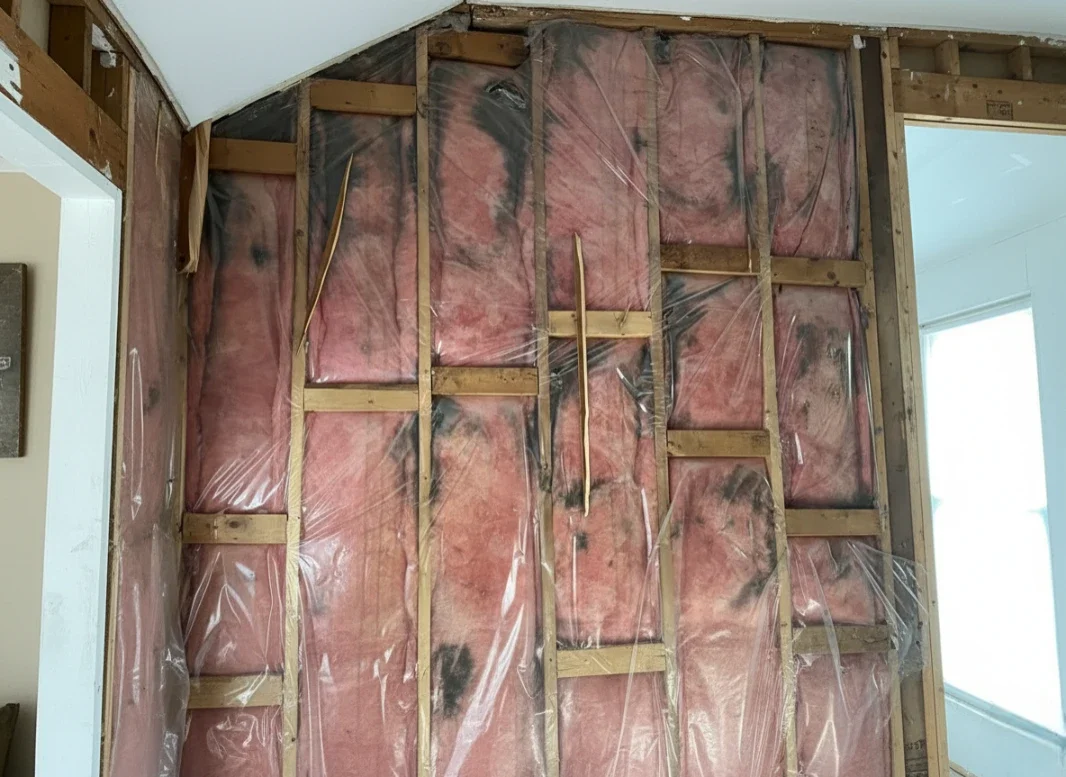
Here’s the catch: it lets water vapor pass through, so it isn’t a vapor barrier. If a leak keeps the cavity wet, the wood framing around it can still rot. Fix the leak first, then insulate.
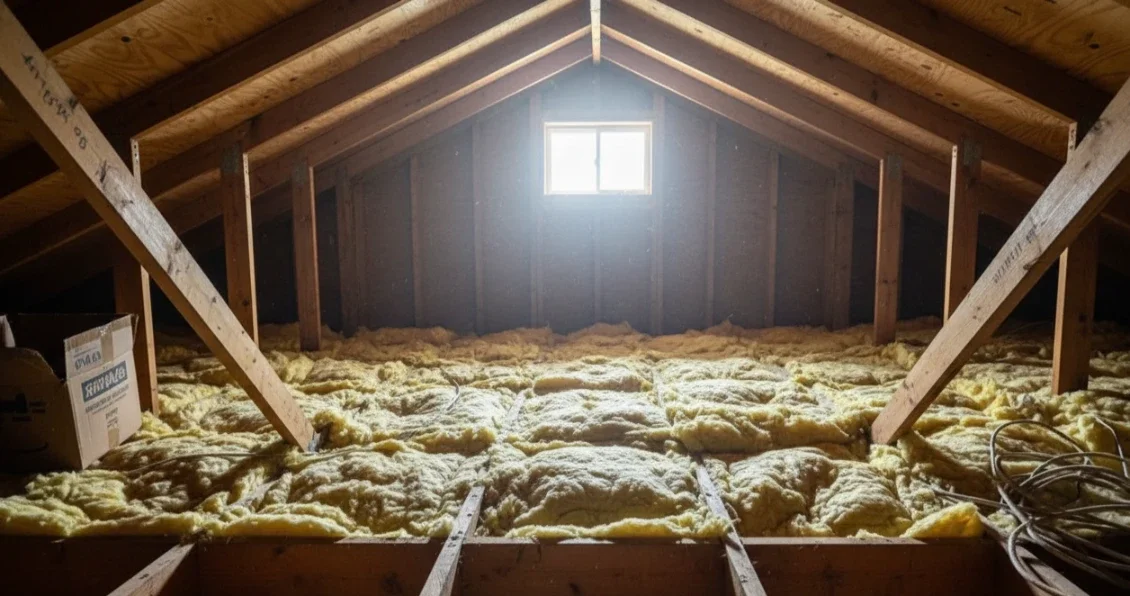
Insulation That Sags or Settles
Floppy batts can slide down inside a wall over the years, leaving an uninsulated strip at the top. Mineral wool holds its shape, so it tends to stay where you put it. Just don’t cram it in, because compressing any batt cuts its R-value.
Where Mineral Wool Fits Best in a House
Not every spot needs mineral wool. This quick table shows where it earns its higher price.
Area
Problem it helps
Watch for
Exterior walls
Heat loss, gaps
Air sealing first
Bedroom and bath walls
Noise
Gaps at outlets
Garage-to-house wall
Fire spread
Local code rules
Basement walls
Damp, mold
Ongoing leaks
Floors between stories
Airborne noise
Footstep noise
Mineral Wool Insulation Problems You Should Know
No material is perfect. These mineral wool insulation problems come up most often, and it’s better to plan for them than be surprised.
Higher cost. It usually costs more than fiberglass for the same wall.
Itch and dust. Fibers can irritate skin, eyes, and throat during installation. Wear long sleeves, gloves, safety glasses, and a dust mask.
Health questions. The Insulation Institute reports that IARC moved rock and slag wool from “possibly carcinogenic” (Group 2B) to “not classifiable” (Group 3), and a later review found that decision still holds.
Heavier to handle. You’ll need a long serrated knife to cut it cleanly.
No air seal. Insulation slows heat, but it doesn’t stop drafts. The U.S. Department of Energy advises sealing air leaks before installing insulation and checking local building and fire codes.
Is Mineral Wool Worth It for Your Home?
It depends on which problem you’re trying to fix. Use this checklist before you buy.
You want quieter bedrooms, bathrooms, or an office.
You have a wall shared with a garage or need fireblocking.
The area sees damp air, like a basement or bathroom.
Your walls are open, from new construction or a remodel.
You’ve already found and sealed air leaks.
If you checked two or more, mineral wool is likely worth the extra cost. If your only goal is the lowest price per square foot, fiberglass may make more sense.
Get a Free Quote From High Country Solutions
If you’re dealing with drafty rooms, noisy walls, or damp spots, we can look at your home and tell you where mineral wool makes sense and where it doesn’t. High Country Solutions offers free quotes. Call us at (307) 248-9063 or email [email protected] to set one up.
FAQs
Is mineral wool better than fiberglass?
For sound control, fire resistance, and holding its shape, yes. For upfront cost, fiberglass usually wins. Many homeowners use both, with mineral wool in the rooms where noise or fire matters most.
Can mineral wool get wet?
Yes, and it dries out without losing its shape. The bigger risk is the wood around it, so wet insulation is a sign to find the water source.
Does mineral wool need a vapor barrier?
Sometimes. It depends on your climate zone and local code, not on the insulation. Ask your local building department or installer.
Can I install mineral wool myself?
Batts in open walls are a doable DIY job if you wear protective gear and cut carefully. Blown-in loose-fill usually needs an installer with the right equipment.
Can High Country Solutions help me decide between mineral wool and other insulation?
Yes. Tell us what’s bothering you, like drafts, noise, or damp spots, and we’ll look at the areas involved and explain whether mineral wool or another option makes more sense. Call (307) 248-9063 or email [email protected] to get started.
Sources
U.S. Department of Energy – recycled content, batt R-values for 2×4 and 2×6 walls, sealing air leaks before insulating.
City of Blaine, MN – IRC R302.11.1 listing mineral wool batts as fireblocking material.
I’m Skeeter Aimone, owner of High Country Solutions in Alpine, Wyoming, leading the company since 2019. I focus on quality installation, building science, and insulation solutions suited to harsh Wyoming and eastern Idaho conditions.