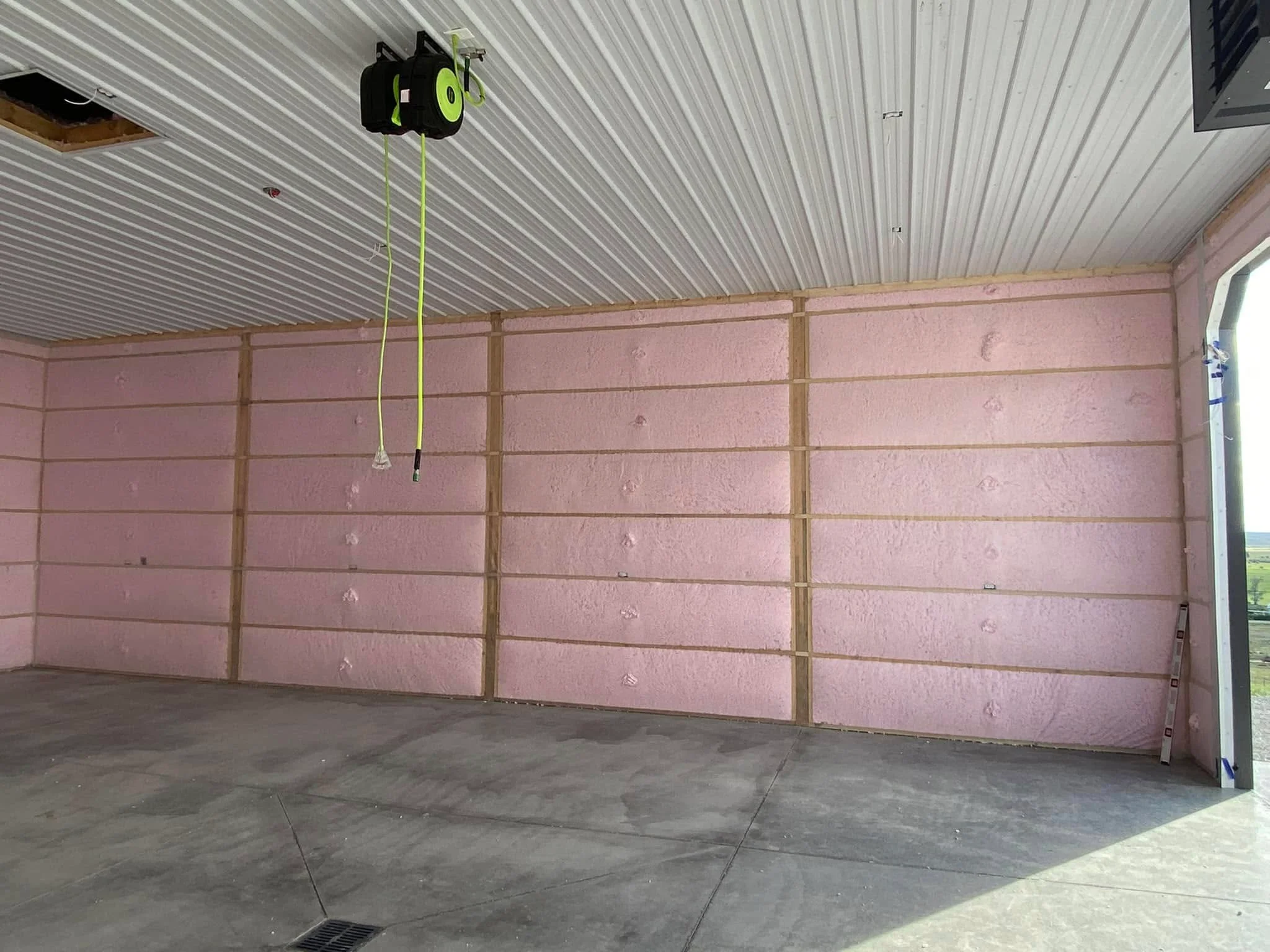
What Should Homeowners Know Before Choosing Mineral Wool Insulation for Their Rigby’s Home?
Skeeter Aimone
October 14th, 2026
Quick answer: Mineral wool insulation resists fire, sheds water, and fits tightly in stud bays, but it usually costs more than fiberglass. Rigby homes sit in Climate Zone 6, so you’ll want batts or boards that meet the R-values Idaho’s energy code sets for cold climates. Comparing mineral wool insulation solutions can help you choose the right product for your home’s needs. Hire someone who installs it without gaps, because a careless install wastes the extra money.
TL;DR
It’s made from melted rock or furnace slag, spun into fibers, and needs no added flame retardants.
It repels water and doesn’t feed mold, which makes it a good fit for basements and crawl spaces.
Expect a higher price than fiberglass, and get more than one quote.
Jefferson County code calls for about R-49 in ceilings and R-22 in wood-frame walls.
Air sealing and a gap-free install matter as much as the product.
What Is Mineral Wool and How Is It Made?
Before comparing prices, it helps to know what you’re buying. Mineral wool is a fiber insulation, sold under names like rock wool and stone wool.
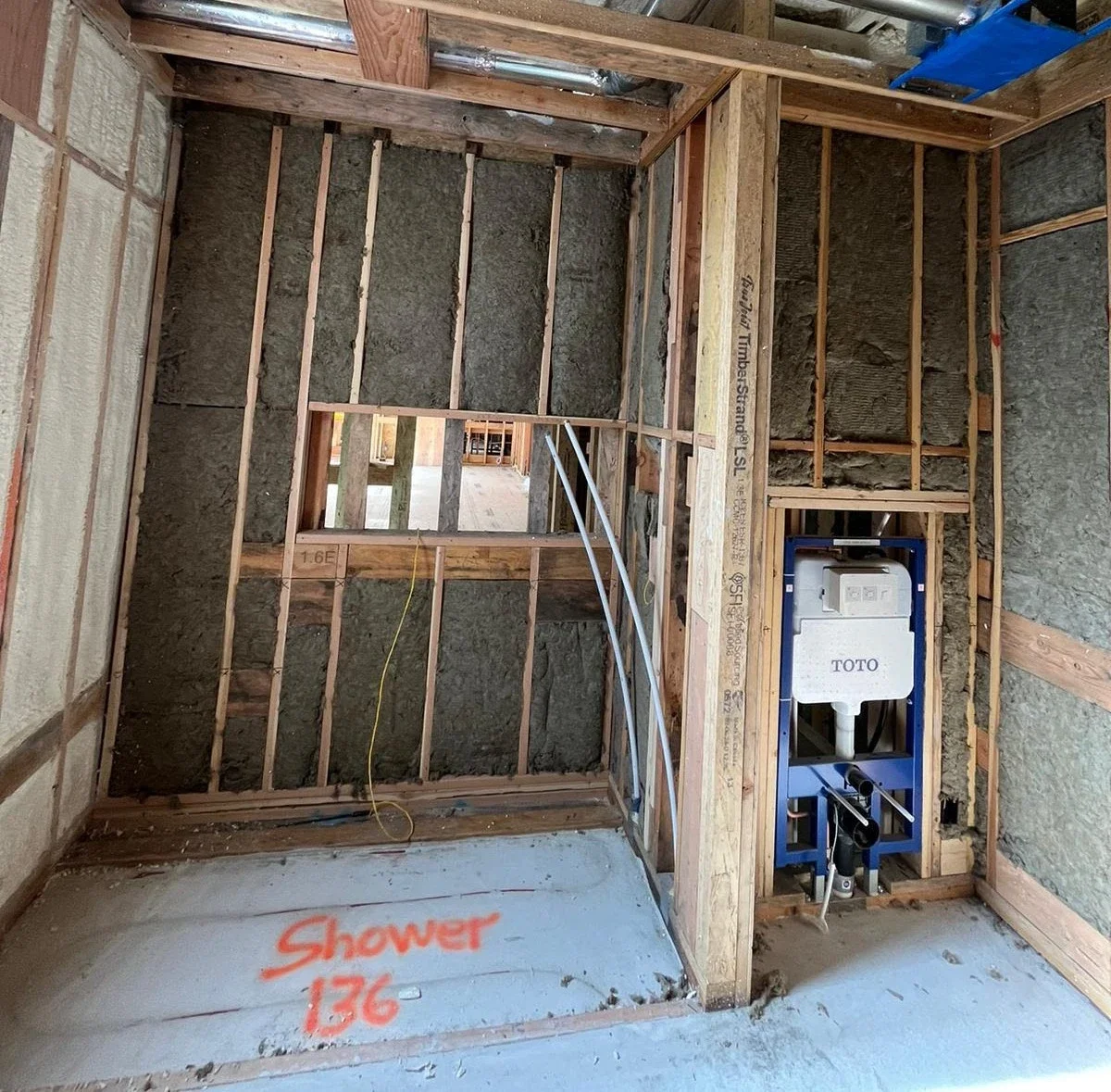
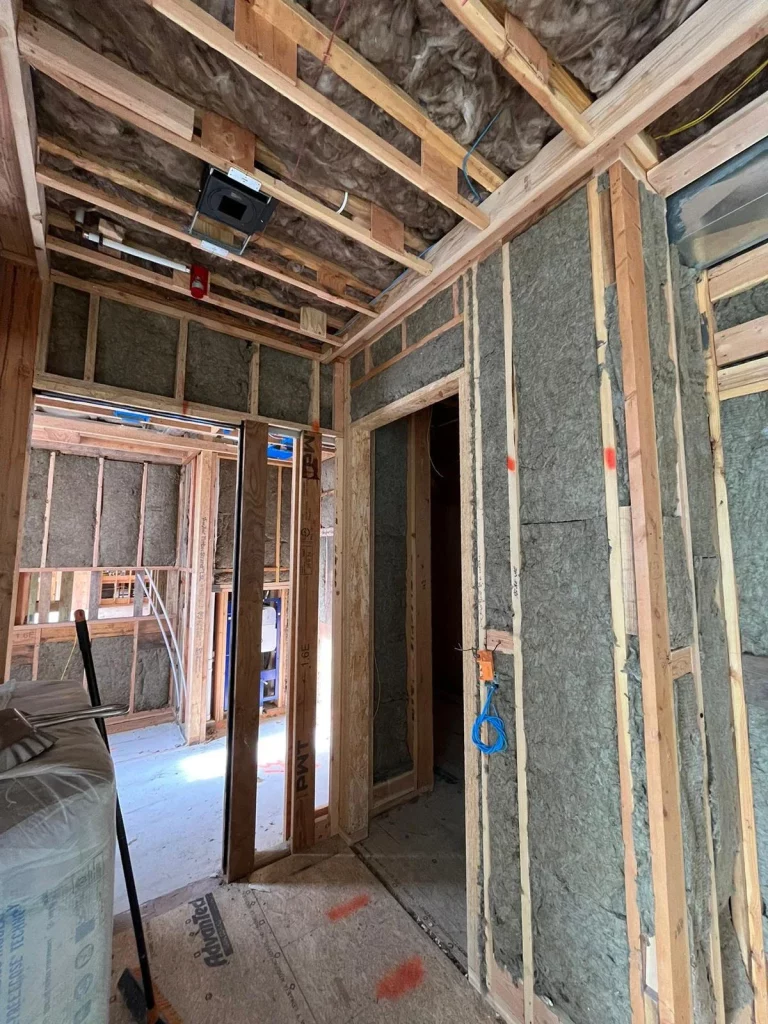
Rock wool is spun from molten basalt or similar rock, and slag wool is made from blast-furnace slag. The material is usually about 75% post-industrial recycled content, and it comes as batts, as loose-fill that installers blow into attics and walls, and as rigid boards. That range of forms is why mineral wool insulation for homes shows up everywhere from attic floors to the outside of foundation walls.
Mineral Wool Insulation Benefits That Matter in Rigby
Rigby winters are long and cold, and homes here deal with snow, moisture, and furnaces running for months. Three traits set mineral wool apart.
Fire Resistance
ROCKWOOL’s Comfortbatt brochure lists a melting point of about 2150°F and says the product tested as non-combustible under ASTM E 136. In plain terms, it won’t feed a fire the way some materials can, which buys time in an emergency.
Moisture and Mold
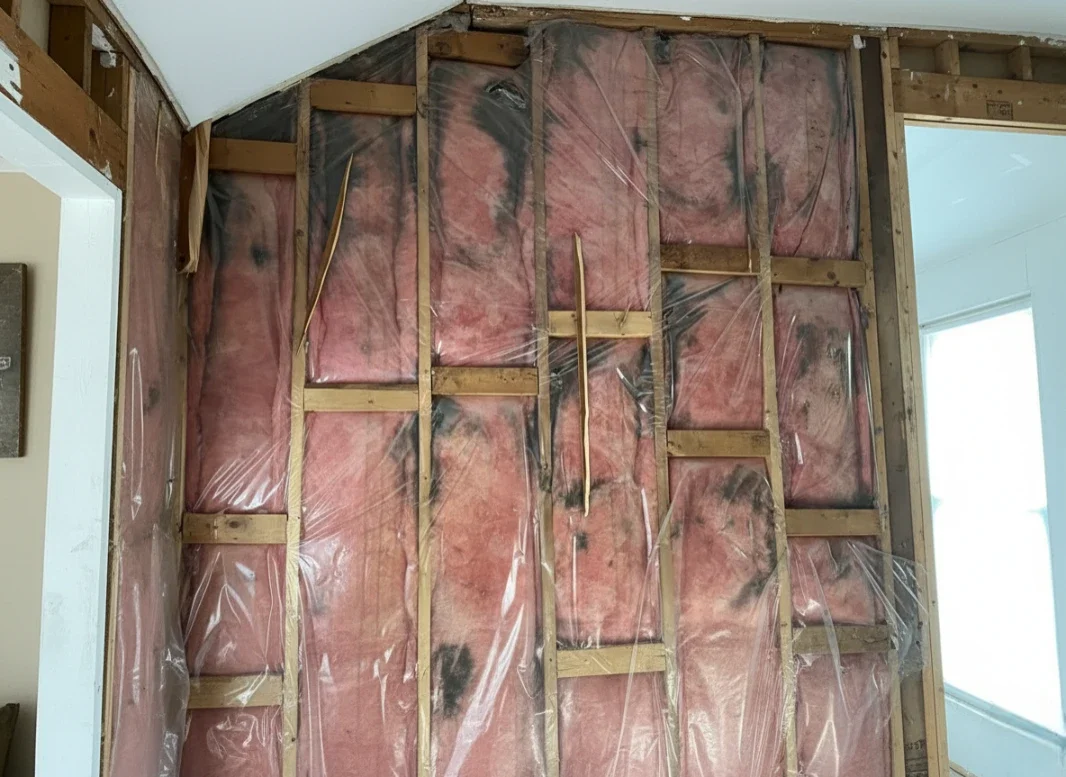
The manufacturer says stone wool is water resistant and won’t rot or support mold, mildew, or fungi. That doesn’t excuse a leak. Wet framing is still wet framing, so fix the water source first.
Fit and Sound
Mineral wool batts hold their shape instead of flopping over, and you can carve them to fit around obstacles. They’re dense, so many people use them in bedroom, bathroom, and office walls. Be realistic, though. One builder on Green Building Advisor noted that inside a closed wall cavity, the sound difference compared with high-density fiberglass isn’t noticeable.
What Trade-Offs Should You Weigh First?
No insulation is perfect, and mineral wool has real downsides. Know them before you sign anything.
Price. Green Building Advisor puts it at roughly 50% more expensive than fiberglass. As an example, one homeowner got a $10,000 quote for fiberglass and $16,000 for mineral wool on the same house.
Availability. You may have to special-order it.
Itch. Like fiberglass, it can make you itch or cause a mild rash, so wear long sleeves, gloves, a mask, and eye protection.
It’s not an air barrier. Mineral wool lets air and vapor pass through, so drafts still need sealing separately.
The gap is narrowing. High-density R-15 fiberglass batts for 2×4 walls are available by special order.
What R-Value Does a Rigby Home Need?
R-value is the number that matters most in a cold climate, and Idaho’s code sets the floor. Jefferson County falls in Climate Zone 6, and Idaho adopted the 2018 IECC with state amendments on January 1, 2021.
The same summary sets an air leakage limit of 5 air changes per hour at 50 pascals. Here’s how that plays out. A mineral wool batt for a 2×6 wall rates R-23, while one for a 2×4 wall rates R-15. The 2×6 batt clears R-22 by itself. A 2×4 wall needs continuous board on the outside to qualify.
Codes change, too. According to NEEA’s Q2 2026 newsletter, Idaho is still discussing how to adopt the 2024 code after legislative action on it. Check with the local building department before you pull a permit.
Mineral Wool Insulation Installation: What Good Work Looks Like
The best batt in the world performs poorly if it’s stuffed in crooked. Here’s what to expect from a good crew.
Air seal first. The U.S. Department of Energy recommends asking contractors about air sealing, since leaks should be sealed before insulation goes in.
No gaps or squashing. DOE suggests measuring batt thickness and checking for gaps between batts, between batts and framing, and around electrical boxes.
Grade I quality. The Insulation Institute notes that work failing Grade I criteria can lead to callbacks and failed inspections.
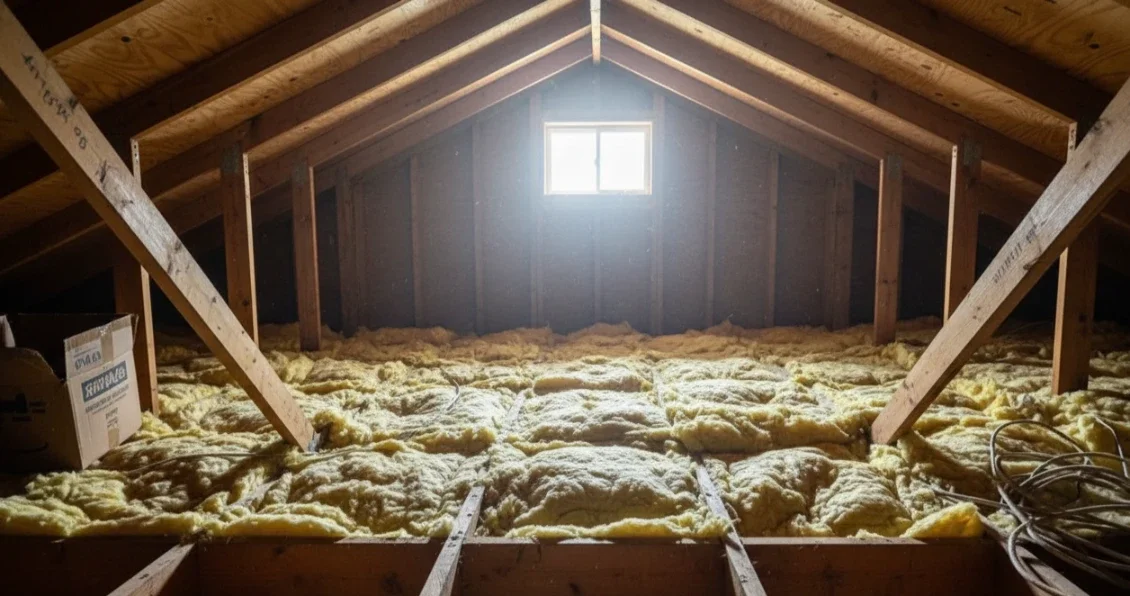
Correct depth for blown-in. Loose-fill bags carry coverage charts showing the minimum settled thickness for each R-value.
Vapor control. Because mineral wool is vapor-open, ask the inspector which vapor retarder your wall assembly needs.
Where Residential Mineral Wool Insulation Fits Best
Mineral wool earns its price in some spots more than others. The key mineral wool insulation benefits include fire resistance, moisture resistance, and sound control. ROCKWOOL lists exterior wall cavities, exposed floors, basements, crawl spaces, and attics as common uses for its batts. Homeowners in Rigby can view our map to locate us before exploring our insulation options. Board versions can go below grade or wrap the outside of walls to cut heat loss through studs.
For a dry, open attic floor on a tight budget, it’s fair to price blown fiberglass or cellulose side by side.
A Simple Checklist for Choosing Mineral Wool Insulation
Run through these questions before you commit:
Does the product’s R-value meet Zone 6 code for that spot?
Is the wall 2×4 or 2×6, and do you need exterior board?
Is the space damp, near heat, or noisy?
Did the quote include air sealing?
Did you compare at least two quotes for the same R-value?
Did the installer explain how they’ll handle vapor control?
Get a Free Quote From High Country Solutions
If you’re weighing mineral wool for walls, a basement, or an attic, we can look at the space and talk through options that fit Rigby’s code and your budget. High Country Solutions offers free quotes. Call (307) 248-9063 or email [email protected] to set one up in Rigby, ID.
FAQs
Is mineral wool better than fiberglass?
It’s denser, more fire-resistant, and handles water better. Fiberglass costs less, and high-density fiberglass closes much of the R-value gap.
Is mineral wool worth the extra cost?
It depends on the space. One Green Building Advisor contributor argued that if you can get a Grade 1 install with fiberglass, mineral wool isn’t worth the premium. Damp areas and sound walls are where it pays off most.
Does mineral wool get moldy?
The fibers themselves don’t feed mold, but dust and debris on wet insulation still can. Fix leaks before reinsulating.
Can I install mineral wool myself?
DOE lists batts as a do-it-yourself option, provided you follow the maker’s instructions and check local codes. Blown-in work needs special equipment.
Is mineral wool itchy?
Fibers from both rock wool and fiberglass can irritate skin. Cover up and wear a mask.
Sources
U.S. Department of Energy – recycled content, insulation forms, air sealing and install quality checks
I’m Skeeter Aimone, owner of High Country Solutions in Alpine, Wyoming, leading the company since 2019. I focus on quality installation, building science, and insulation solutions suited to harsh Wyoming and eastern Idaho conditions.