Is Mineral Wool Insulation Effective for Homes in Star Valley Ranch?
Skeeter Aimone
April 16th, 2026
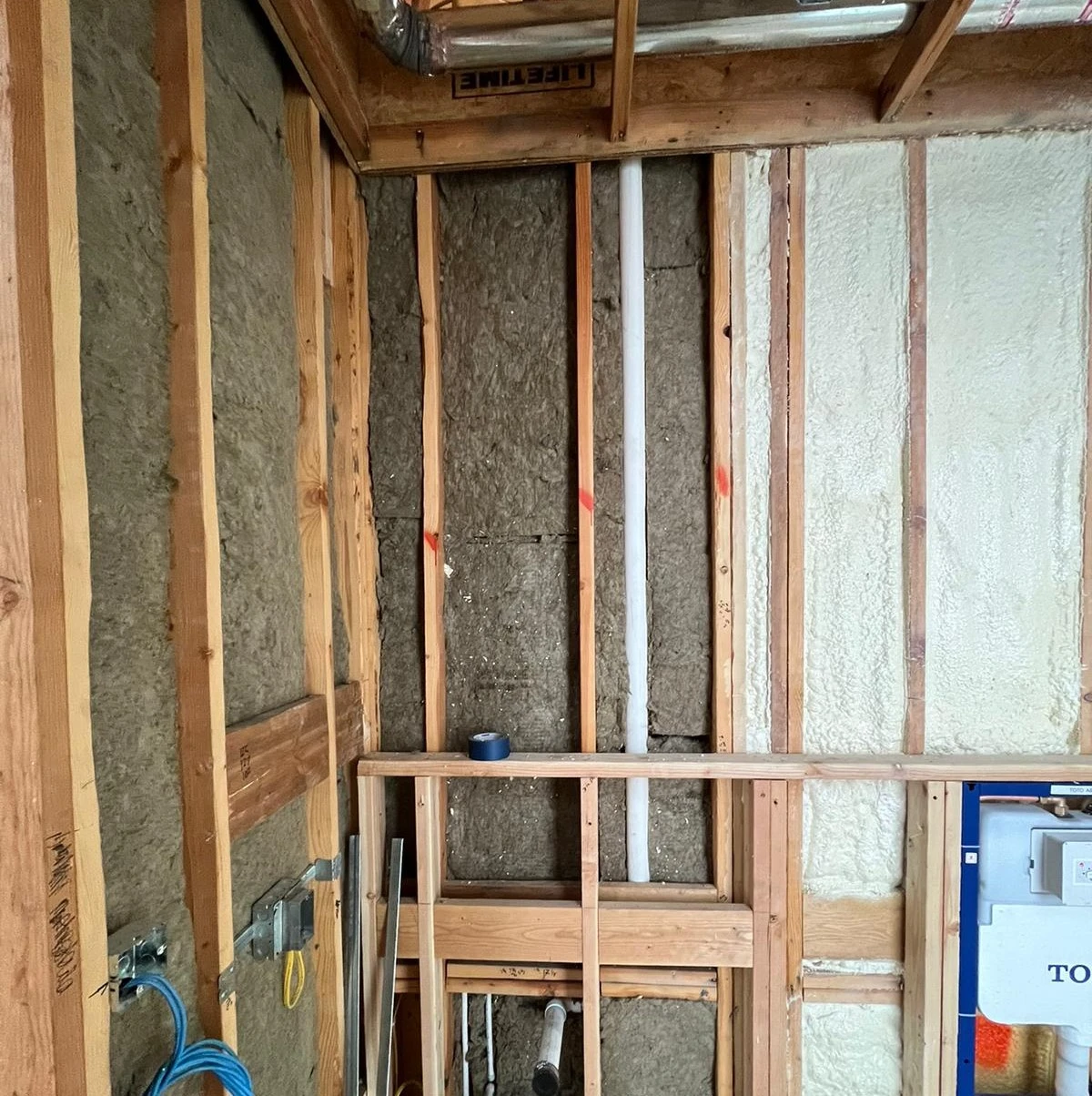
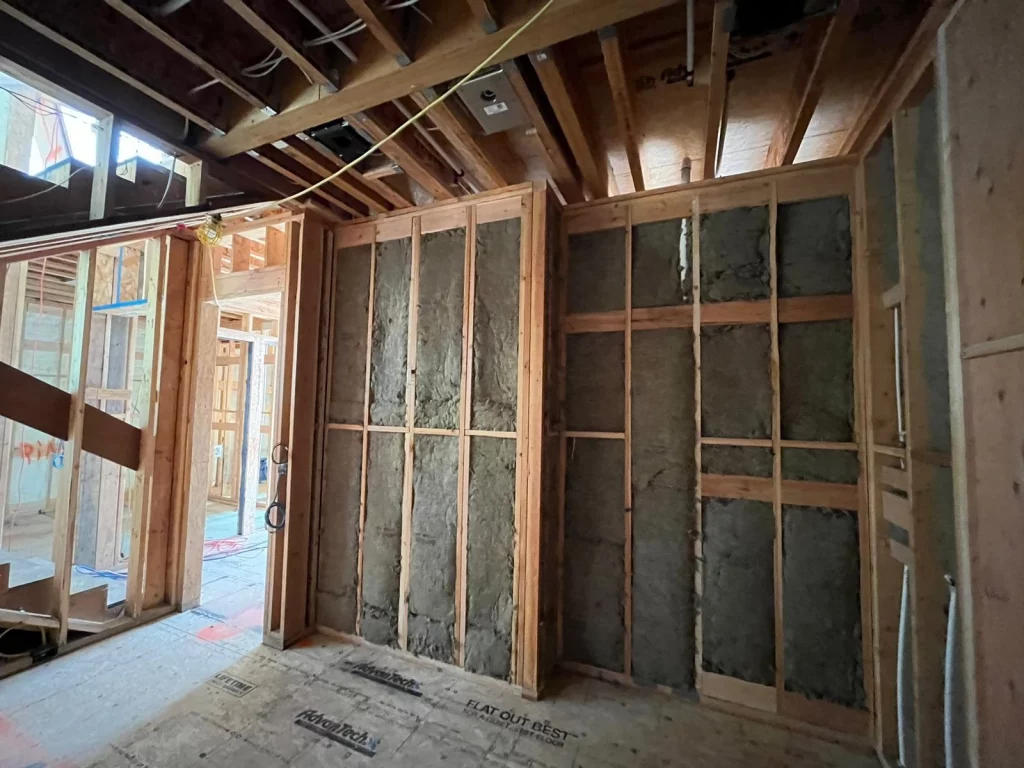
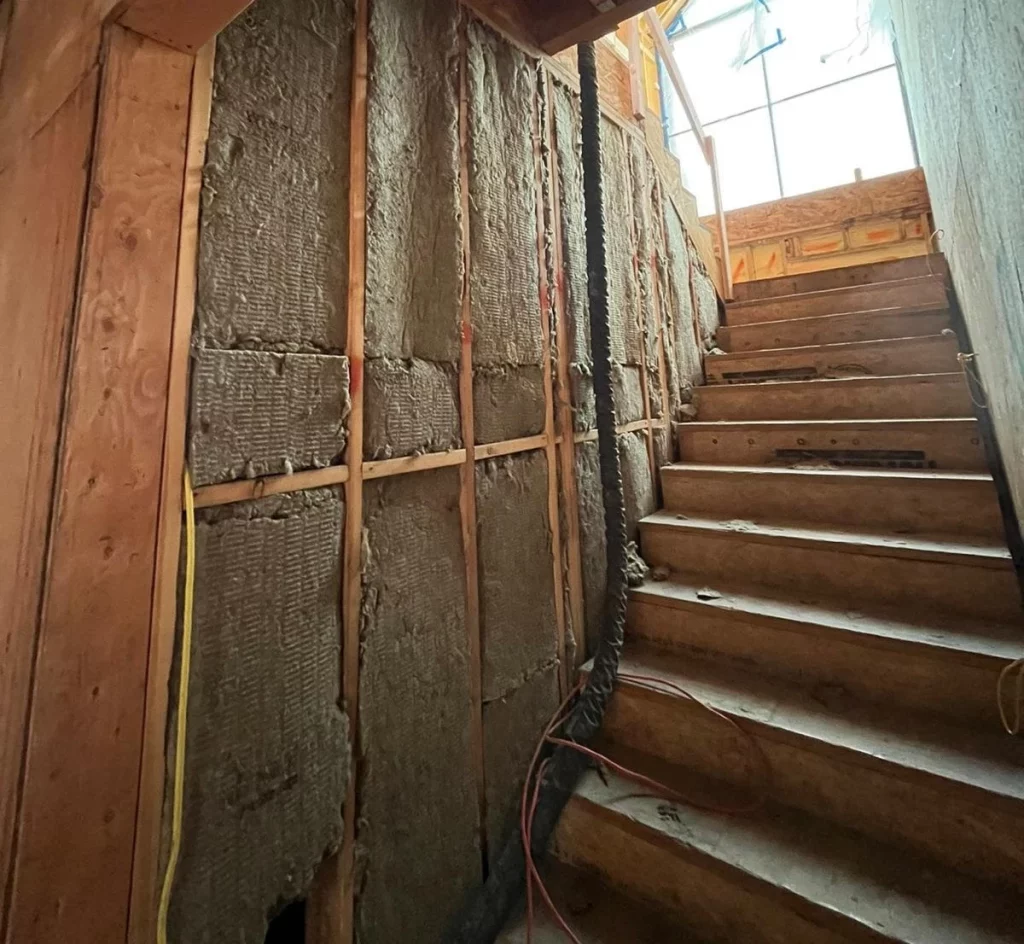
Yes, mineral wool insulation is an effective and well-suited choice for homes in Star Valley Ranch. Located in Lincoln County, Wyoming, Star Valley Ranch sits in IECC Climate Zone 7, meaning it faces some of the most demanding winter conditions in the continental United States. Temperatures regularly drop below zero, with lows reaching -13°F or colder and annual snowfall averaging around 103 inches. In a climate this extreme, insulation performance is not optional; it is essential for comfort, energy efficiency, and structural protection. Mineral wool delivers a combination of high thermal resistance (R-3.3 to R-4.0 per inch), fire resistance, moisture resistance, and sound dampening that makes it particularly well-suited to cold-climate construction. The right choice between mineral wool and alternatives like fiberglass or spray foam depends on your budget, project scope, and whether you are building new or retrofitting an existing home. For a deeper understanding, explore advanced home insulation solutions.
TL;DR
Star Valley Ranch falls in IECC Climate Zone 7, where ENERGY STAR recommends R-60 for uninsulated attics and R-49 for attics with existing insulation, along with R-38 for floors.
Mineral wool delivers approximately R-3.3 to R-4.0 per inch, placing it ahead of standard fiberglass in thermal performance and making it capable of meeting Zone 7 requirements in standard wall cavities.
Mineral wool is naturally hydrophobic and vapor permeable, meaning it repels bulk water while allowing moisture vapor to pass through, which reduces the risk of mold and condensation inside wall assemblies.
Its non-combustible nature provides a fire resistance advantage over fiberglass, an important factor in rural areas where emergency response times may be longer.
Mineral wool typically costs 25 to 50 percent more than fiberglass, with installed costs ranging from roughly $1.40 to $2.50 per square foot depending on the project.
The material maintains its R-value when compressed, unlike fiberglass, which loses effectiveness if packed too tightly into cavities.
For new construction and full gut renovations in Star Valley Ranch, mineral wool is a strong investment. For budget-conscious retrofits, fiberglass or blown-in cellulose may be more practical.
Why Star Valley Ranch Demands High-Performance Insulation
Star Valley Ranch experiences the kind of cold that punishes poorly insulated homes. Winter highs average around 29°F, and nighttime lows routinely fall into the single digits or below zero. The heating season stretches for roughly seven to eight months, which means your insulation is working hard for the majority of the year. In Climate Zone 7, the ENERGY STAR recommended R-values call for some of the highest insulation levels in the country. Attics need R-60 if uninsulated or R-49 if they already have a few inches. Floors over unconditioned spaces require R-38. Above-grade walls should reach a minimum of R-20 to R-23, depending on framing.
These are not suggestions. Falling short of these targets means higher heating bills, drafty rooms, and greater risk of ice dams, frozen pipes, and moisture damage. In a mountain valley community like Star Valley Ranch, the building envelope is your first line of defense against the elements.
How Mineral Wool Performs in Cold Climates
Mineral wool, sometimes called rock wool or stone wool, is made from basalt or slag that is spun into fibers and formed into batts or boards. According to This Old House, mineral wool provides an R-value of approximately 3.0 to 3.3 per inch, though some high-density products reach R-4.0 per inch. Johns Manville’s head-to-head comparison notes that mineral wool batts can achieve R-15 at just 3.5 inches of thickness, outperforming standard fiberglass at the same depth.
What separates mineral wool from other insulation types in cold climates is not just its R-value, but how it behaves under real-world conditions:
Cold-temperature stability: Mineral wool actually performs better as temperatures drop. Its R-value remains stable in sub-zero conditions, whereas some insulation materials lose effectiveness as the temperature differential between inside and outside increases.
Moisture management:Owens Corning highlights that mineral wool is vapor permeable, allowing moisture to move through the wall assembly rather than getting trapped. This is critical in Star Valley Ranch, where temperature swings can cause condensation inside walls if vapor cannot escape.
Compression resistance: Mineral wool retains its R-value even when compressed. Fiberglass, by contrast, loses thermal resistance if it is packed too tightly around pipes, electrical boxes, or in narrow cavities. This matters in retrofit situations where existing framing may not be perfectly uniform.
Sound isolation: The dense, fibrous structure of mineral wool provides meaningful sound attenuation. In a valley setting where wind noise can be significant, this adds a comfort benefit that goes beyond thermal performance.
Mineral Wool vs. Fiberglass vs. Spray Foam: A Comparison for Zone 7
Not all insulation is created equal, and the best choice depends on your specific project. Here is how the three most common options compare for Star Valley Ranch homes:
Insulation Type
R-Value Per Inch
Fire Resistance
Moisture Resistance
Installed Cost (per sq ft)
Best Application
Mineral Wool
3.3 to 4.0
Non-combustible
Hydrophobic, vapor-permeable
$1.40 to $2.50
Walls, attics, basements, fire-rated assemblies
Fiberglass
2.9 to 3.8
Burns, but self-extinguishing
Absorbs moisture, can lose R-value
$0.80 to $1.50
Budget wall fills, standard attic insulation
Closed-Cell Spray Foam
6.0 to 7.0
Burns with toxic smoke
Acts as vapor barrier
$3.00 to $6.00
Rim joists, crawlspaces, air sealing
Each material has its place. Spray foam offers the highest R-value per inch and doubles as an air barrier, but it is significantly more expensive and should not be used as the sole insulation in all cavities without careful vapor profile planning. Fiberglass is the most affordable option, but falls short in moisture resistance and sound dampening. Mineral wool occupies a strong middle ground, offering higher thermal performance than fiberglass, better moisture handling, and superior fire resistance, all at a moderate price increase over fiberglass. For a more detailed comparison, review mineral wool insulation performance and benefits.
Mineral Wool Fire Resistance: An Overlooked Advantage in Rural Wyoming
In a community like Star Valley Ranch, fire protection matters. Mineral wool is made from inorganic materials that do not burn, melt, or produce toxic smoke when exposed to high heat. It can withstand temperatures exceeding 2,000°F without igniting, and it acts as a fire barrier that slows flame spread through framing cavities. This is not a minor detail. Homes in rural Wyoming may be farther from fire stations, and a fire that spreads through unprotected wall cavities can cause significantly more damage before help arrives. Mineral wool provides passive fire protection that requires no maintenance, no electricity, and no activation.
The Cost Question: Is Mineral Wool Worth the Premium?
Mineral wool costs approximately 25 to 50 percent more than fiberglass on a material basis. For a typical 1,500-square-foot home in Star Valley Ranch, the difference might amount to a few hundred to a couple thousand dollars in material costs. However, the long-term value proposition is worth considering:
Lower heating bills from higher effective R-values over the life of the home
Reduced risk of moisture-related damage, mold remediation, and structural repairs
Passive fire protection that could limit insurance claims or property loss
Better sound isolation that improves daily comfort
For new construction, where the cost difference is a small percentage of the total build budget, mineral wool is an easy recommendation. For retrofits where budget constraints are tighter, it makes sense to prioritize mineral wool in the most vulnerable areas first, such as north-facing walls, basements, and rooms above unconditioned garages.
Recommendations by Project Type
New Construction: Mineral wool is an excellent choice throughout the building envelope. Use R-15 mineral wool in 2×4 walls and R-23 in 2×6 walls. Pair it with exterior rigid insulation to meet the R-20 to R-23 wall assembly requirement for Climate Zone 7.
Major Renovation (Gut Rehab): When walls are opened to the studs, replacing existing insulation with mineral wool batts is straightforward and cost-effective. This is the ideal time to upgrade.
Attic Retrofit: Mineral wool batts can be layered in the attic to reach R-49 or R-60. Blown-in cellulose or fiberglass over existing insulation may be more practical and affordable for deep attic fills, but mineral wool works well in shallow attic assemblies or where fire resistance is a priority.
Basement and Crawlspace: Mineral wool performs well below grade because of its moisture resistance. R-15 to R-19 batts against foundation walls help keep floors warm and reduce heat loss to the ground.
Signs You Have Chosen the Right Insulation Approach
Working with the right team matters as much as the material itself. Here is what to look for:
Clear explanation of R-value targets: Your contractor should reference Climate Zone 7 requirements and explain how their recommended insulation meets or exceeds them for each area of the home.
Attention to air sealing: Insulation alone does not stop drafts. A quality installer will discuss air sealing as part of the insulation plan, including sealing around windows, doors, rim joists, and penetrations.
Moisture management strategy: The right approach includes discussion of vapor barriers, vapor retarders, and how moisture will move through the assembly. Mineral wool’s vapor permeability should be explained in context.
Detailed written estimate: You should receive a line-item breakdown of materials, labor, and any additional work like air sealing or removal of old insulation.
Local experience: Contractors familiar with Star Valley Ranch understand the specific challenges of building at elevation, including heavy snow loads, high wind exposure, and the importance of proper venting in attics.
Get Expert Insulation Guidance for Your Star Valley Ranch Home
High Country Solutions specializes in insulation solutions designed for the demands of Wyoming mountain living. Our team understands Climate Zone 7 requirements and can help you determine whether mineral wool is the right fit for your home, your budget, and your long-term comfort goals.
Call us at (307) 248-9063or email [email protected] to discuss your project. We serve Star Valley Ranch and surrounding communities with honest recommendations and quality installation that stands up to Wyoming winters.
Frequently Asked Questions
What R-value do I need for my attic in Star Valley Ranch?
ENERGY STAR recommends R-60 for an uninsulated attic and R-49 if you already have 3 to 4 inches of existing insulation, as Star Valley Ranch is in Climate Zone 7.
Is mineral wool worth the extra cost over fiberglass?
For most homeowners in Star Valley Ranch, yes. The higher R-value per inch, moisture resistance, and fire protection justify the 25 to 50 percent premium, especially in new construction or gut renovations.
Can mineral wool get wet and still work?
Mineral wool is hydrophobic, meaning it repels liquid water. If it gets wet, it can dry out and retain most of its R-value, unlike fiberglass, which can sag and lose effectiveness when saturated.
Does mineral wool need a vapor barrier?
In most Climate Zone 7 wall assemblies, a vapor retarder is still recommended on the warm side of the insulation. Mineral wool is vapor-permeable, which helps assemblies dry, but it does not replace the need for proper vapor control.
Is mineral wool safe to handle during installation?
Mineral wool can cause temporary skin irritation and dust during handling, so gloves, long sleeves, eye protection, and a dust mask are recommended. It does not contain formaldehyde binders like some fiberglass products.
I’m Skeeter Aimone, owner of High Country Solutions in Alpine, Wyoming, leading the company since 2019. I focus on quality installation, building science, and insulation solutions suited to harsh Wyoming and eastern Idaho conditions.