What Problems Can Mineral Wool Insulation Help Solve in Residential Buildings?
Quick answer: The main mineral wool insulation benefits in a house come down to five problems: rooms that lose heat…


Quick answer: The main insulation types Alpine, WY homeowners pick from are fiberglass or mineral wool batts, blown-in cellulose or fiberglass, spray foam, and rigid foam board. They differ in how much heat they stop per inch, how well they block air and moisture, and where they fit. In our long, cold winters, the right pick depends on the spot in your house, and sealing air leaks matters as much as the material.
TL;DR
Most types of insulation for homes fall into four groups. Each one comes in a form built for a certain job, so the material and the location go together.
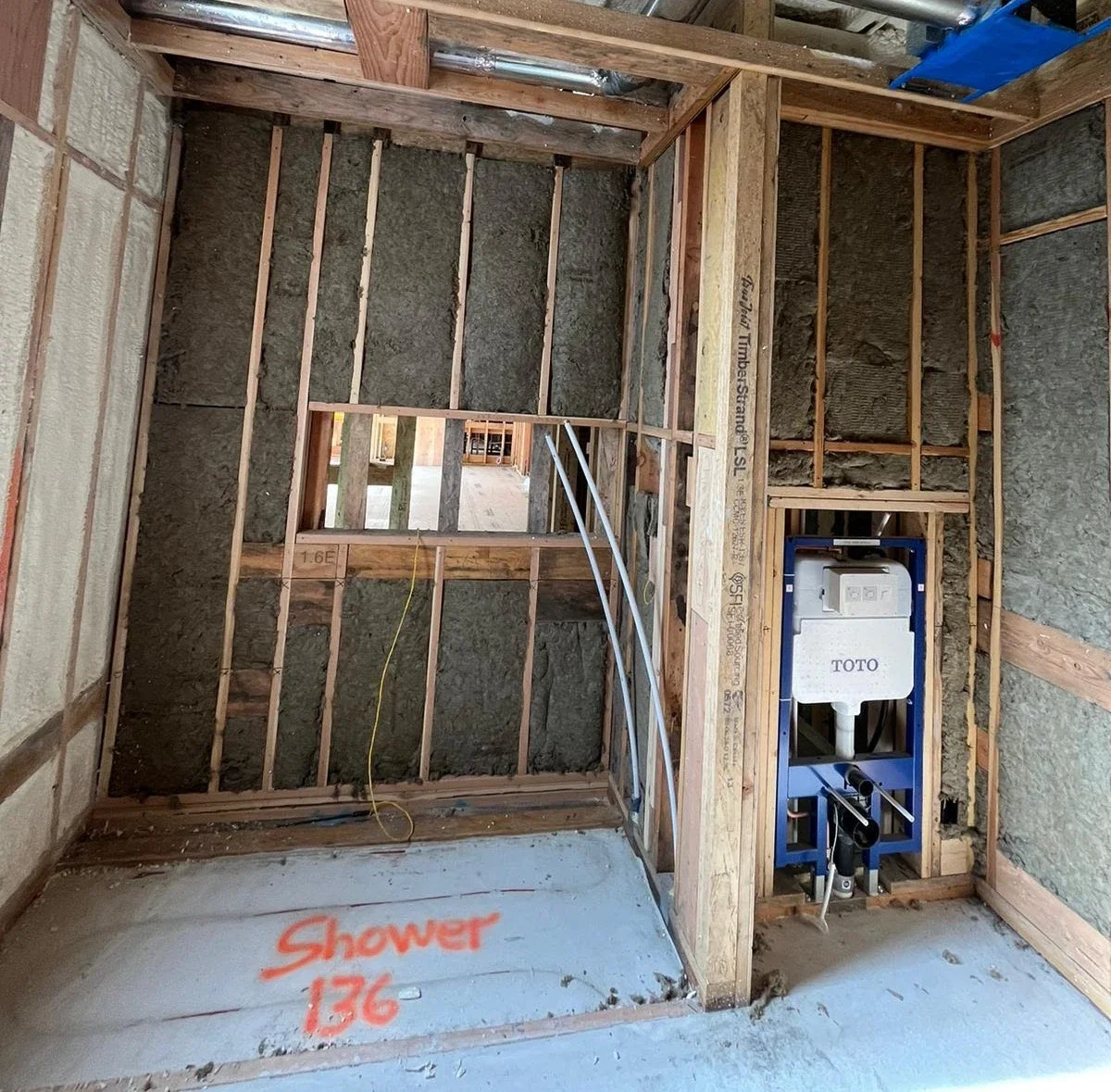
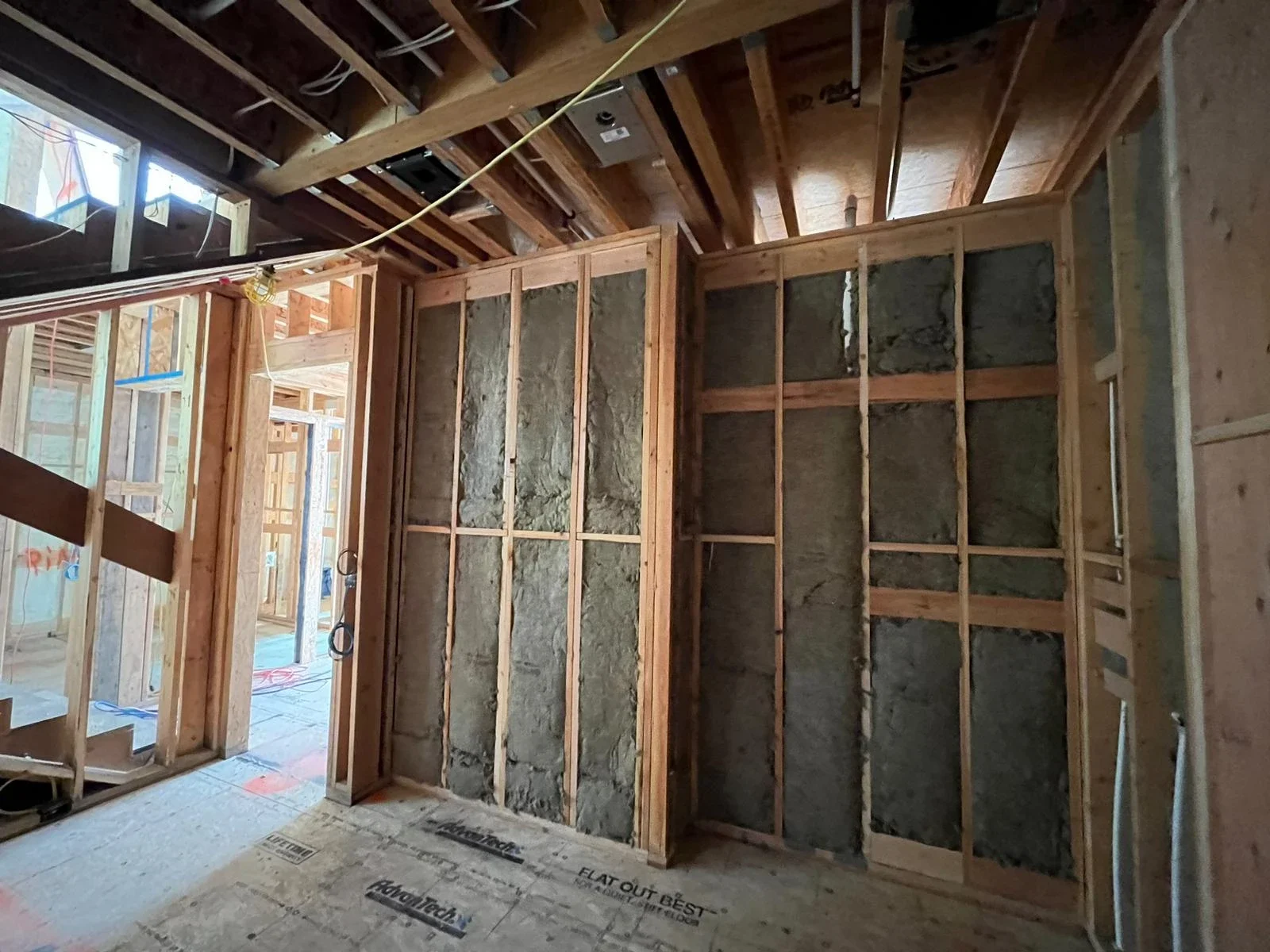
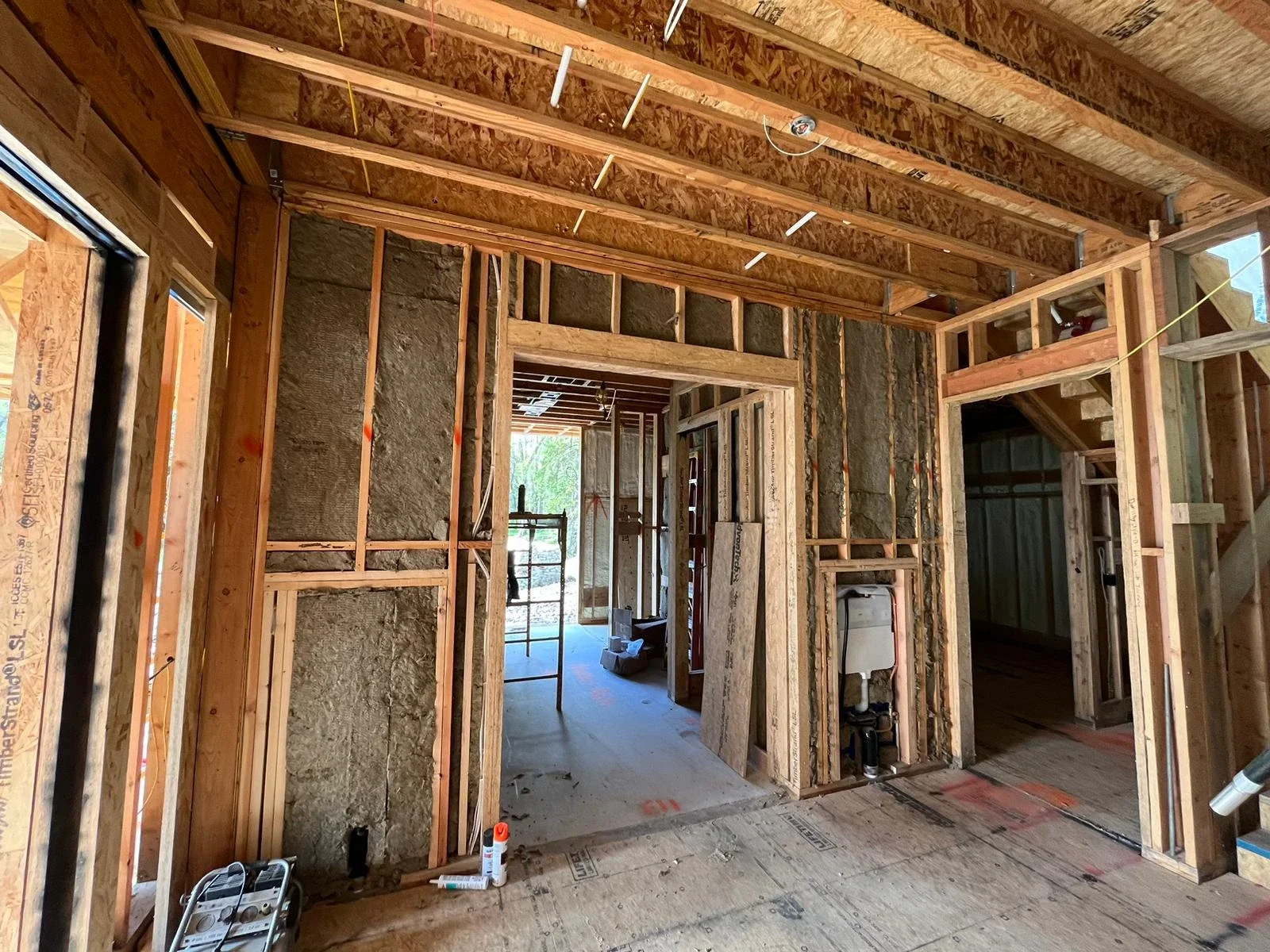
According to the U.S. Department of Energy, blanket insulation in batts or rolls is the most common and widely available type, and it’s usually fiberglass. A 2×4 wall can hold R-13 or R-15 batts, while 2×6 walls take R-19 or R-21 products. Batts work well in open framing. The catch is fit: a batt stuffed around wiring or outlet boxes leaves gaps, and heat slips through those gaps all winter.
Loose-fill is made of small particles that conform to any space without disturbing structures or finishes, which makes it a good fit for retrofits and hard-to-reach spots. It settles over time, so manufacturers publish coverage charts showing the minimum settled thickness needed for each R-value. An attic blown too thin can lose performance as it settles.
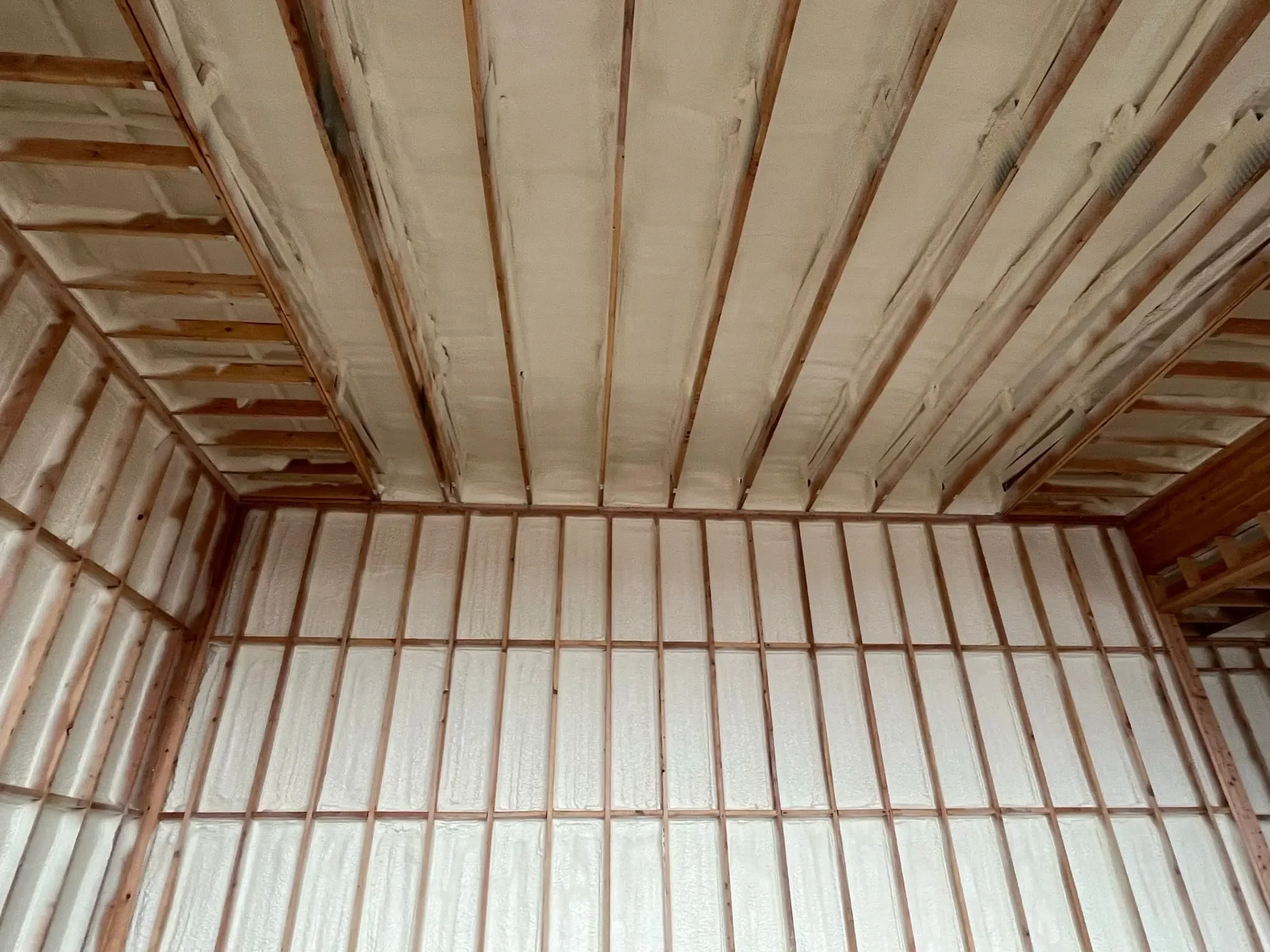
Closed-cell foam has a higher R-value and better resistance to moisture and air leaks, but it’s denser and costs more. Open-cell foam is lighter and cheaper, but it shouldn’t be used below ground where it could absorb water. Foam must be covered by a thermal barrier equal in fire resistance to half-inch drywall, and some codes may still require a separate vapor retarder.
Foam boards can offer up to twice the thermal resistance of most other materials at the same thickness, and they cut heat loss through wood and steel studs. That makes them a strong choice where space is tight.
| Type | Best Spots | Main Trade-Off |
|---|---|---|
| Batts | Open walls, floors | Gaps if poorly fitted |
| Blown-in | Attics, closed walls | Settles over time |
| Spray foam | Rooflines, rim joists | Higher cost, pro only |
| Rigid foam | Basements, sheathing | Needs fire covering inside |
Alpine is in Lincoln County, which is classified in climate zone 7. That means a long heating season and a lot of heat trying to escape through your attic, walls, and floors.
For zone 7 retrofits, the ENERGY STAR R-value guide suggests R60 for an uninsulated attic, R49 added if you already have 3 to 4 inches, and R38 for floors. For basement or crawlspace walls in zones 5 to 8, it suggests R15 insulative sheathing or an R19 batt.
Heat leaking into the attic can also melt roof snow that refreezes at the eaves as ice dams. That’s why air sealing comes first. The DOE advises sealing air leaks before installing insulation.
Looking for the best insulation for homes in Alpine, WY? The honest answer depends on where it’s going. Here’s how we’d match materials to each area.
Blown-in cellulose or fiberglass is usually the most practical way to reach R49 to R60. Seal around light fixtures, plumbing stacks, and the attic hatch before anything goes down.
These spaces have little depth, so closed-cell spray foam or rigid foam gets more R-value per inch. Stopping air leaks here also helps cut the warm spots that feed ice dams.
Blown-in insulation can fill empty cavities through small holes. If you’re replacing siding, ENERGY STAR suggests adding R5 to R10 insulative sheathing over uninsulated walls in zones 4 to 8, or R10 over an insulated 2×4 wall.
Rigid foam or closed-cell foam on the walls handles ground moisture better than open-cell foam or bare fiberglass.
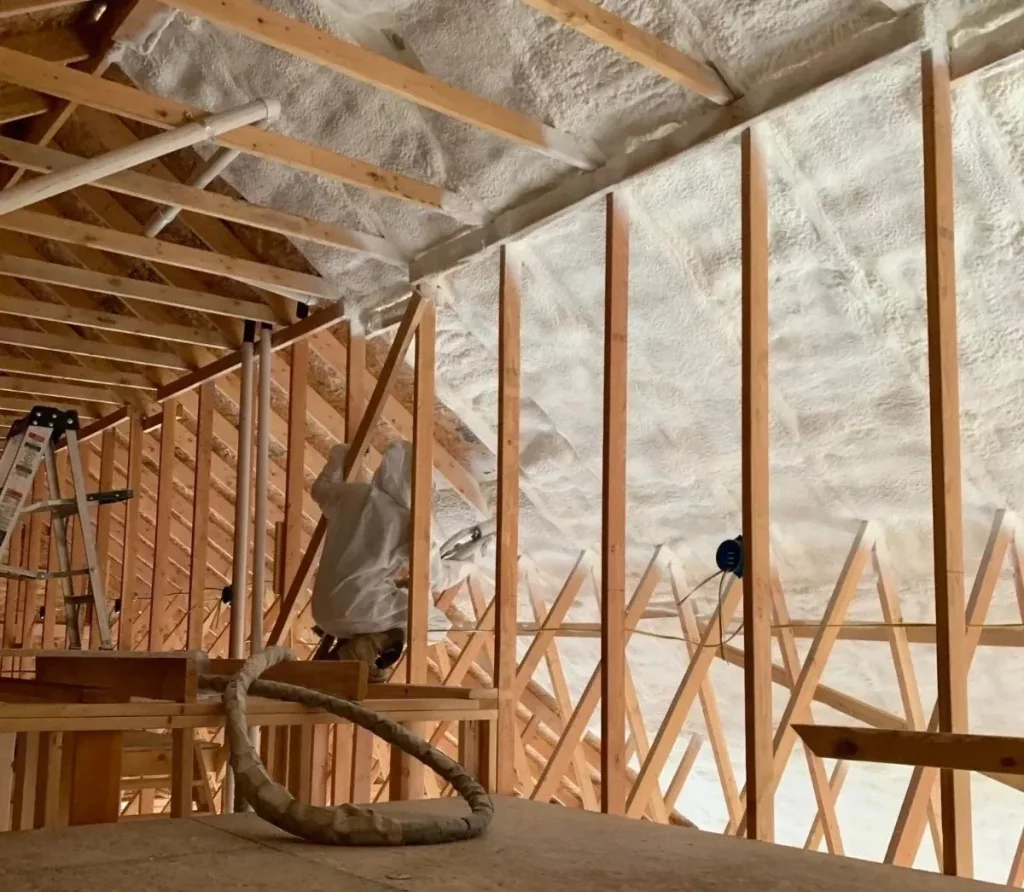
Some jobs are fine for a weekend. Others need equipment and training to get the R-value you’re paying for.
Homeowners can install blankets, boards, and pour-in materials, but liquid foam requires professional installation. For residential insulation Alpine, WY projects, get more than one estimate. The DOE notes that quotes for the same R-value can vary by more than a factor of two, and suggests asking contractors about their air-sealing services too. After insulation installation, Alpine, WY homeowners should check batt fit and measure blown-in depth for gaps.
Before comparing home insulation options Alpine, WY contractors offer, gather a few facts about your house.
If your home loses heat fast or the attic feels thin, High Country Solutions in Alpine, WY can look at what you have and walk you through which insulation fits each area. We offer a free quote. Call (307) 248-9063 or email [email protected].
No single material wins everywhere. Blown-in insulation is often the most cost-effective for open attics, while closed-cell foam or rigid board suits tight or damp spaces.
Spray foam blocks air leaks and fiberglass doesn’t, but foam costs more. Fiberglass paired with good air sealing can still perform well where there’s room for depth.
Usually yes, if the old insulation is dry and clean. ENERGY STAR’s zone 7 guidance assumes topping up existing attic insulation to reach R49 or more.
Check with the town first. The Town of Alpine has adopted the 2021 International Building Codes, with exceptions listed in town ordinances. Wyoming has no statewide residential energy code, so local adoption decides what applies, according to the DOE Building Energy Codes Program. See the Town of Alpine building codes page for details.