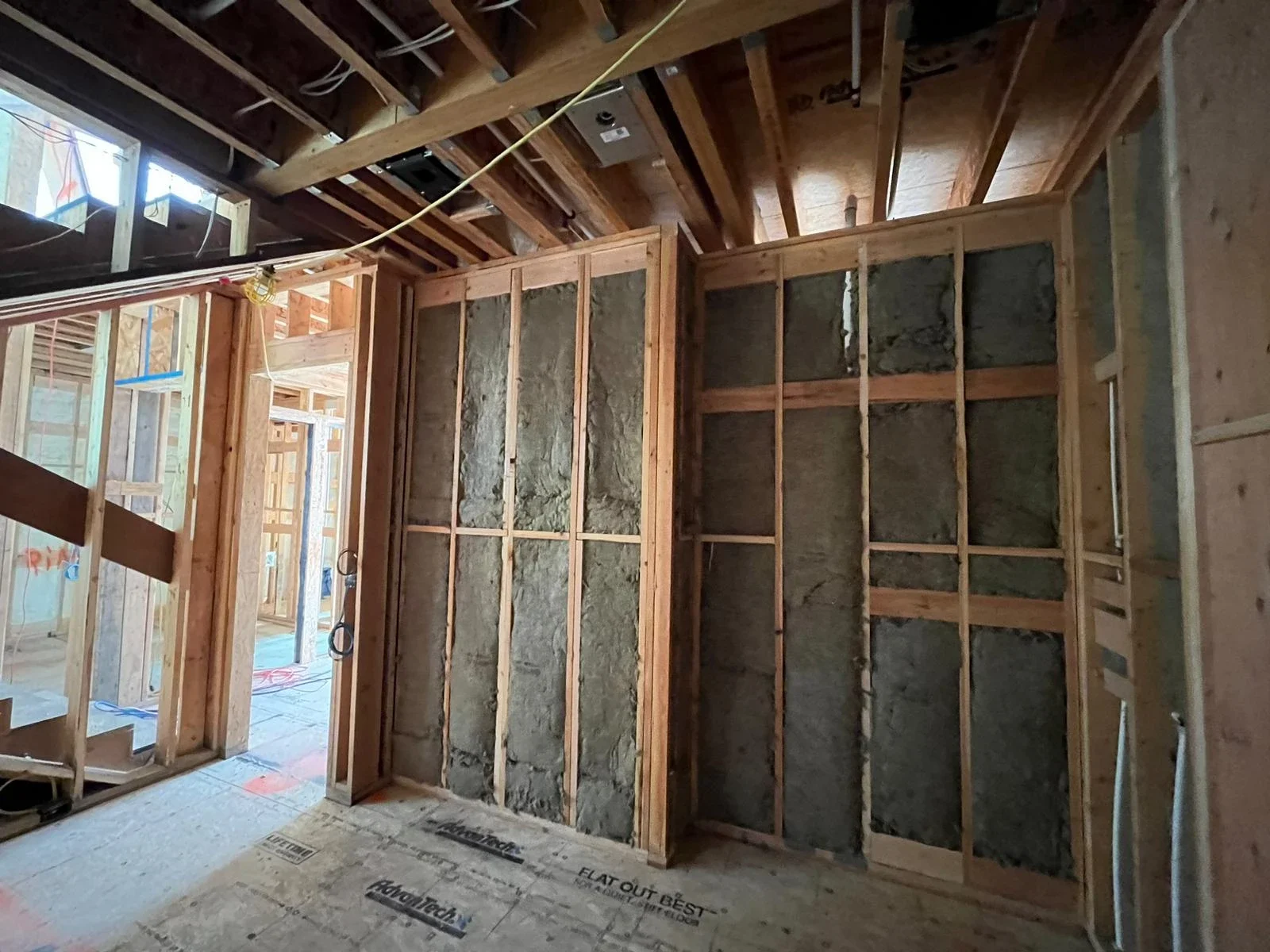
Mineral Wool vs Fiberglass Insulation: Which Option Is Better for Your Home?
Quick answer: In the mineral wool vs fiberglass insulation debate, mineral wool usually wins on fire resistance, moisture handling, sound…


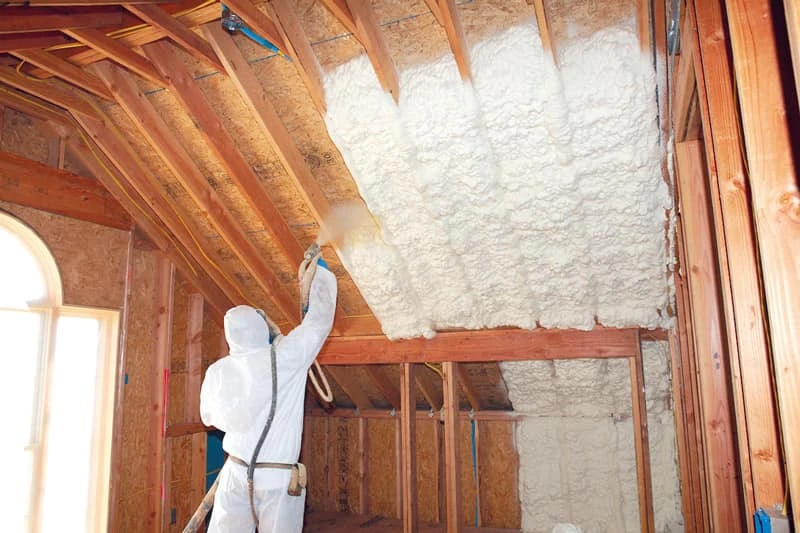
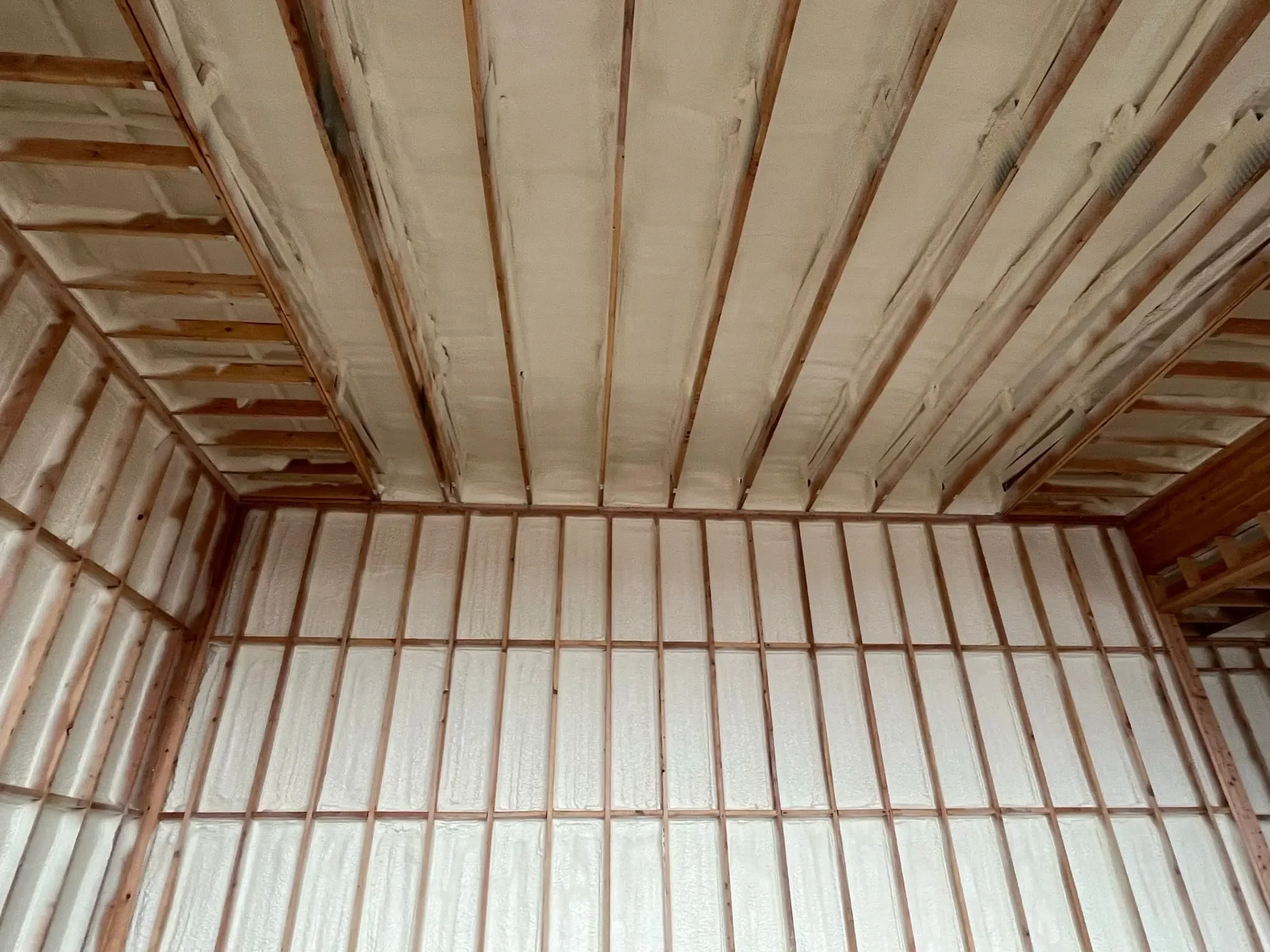
Hiring the right spray foam insulation contractor in Driggs, ID, means understanding three things before you sign anything: local building code requirements for Teton County’s Climate Zone 6, the safety and curing realities of spray polyurethane foam, and the specific credentials a contractor must carry. Builders working in this high-altitude Teton Valley market face long heating seasons, tight insulation deadlines before winter, and the fact that once spray foam is installed, correcting mistakes is expensive and sometimes impossible. The right contractor will understand all of these factors and communicate them clearly before the first truck arrives on site. Partnering with builder insulation experts helps ensure those challenges are addressed before they become costly problems.
Teton County sits in Climate Zone 6, one of the colder regions in Idaho. The Insulation Institute’s Idaho code compliance guide, based on the 2012 International Energy Conservation Code, specifies that new residential construction in Climate Zone 6 must meet a minimum ceiling R-49, wood frame wall R-20+5 or R-13+10, basement wall R-15/19, and floor R-30. These are baseline minimums, not targets for optimal performance.
For builders in Driggs, where winter temperatures regularly drop well below freezing, exceeding code minimums is common practice. Spray foam insulation becomes particularly attractive in this climate because it provides both thermal resistance and an effective air seal in a single application. The EPA notes that spray polyurethane foam is a highly effective and widely-used insulation and air sealant, making it a practical choice for the tight building envelopes required in cold climate construction.
Before hiring any contractor, confirm they understand Idaho’s specific code requirements. A contractor unfamiliar with Zone 6 specifications may under-insulate, leaving your project out of compliance and your clients with higher energy bills.
Not all spray foam is the same, and selecting the wrong type for the application leads to wasted material, code failures, or moisture problems. Here is a straightforward comparison of the two primary spray foam types builders will encounter.
| Factor | Open Cell Spray Foam | Closed Cell Spray Foam |
|---|---|---|
| R-Value per Inch | Approximately R-3.6 to R-3.9 | Approximately R-6.0 to R-7.0 |
| Density | Lower density, softer finish | Higher density, rigid and strong |
| Air Sealing | Excellent air barrier | Excellent air and vapor barrier |
| Moisture Resistance | Permits moisture to pass through | Resists moisture and water intrusion |
| Best Applications | Interior walls, attics, sound-dampening | Exterior walls, crawl spaces, rim joists, metal buildings |
| Structural Benefit | None | Adds wall rigidity and strength |
| Curing Time | Expands significantly, cures faster | Less expansion, denser cure |
For Driggs builders, closed-cell spray foam is often the preferred choice for exterior walls, crawl spaces, and pole barns where moisture resistance and structural support matter. Open cell works well for interior partition walls and attic applications where sound dampening and budget considerations come into play. Discuss your specific project needs with the contractor and verify that they stock and are experienced with both product types to ensure lasting insulation protection throughout the building envelope.
This is the most critical section for any builder to understand before bringing a spray foam contractor onto a job site. Spray polyurethane foam relies on isocyanates as a key chemical ingredient. The EPA has documented that exposures to isocyanates and other SPF chemicals in vapors, aerosols, and dust created during and after installation can cause asthma, sensitization, lung damage, other respiratory problems, and skin and eye irritation.
The U.S. Consumer Product Safety Commission recommends that building occupants, including pets, vacate the premises during installation and remain away for at least 24 hours. Re-occupancy times vary based on product type, foam thickness, building conditions, temperature, and humidity. The CPSC also notes that the potential for off-gassing of volatile chemicals from spray polyurethane foam is not fully understood and remains an active area of research.
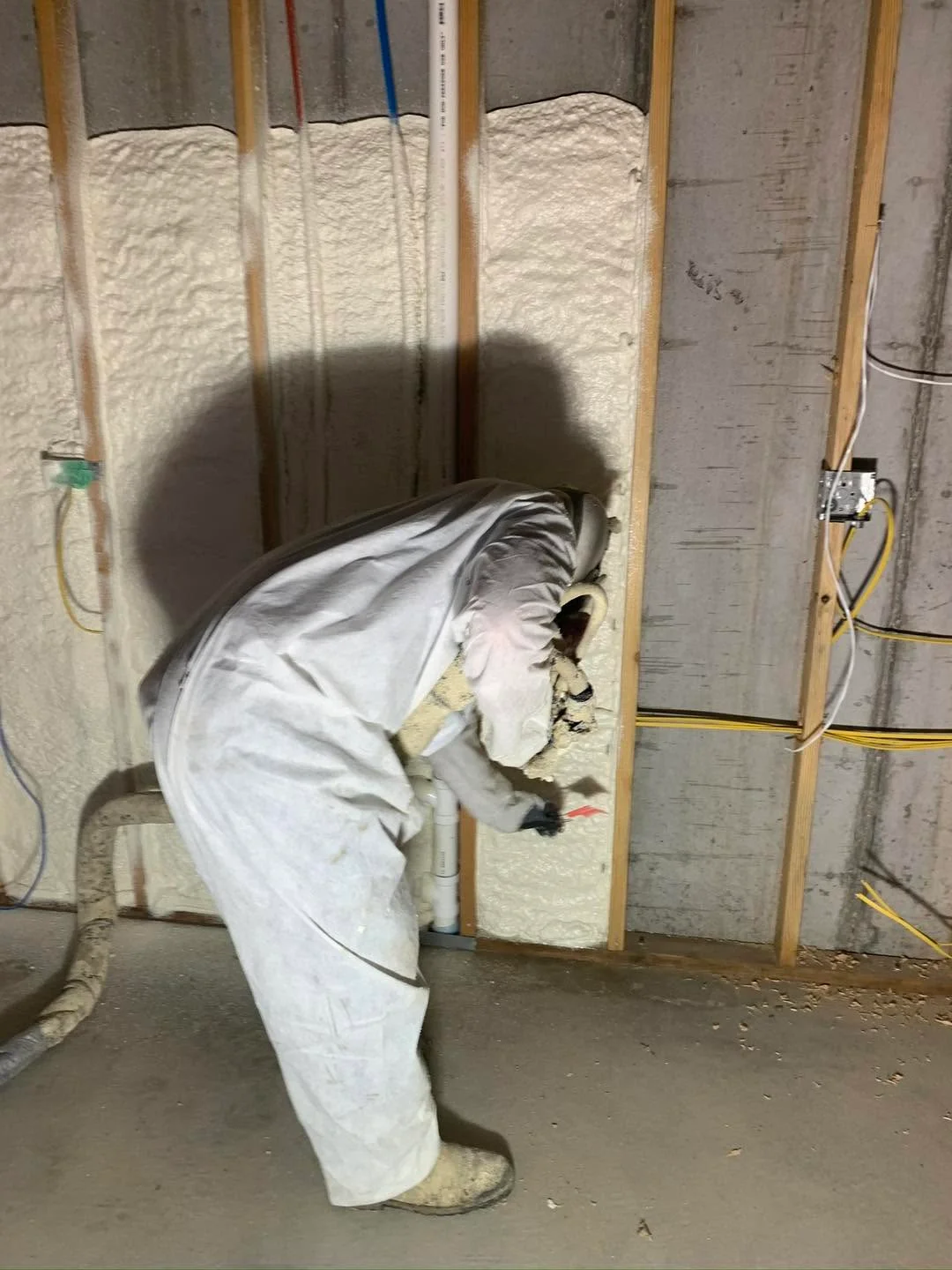
For builders, this means several things. First, coordinate your construction schedule around the insulation installation. You cannot have other trades working in the spray area during or immediately after application. Second, discuss the contractor’s isolation and ventilation plan before the job starts. The contractor must demonstrate how they will contain vapors and aerosols within the work area and prevent migration to other parts of the building. Third, understand that any future renovation work involving heat-generating processes like welding, soldering, or grinding on or near cured spray foam can release isocyanates and other toxic chemicals again. Following proper construction spray foam practices helps reduce these risks and ensures safer installation and renovation procedures.
The Insulation Institute recommends that homeowners and builders take several specific steps before hiring an insulation contractor. These steps apply directly to spray foam and carry even more weight, given the permanent nature of the work.
Credentials and Insurance
Ask the contractor to provide proof of current liability insurance and workers’ compensation coverage. Verify any state-required licensing. Request documentation of manufacturer-sponsored training specific to the spray foam products they will use on your project. The EPA also advises verifying a contractor’s references and ensuring they have received appropriate training.
Questions Worth Asking
Based on guidance from the EPA and Insulation Institute, every builder in Driggs should get clear answers to the following questions before work begins:
Under federal FTC regulations, insulation installers must provide a contract or receipt documenting the coverage area, thickness, and R-value of installed insulation. This document is your proof of what was delivered and is required by law.
Understanding what spray foam projects typically cost helps builders plan budgets and evaluate contractor quotes. The following ranges represent typical project pricing based on current data.
| Service | Typical Low | Typical Average | Typical High |
|---|---|---|---|
| Closed Cell Spray Foam | $2,000 | $8,000 | $25,000 |
| Open Cell Spray Foam | $1,500 | $5,000 | $15,000 |
| Pole Barn Insulation | $2,000 | $10,000 | $20,000 |
| Attic Insulation | $1,500 | $5,000 | $15,000 |
| Insulation Removal and Replacement | $1,500 | $3,000 | $7,500 |
Pricing is primarily affected by material and product costs, with larger square footage and greater thickness or higher R-value driving prices up. Projects with easier access to the insulation area typically fall on the lower end of the range.
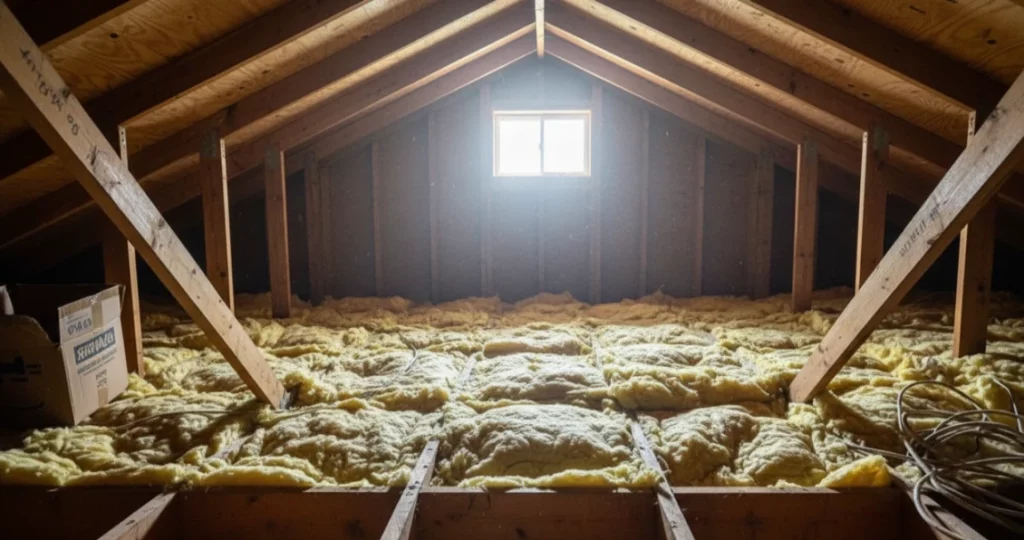
Knowing what to avoid is just as important as knowing what to look for. Several warning signs indicate a spray foam contractor may not be equipped for your Driggs project.
The best spray foam contractors for Driggs projects share several qualities that set them apart. They explain the product chemistry, curing process, and safety protocols without being asked. They walk through your project in person before quoting, noting areas of concern like difficult access points or moisture risk zones. They provide a detailed written proposal specifying product type, R-value targets, coverage area, and re-occupancy timelines. Their crews arrive with proper personal protective equipment and set up ventilation and isolation measures before spraying. They welcome pre-drywall inspections so you can verify the work meets code before walls are closed up.
High Country Solutions brings the experience, safety protocols, and code knowledge that builders in Driggs, ID need for spray foam insulation projects. Our team understands Climate Zone 6 requirements, works with both open cell and closed cell spray foam, and provides detailed contracts documenting every R-value and coverage area. We prioritize clear communication from the initial walk-through through final inspection, so your project stays on schedule, meets code, and performs for decades.
Request a Quote | Schedule a Project Consultation
Reach us at [email protected] or call (307) 248-9063 to discuss your next build.
Closed cell is best for exterior walls, crawl spaces, and areas where moisture resistance and structural strength are priorities. Open cell is suited for interior walls and attics where sound dampening and cost savings matter.
The CPSC recommends occupants vacate for at least 24 hours, though actual re-entry times depend on the product, thickness, temperature, and humidity. Always confirm the specific timeline with your contractor before the job begins.
Under the 2012 IECC adopted for Idaho, Climate Zone 6 requires minimum R-49 for ceilings, R-20+5 or R-13+10 for wood frame walls, R-30 for floors, and R-15/19 for basement and crawl space walls.
No. The EPA recommends that all unprotected workers and building occupants vacate the premises during installation. Only workers wearing appropriate personal protective equipment should be in the work area.
Federal regulations require the contractor to provide a signed and dated receipt showing the coverage area, thickness, and R-value of all insulation installed. Keep this document for code inspections and your client records.