What Should Builders Know Before Choosing an Insulation Contractor?
A reliable insulation contractor for Builders shows up on schedule, installs to spec, and lets you inspect before drywall. Ask…


A reliable insulation contractor for Builders shows up on schedule, installs to spec, and lets you inspect before drywall. Ask how crews are trained and paid, match the insulation type to your wall design, and settle sequencing and site access before work starts. Doing so avoids costly rework and delays.
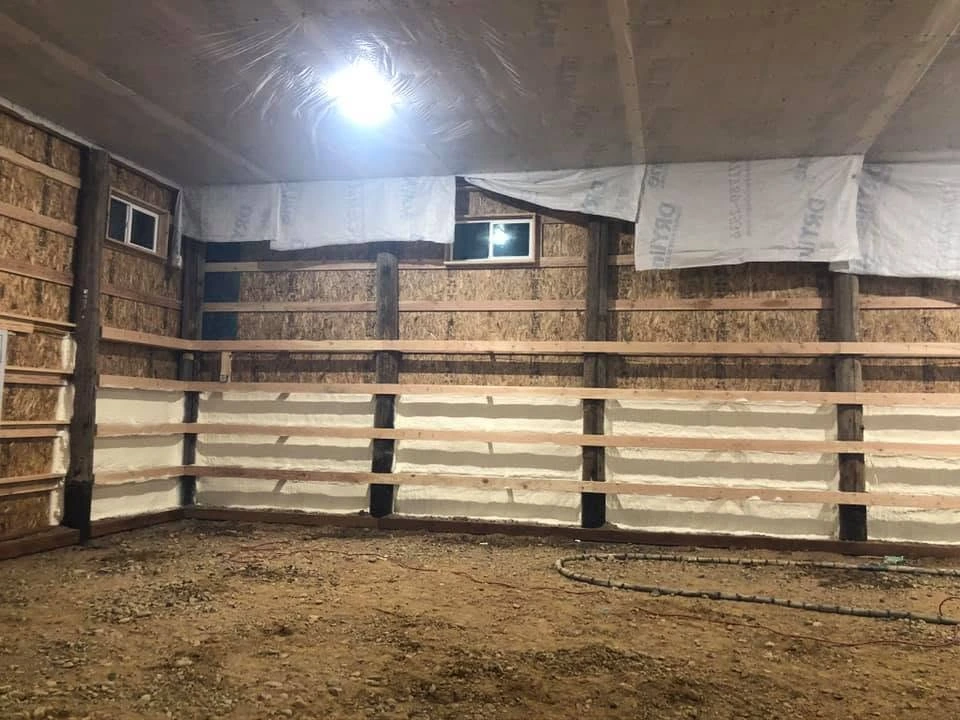
Great material won’t save a sloppy install. Gaps, thin spots, and missed air leaks drag performance down, and you’re the one who gets the callback. The Insulation Institute says mistakes get much harder and more expensive to fix once walls close, and it notes that some builders resist inspecting before drywall. Plan that walk-through early. Any outfit offering Construction Insulation Services should welcome it while the cavities are still open.
No single product wins every time. Your wall design, climate, and budget decide it, and your contractor should lay out the trade-offs plainly.
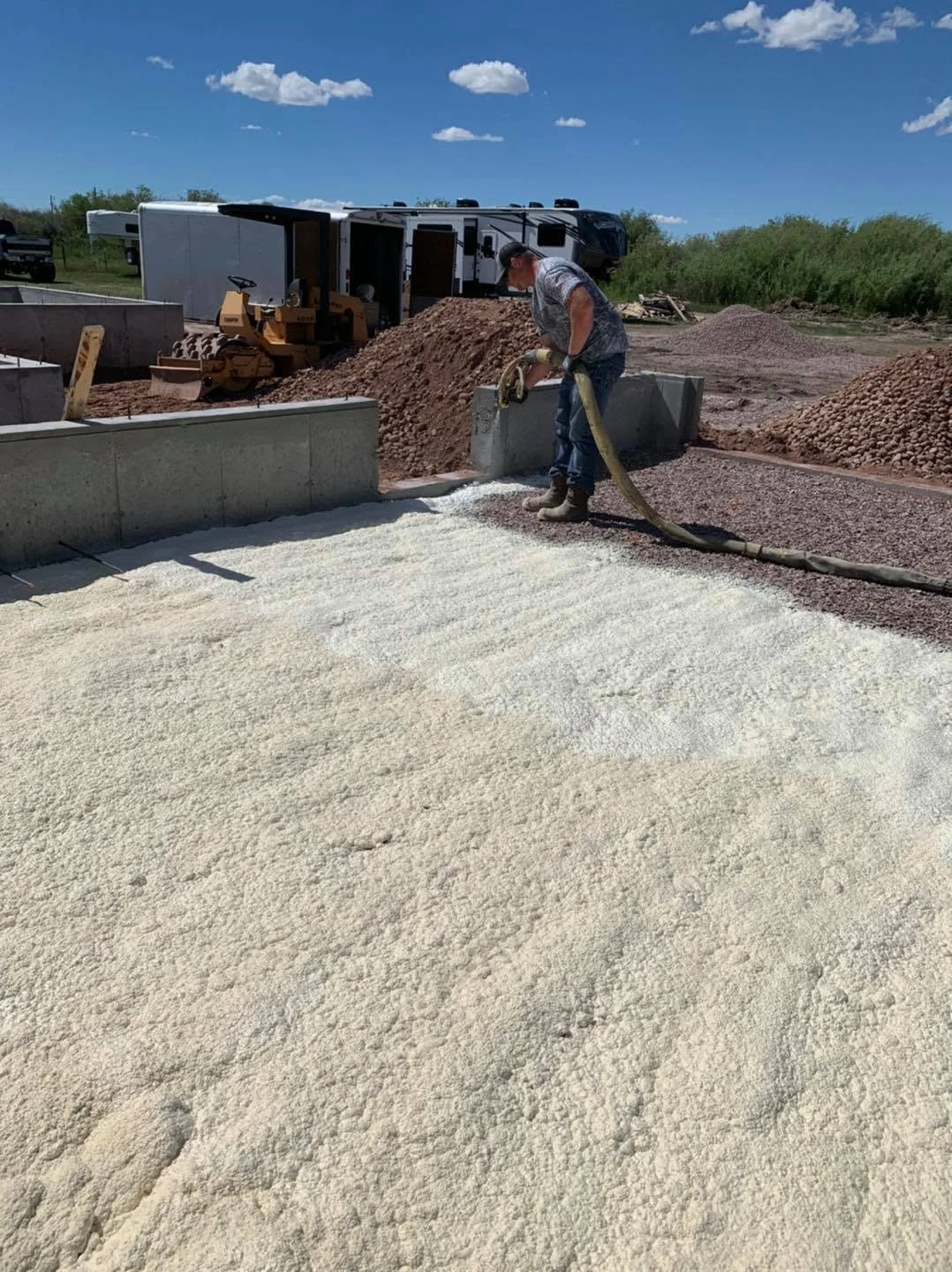
The U.S. Department of Energy compares foam types and adds that most liquid foam needs special equipment and certification.
| Type | Strength | Watch For |
|---|---|---|
| Closed-Cell Foam | Higher R-value, resists moisture and air | Denser, costs more |
| Open-Cell Foam | Lighter, cheaper | Not for below grade, where it can absorb water |
| Fiberglass Batts | Familiar to most crews | Needs careful fitting around wiring and pipes |
So ask any spray foam insulation contractor to show that certification and the equipment before you sign.
Price tells you little about quality. These questions show how a crew really works, and they take about ten minutes.
A bid is more than a number. It’s your first look at how a crew thinks, and gaps on paper usually turn into gaps on site.
Line up two or three bids on those points and the real price differences show up fast.
Insulation sits in the middle of a crowded build. Squeeze its schedule and you’ll pay for repeat trips and rework. A seasoned New Construction Insulation Contractor will ask for full area releases and a seat at your weekly site meetings. Insulation Outlook reports that partial releases put several trades in one space, which slows work and forces return visits.
Other trades also walk on and damage finished insulation, which starts arguments about who pays. Keep a weekly photo log with repair estimates and send it to the general contractor. That same article recommends this habit.
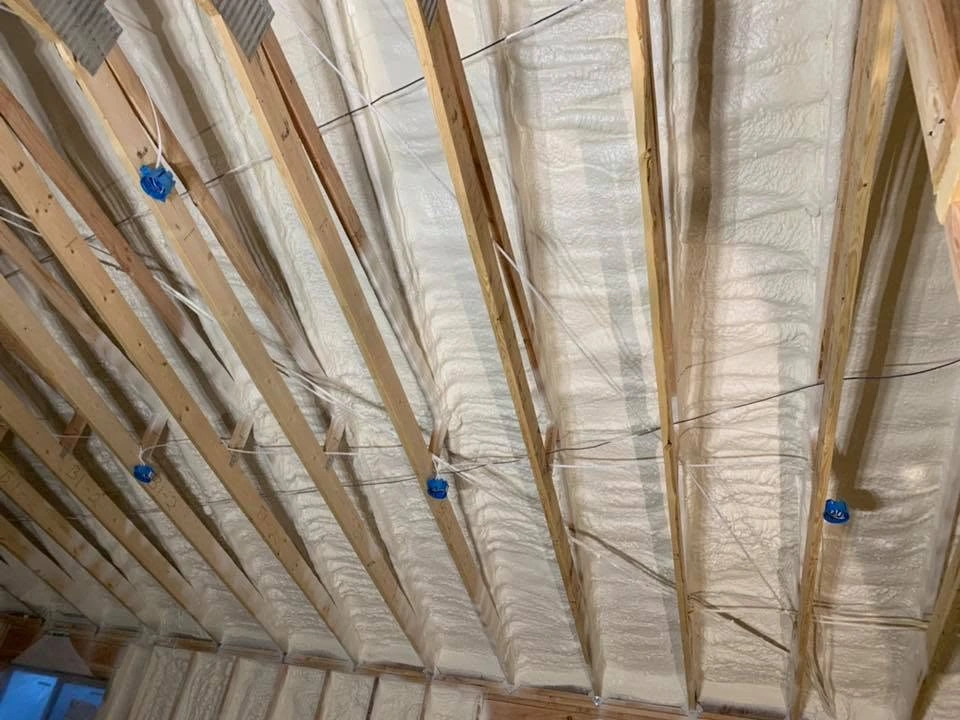
Bigger projects add lifts, tighter sequencing, and more trades. A commercial insulation contractor should price all of it up front, not spring change orders on you later.
Insulation Outlook notes that scaffolding and lift costs are often underestimated or left out of bids, and poorly placed material storage adds handling costs and delays. Settle the access plan and the laydown area in the contract before the crew mobilizes.
A quick walk on open walls catches problems while the fix is still easy. Bring the spec and a flashlight.
Some warning signs show up before anyone signs. Spot them during bidding and you’ll save yourself a rough ride later.
If you’re lining up insulation for your next build, we’ll walk through your plans with you and price the job line by line. High Country Solutions offers free quotes, and we’ll answer your questions about insulation types, sequencing, and site access before you commit.
It can be when you need an air barrier and higher R-value in tight spaces. Ask for a line-by-line price against batts or blown-in for your actual wall design.
It can work when the foam layer is thick enough to do its job and the batts fill the rest. Have your contractor write the layers and the total R-value on the bid.
Yes. A blower door test with the walls open lets you find and seal leaks while fixes are still easy.
Usually you pick one, since insulating both can create new problems. Have your designer mark the thermal boundary and ask your contractor to follow it.
Both can perform well, and installation quality matters more than the product. Pick based on your wall design and ask who will inspect the cavities.