The Insulation Partner Contractors Call for Multi-Unit and Custom Builds
An Insulation Contractor for Multi-Unit Buildings should seal air leaks, control noise between units, and match each material to its…


An Insulation Contractor for Multi-Unit Buildings should seal air leaks, control noise between units, and match each material to its wall, floor or roof. Choose one who plans around your other trades, explains how the work meets your sound ratings, and schedules work floor by floor to protect your tenants.
A single house loses heat through its own walls. An apartment building also leaks through shared floors, halls, and open shafts. That’s why the job needs a different plan. Multi-Unit Building Insulation has to control air, heat, and noise at once. Tall buildings act like chimneys: cold air slips in low and warm air escapes high, which is called the stack effect. The result is constant drafts, odors moving between floors, and higher heating bills for owners and tenants.
Noise matters too. The IBC sets minimum sound ratings for walls and floors between dwelling units, and WoodWorks reports them as STC 50 and IIC 50, or 45 when tested in the field. Your local code may differ, so check which edition your area has adopted.
Most problems hide in a handful of places. We check these first on any walkthrough.
| Area | Common Problem | What We Check |
|---|---|---|
| Shared walls | Noise and heat pass between units | Gaps and empty cavities |
| Vertical chases | Air moves floor to floor | Open shafts and pipe holes |
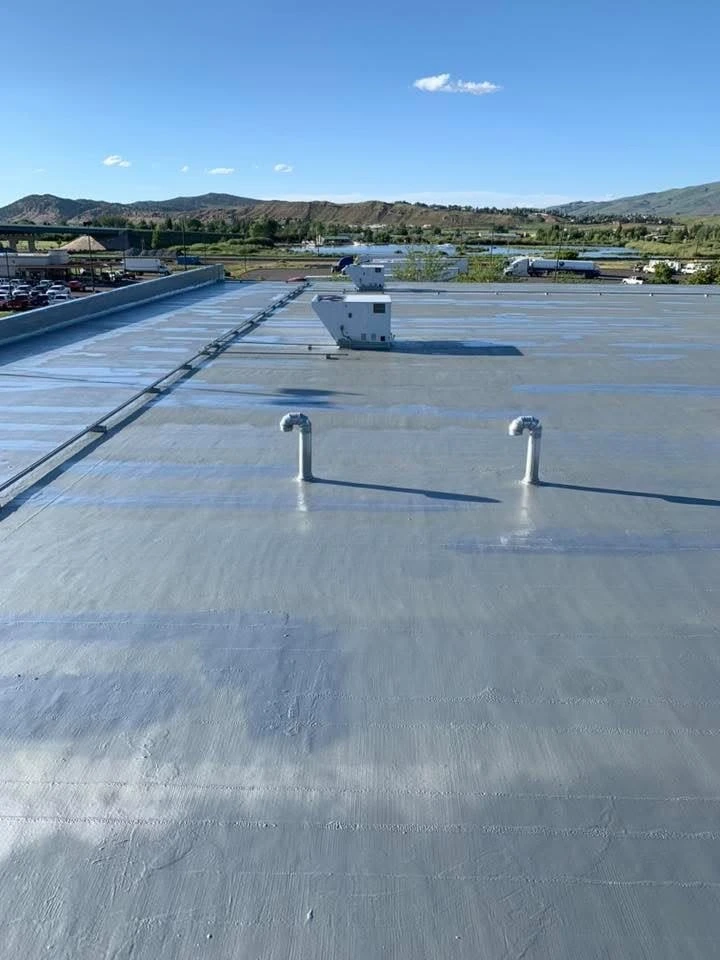
| Attics and roofs | Heat escapes at the top | Access and roof work |
| Floors over cold space | Cold floors and drafts | Garage or crawl space ceilings |
| Wall AC sleeves | Gaps around the unit | Sealed sleeve edges |
Mixed-use buildings add another wrinkle. A ground-floor shop and the apartments above it have different needs, so Commercial Insulation Services and apartment work should be planned together. One plan keeps the ceiling between them from becoming a weak spot.
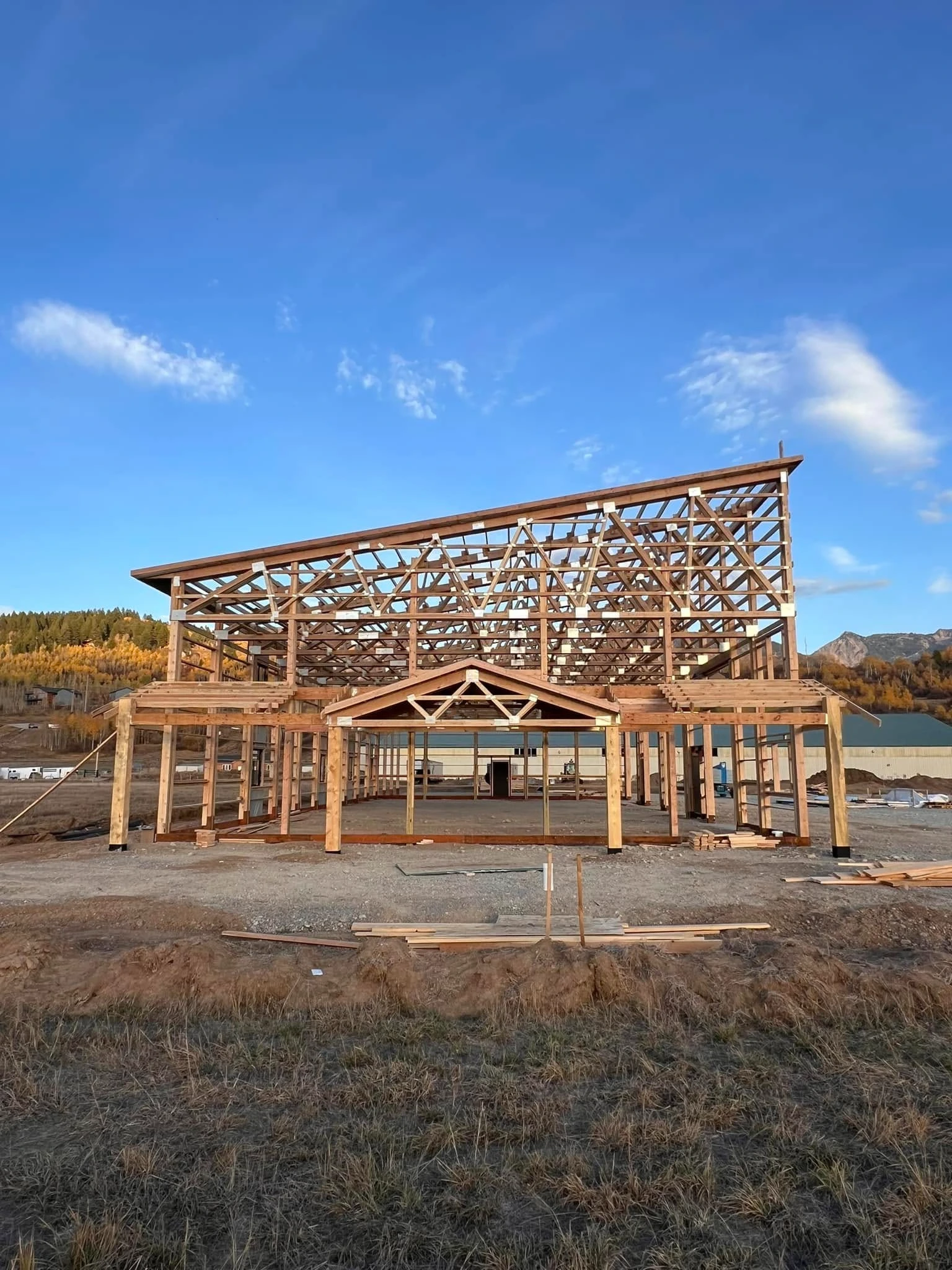
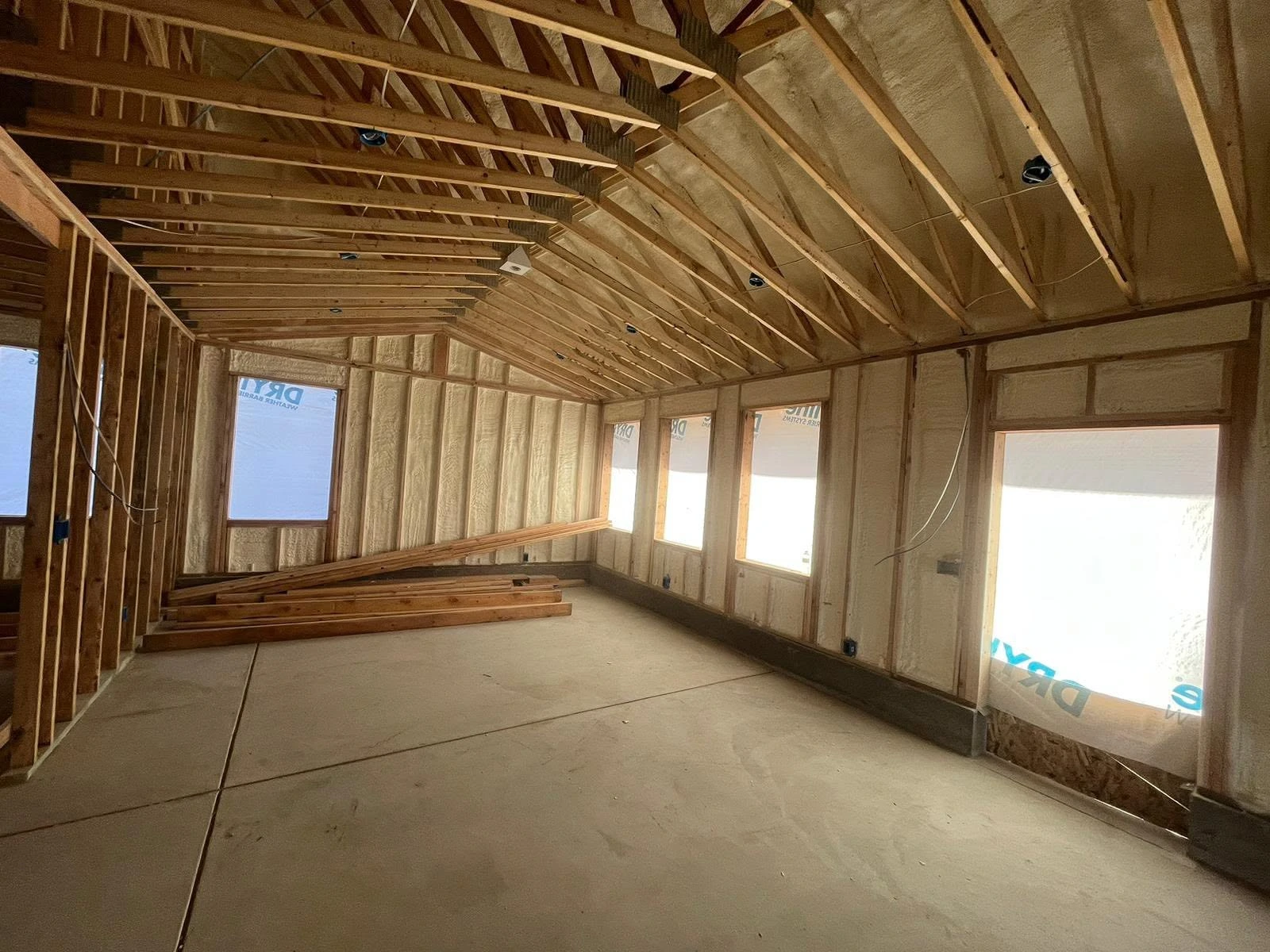
Custom homes rarely follow a template. Vaulted ceilings, bump-outs, and mixed wall types each need their own plan. Custom Home Insulation works best when we see the plans early. Spray foam fills odd cavities well, yet it isn’t the answer everywhere. We often mix products so each area gets what it needs without overspending.
Product choice depends on the space, not on a favorite material. Here’s how the common options compare.
| Material | Best Use | Key Trait |
|---|---|---|
| Open-cell spray foam | Large cavities and roof decks | Expands hard, goes on in layers |
| Closed-cell spray foam | Tight spaces and rim joists | Denser, higher R-value per inch |
| Dense-pack blown-in | Tight cavities and attic floors | Fills gaps around obstacles |
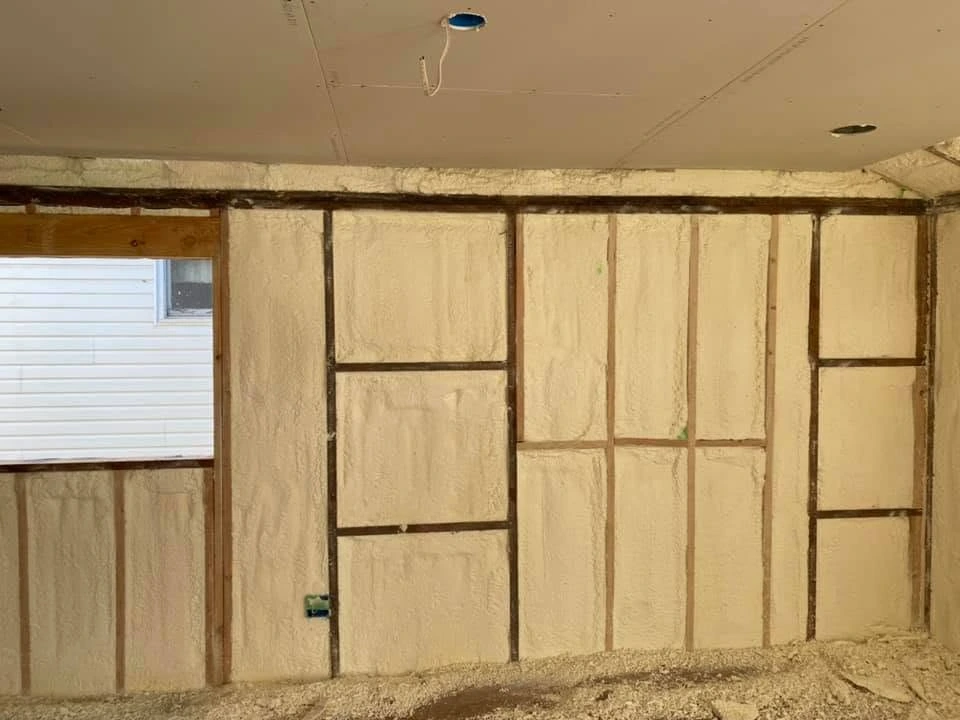
A skilled Spray Foam Insulation Contractor controls thickness as the foam rises. The U.S. EPA notes that open-cell foam expands more than closed-cell foam and should be applied in layers.
Don’t count on foam alone for noise. The Journal of Light Construction explains that spray foam seals small gaps where sound leaks, but it adds little mass and can tie wall parts together, so it rarely lifts a wall’s sound rating by itself. Mineral wool or a sound-rated wall design usually does more.
A price is easy to quote. The better test is how well your installer understands your building. Ask these questions before you sign:
A Residential Insulation Contractor used only to single-family houses may struggle with multi-unit schedules, so ask about similar jobs. We walk through these same points before we quote.
A few errors tend to cause most of the repeat work. All of them are easy to avoid with a plan made before the first crew shows up.
Tell us what’s going wrong, whether it’s noisy neighbors, cold floors or a custom build with tricky roof lines. We’ll walk through the project with you and explain the plan in plain terms. The quote is free.
Contact High Country Solutions today:
Often yes. We can blow dense material into the cavities through small holes, though existing batts or blocking can limit what fits, so we inspect first.
Usually not much. Footsteps travel through the floor structure, so cavity insulation helps less than changes to the floor assembly itself.
Yes. Foam can seal the leaks while batts fill the open cavity, a hybrid approach the EPA lists among common spray foam uses.
It can. Closed-cell foam works as a vapor barrier, so a roof leak may stay hidden and keep the deck wet. The roof should be sound and dry before we spray.
After wiring, plumbing and air sealing are done, and before drywall closes the cavities. Calling us early lets us flag tricky spots while they’re still open.