Is Commercial Spray Foam Insulation Suitable for Warehouses and Industrial Buildings in Driggs, ID?
Skeeter Aimone
October 21st, 2026
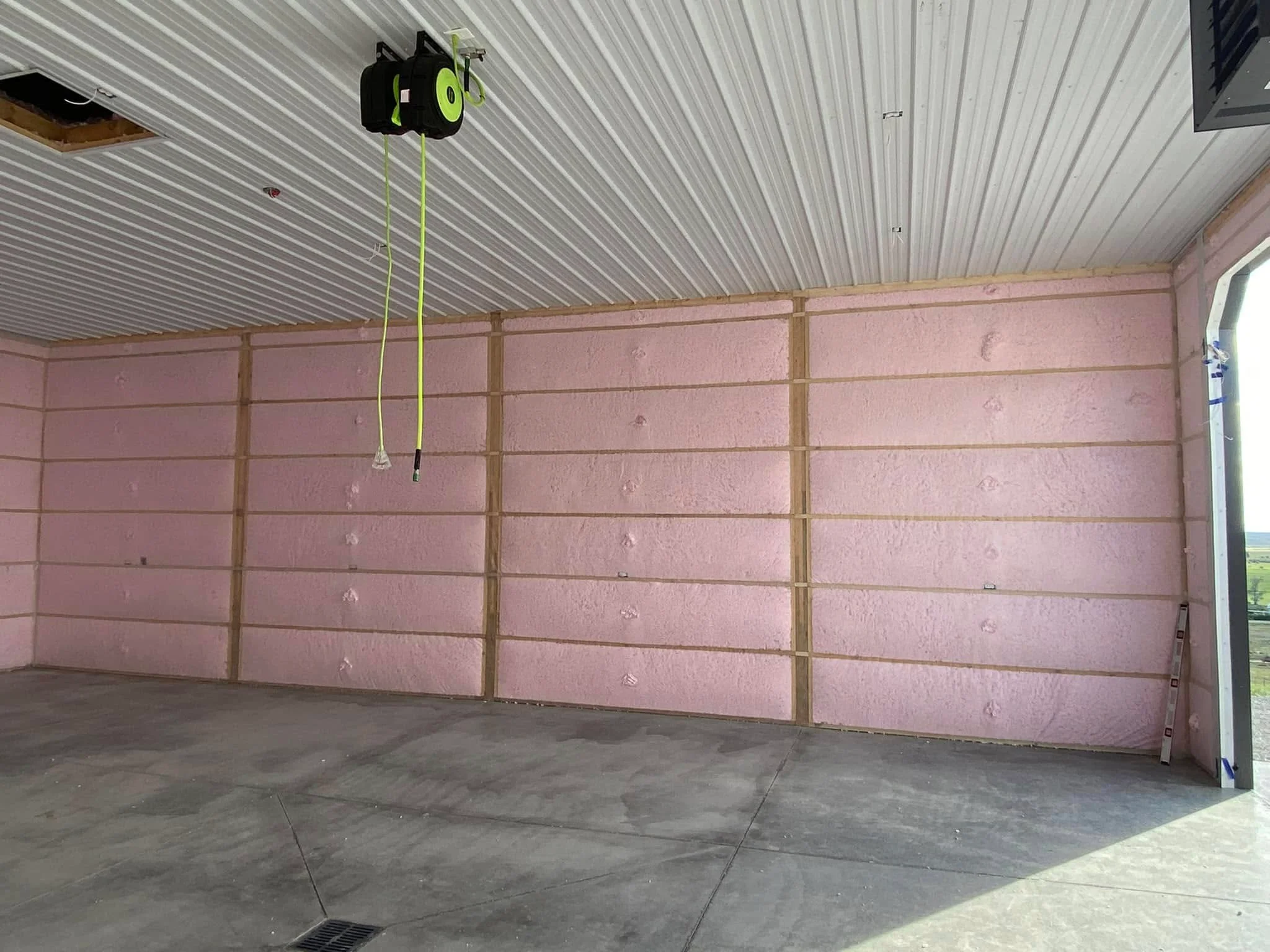
Yes, for most buildings. If you’re weighing commercial spray foam insulation in Driggs, ID, winters make a strong case for it in metal, pole-frame, and block warehouses. Closed-cell foam seals air leaks, cuts condensation on steel, and holds heat. Upfront cost, fire-barrier rules, and how you use the space still shape the final call.
TL;DR
Closed-cell foam is usually the better pick for metal warehouses, shops, and plants in Teton Valley.
It seals gaps around purlins, girts, and door frames that batts can’t reach.
It costs more upfront than fiberglass, so the payoff depends on how much you heat the building.
Foam left exposed inside usually needs a code-approved thermal barrier.
Unheated storage may only need a partial or hybrid job.
Why Driggs Warehouses Are Tough to Insulate
Driggs sits above 6,000 feet, and long heating seasons are normal here. The Insulation Institute Idaho compliance guide places Teton County in Climate Zone 6, one of the colder zones in the state. Heat loss and moisture problems show up faster here than in lower valleys.
Most local warehouses and shops are metal or pole-frame buildings. Steel conducts heat fast, and warm indoor air turns to water when it hits cold panels. Commercial spray foam insulation solutions can help address these condensation and insulation challenges. You’ll see it as dripping roofs, rusty fasteners, wet inventory, and soggy insulation. Big overhead doors and uneven framing make things harder for products that need neat stud spacing.
What Spray Foam Does Well in Warehouses and Industrial Buildings
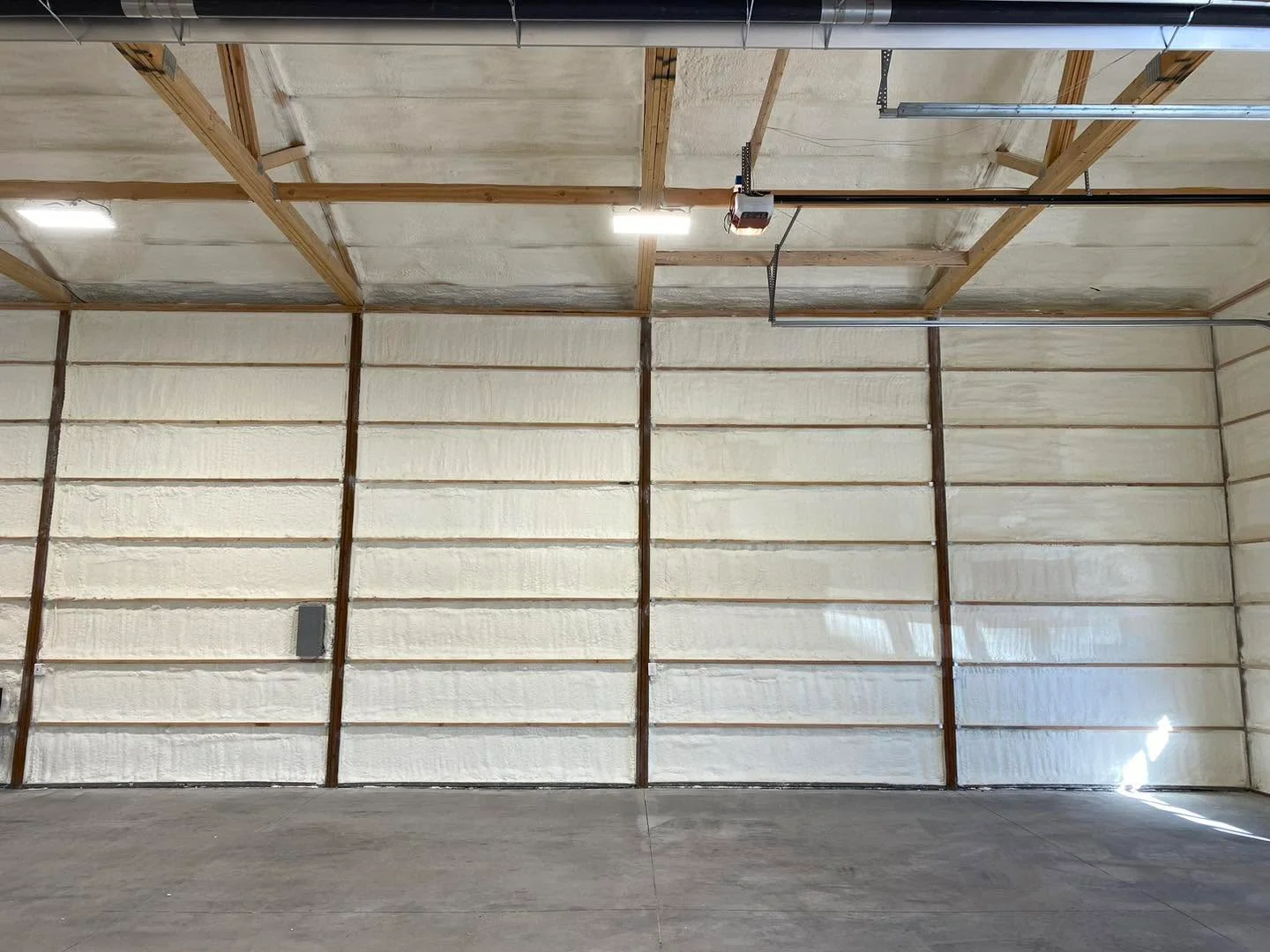
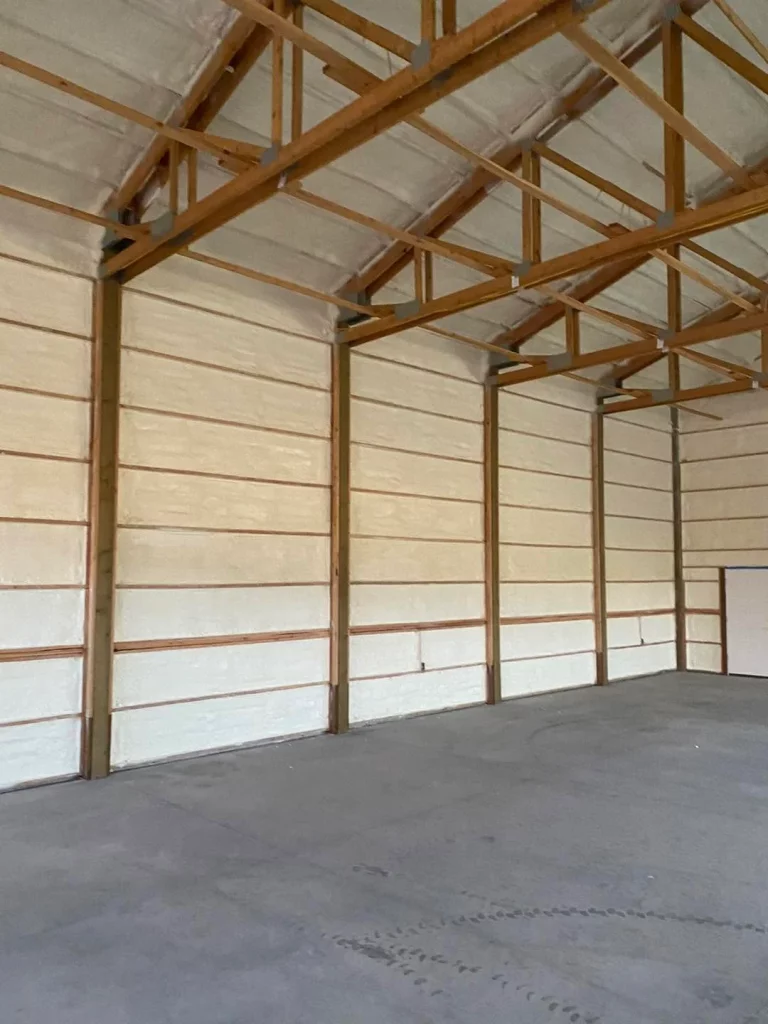
Spray foam goes on as a liquid, expands, and sticks to whatever it touches. That’s why spray foam insulation for warehouses handles odd shapes and metal surfaces better than most options. Here’s where it earns its keep.
Air Sealing in One Step
The U.S. Department of Energy explains that foam-in-place insulation can fill even tiny cavities and act as an air barrier. In a drafty warehouse, that means fewer cold spots near doors and less heat escaping through panel seams. Your heater runs less, and your crew works in steadier temperatures.
Condensation Control on Steel
Closed-cell foam bonds directly to the back of metal panels, so warm air can’t reach the cold surface. That stops most of the sweating that rots wood framing and ruins stored goods. In equipment-heavy shops, it also means less rust on tools and machines.
Strength and Durability
Closed-cell foam is dense and rigid once cured. It doesn’t sag or get pulled down by birds and rodents the way loose blankets do in open bays. That makes spray foam insulation for industrial buildings a long-term fix, not a patch job.
Closed-Cell vs. Open-Cell: Which Fits Your Building?
Both types are usually polyurethane, but they behave very differently. Commercial spray foam insulation guide can help explain these differences. Closed-cell foam offers a higher R-value and better resistance to moisture and air leaks, while open-cell foam is lighter, cheaper, and shouldn’t be used below ground.
Feature
Closed-Cell
Open-Cell
Heat resistance per inch
Higher
Lower
Moisture resistance
Strong
Weak
Adds rigidity
Yes
No
Upfront cost
Higher
Lower
Best for
Metal walls and roofs
Interior walls, offices
For most metal buildings in Teton Valley, closed-cell is the safer choice because condensation is the bigger threat. Open-cell can work for office areas or partitions inside a larger shop.
Where Spray Foam May Not Be the Best Fit
Spray foam isn’t the right answer for every building, and you should hear that up front. A few situations call for a closer look.
Unheated storage: If you only park equipment or stack hay, a roof-only treatment may stop most dripping for less money.
Exposed foam: DOE guidance says foam must be covered by an approved thermal barrier with fire resistance equal to half-inch gypsum board. Plan for drywall or a rated coating in work areas.
Downtime: The EPA advises keeping occupants and other trades out until the manufacturer’s re-occupancy steps are met, and some products call for about 24 hours.
Code compliance: Idaho has adopted the 2018 IECC with amendments as the Idaho Energy Conservation Code, according to the Idaho Division of Occupational and Professional Licenses. Your building’s use decides which R-values apply.
Is Spray Foam Worth the Higher Upfront Cost?
For heated buildings, it often is. Commercial spray foam insulation costs more than batts, but it can cut out separate air sealing and vapor barrier work, which narrows the gap.
Prices also swing between contractors. DOE suggests getting several written estimates, since quotes for the same R-value can differ by more than double. Heated shops, buildings with temperature-sensitive stock, and roofs that drip all winter usually see the clearest return. A cold, empty barn usually doesn’t.
Quick Checklist Before You Get a Quote
These points help you judge whether your building suits industrial spray foam insulation Driggs, ID projects, and they speed up your estimate.
Is the building heated, or will it be?
Do you see dripping, frost, or rust inside the roof or walls?
Is the frame steel, pole, or block?
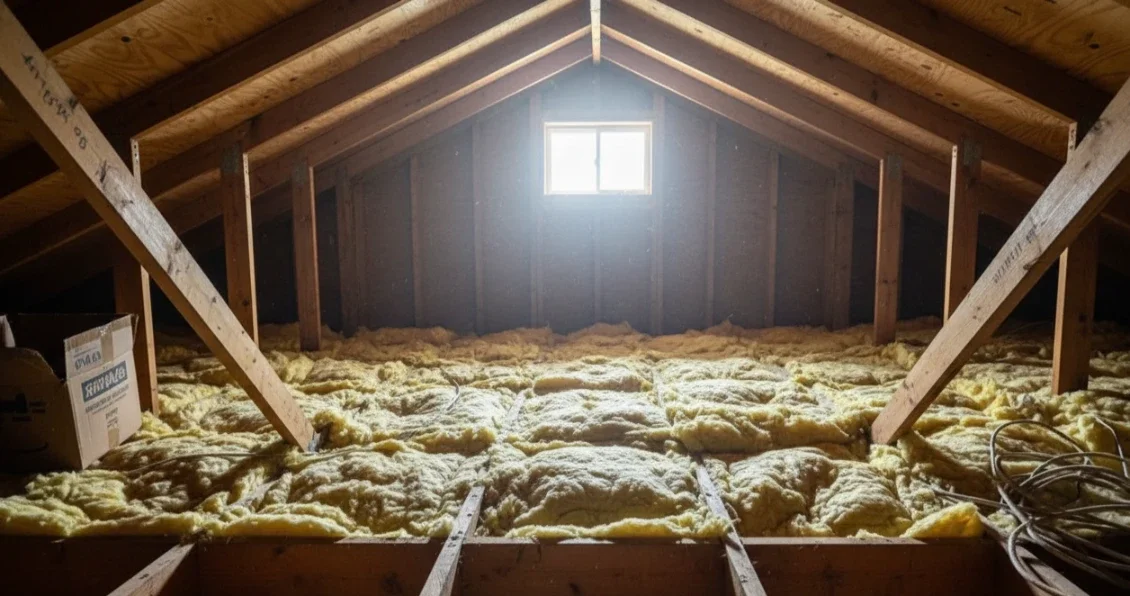
Is there old fiberglass that needs to come out?
Will the foam be exposed or covered?
Can you move or cover inventory for a day or two?
Get a Free Quote From High Country Solutions
If dripping roofs, cold drafts, or high heating bills are hitting your warehouse or shop, we can help. As a commercial insulation contractor in Driggs, ID owners can reach locally, we’ll walk your building, explain whether closed-cell, open-cell or a hybrid fits, and give you a free quote.
Can spray foam be applied directly to metal panels?
Yes. Closed-cell foam bonds well to clean, dry steel. The installer should check for oil, rust, and moisture first, since poor surface prep can cause the foam to pull away later.
Can you spray foam a warehouse while it’s still in use?
Often, yes, by working in sections. Inventory and equipment near the work zone get moved or covered, and that area stays closed until it’s cleared for re-entry.
Is spray foam safe after it cures?
Foam that’s applied correctly and fully cured is generally considered chemically inactive. Most health concerns tie to the spraying and curing stage, which is why trained installers and good ventilation matter.
Does spray foam reduce noise in a shop or plant?
It can help. Open-cell foam tends to absorb more sound, while closed-cell mainly cuts drafts and panel rattle. Neither will silence loud machinery, but both can reduce echo and outside noise.
Do you have to remove old insulation before spraying foam?
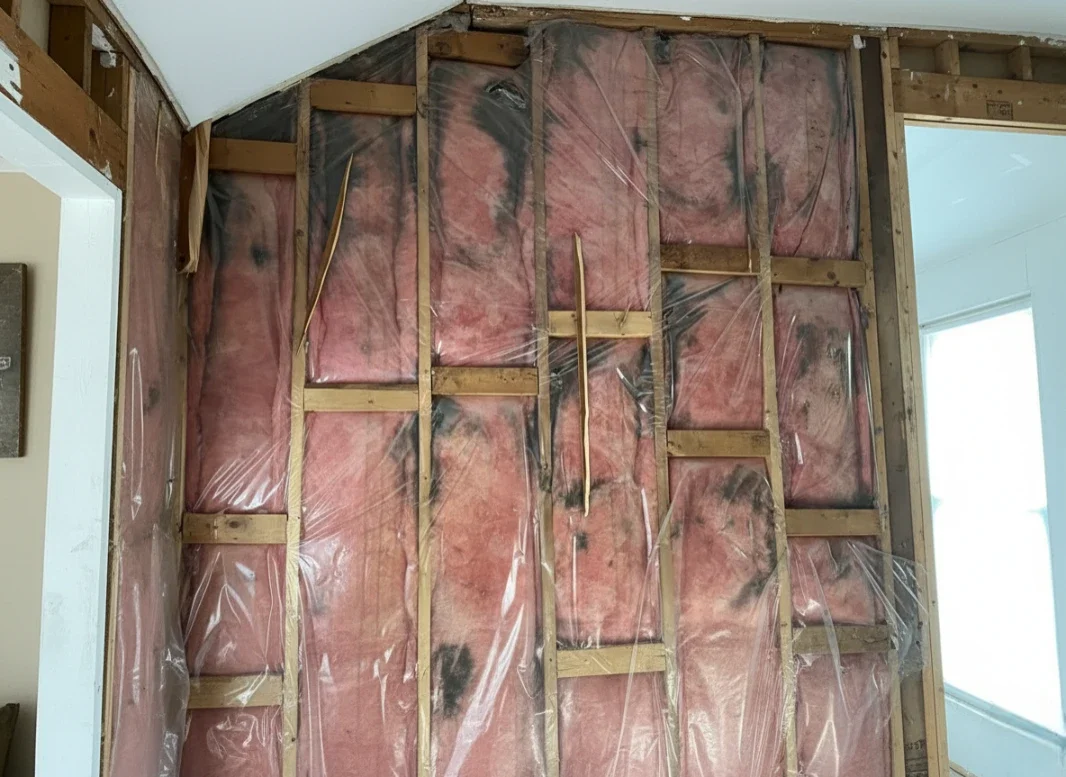
Usually. Foam needs direct contact with the surface to seal and stop condensation. Wet, sagging or torn fiberglass typically comes out first so the foam can bond.
Sources
U.S. Department of Energy – closed-cell vs. open-cell, air barrier, thermal barrier, cost and estimates.
I’m Skeeter Aimone, owner of High Country Solutions in Alpine, Wyoming, leading the company since 2019. I focus on quality installation, building science, and insulation solutions suited to harsh Wyoming and eastern Idaho conditions.