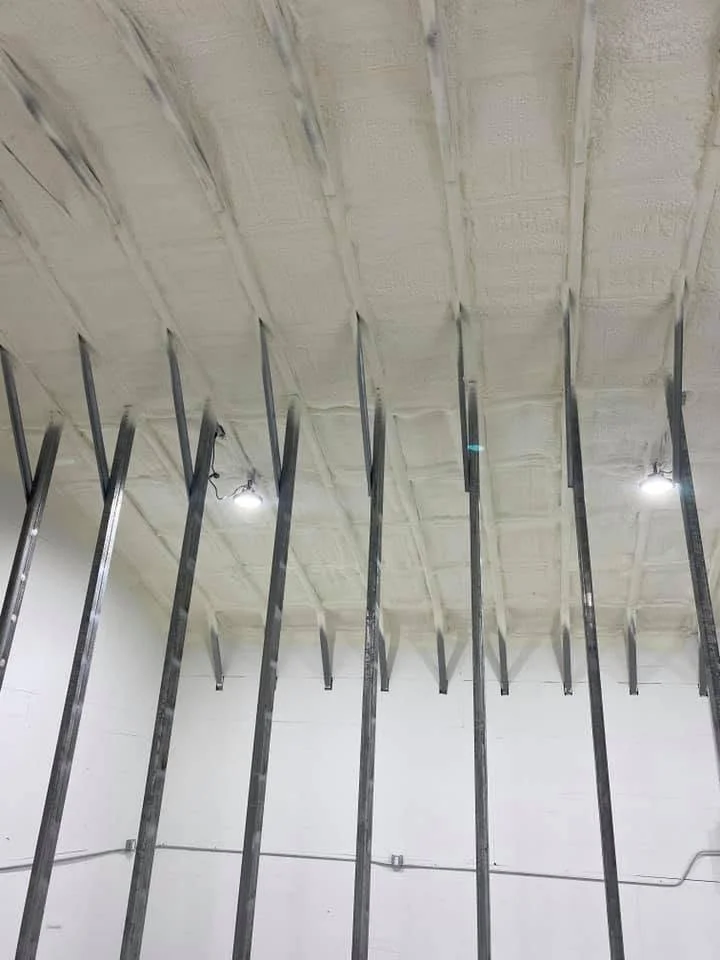
What Factors Affect the Cost of Commercial Spray Foam Insulation Projects?
Skeeter Aimone
October 21st, 2026
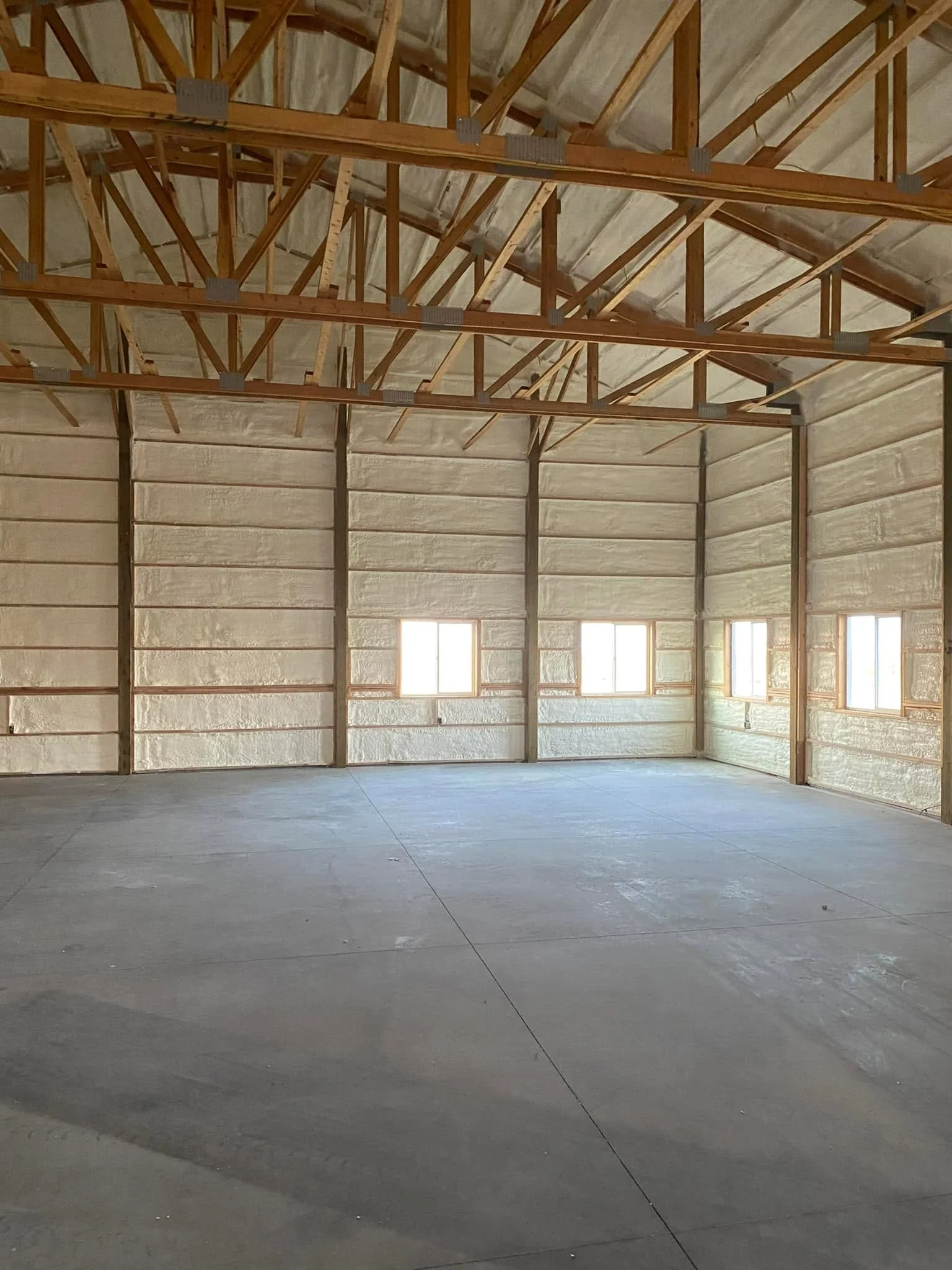
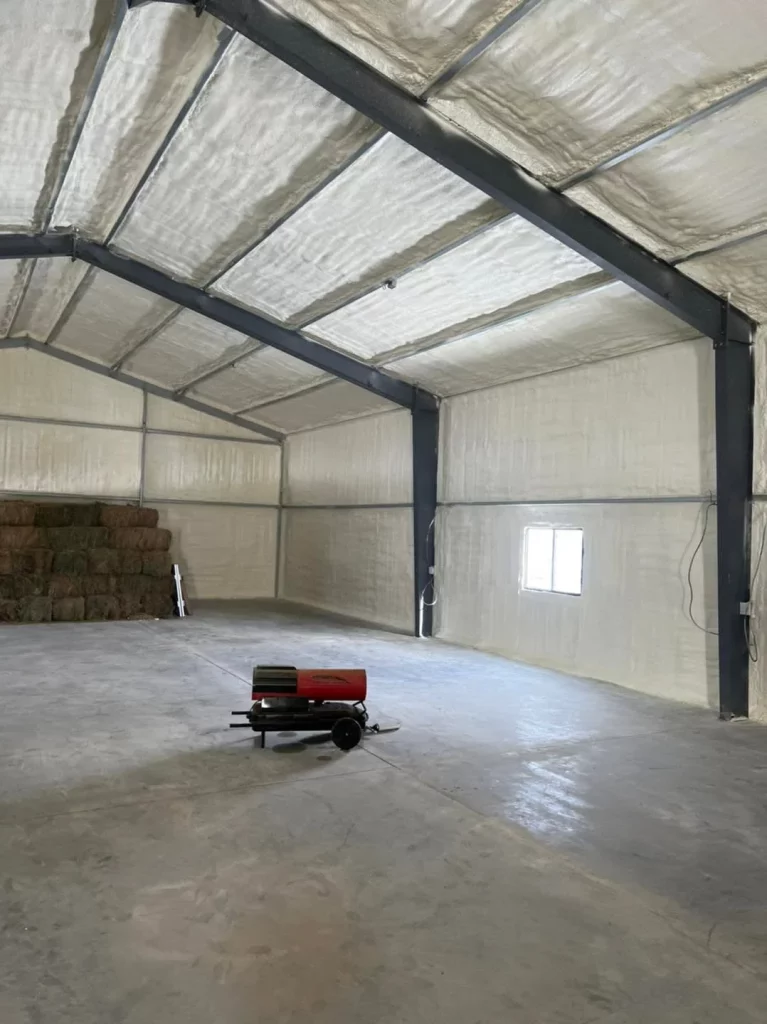
Your commercial spray foam insulation cost depends mostly on foam type, the thickness needed to hit your R-value target, total square footage, ceiling height and access, surface prep, and whether the building stays open during the work. The commercial spray foam insulation guide provides more context on commercial spray foam applications. Current 2026 guides for commercial roofs list spray foam at roughly $1.00 to $4.50 per square foot, depending on foam type, roof size, thickness, and local labor, but only a site walk-through gives you a real number.
TL;DR
Closed-cell foam costs more than open-cell, but it gives more R-value per inch and blocks moisture.
Thicker foam means more board feet, more material, and more labor.
Large, open buildings usually cost less per square foot than small, cut-up spaces.
Lifts, obstructions, and old insulation removal add real money.
Occupied buildings may need night, weekend, or phased work.
Compare quotes by foam type, thickness, and R-value, not price per square foot alone.
How Commercial Spray Foam Pricing Works
Most commercial spray foam cost estimates start with board feet. One board foot is one square foot of foam at one inch thick, so the math is area times thickness.
For example, a 10,000-square-foot metal roof deck sprayed 2 inches thick needs about 20,000 board feet. Go to 3 inches, and you’re at 30,000 board feet, so material jumps by half before labor even changes. The contractor then adds labor, equipment, prep, coatings, and travel. That’s why two buildings with the same footprint can get very different numbers.
The Main Spray Foam Insulation Cost Factors
A handful of things drive most of the price on a commercial job. Some you control, like foam type and R-value target. Others come with the building.
Open-Cell vs. Closed-Cell Foam
The U.S. Department of Energy explains that closed-cell foam has a greater R-value and stronger resistance to moisture and air leakage, but it’s much denser and more expensive, while open-cell foam is lighter and cheaper but shouldn’t be used below ground where it could absorb water. For a warehouse with a sweating metal roof, closed-cell is often worth the extra money. For interior office walls or sound control, open-cell can save you money.
Thickness and R-Value Target
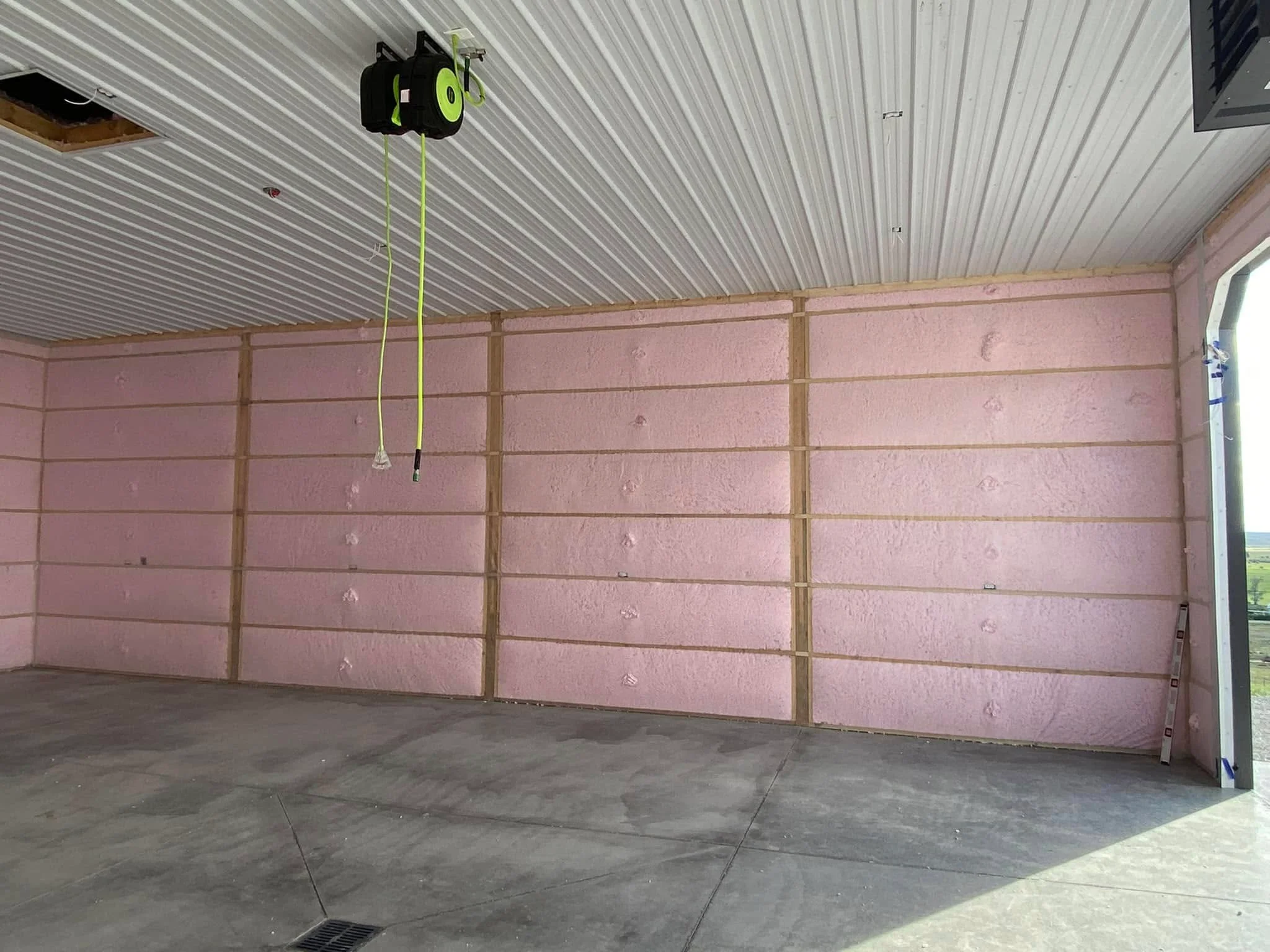
Every extra inch adds board feet. A DOE Building America spray foam guide puts typical open-cell foam at about R-3.6 per inch and closed-cell at about R-6 per inch, with closed-cell costing about 60 percent more for the R-value achieved. Closed-cell is also typically limited to 2 to 3 inch layers per pass, so thick jobs mean extra passes and more labor hours. Get your R-value target from your design team or energy code requirements before you ask for bids.
Building Size and Layout
Setting up a spray rig and crew costs about the same on a big job or a small one. On a large warehouse, that setup spreads over more square feet, so the per-foot price often drops. A small office suite with lots of corners and windows takes more time per foot.
Height, Access and Surface Prep
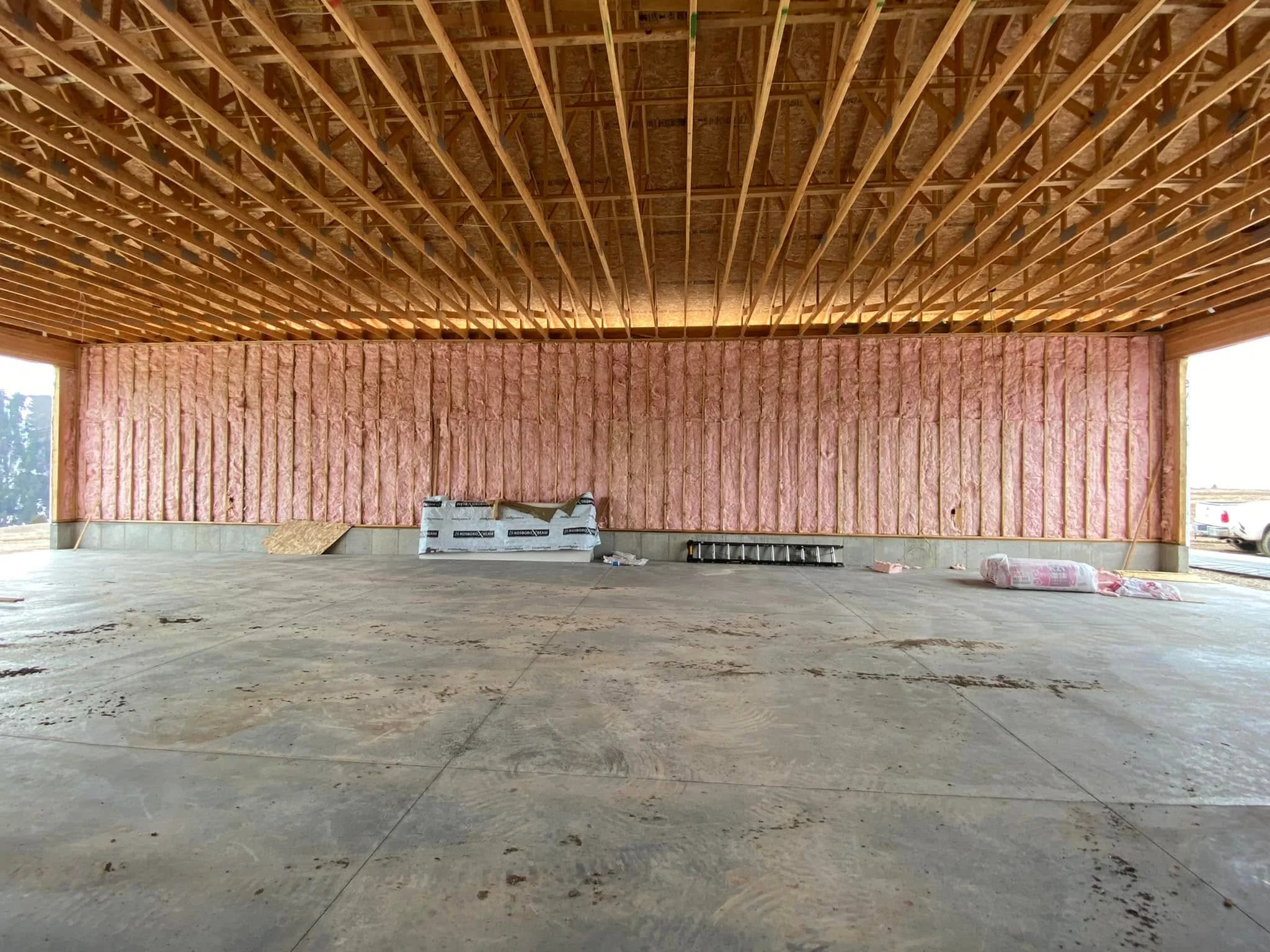
High ceilings mean scissor lifts, boom lifts, or scaffolding, and that rental time lands on your bill. Racking, conduit, ductwork, and purlins slow the crew down. If old wet insulation has to come out, or machines and inventory need covering, plan on extra labor and disposal fees.
Commercial Costs Residential Guides Leave Out
Spray foam pricing for commercial buildings often includes line items a homeowner never sees. These can add more to the final bill than the foam itself, so ask about each one early.
Downtime and After-Hours Work
The U.S. Environmental Protection Agency says other trade workers and building occupants should vacate during installation, and some manufacturers recommend 24 hours before re-occupancy, but the time may vary. For a busy store or office, that can mean night shifts, weekend work, or doing one zone at a time. Odd-hour labor raises the commercial spray foam installation cost, and closing your doors has a cost of its own.
Thermal Barriers, Coatings and Labor Rates
DOE guidance states that after installation, an approved thermal barrier equal in fire resistance to half-inch gypsum board must cover all foam materials. On a large building, that can mean drywall or a sprayed coating over thousands of square feet, often priced as a separate item. Commercial spray foam insulation services can help property owners understand these project requirements. Local wages, travel distance, and prevailing wage rules on public jobs also move labor rates up or down.
Is Spray Foam Worth the Higher Upfront Price?
Spray foam usually costs more than batts or boards at the start. The trade-off is that it insulates and air seals in one step.
The DOE notes that foam’s air barrier can eliminate some other weatherizing costs, such as caulking, housewrap, vapor barrier, and taping joints. In a drafty warehouse or a metal building that drips, that matters. But if your space is already tight and just needs more R-value, a cheaper material may make more sense.
How to Compare Commercial Insulation Installation Cost Quotes
The lowest bid isn’t always the cheapest job. The DOE warns that quoted prices for a given R-value can vary by more than a factor of two, so line up the details first.
What to Check
Why It Matters
Foam type
Open- and closed-cell foam price and perform differently
Thickness and R-value
A low bid may just be thinner foam
Total board feet
Compares material evenly
Prep and removal
Often left out of low bids
Lifts and access
Rental can be a big line item
Barrier or coating
May be included or excluded
Schedule
After-hours work costs more
Get a Free Quote for Your Commercial Building
High Country Solutions can walk your building, talk through foam type, thickness, and access, and give you a free quote based on what your space actually needs. Call (307) 248-9063 or email [email protected] to set up your free estimate.
FAQs
Is closed-cell or open-cell spray foam better for a commercial building?
It depends on the space. Closed-cell suits metal roofs, cold storage and areas facing moisture because it resists water and packs more R-value per inch. Open-cell works well for interior walls and sound control at a lower price.
How long does commercial spray foam installation take?
Smaller jobs may wrap up in a day or two, while large or phased projects run longer. Square footage, thickness, ceiling height and work hours all play a part. Plan for curing and ventilation time before people return.
Can spray foam go over existing insulation?
Usually not. Foam needs to bond to a clean, dry surface like metal, wood or concrete. Old batts or loose fill typically come out first, which adds labor and disposal costs.
Do we have to close our business during spray foam installation?
People should stay out of the spray area while foam goes in and until it cures and the space is ventilated. Many businesses avoid a full shutdown by scheduling work at night, on weekends or one section at a time.
Is spray foam worth it for a metal building or warehouse?
Often, yes. Metal panels sweat when warm, moist air hits cold steel, and closed-cell foam sprayed on the panels helps stop that while sealing air leaks. Weigh the higher upfront price against condensation damage, energy use and comfort.
I’m Skeeter Aimone, owner of High Country Solutions in Alpine, Wyoming, leading the company since 2019. I focus on quality installation, building science, and insulation solutions suited to harsh Wyoming and eastern Idaho conditions.