How Does Commercial Spray Foam Insulation Help Control Air Leakage and Moisture?
Skeeter Aimone
October 21st, 2026
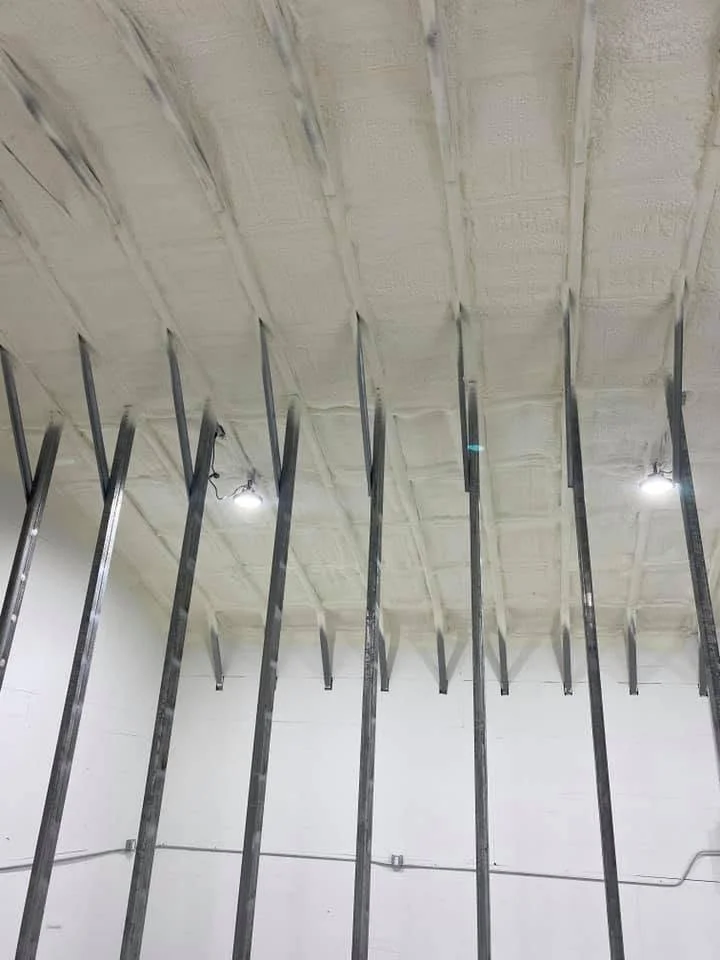
Commercial spray foam insulation goes on as a liquid, expands into cracks, seams, and gaps, then cures into one continuous layer that stops air from leaking in or out. Moving air carries most of the moisture that gets into walls and roofs, so sealing the air also cuts condensation. Commercial spray foam air sealing benefits include improved moisture control, while closed-cell foam adds vapor control on top of that.
TL;DR
Air leaks waste energy and push humid air into places where it condenses.
Open-cell and closed-cell foam both seal air when they’re sprayed thick enough.
Closed-cell foam at about 2 inches also slows vapor and won’t soak up water.
Climate, thickness, and install quality decide whether foam keeps moisture out or traps it.
Why Air Leakage Hits Commercial Buildings So Hard
Commercial buildings have more joints, bigger surfaces, and more penetrations than most homes. Every gap is a path for air, and that air carries heat, dust, and water vapor with it.
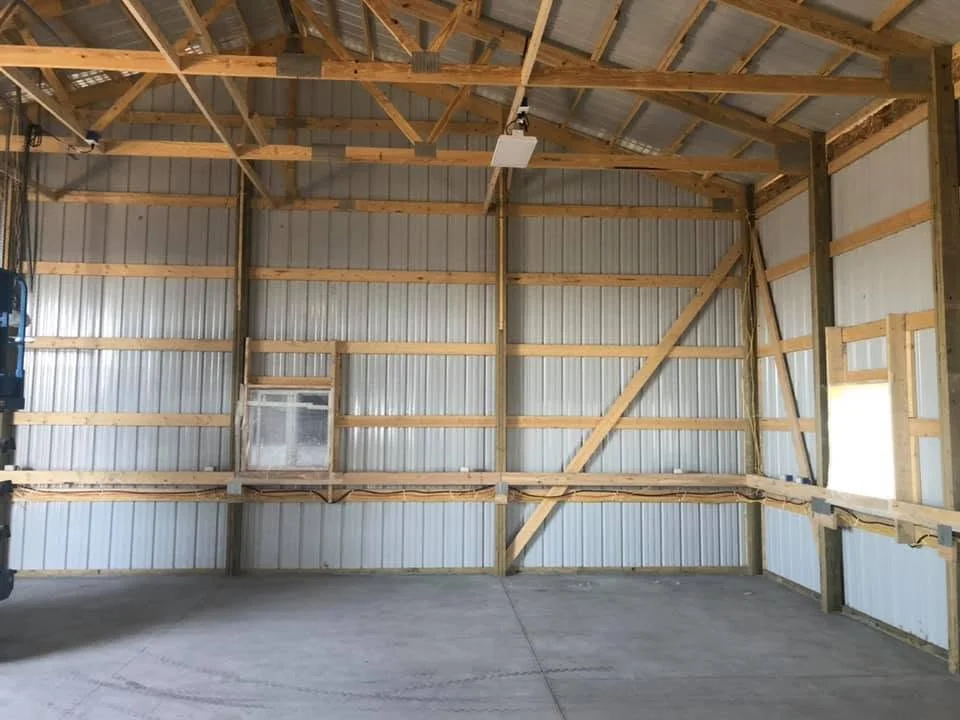
Think about where a typical warehouse or shop leaks: the roof-to-wall joint, metal panel seams, overhead door frames, and every spot where pipes, conduit, and ducts pass through the shell. Wind and pressure differences push air through all of them.
Data from the U.S. Department of Energy Better Buildings Solution Center puts air leakage at about 6% of energy use in U.S. commercial buildings. For you, that shows up as HVAC units running longer, cold spots near exterior walls, and higher monthly bills.
How Spray Foam Air Sealing Works
Spray foam starts as two liquids that mix at the gun. It expands on contact, sticks to the surface, and cures in place, so there are no seams to tape.
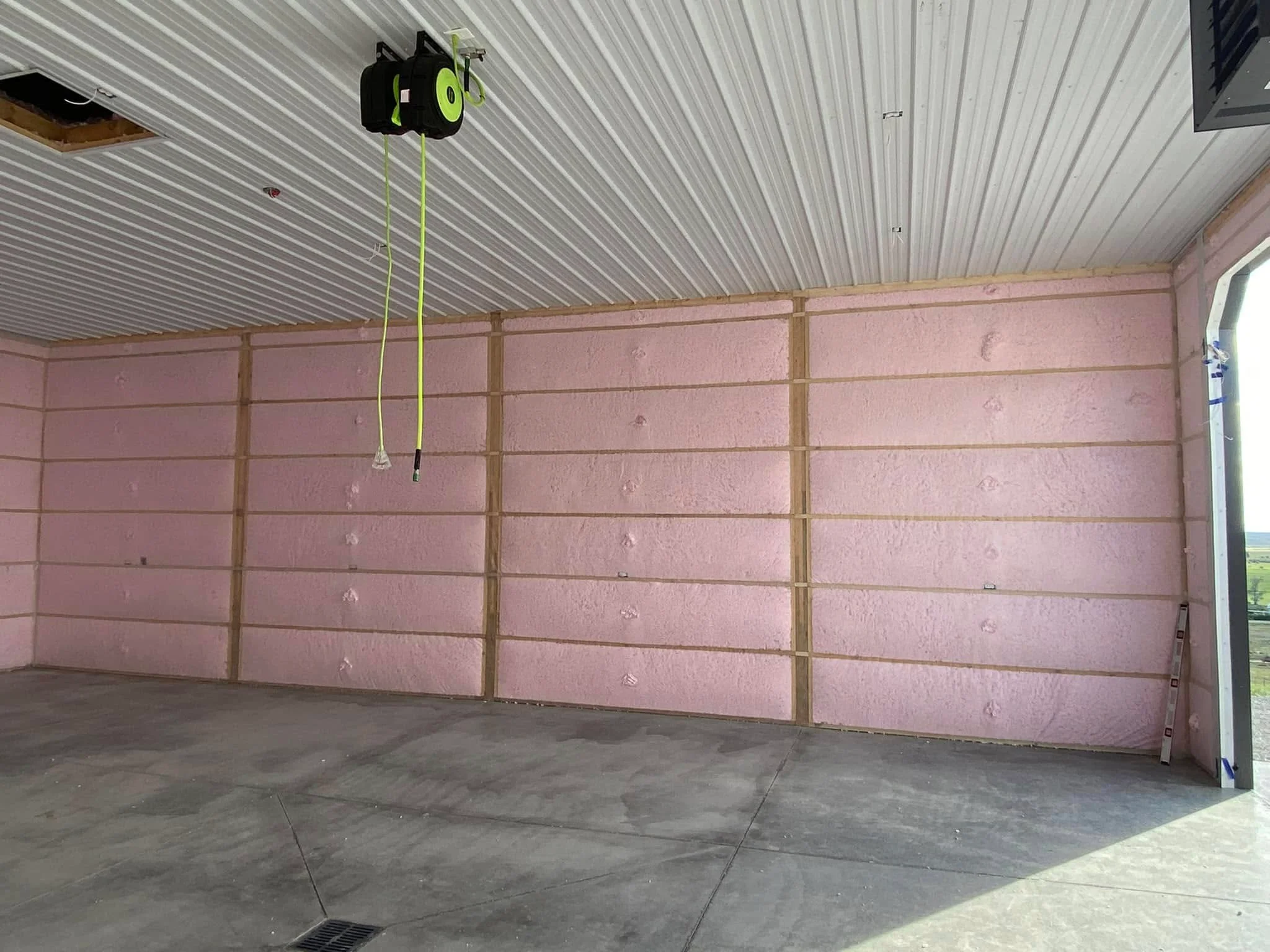
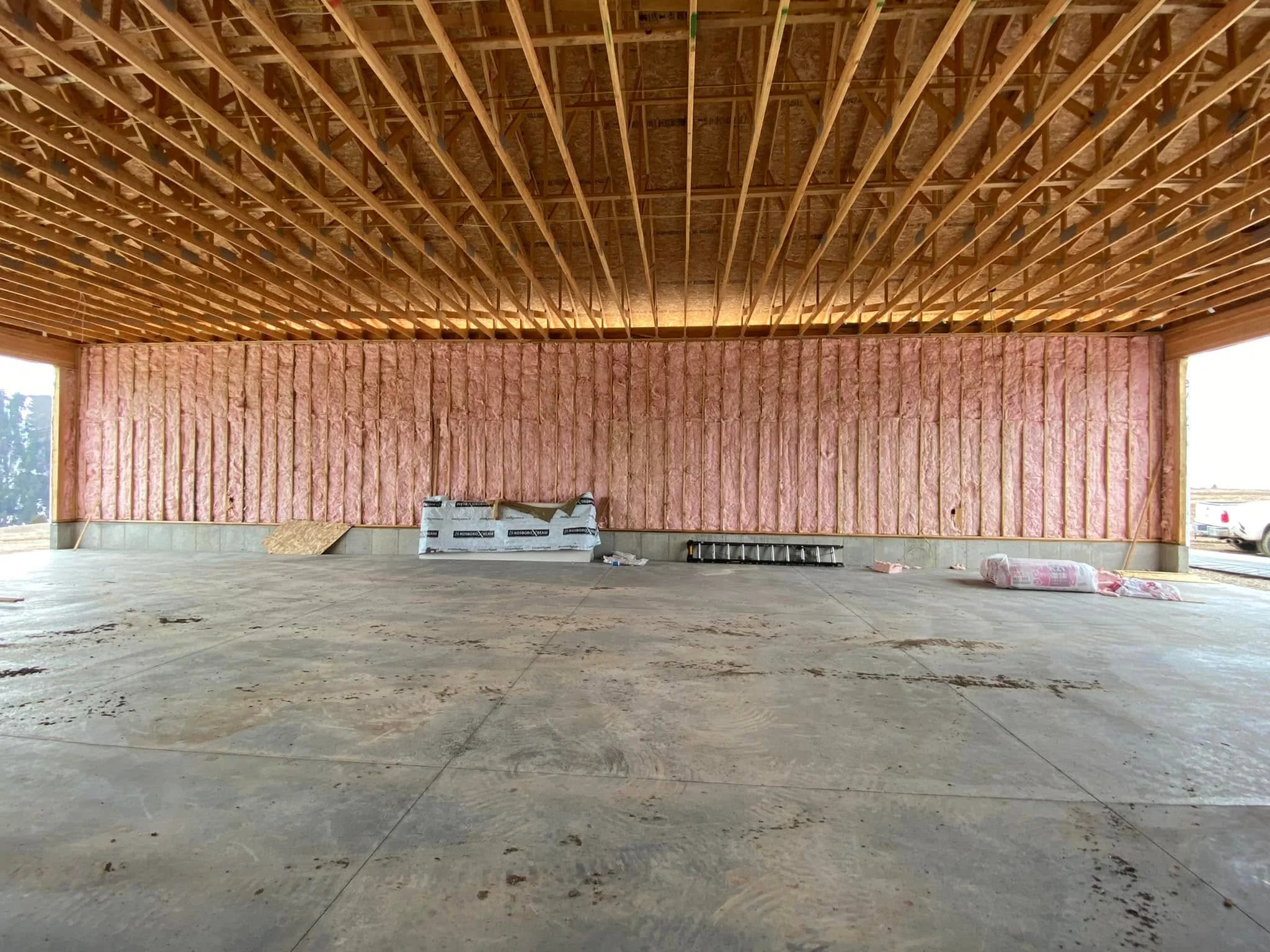
According to the U.S. Department of Energy Building America spray foam guide, both foam types seal air well because the expanding foam fills the gaps, cracks, and voids that cause leaks, while fiberglass and cellulose do much less to block airflow.
What Thickness Does It Take?
Guidance from the Building America Solution Center treats closed-cell foam as an air barrier at 1.5 inches or more and open-cell foam at 5.5 inches or more, unless the manufacturer says otherwise. That benchmark comes from home programs, so on commercial jobs we go by the tested data for the specific product.
Good commercial spray foam air sealing also ties the transitions together. If the roof-to-wall joint and penetrations aren’t connected, air just finds the next gap.
Does Stopping Air Leaks Really Control Moisture?
Yes, and it’s the part many owners miss. Most moisture damage inside walls and roofs comes from humid air leaking in, not from vapor slowly passing through materials.
Research from Building Science Corporation found that over a Chicago winter, a single 1-inch square hole moved roughly 100 times more water vapor than diffusion moved through a full 4×8 sheet of drywall.
When that warm, moist air hits a cold steel deck, purlin or sheathing, it condenses. That leads to rusted fasteners, dripping ceilings, wet insulation, and mold. So spray foam moisture control starts with the air seal.
Is Spray Foam a Moisture Barrier? Open-Cell vs Closed-Cell
Both foam types stop air. They handle water vapor and liquid water very differently, though, and that changes where each one belongs.
Typical properties from the DOE guide:
Property
Open-Cell
Closed-Cell
Density
~0.5 lb/cu ft
~2 lb/cu ft
R-value per inch
~3.6
~6
Seals air
Yes
Yes
Vapor permeance
~10 perms at 5 in.
Under 1 perm at 2 in.
Liquid water
Can absorb it
Won’t absorb it
A material rated at 1 perm or less counts as a vapor retarder, so closed-cell foam at roughly 2 inches can work as a spray foam insulation moisture barrier. Strictly speaking, it’s a vapor retarder, not a total barrier, and exact numbers vary by product. Commercial spray foam insulation services can help property owners evaluate suitable materials for their buildings. Open-cell foam can hold up to about a third of its volume in water, which is why the guide rules it out for below-grade walls and prefers closed-cell there.
Where Spray Foam Can Cause Moisture Problems
Foam isn’t a cure-all. The wrong type, the wrong thickness or a poorly planned assembly can trap moisture instead of keeping it out.
Too thin in cold climates: For flash-and-batt walls, the DOE guide calls for at least 1.5 inches of closed-cell foam, and 2 inches where heating degree days exceed 6,000, so the foam’s inner face stays above the dew point.
Doubled vapor retarders: The guide warns against interior poly sheeting over closed-cell walls, since a double vapor retarder can trap moisture in the cavity.
Hidden roof leaks: Water won’t pass through closed-cell foam, so a roof leak may take longer to show up and be harder to locate.
Ignored bulk water: Foam doesn’t replace flashing, drainage, or a sound roof.
Commercial Air Leakage Control Checklist
A little planning before spraying saves expensive rework later. Here’s what we walk through with building owners.
Locate leaks at roof-to-wall joints, panel seams, door frames, and penetrations.
Know your moisture direction: in cold climates it mostly drives outward from the heated interior, while in warm climates it usually comes from outside.
Use closed-cell foam where water or high humidity is likely.
Put thickness targets in writing and spot-check them after spraying.
Fix roof leaks and failed flashing first.
Plan for fire protection, since spray foam is combustible and usually needs a thermal or ignition barrier.
Plan fresh air through ventilation, not leaks.
Get a Free Quote From High Country Solutions
If drafts, condensation, or high energy bills keep showing up in your building, a site visit is the best next step. High Country Solutions can check where your building leaks, walk you through open-cell and closed-cell options, and give you a free quote.
Does spray foam stop condensation in metal buildings?
It can cut it sharply. Closed-cell foam sprayed directly on metal panels keeps warm, humid air off the cold steel, where condensation forms. Coverage has to be continuous at seams and purlins.
Do I still need a separate vapor retarder with closed-cell foam?
Often not. The DOE guide says 2 inches or more of closed-cell foam on a roof deck doesn’t need a separate vapor retarder in cold climates. Walls still depend on climate and thickness.
Can spray foam make a commercial building too airtight?
Owners do raise concerns about overly tight buildings affecting indoor air quality. The fix is planned ventilation, not leaving leaks open.
Can spray foam go on the underside of a roof deck?
Yes. The DOE guide rates closed-cell foam as the preferred roof-deck choice in all climates and notes it adds wind resistance.
Does spray foam help keep out dust and pollen?
It helps. The same leaks that let in heat and moisture also let in dust and outdoor pollutants, so sealing them reduces what gets inside.
I’m Skeeter Aimone, owner of High Country Solutions in Alpine, Wyoming, leading the company since 2019. I focus on quality installation, building science, and insulation solutions suited to harsh Wyoming and eastern Idaho conditions.